
 By admin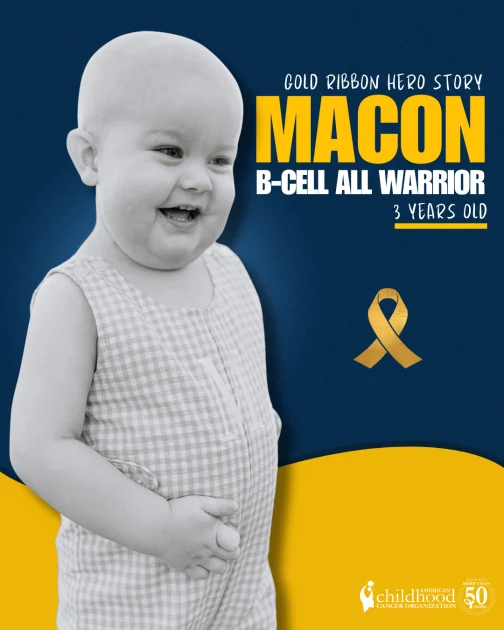
The transition from a routine wellness visit to a life-altering medical emergency is a scenario few parents are prepared to navigate. For the family of Macon, a three-year-old currently undergoing treatment for B-Cell Acute Lymphoblastic Leukemia (B-ALL), this transition occurred during what was expected to be a standard two-year-old pediatric checkup. The diagnosis, which followed a routine finger-prick blood test, has set the toddler on a multi-year medical journey that highlights both the resilience of pediatric patients and the critical importance of early diagnostic screenings in childhood healthcare.
The Asymptomatic Diagnosis and Initial Hospitalization
In the spring of Macon’s second year, his mother, Madeline, took him to his pediatrician for a scheduled wellness examination. At the time, Macon exhibited no visible symptoms of illness; he appeared healthy, energetic, and hit all developmental milestones. However, the results of a routine complete blood count (CBC) via a finger prick revealed a critical abnormality: an extremely high white blood cell (WBC) count. This clinical finding is often the first indicator of leukemia, as the body overproduces immature white blood cells—known as blasts—which crowd out healthy blood cells.
The pediatrician immediately directed the family to a specialized hospital for emergency evaluation. Within hours, the family’s reality shifted from the normalcy of a toddler’s routine to the intensive environment of a pediatric oncology ward. Following extensive testing, including further blood work and specialized imaging, Macon was officially diagnosed with B-Cell Acute Lymphoblastic Leukemia.
“In a matter of hours, our entire lives changed,” Madeline recalled in a statement regarding the diagnosis. “After hours in the emergency room and further testing, we were told Macon had leukemia. We were in shock, fear, and disbelief. We went in expecting a normal well visit and left facing a life-changing diagnosis. It felt unreal, especially since Macon had no symptoms and seemed perfectly healthy.”
Understanding B-Cell Acute Lymphoblastic Leukemia
B-Cell Acute Lymphoblastic Leukemia is a type of cancer of the blood and bone marrow. It is the most common form of cancer diagnosed in children, representing approximately 75% to 80% of childhood leukemia cases. The disease progresses rapidly if left untreated, affecting the B-lymphocytes, which are white blood cells responsible for fighting infection.
According to data from the American Cancer Society, the five-year survival rate for children with ALL has risen significantly over the last several decades, now exceeding 90% due to advances in chemotherapy protocols and targeted treatments. However, the path to remission is characterized by intensive, long-term medical intervention. For patients like Macon, the treatment plan is typically divided into several phases: induction (to achieve remission), consolidation (to eliminate remaining cancer cells), and maintenance (to prevent recurrence).
Clinical Complications and the Treatment Chronology
Macon’s medical journey began immediately following his diagnosis. One of the first surgical requirements for pediatric oncology patients is the placement of a "port"—an implanted device under the skin, usually in the chest, that allows medical teams to administer chemotherapy and draw blood without repeated needle sticks in the arms or hands.
Macon’s initial treatment phase was complicated by a serious staph infection (Staphylococcus aureus) in his bloodstream. Such infections are a significant risk factor for leukemia patients because the cancer and the chemotherapy both suppress the immune system, leaving the body vulnerable to pathogens. Due to the severity of the infection, Macon’s original port had to be removed and a second placement procedure was required once the infection was cleared.
The first year of Macon’s treatment included:
- Intensive Chemotherapy: High-dose medications designed to kill rapidly dividing cancer cells.
- Lumbar Punctures: Also known as spinal taps, these procedures involve inserting a needle into the spinal canal to check for leukemia cells in the cerebrospinal fluid and to administer "intrathecal" chemotherapy directly into the central nervous system.
- Bone Marrow Biopsies: Procedures where a small sample of bone marrow is extracted to monitor the percentage of leukemia cells present in the marrow, ensuring the treatment is effectively suppressing the disease.
Currently, Macon has transitioned into the long-term maintenance phase of his treatment. This stage is less intensive than the induction phase but requires a disciplined schedule of chemotherapy and monitoring that will span a total of two and a half years.
Resilience in the Face of Chronic Illness
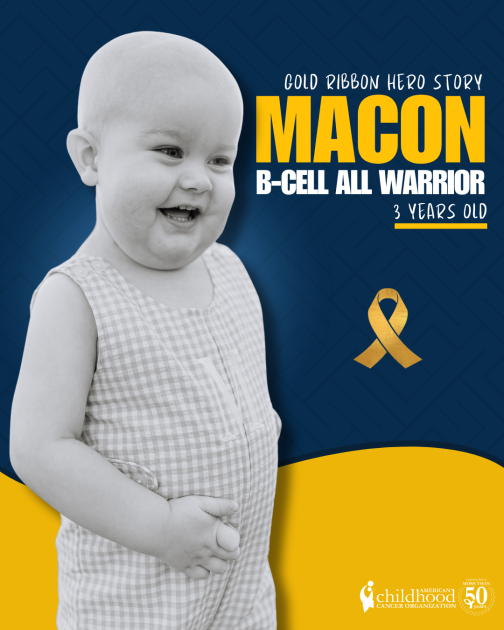
Despite the physical toll of chemotherapy and frequent invasive procedures, Macon has maintained the spirit of a typical three-year-old. His family describes him as a playful child who enjoys outdoor activities, riding toys, and interacting with his sister. This "warrior" spirit is frequently cited by pediatric oncology professionals as a vital component of a child’s ability to cope with the psychological and physical rigors of long-term treatment.
Madeline reported that Macon recently reached a significant milestone: the completion of his first full year of leukemia treatment. "He has handled chemotherapy incredibly well," she stated. "His weekly blood work continues to show no circulating leukemia cells, and his treatment is working as expected."
Macon remains in active treatment, with a projected completion date of May 2027. If he continues to meet clinical milestones and remains in remission, he will participate in the traditional "ringing of the bell"—a ceremony held in oncology wards to signify the end of a patient’s cancer treatment.
The Broader Impact of Pediatric Cancer on Families
The diagnosis of childhood cancer extends beyond the patient, impacting the entire family unit’s emotional and financial stability. Organizations like the American Childhood Cancer Organization (ACCO) emphasize that "kids can’t fight cancer alone," highlighting the need for community support, specialized pediatric research, and advocacy.
For families like Macon’s, the suddenness of the diagnosis often leads to "diagnostic shock." The transition from a healthy child to a cancer patient happens so quickly that parents must learn to navigate complex medical terminology, insurance hurdles, and the logistics of long-term care almost overnight. The financial burden can also be substantial, as one parent often has to reduce work hours or leave a job to manage the child’s frequent hospitalizations and clinic visits.
The Importance of Routine Pediatric Screenings
Macon’s case serves as a poignant reminder of the efficacy of routine pediatric wellness visits. Because Macon was asymptomatic, the leukemia might have gone undetected for several more weeks or months without the routine CBC performed at his two-year checkup. Early detection is often a key factor in the success of leukemia treatment, as it allows medical teams to intervene before the cancer cells cause significant organ damage or spread extensively to the central nervous system.
Medical professionals advocate for parents to adhere strictly to the American Academy of Pediatrics (AAP) schedule for well-child visits. While many parents view these visits primarily as opportunities for vaccinations, they are also critical for baseline blood work and physical examinations that can catch "silent" conditions like Macon’s.
Future Outlook and the Path to 2027
As Macon enters the second half of his treatment journey, the focus remains on maintaining his remission and managing the long-term side effects of chemotherapy. Common side effects for pediatric patients include bone density issues, potential developmental delays, and a continued susceptibility to infections. However, with modern supportive care, many children go on to lead full, healthy lives post-treatment.
The oncology community continues to monitor cases like Macon’s to refine treatment protocols. The goal of current research is not only to increase survival rates but also to reduce the toxicity of the treatments used, ensuring that survivors have a higher quality of life.
Macon’s story is one of thousands that occur annually in the United States. According to the National Cancer Institute, approximately 15,000 children and adolescents under the age of 20 are diagnosed with cancer each year. While the statistics are daunting, the progress in B-ALL treatment remains one of the greatest success stories in modern medicine.
For the next three years, Macon’s life will be defined by clinic visits, blood draws, and chemotherapy cycles. Yet, through the support of his family and his medical team, the focus remains on the finish line in May 2027. His journey underscores the necessity of continued funding for pediatric cancer research and the vital role of advocacy groups in supporting families during their most challenging hours. Together, through awareness and medical excellence, the hope is that more children like Macon will move from being "warriors" to being "survivors."
