
 By admin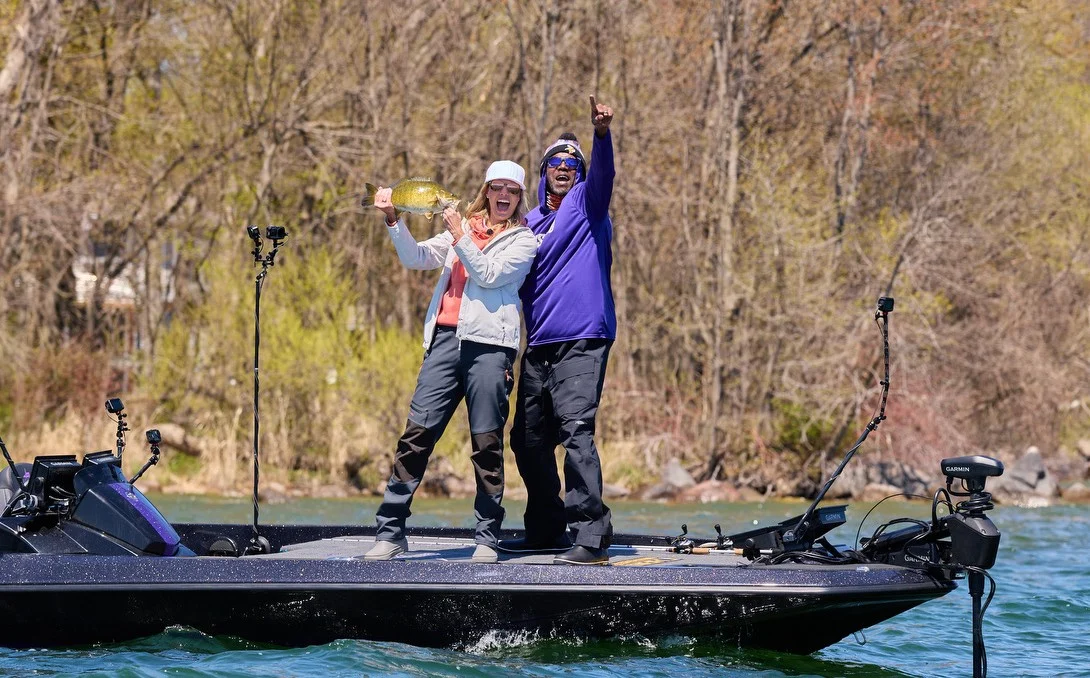
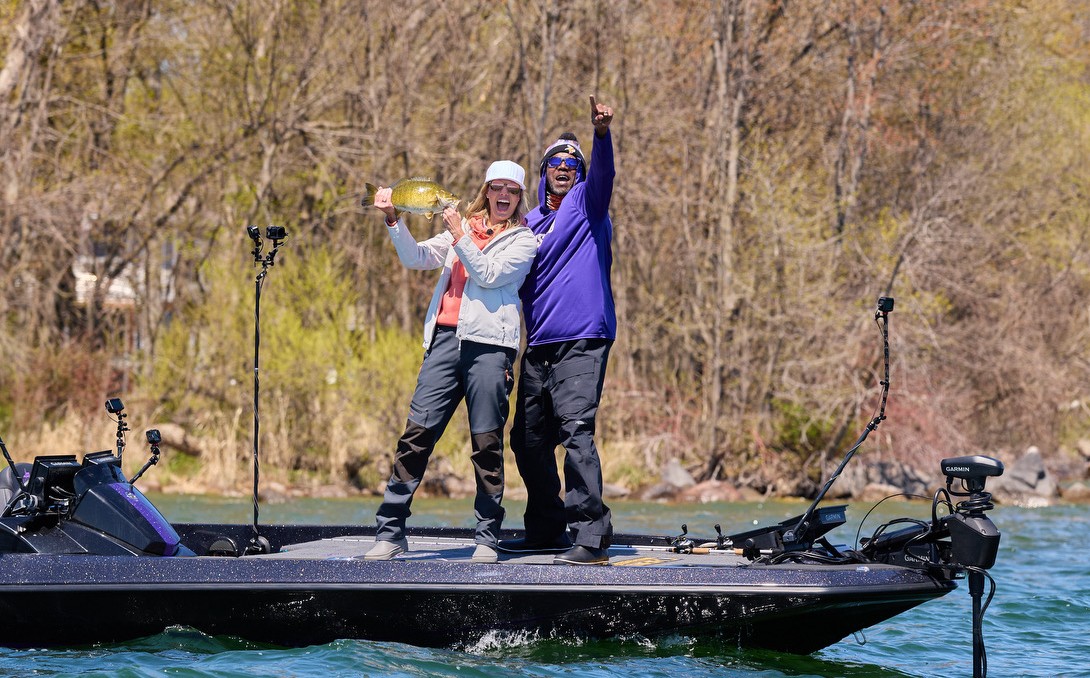
In an intersection of professional sports legacy and philanthropic advocacy, Pro Football Hall of Fame inductee Randy Moss has aligned his "Chasing 10" platform with the Children’s Cancer Research Fund (CCRF) to bring national attention to the "Chasing a Cure" campaign. The collaboration, highlighted in a recent episode of Moss’s YouTube series, took place on the waters of Leech Lake in northern Minnesota, a location that serves as both a premier fishing destination and the spiritual birthplace of one of the nation’s most influential pediatric cancer organizations. Joining Moss on the water was Kenna Dooley, Chief Development Officer of CCRF, for a dialogue that transitioned from the technicalities of angling to the urgent necessity of advancing non-toxic cancer treatments for children.
The partnership marks a significant moment for the "Chasing 10" series, which typically chronicles Moss’s pursuit of elite fishing catches—the "10" referring to the elusive ten-pound trophy fish that represents the pinnacle of the sport. However, the mission at Leech Lake was redefined by Moss, who stated that the day’s objective was not merely the pursuit of a record-breaking catch, but the pursuit of a future free from the devastating effects of childhood leukemia and other malignancies. This initiative seeks to bridge the gap between public awareness and the funding required to fuel high-impact medical research.
The Historical Legacy of Katie Hageboeck and CCRF
The choice of Leech Lake as the backdrop for this collaboration was deeply intentional, rooted in a history that dates back more than four decades. Long before Randy Moss became a household name with the Minnesota Vikings, Leech Lake was the summer sanctuary for Katie Hageboeck. Katie, a vibrant young girl who spent her summers swimming and fishing in the North Woods, was diagnosed with leukemia in the late 1970s.
At the time of her diagnosis, the landscape of pediatric oncology was significantly more limited than it is today. Despite the efforts of medical professionals, Katie passed away in 1979 at the age of 13. In a final act of selflessness, she requested that the money she had saved for a new bicycle be donated to cancer research so that other children might have a better chance at survival. Her parents, Diana and Norm Hageboeck, honored this wish by founding the Children’s Cancer Research Fund.
What began as a small, grassroots effort fueled by a child’s savings has evolved into a powerhouse of medical funding. To date, CCRF has contributed over $200 million to research, much of it centered at the University of Minnesota. The legacy of Katie Hageboeck is physically preserved through "Katie’s Clinic" and "The Porch" at the University of Minnesota, environments specifically designed to mirror the comforting, natural aesthetics of the North Woods that Katie loved. These facilities aim to provide a sense of normalcy and peace for children undergoing intensive treatments, acknowledging that healing is as much a psychological process as it is a physiological one.
Moss Reflects on the Personal Toll of Treatment
A poignant moment during the Leech Lake outing occurred when Moss shared his own perspective on the rigors of chemotherapy. While Moss is known for his unparalleled athleticism and physical resilience on the football field, he spoke candidly about the profound impact of aggressive medical intervention. "Chemotherapy beat me up so bad," Moss remarked during the episode. "It was more mental than it was physical."
Moss’s reflection underscores a critical reality in oncology: while traditional treatments like chemotherapy and radiation are often life-saving, they are also inherently "blunt instruments" that can cause significant collateral damage to a developing child’s body. For pediatric patients, the long-term side effects—often referred to as "late effects"—can include heart disease, secondary cancers, and cognitive impairments. Moss’s willingness to discuss the mental and physical exhaustion of treatment lends a powerful voice to the "Chasing a Cure" campaign, emphasizing that the goal is not just survival, but the quality of life after cancer.
Advancing Immunotherapy: The Shift Toward Targeted Healing
During the excursion, Kenna Dooley detailed the specific research goals that CCRF is currently prioritizing. Central to this mission is the development of immunotherapy, a field of medicine that trains the body’s own immune system to identify and destroy cancer cells without the systemic toxicity associated with traditional chemotherapy.
"If we can get rid of radiation and chemotherapy—that’s a win-win for everybody," Dooley noted. The logic behind this shift is supported by emerging data in the oncology field. Immunotherapies, such as CAR T-cell therapy, have shown remarkable success in treating certain types of pediatric leukemia that were previously considered resistant to treatment. By funding these innovative approaches, CCRF aims to create a "new standard of care" where the treatment is as gentle as it is effective.
The "Chasing a Cure" campaign specifically targets these breakthroughs. Currently, pediatric cancer research receives only about 4% of the total federal funding allocated for cancer research in the United States. This disparity leaves a massive funding gap that private organizations like CCRF must fill. The partnership with high-profile figures like Randy Moss is designed to mobilize private donors and corporate partners to bridge this gap, ensuring that promising laboratory discoveries can transition into clinical trials.
Statistical Context and the Current State of Pediatric Oncology
To understand the stakes of the "Chasing a Cure" campaign, one must look at the broader data surrounding childhood cancer in the United States. According to the National Cancer Institute, approximately 15,000 children and adolescents under the age of 20 are diagnosed with cancer each year. While survival rates have improved significantly since Katie Hageboeck’s era—rising from less than 50% in the 1970s to over 80% today—cancer remains the leading cause of death by disease among children.
Furthermore, the data regarding survivors is sobering. Research indicates that by the age of 50, more than 99% of childhood cancer survivors will have a chronic health problem, and 96% will have a severe or life-threatening condition caused by the very treatments that saved their lives. This "survivorship burden" is the primary driver behind Moss and Dooley’s advocacy for immunotherapy. The objective is to move toward a "100% cure rate with 0% long-term side effects."
Analysis of Implications: Sports Philanthropy as a Catalyst
The involvement of an athlete of Randy Moss’s stature provides a unique catalyst for philanthropic growth. In the modern media landscape, "lifestyle" content—such as Moss’s fishing series—often reaches demographics that traditional charitable appeals might miss. By integrating the story of Katie Hageboeck into a program about the outdoors and sport, Moss humanizes the scientific struggle.
From a journalistic perspective, this event represents a growing trend where celebrities leverage their personal brands to provide "story-driven" advocacy. This approach moves beyond the traditional gala or telethon model, instead placing the cause within a narrative of heritage and personal experience. For the Children’s Cancer Research Fund, the visibility provided by Moss’s "Chasing 10" platform is invaluable in maintaining the momentum of the "Chasing a Cure" campaign, particularly as the organization seeks to expand its reach beyond the Midwest.
A Vision for the Future
As the "Chasing 10" episode concludes, the focus remains on the enduring spirit of Katie Hageboeck. The "Chasing a Cure" campaign is more than a fundraising drive; it is a commitment to ensuring that children diagnosed with cancer today can look forward to a future defined by experiences like those Katie cherished on Leech Lake—summers spent on the water, free from the confines of hospital walls and the exhaustion of toxic treatments.
The collaboration between Randy Moss and the Children’s Cancer Research Fund serves as a reminder that the most important "catches" in life are those that preserve the health and happiness of the next generation. As research continues to evolve, the hope is that the "mental and physical" toll described by Moss will become a thing of the past, replaced by targeted therapies that allow children to remain children throughout their recovery.
For those following the "Chasing a Cure" campaign, the message is clear: the pursuit of a cure is a collective marathon, requiring the same discipline, passion, and persistence that Randy Moss brought to the gridiron and now brings to the water. The legacy started by a 13-year-old girl in 1979 continues to grow, proving that while one life may be cut short, the ripples of a single selfless act can change the course of medical history.
