
 By admin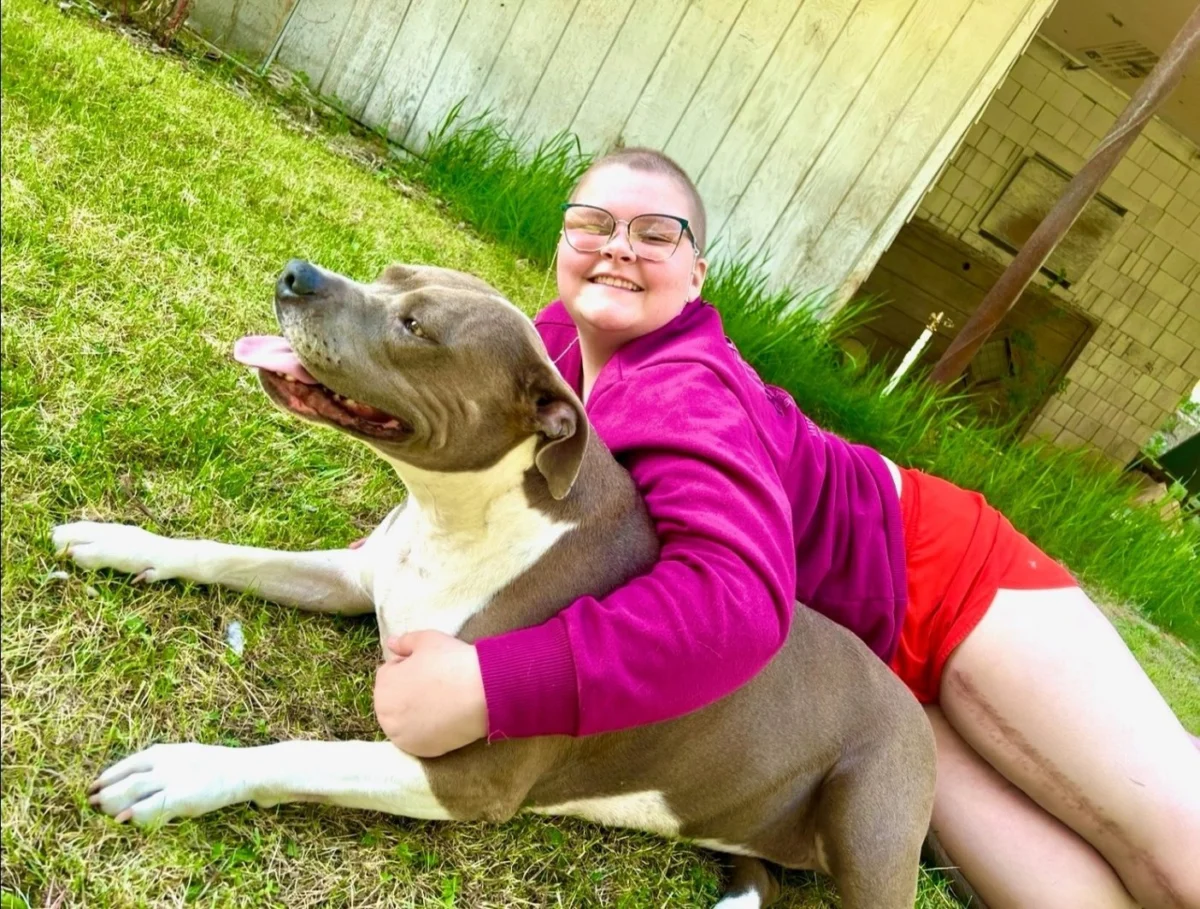
The final drop of chemotherapy sliding through an intravenous line often symbolizes a triumphant conclusion, yet for fourteen-year-old Madelyn, it marked the transition into a different, more complex phase of her life. As the last of her 30 rounds of treatment concluded, the teenager moved with a speed that belied the physical toll the previous months had taken, embracing her mother, Toni, and a family friend in a celebratory dance within the sterile confines of her hospital room. For her mother, the moment was etched in memory by Madelyn’s exuberant cries of achievement. However, the celebration masked a sobering reality known to many in the pediatric oncology community: the end of active treatment is rarely the end of the medical or psychological journey.
The trajectory of Madelyn’s experience reflects the broader challenges faced by the approximately 1,000 children and adolescents diagnosed with osteosarcoma in the United States each year. A rare but aggressive form of bone cancer, osteosarcoma typically strikes during periods of rapid growth, such as the early teenage years. What begins as seemingly innocuous physical discomfort—often dismissed as "growing pains" or sports injuries—can rapidly escalate into a life-altering medical crisis.
The Genesis of a Medical Crisis: From Softball to Surgery
The summer of 2024 began with the typical activities of a suburban teenager. Madelyn was focused on her softball season, specifically honing the technique of sliding into bases. When persistent pain developed in her leg, the initial assumption by both her family and coaches was a routine muscle strain. This is a common narrative in pediatric bone cancer cases; because the symptoms mimic musculoskeletal injuries frequent in active youth, diagnosis is often delayed.
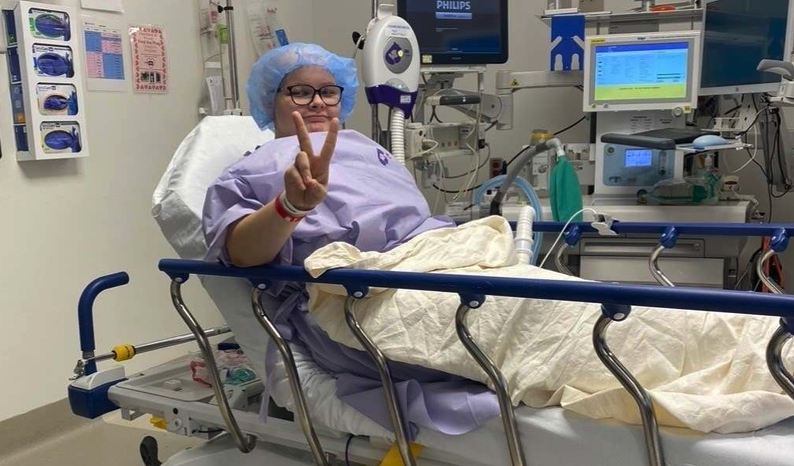
By mid-summer, the pain had transcended the threshold of typical athletic soreness. A month after the initial symptoms appeared, Madelyn was overcome by the intensity of the discomfort, prompting an urgent visit to the doctor. Diagnostic imaging via X-ray revealed a significant tumor that had compromised the integrity of her femur—the longest and strongest bone in the human body. The subsequent diagnosis of osteosarcoma necessitated an immediate and aggressive intervention strategy involving both systemic chemotherapy and complex orthopedic surgery.
The standard of care for osteosarcoma has evolved significantly over the last four decades, moving from radical amputation to limb-sparing surgeries. However, these advancements come with high degrees of surgical complexity. Madelyn’s treatment plan required 30 rounds of high-dose chemotherapy, a regimen notorious for its debilitating side effects, including severe nausea, immune suppression, and total hair loss. Following the initial rounds of chemo intended to shrink the tumor, surgeons moved to replace her femur and knee with titanium prosthetics.
The Engineering Challenge: Failed Prosthetics and Prolonged Immobility
While limb-sparing surgery is a miracle of modern medicine, it is not without significant risk of mechanical failure. In Madelyn’s case, the journey to mobility was thwarted by a series of technical setbacks. Custom-made titanium prosthetics must be engineered to the precise dimensions of the patient’s skeletal structure. According to Toni, the process involved a grueling cycle of ordering, manufacturing, and testing various prototypes.
The recovery was stalled for ten months as three successive prosthetic prototypes failed during the production or pressure-testing phases. This left Madelyn unable to walk, confined to a bed or wheelchair while her body continued to battle the systemic effects of chemotherapy. It was only after four major surgeries and the successful implementation of a fourth prosthetic design—which now includes a titanium femur, knee, and hip component—that Madelyn was able to begin the arduous process of physical rehabilitation.
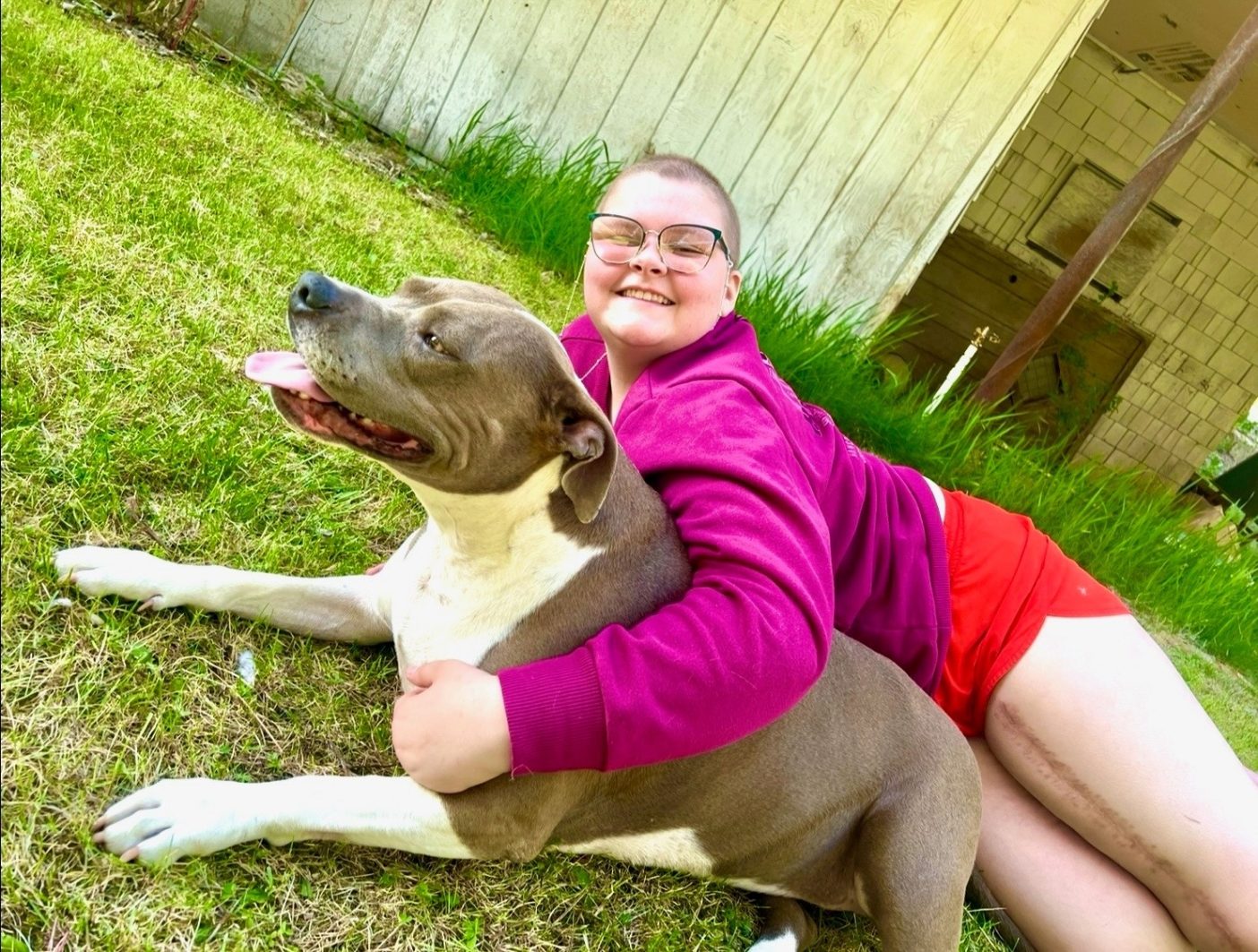
By March 2026, Madelyn reached the milestone of being one year cancer-free. Yet, the physical restoration of her limb was only one aspect of her recovery. She spent months in intensive physical therapy, essentially relearning how to navigate the world on a reconstructed left leg. Her return to school activities required significant adaptation; she resumed her role as drum major for the school marching band, leading her peers from a wheelchair, and eventually transitioned to walking the stage in theater productions with the aid of a crutch.
The Psychological Aftermath: The "Alien" Phenomenon in Survivorship
As the physical wounds began to heal, a more insidious challenge emerged: the impact on Madelyn’s mental health. Journalistic and clinical observations of adolescent and young adult (AYA) cancer survivors frequently highlight a phenomenon often described as "re-entry anxiety." After spending nearly two years in a "medical bubble" focused entirely on survival, returning to the social environment of a high school can result in profound feelings of alienation.
Madelyn described the sensation of feeling like an "alien" in her own life. The traumatic nature of her experience—facing mortality, enduring extreme physical pain, and undergoing radical body changes—matured her at a rate that disconnected her from the typical concerns of her 15-year-old peers. This "maturity gap" is a documented struggle for AYA survivors, who often find the social hierarchy and daily dramas of high school life trivial or incomprehensible following a battle for their lives.
This sense of isolation has been compounded by heightened anxiety and symptoms consistent with post-traumatic stress disorder (PTSD). Madelyn’s mother noted that the teenager became increasingly "homebound," viewing her house as the only space where safety was guaranteed. This anxiety extended to her family’s safety as well; Madelyn frequently expressed fear regarding her mother leaving for work, rooted in a catastrophic logic that if one tragedy could occur (the cancer), another (an accident involving her mother) was equally probable.
The Caregiver’s Perspective: Shifting the Paradigm of Normalcy
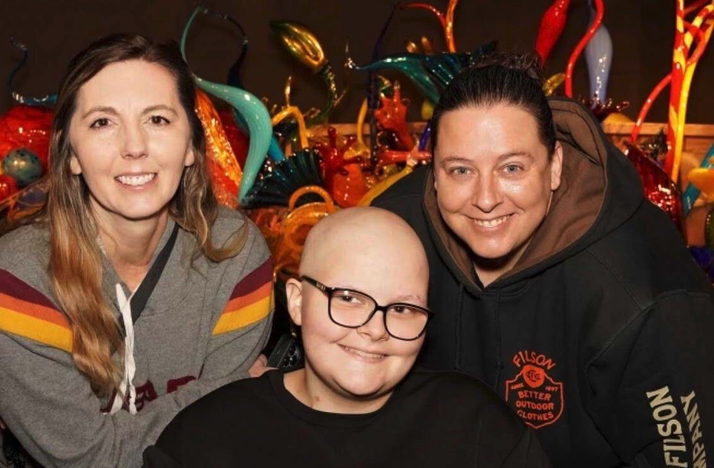
The impact of pediatric cancer extends horizontally across the entire family unit. For Toni, the post-treatment phase brought a realization that the "normal life" they had anticipated returning to no longer existed. The transition from "fight mode"—the adrenaline-fueled state of managing appointments, medications, and crises—to a sedentary state of recovery is often where the emotional weight of the experience finally settles.
Toni highlighted a common societal misconception: the idea that once treatment ends, the "hard part" is over. In reality, the cessation of active medical intervention often leaves parents and survivors feeling abandoned by the system that previously provided constant oversight. Workplace expectations and social pressures often demand a rapid return to pre-cancer productivity, failing to account for the emotional exhaustion and ongoing physical limitations that characterize survivorship.
This experience has fundamentally altered Toni’s approach to parenting. She notes a shift toward radical patience, recognizing that Madelyn’s occasional impatience or frustration is a valid response to having her youth interrupted by a life-threatening illness. "She understands that tomorrow isn’t promised," Toni observed, reflecting a sentiment common among families who have navigated the uncertainty of a stage-four or high-risk diagnosis.
Broader Implications: The Importance of Survivorship Research
Madelyn’s story underscores a critical gap in the oncology landscape that organizations like the Children’s Cancer Research Fund (CCRF) are working to bridge. While survival rates for many pediatric cancers have improved significantly—with roughly 85% of children now surviving five years or more—the long-term "late effects" of treatment remain a significant burden.
Survivorship research is a specialized field that examines the long-term physical, mental, and socioeconomic impacts of cancer treatment. Data suggests that up to 95% of childhood cancer survivors will develop a chronic health condition related to their treatment by the time they are 45 years old. These conditions range from cardiovascular disease and secondary cancers to clinical depression and anxiety disorders.
Current research initiatives are focusing on:
- Resilience Training: Programs designed to help teenagers navigate the social and emotional hurdles of returning to school.
- Cardio-Oncology: Mitigating the heart damage caused by specific chemotherapy agents.
- Prosthetic Innovation: Developing "growing" prosthetics that can be adjusted non-invasively as a child matures, reducing the need for repeated major surgeries.
Conclusion: The Long Road to Being "Cured"
Today, at age 15, Madelyn is reclaiming her identity through creative outlets and leadership roles. She has embraced her physical changes by experimenting with vibrant hair colors and has launched a food vlog to document her experiences at new restaurants. Her role as drum major remains a point of pride, symbolizing her ability to lead and inspire despite the physical constraints of her recovery.
However, the medical journey remains ongoing. In the world of oncology, "cancer-free" is a temporary status; Madelyn will not be clinically considered "cured" until she reaches the five-year milestone without a recurrence. Until then, she continues to undergo regular surveillance scans, a process often referred to by survivors as "scanxiety," where the threat of the cancer’s return looms over every hospital visit.
Madelyn’s journey serves as a poignant reminder that the "finish line" of cancer is a moving target. It is a testament to the resilience of pediatric patients who must not only fight a biological war against their own cells but also navigate the complex wreckage left behind by the very treatments that saved them. As she continues to walk the stage—whether in a theater production or toward her future—she does so with a profound understanding of life’s fragility and a titanium-reinforced determination to make every moment count.
