
 By admin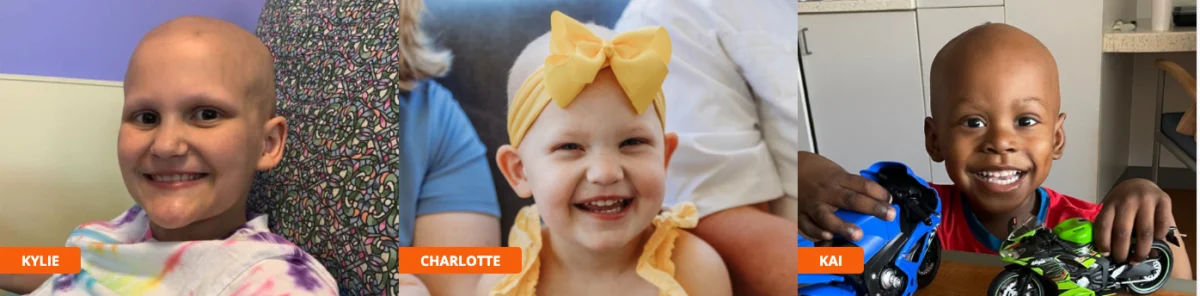
The Great Cycle Challenge (GCC) has officially entered its 12th year of partnership with the Children’s Cancer Research Fund (CCRF), marking a significant era in the landscape of philanthropic support for pediatric oncology. Since its inception, the national cycling initiative has evolved from a grassroots movement into a premier endurance fundraising event, mobilizing hundreds of thousands of riders to log more than 38 million miles and raise over $87 million to date. This momentum continues into the 2026 season with the introduction of five new National Ambassadors—Charlotte, Kai, Kylie, Jasper, and Emma—whose personal battles with various forms of malignancy serve as the catalyst for the program’s mission: to move research from the sterile environment of the laboratory into the lived reality of childhood.
The intersection of athletic endurance and medical advocacy has proven to be a potent formula for the CCRF. By transforming individual fitness goals into a collective effort to fund clinical trials and innovative therapies, the Great Cycle Challenge addresses a critical gap in medical funding. In the United States, childhood cancer research historically receives a disproportionately small percentage of federal funding compared to adult cancers, leaving private organizations and community-driven events to bridge the financial divide. The funds raised through the GCC are directed toward developing more personalized therapies, reducing the long-term side effects of toxic treatments, and improving the overall survival rates for the most aggressive pediatric diagnoses.
Profiles in Resilience: The 2026 National Ambassadors
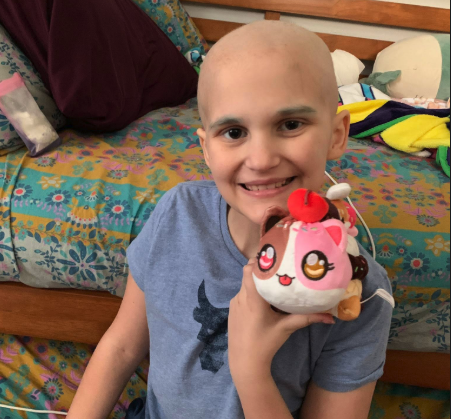
The 2026 ambassador class represents the diverse and often unpredictable nature of pediatric oncology. Each child’s story highlights a different facet of the modern treatment landscape, from the rigors of frontline chemotherapy to the complexities of rare genetic phenotypes.
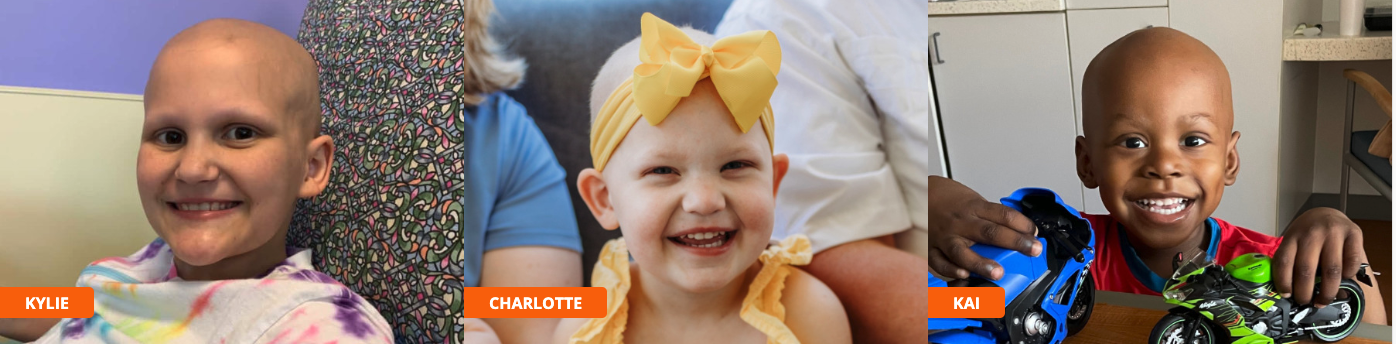
Charlotte, age 4, is currently navigating the maintenance phase of treatment for B-cell acute lymphoblastic leukemia (ALL). ALL is the most common form of childhood cancer, characterized by the overproduction of immature white blood cells. While survival rates for ALL have improved significantly over the last three decades due to research, the treatment remains arduous. Charlotte’s journey involved months of intensive chemotherapy designed to eradicate the leukemic cells, followed by a transition into maintenance therapy—a phase that can last two to three years to ensure the disease does not return. Despite the clinical nature of her daily life, her family emphasizes the importance of normalcy, such as riding her pony and cycling outdoors, as vital components of her holistic recovery. Her mother, Emily, noted that every contribution to the GCC is an investment not only in Charlotte’s future but in the collective future of all children who will eventually face similar diagnoses.
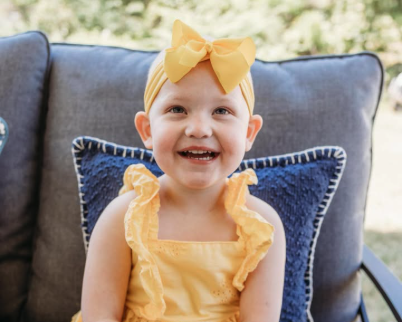
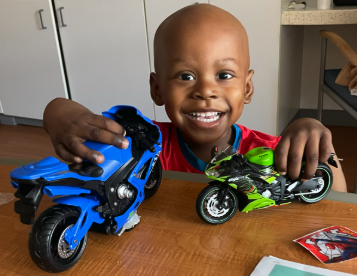
Kai, age 3, represents the struggle against neuroblastoma, a cancer that develops from immature nerve cells and most commonly affects the adrenal glands. Kai’s treatment protocol has been multifaceted, requiring a combination of chemotherapy, surgical intervention, and extended hospitalizations. Neuroblastoma is known for its aggressive behavior in high-risk cases, often requiring intensive monitoring. For Kai’s family, the Great Cycle Challenge is a platform for advocacy, emphasizing that childhood should be defined by play and choice rather than the constraints of a hospital room.
The reality of cancer relapse is personified by 10-year-old Kylie. Having first been diagnosed in 2022, Kylie experienced a relapse in early 2025, marking her third confrontation with the disease. Relapse presents unique challenges for researchers, as recurrent cancer cells often develop resistance to standard frontline therapies. Kylie’s case underscores the urgent need for "second-line" and "third-line" protocols and the development of novel drugs that can target resistant malignancies. Her parents have become vocal advocates for the funding of new research protocols that aim for better long-term outcomes, focusing on the preservation of childhood during the most difficult stages of treatment.
Jasper, age 5, offers a narrative of hope as he approaches a major clinical milestone. Also treated for acute lymphoblastic leukemia, Jasper is scheduled to "ring the bell" in September 2026, a traditional ceremony marking the end of active treatment. His transition from the acute phase of illness back into school and sports serves as a testament to the efficacy of modern maintenance protocols. His family highlights the role of physical activity in his rehabilitation, noting that fun-based exercise has been instrumental in his physical and emotional progress.
Emma, age 3, represents the frontier of rare disease research. She was diagnosed with acute myeloid leukemia (AML) with a RAM phenotype, an exceptionally rare and aggressive subtype of AML that is historically difficult to treat. Emma’s survival and transition into maintenance therapy were made possible through a bone marrow transplant and access to innovative therapies derived directly from recent research breakthroughs. Her case illustrates the life-saving potential of high-risk, high-reward research that focuses on rare genetic markers, proving that even the most challenging diagnoses can be met with effective medical responses when sufficient funding is available.
The Economic and Scientific Impact of the Great Cycle Challenge
The $87 million raised by the Great Cycle Challenge over the past 12 years has been instrumental in sustaining the Children’s Cancer Research Fund’s grant programs. These funds are typically distributed across several key areas of impact:
- Seed Grants for Innovative Research: Many of the most successful treatments today began as "blue-sky" ideas that were too early-stage for federal funding. CCRF uses GCC funds to provide seed grants to researchers, allowing them to gather the preliminary data necessary to qualify for larger government grants.
- Clinical Trials: Developing new drugs is a multi-year, multi-million-dollar process. The GCC helps fund the infrastructure required for clinical trials, ensuring that children like Emma have access to the latest experimental therapies when standard treatments fail.
- Survivorship Programs: As survival rates improve, the medical community is increasingly focused on "late effects"—the chronic health issues caused by toxic treatments like radiation and heavy chemotherapy. Research funded by the GCC seeks to develop "gentler" treatments that minimize long-term damage to developing hearts, lungs, and cognitive functions.
- Hard-to-Treat Cancers: A significant portion of funding is earmarked for rare and high-risk cancers, such as brain tumors and rare leukemias, which often do not receive the same level of attention as more common pediatric conditions.
The 38 million miles logged by participants also serve a secondary purpose: public awareness. By taking the cause to the streets, parks, and trails of America, riders facilitate a national conversation about the realities of pediatric cancer. This visibility is crucial for maintaining the political and social will to prioritize childhood health in the national research agenda.
Chronology of an Evolving Movement
The Great Cycle Challenge began as a relatively small-scale initiative aimed at encouraging cyclists to set a personal mileage goal for the month of June (and later September, to coincide with Childhood Cancer Awareness Month). Over the last decade, the event’s growth has been exponential.
- 2015–2018: The challenge established its digital infrastructure, allowing riders to track miles via GPS apps and create personal fundraising pages. This period saw the first $10 million milestone.
- 2019–2022: Despite the global pandemic, the GCC saw record participation as outdoor cycling became one of the few safe activities during lockdowns. The "virtual" nature of the event allowed it to thrive when traditional in-person galas and walks were canceled.
- 2023–2026: The focus has shifted toward "precision medicine." The stories of ambassadors like Emma (RAM phenotype) reflect a broader scientific shift toward tailoring treatment to a child’s specific genetic makeup.
The 2026 season is expected to be the largest yet, with organizers aiming to break previous records for both mileage and total funds raised. The inclusion of the five National Ambassadors provides a face and a name to the statistics, reminding participants that every mile pedaled correlates to a potential breakthrough in a laboratory.
Analysis of the Broader Implications
The success of the Great Cycle Challenge reflects a broader trend in "peer-to-peer" fundraising, where the power of the individual story is used to mobilize social networks. For the Children’s Cancer Research Fund, this model provides a steady, predictable stream of income that is less susceptible to the fluctuations of government budgeting.
Furthermore, the emphasis on "moments that matter" in the GCC’s messaging highlights a shift in pediatric oncology from mere survival to quality of life. In the early days of cancer research, the primary goal was simply to keep the patient alive at any cost. Today, thanks in part to the research funded by the GCC, the goal has expanded. Doctors and researchers are now striving to ensure that children can remain active, stay in school, and experience the "everyday moments of childhood" described by the 2026 ambassadors.
The stories of Charlotte, Kai, Kylie, Jasper, and Emma are not just narratives of illness; they are evidence of a medical system that is slowly but surely gaining ground against a relentless foe. However, the recurring theme of "the need for more" remains. As Kylie’s third battle with cancer demonstrates, the threat of relapse remains a shadow over even the most successful treatments.
Conclusion and Call to Action
As the Great Cycle Challenge moves forward into its 2026 campaign, the call for participants is more urgent than ever. The organization invites cyclists of all ages and ability levels to join the movement. Participants set their own distance goals and solicit donations from their community, with every dollar contributing to the next generation of cancer therapies.
The Great Cycle Challenge is more than an athletic event; it is a collaborative effort between the public, the scientific community, and the families who are on the front lines of the fight against childhood cancer. By riding for Charlotte’s resilience, Kai’s joy, Kylie’s persistence, Jasper’s recovery, and Emma’s groundbreaking treatment, the cycling community is helping to rewrite the future of pediatric medicine.
Interested individuals can sign up, start a team, or donate by visiting the official website at GreatCycleChallenge.com. Every mile logged in 2026 is a step toward a world where childhood cancer is no longer a defining chapter of a young person’s life, but a hurdle that research has made entirely surmountable.
