
 By admin
The Cancer Research Institute (CRI) has bestowed its prestigious STAR award upon Dr. Aaron Whiteley, an Assistant Professor in the Department of Biochemistry at the University of Colorado Boulder, recognizing his groundbreaking work in deciphering the molecular mechanisms and evolutionary origins of immune signaling. This significant award will empower Dr. Whiteley and his team to pursue high-risk, high-reward research aimed at translating the ancient communication between bacteria and human cells into novel strategies for enhancing anti-cancer immunity and improving patient responses to immunotherapies. His pioneering approach, often described as discovering a "Rosetta Stone" for bacteria-immune interactions, holds the potential to design customized probiotics capable of modulating the immune system with unprecedented precision.
A Decade of Discovery: Tracing Immunity’s Ancient Roots
Dr. Whiteley’s journey into the intricate world of immune signaling began with a solid academic foundation, earning his PhD from the University of California, Berkeley, where his potential was recognized through a National Science Foundation Graduate Research Fellowship. He further honed his expertise during postdoctoral training at Harvard Medical School, a period critical for shaping his distinctive research vision. In 2020, Dr. Whiteley established his independent laboratory at the University of Colorado Boulder, embarking on a mission to unravel the fundamental principles governing immune responses.
Over the past decade, Dr. Whiteley’s research has yielded remarkable insights, revealing that some of the most critical immune pathways essential for human health did not originate solely within complex organisms but rather evolved from bacteria more than a billion years ago. This discovery challenges conventional understanding and posits a profound evolutionary link between our microbial predecessors and our sophisticated defense mechanisms. Crucially, his work has illuminated how one of these ancient bacterial pathways is now recognized as a vital driver of successful cancer immunotherapy. Understanding these deep evolutionary connections provides a novel lens through which to view and potentially manipulate the human immune system.
Immune signaling, at its core, is the complex communication network within the body that allows immune cells to detect threats, coordinate responses, and ultimately eliminate pathogens or abnormal cells, such as those found in cancer. This intricate dance of molecules, receptors, and pathways ensures the body’s protection. Dr. Whiteley’s revelation that components of this system have bacterial origins underscores the deep, co-evolutionary history between microbes and multicellular life. It suggests that our immune systems, far from being solely human constructs, are deeply intertwined with the microbial world that has shaped life on Earth for eons. This foundational understanding is not merely academic; it opens a new frontier for therapeutic intervention, particularly in oncology.
The CRI STAR Award: Fueling Unconventional Science
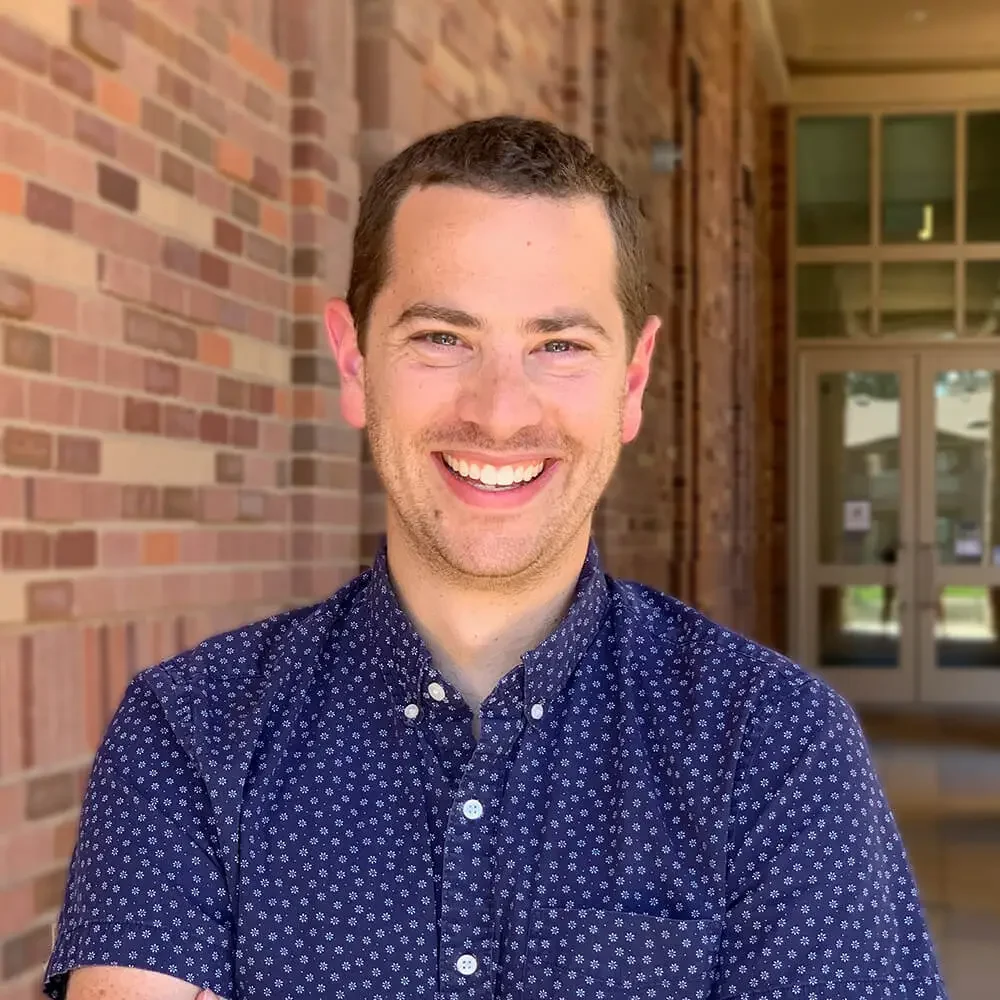
The Cancer Research Institute’s STAR (Science & Technology Accelerating Research) program is specifically designed to support visionary scientists like Dr. Whiteley who dare to ask unconventional questions and explore uncharted territories in immunotherapy. Unlike traditional funding mechanisms, which often mandate narrowly defined milestones and incremental progress, the STAR program provides flexible, unrestricted funding. This unique approach empowers investigators to pursue "high-risk, high-reward" ideas that might otherwise struggle to secure support, fostering an environment where truly transformative discoveries can emerge.
Dr. Whiteley articulated the profound impact of this freedom, stating, "When you’re constantly focused on how do I get a little bit more data to get the next grant, especially when those grants are coming from the National Institutes of Health, they are a little bit more risk-averse. You can’t do the pie-in-the-sky paradigm-shifting experiments. This grant will enable us to push the limits, as it’s high risk, high reward. It is game-changing for my research program." This sentiment was echoed by Dr. Edward Chuong, a 2025 STAR recipient also from the University of Colorado Boulder, who noted, "The STAR award has inspired our lab to go all in on our ideas. The unrestricted support has allowed us to chase high-risk leads and provides an incredible chance to take big risks that have a chance of improving cancer immunotherapy." Such testimonials underscore the critical role of philanthropic organizations like CRI in bridging funding gaps for truly innovative, foundational research.
With the recently awarded CRI STAR funding, Dr. Whiteley and his team will intensify their focus on newly discovered bacterial enzymes that possess the remarkable ability to activate this critical, evolutionarily conserved immune pathway. The long-term objective is to translate this ancient communication between bacteria and human cells, effectively creating a "Rosetta Stone" for bacteria-immune interactions. This ambitious project aims to decode the signals that microbes send to our immune system, thereby enabling scientists to harness these interactions therapeutically.
Implications: Customized Probiotics and a New Era of Immunotherapy
The potential implications of Dr. Whiteley’s research are vast and far-reaching, particularly for cancer immunotherapy. The ability to understand and manipulate the communication between bacteria and human immune cells could pave the way for designing customized probiotics. These "designer microbes" would not merely aid digestion but would be engineered to specifically boost anti-cancer immunity. Imagine a probiotic tailored to an individual patient, administered alongside conventional immunotherapies, to significantly amplify the body’s natural defenses against cancer and improve treatment outcomes.
Immunotherapy has revolutionized cancer treatment over the past decade, offering hope to patients with previously untreatable cancers. Approaches like CAR T-cell therapy, checkpoint inhibitors, and oncolytic viruses have demonstrated remarkable success by harnessing the body’s own immune system to fight cancer. However, not all patients respond equally, and resistance mechanisms remain a significant challenge. Dr. Whiteley’s work offers a promising avenue to overcome these limitations by integrating the power of the microbiome into therapeutic strategies. By leveraging the ancient wisdom encoded in bacterial signaling pathways, his research could unlock new ways to prime the immune system, making it more receptive and effective against tumors.
This novel approach aligns with the growing recognition of the gut microbiome’s profound influence on health and disease, including cancer progression and response to therapy. The intricate ecosystem of bacteria residing within us plays a critical role in modulating immune function, nutrient metabolism, and even the efficacy of various medications. Dr. Whiteley’s research aims to move beyond broad-spectrum microbial interventions to highly specific, targeted manipulations based on a deep understanding of molecular interactions. This could lead to a new generation of "immunobiotics" – probiotics specifically designed to enhance immune function in the context of cancer.
Fostering Future Innovators: Beyond the Bench
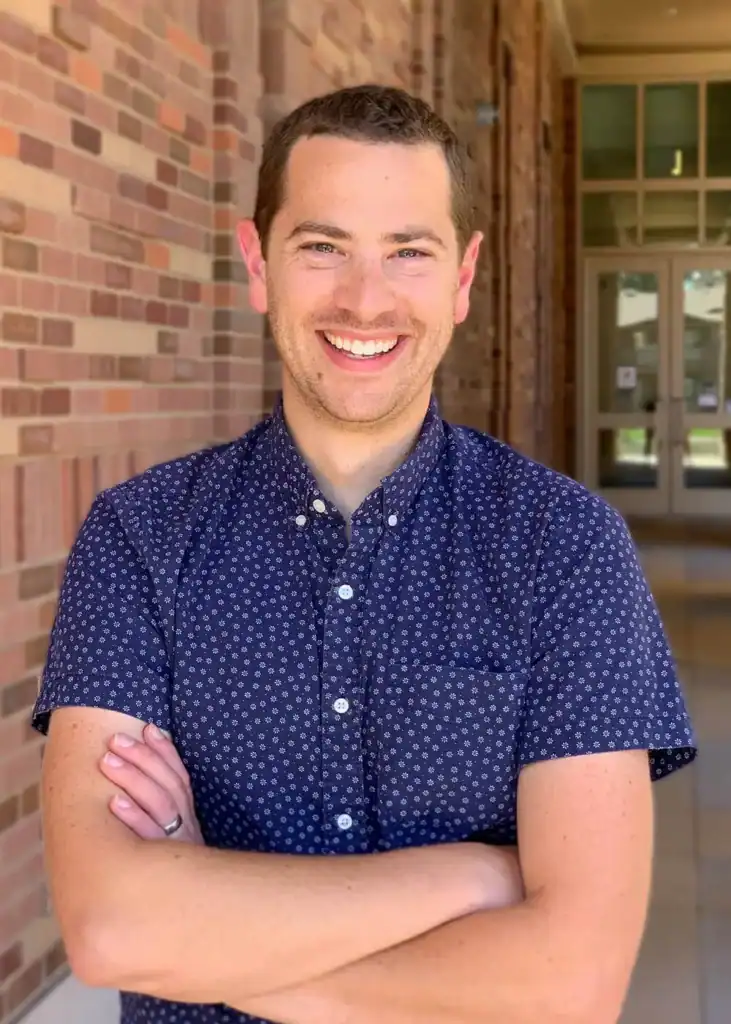
Dr. Whiteley’s commitment to advancing science extends beyond his own laboratory discoveries. A recipient of multiple graduate mentoring awards, he is equally passionate about nurturing the next generation of scientific leaders and encouraging them to pursue ambitious, potentially paradigm-shifting ideas. He reflects on the incredible progress made in cancer treatment, noting, "If we look back at history, even 100 years ago at how bleak treating a disease like cancer was, and now I overhear patients in line at the supermarket saying they had gotten CAR T cell therapy, and I thought, could you imagine explaining that to someone from 100 years ago, even from 25 years ago? But that only happens if there’s another generation to keep moving the needle, keep pushing the envelope."
This philosophy underscores the importance of investing not only in groundbreaking research but also in the minds that will carry that research forward. Mentorship in science is crucial for instilling the courage to take risks, think creatively, and persevere through challenges inherent in discovery. By fostering an environment where young scientists feel empowered to explore "pie-in-the-sky" concepts, Dr. Whiteley contributes to a scientific ecosystem that values bold inquiry and transformative potential.
The CRI’s Vision and the Future of Immunotherapy
The Cancer Research Institute’s investment in Dr. Whiteley’s vision exemplifies its strategic commitment to funding the most innovative and impactful immunotherapy research worldwide. From uncovering the ancient origins of our immune system to imagining entirely new ways to harness it against cancer, Dr. Whiteley embodies the bold thinking that the STAR program was specifically created to support. CRI’s dedication to flexible, investigator-driven funding ensures that promising, albeit unconventional, research avenues receive the necessary resources to flourish.
The discoveries anticipated from Dr. Whiteley’s lab could redefine our understanding of the fundamental relationship between microbes, immunity, and cancer. As the scientific community continues to unravel the complexities of the human body and its interactions with the environment, the microbial world emerges as an increasingly vital player. Dr. Whiteley’s work represents a pivotal step in translating this knowledge into tangible therapeutic benefits, potentially ushering in a new era of highly personalized and effective cancer immunotherapies driven by the insights gleaned from life’s earliest forms. His research not only pushes the boundaries of scientific knowledge but also holds profound promise for improving the lives of countless cancer patients globally.
