
 By Suherman Candra Maholtra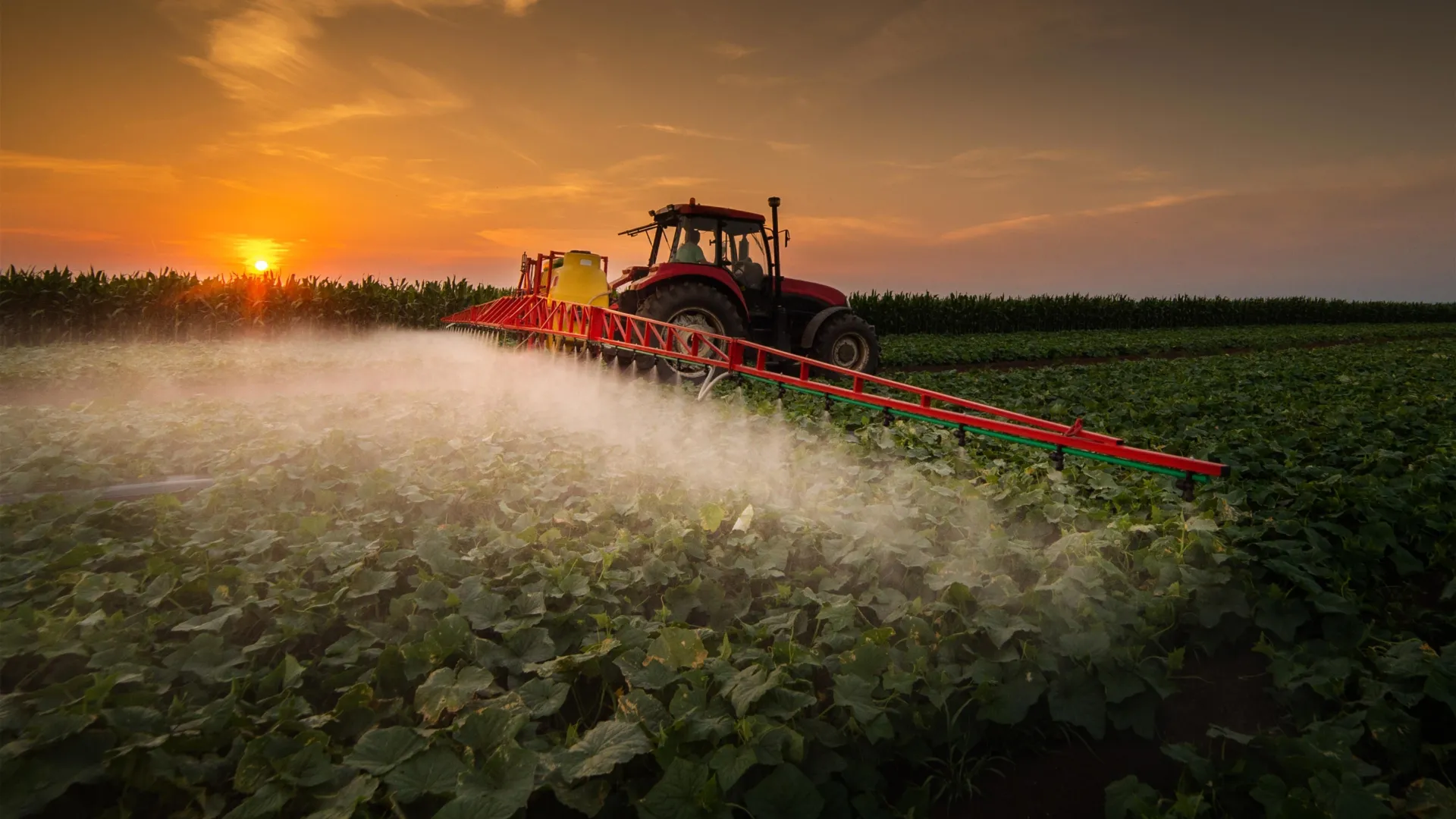
Recent longitudinal research led by the Penn State Cancer Institute has identified a significant correlation between agricultural environments and the incidence of melanoma, the most lethal form of skin cancer. The study, published on November 14 in the journal JCO Clinical Cancer Informatics, reveals that residents of South Central Pennsylvania living in proximity to cultivated cropland face a substantially higher risk of diagnosis than those in other regions of the state. By analyzing cancer registry data spanning a five-year period from 2017 through 2021, researchers discovered that adults over the age of 50 in a specific 15-county corridor were 57% more likely to develop melanoma compared to the rest of the Pennsylvania population.
This finding challenges the traditional public health narrative that primarily associates melanoma with recreational sun exposure and coastal environments. Instead, the data suggests that environmental factors inherent to large-scale farming—specifically the prevalence of cultivated land and the application of herbicides—may serve as significant, non-traditional risk factors. The research team emphasized that this risk is not confined to the occupational hazards faced by farmers but extends to entire communities situated near agricultural operations.
Statistical Correlation and Geographic Distribution
The study focused on a 15-county region in South Central Pennsylvania, an area characterized by a high density of "Dutch Country" farmland and intensive cultivation of crops such as corn, soybeans, and various grains. According to the data, the elevated rates of melanoma were consistent across both rural and urbanized counties within this cluster, suggesting that the risk factor is regional rather than strictly localized to individual farms.
To ensure the accuracy of their findings, the Penn State team employed a rigorous statistical model that accounted for the "usual suspect" in skin cancer cases: ultraviolet (UV) radiation. Even after adjusting for varying UV levels across the Commonwealth and controlling for socioeconomic factors—such as income levels and access to healthcare—two variables remained stubbornly linked to higher cancer rates.
First, the researchers found that for every 10% increase in the amount of cultivated land within a county, there was a corresponding 14% increase in melanoma incidence. Second, the use of herbicides showed an almost identical pattern; a 9% increase in land treated with herbicides was associated with a 13% rise in melanoma diagnoses. These figures suggest a dose-response relationship between agricultural intensity and skin cancer risk that warrants immediate attention from public health officials.
The Biological Mechanism: Herbicides and Photosensitivity
While the study establishes a strong association rather than a direct causal link, the research team provided several biological hypotheses for why agricultural chemicals might contribute to skin cancer. Eugene Lengerich, emeritus professor of public health sciences at Penn State and the study’s senior author, noted that pesticides and herbicides are fundamentally designed to disrupt biological systems.
"Pesticides and herbicides are designed to alter biological systems," Lengerich stated. "Some of those same mechanisms, like increasing photosensitivity or causing oxidative stress, could theoretically contribute to melanoma development."
Photosensitivity is a condition in which the skin becomes abnormally sensitive to UV radiation, often as a side effect of chemical exposure. If certain herbicides act as photosensitizers, individuals living in treated areas might experience DNA damage from sunlight at much lower exposure thresholds than those in non-agricultural areas. Furthermore, oxidative stress—a process where unstable molecules called free radicals damage cells—is a known precursor to many forms of cancer, including melanoma. The study also referenced prior animal and plant-based research indicating that agricultural chemicals can interfere with immune responses and directly damage DNA, further complicating the risk profile for human populations.
Community-Wide Exposure and the Phenomenon of Chemical Drift
One of the most significant takeaways from the Penn State research is the implication that melanoma risk extends far beyond those who work directly with agricultural chemicals. Charlene Lam, associate professor of dermatology at Penn State Health and co-author of the study, explained that environmental exposure pathways allow these substances to permeate the broader community.
"Our findings suggest that melanoma risk could extend beyond occupational settings to entire communities," Lam said. "This is relevant for people living near farmland. You don’t have to be a farmer to face environmental exposure."
Agricultural chemicals do not remain stationary upon application. Through a process known as "pesticide drift," chemicals can be carried by air currents into residential neighborhoods, settling in household dust or infiltrating local water sources through runoff. In South Central Pennsylvania, where residential developments often sit directly adjacent to large corn and soybean fields, the potential for chronic, low-level exposure is high. This environmental saturation means that residents who spend time in their backyards, go for walks, or simply breathe the air in their communities may be unknowingly interacting with substances that heighten their vulnerability to skin cancer.
Chronology of the Research and Historical Context
The study represents a culmination of years of data collection and a growing interest in the environmental determinants of health in Pennsylvania.
- 2017–2021: The primary window for the cancer registry data analyzed in the study. During this time, Pennsylvania maintained a robust database of cancer diagnoses, allowing researchers to map incidence rates with high geographic precision.
- Early 2020s: Preliminary observations by dermatologists in South Central Pennsylvania noted anecdotally high rates of melanoma among patients who did not fit the typical profile of "sun-seekers" or frequent travelers to tropical climates.
- November 14, 2024: The formal publication of the findings in JCO Clinical Cancer Informatics, marking a pivotal moment in the state’s understanding of agricultural health risks.
The Pennsylvania findings do not exist in a vacuum. Similar trends have been observed in other major agricultural hubs globally. Previous studies conducted in the farming regions of Utah, as well as in Poland and Italy, have also identified higher melanoma rates in areas with intensive pesticide and herbicide use. The consistency of these findings across different climates and agricultural systems strengthens the argument that the chemical environment plays a critical role in skin cancer pathology.
Expert Perspectives and the "One Health" Approach
The research team has been careful to frame these findings as a "signal" for further investigation rather than a definitive verdict against specific farming practices. Benjamin Marks, the study’s first author and a medical student at the Penn State College of Medicine, emphasized the complexity of cancer development.
"Think of this as a signal, not a verdict," Marks said. "The data suggest that areas with more cultivated land and herbicide use tend to have higher melanoma rates, but many other factors could be at play like genetics, behavior or access to health care."
Despite these caveats, the study advocates for a "One Health" approach to public health and environmental policy. This framework recognizes that the health of humans is inextricably linked to the health of animals and the environment. Eugene Lengerich noted that if agricultural practices are indeed contributing to cancer risk, the solution cannot be found in the doctor’s office alone.
"Cancer prevention can’t happen in isolation," Lengerich explained. "If herbicides and farming practices are contributing to melanoma risk, then solutions must involve not just doctors, but farmers, environmental scientists, policymakers and communities working together."
Implications for Public Health and Future Research
The implications of the Penn State study are far-reaching, potentially necessitating a shift in how skin cancer screenings and environmental regulations are managed in Pennsylvania. For residents of the affected 15 counties, the research underscores the importance of proactive health measures. Dr. Charlene Lam encouraged residents to perform routine skin checks and utilize sun-protective clothing and sunscreen, regardless of whether they consider themselves "outdoorsy."
The next phase of research is already underway. Dr. Lam is leading a series of studies within rural communities in the South Central region to better understand specific farming practices and identify the most common exposure pathways. This future work will aim to pinpoint which specific chemicals—out of the hundreds of herbicides used in modern agriculture—pose the greatest risk, and whether seasonal application patterns correlate with spikes in diagnosis.
For policymakers, the study raises difficult questions regarding land use and chemical regulation. Pennsylvania is one of the nation’s leading agricultural producers, and the economic vitality of the South Central region is deeply tied to its cropland. However, the 57% increase in melanoma risk suggests that the environmental cost of current practices may be higher than previously understood.
As the scientific community continues to peel back the layers of environmental oncology, the Penn State study stands as a critical reminder that the air we breathe and the land we live near are just as vital to our health as the lifestyle choices we make. The findings serve as a call to action for more integrated research into how the tools of modern agriculture interact with the biology of the human body, ensuring that the bounty of the fields does not come at the expense of community well-being.
