
 By admin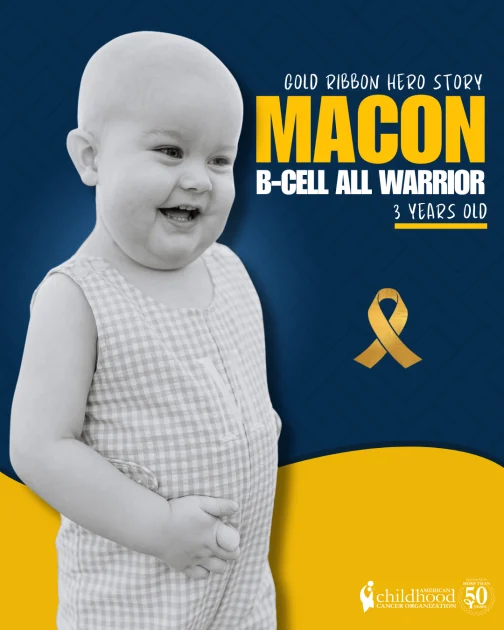
The Clinical Discovery and Immediate Intervention
The diagnosis of pediatric leukemia often arrives with little to no warning, a fact underscored by Macon’s presentation at his two-year checkup. According to his mother, Madeline, the toddler exhibited no outward symptoms of illness and appeared to be a perfectly healthy, active child. This "silent" onset is not uncommon in pediatric oncology, where the early stages of bone marrow dysfunction may not manifest in obvious physical lethargy or visible distress until the malignancy has progressed significantly.
Upon arrival at the emergency department, Macon underwent extensive diagnostic testing, including advanced blood panels and imaging. Within hours, the family was informed that Macon had leukemia. The speed of the diagnosis—moving from a neighborhood pediatrician’s office to a specialized oncology unit in a single afternoon—highlights the aggressive nature of B-ALL and the necessity of rapid intervention. "In a matter of hours, our entire lives changed," Madeline recalled. "We went in expecting a normal well visit and left facing a life-changing diagnosis. It felt unreal."
Understanding B-Cell Acute Lymphoblastic Leukemia (B-ALL)
B-Cell Acute Lymphoblastic Leukemia is a type of cancer in which the bone marrow makes too many immature lymphocytes, a type of white blood cell. It is the most common form of childhood cancer, accounting for approximately 75% to 80% of all childhood leukemia cases. In a healthy body, these B-cells develop into mature cells that help the immune system fight infections. In a patient with B-ALL, however, these cells remain in an immature state (blasts) and multiply rapidly, eventually crowding out healthy red blood cells, white blood cells, and platelets.
The prognosis for B-ALL has improved significantly over the last several decades due to advancements in risk-stratified therapy. Current five-year survival rates for children with ALL are now estimated to be around 90%. However, achieving these outcomes requires an intensive, long-term treatment protocol that typically spans two to three years, involving multiple phases of chemotherapy and prophylactic treatments to prevent the spread of the disease to the central nervous system.
A Chronology of Treatment and Complications
Macon’s medical journey began immediately following his diagnosis, characterized by a series of invasive procedures designed to stabilize his condition and begin the eradication of malignant cells. One of the primary components of his treatment was the surgical placement of a chemo-port, a device implanted under the skin to allow medical teams to administer chemotherapy and draw blood without repeated needle sticks.
However, the path to recovery was complicated by secondary health challenges. Macon suffered a serious staph infection in his bloodstream, a common but dangerous risk for pediatric oncology patients whose immune systems are compromised by both the cancer and the chemotherapy. This infection necessitated the removal and subsequent replacement of his port, doubling the surgical burden on the two-year-old.
Over the first year of his treatment, Macon’s regimen included:
- Multiple Lumbar Punctures: Also known as spinal taps, these procedures are used to check for the presence of leukemia cells in the cerebrospinal fluid and to administer "intrathecal" chemotherapy directly into the spinal canal.
- Bone Marrow Biopsies: Frequent extractions of bone marrow tissue were required to monitor the percentage of leukemia cells remaining in his system and to determine the effectiveness of the current chemotherapy dosage.
- Intensive Chemotherapy: A rotation of various cytotoxic drugs designed to target rapidly dividing cancer cells.
Currently, Macon is required to undergo a lumbar puncture every six weeks, a grueling schedule that serves as a constant reminder of the vigilance required to maintain remission.
The Long-Term Maintenance Phase
As of early 2024, Macon has successfully completed his first year of treatment. He has transitioned into what is often referred to as the "maintenance phase" of therapy. While this phase is generally less intensive than the initial "induction" and "consolidation" phases, it remains a rigorous period of long-term chemotherapy designed to eliminate any residual microscopic cancer cells that could cause a relapse.
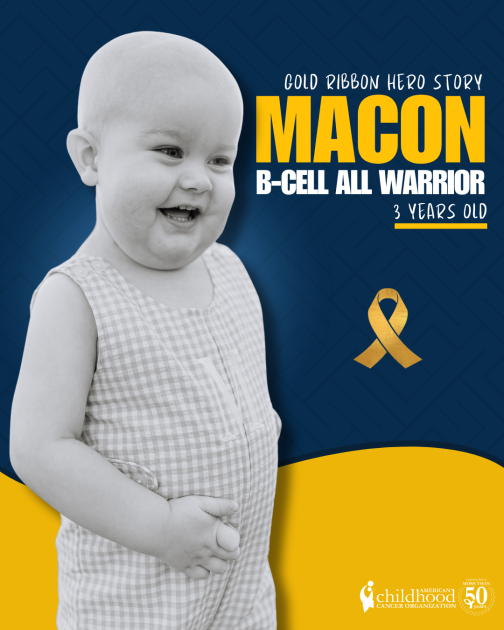
Madeline reports that Macon has handled the chemotherapy with remarkable resilience. "His weekly blood work continues to show no circulating leukemia cells and his treatment is working as expected," she stated. Despite the physical toll of the medication, Macon remains a playful child who enjoys outdoor activities, riding toys, and spending time with his sister. This ability to maintain a semblance of normal childhood development is a key goal of modern pediatric oncology, which seeks to balance aggressive life-saving treatment with the patient’s quality of life.
Macon’s treatment plan is scheduled to continue through the spring of 2027. If he continues to meet his clinical milestones, he is expected to "ring the bell"—a ceremonial tradition in oncology wards marking the end of active treatment—in May 2027.
Statistical Context and the Impact on Pediatric Healthcare
Macon’s story is a localized example of a broader national health issue. According to the National Cancer Institute (NCI), approximately 15,000 children and adolescents in the United States are diagnosed with cancer each year. Leukemia remains the leading diagnosis among this demographic.
While the survival rates for B-ALL are high, the long-term effects of the treatment itself are a subject of ongoing clinical study. Survivors of childhood leukemia often face "late effects," which can include cardiovascular issues, secondary malignancies, and cognitive or developmental delays resulting from the toxicity of chemotherapy during critical growth periods. This reality necessitates not only immediate curative care but also lifelong medical surveillance.
The financial and emotional burden on families is equally significant. A diagnosis of childhood cancer often requires one parent to leave the workforce to manage the child’s complex medical schedule, while the family navigates the high costs of specialized care, travel to oncology centers, and the management of secondary infections. Organizations like the American Childhood Cancer Organization (ACCO) emphasize that "kids can’t fight cancer alone," highlighting the need for robust community and systemic support for families navigating these multi-year treatment plans.
Broader Implications and Official Perspectives
The success of Macon’s first year of treatment is a testament to the efficacy of current pediatric oncology protocols, yet experts in the field argue that more work is needed. Advocacy groups frequently point out that only a small fraction of federal cancer research funding is dedicated specifically to pediatric cancers. Most drugs used in pediatric oncology were originally developed for adults, leading to a push for more "age-appropriate" therapies that minimize long-term toxicity.
Macon’s case also highlights the critical importance of the "well-child" visit. Without the routine two-year checkup and the alertness of his pediatrician, Macon’s leukemia might have gone undetected until he reached a much more critical and symptomatic stage, potentially complicating his prognosis.
The medical community continues to monitor cases like Macon’s to refine treatment durations. While 2.5 to 3 years is the current standard for B-ALL, ongoing clinical trials are investigating whether certain "low-risk" patients can safely undergo shorter treatment durations, thereby reducing the risk of long-term side effects.
Conclusion: The Road to 2027
As Macon enters the next phase of his journey, his story serves as a reminder of both the fragility and the resilience of pediatric patients. His progress over the last twelve months has been positive, with clinical data supporting a favorable outlook. However, the road to May 2027 remains long, requiring continued chemotherapy, regular invasive monitoring, and the constant vigilance of his medical team and family.
The "warrior" moniker often given to children like Macon reflects the grueling nature of the treatment they endure—a regimen that would challenge the stamina of an adult, let alone a toddler. As research continues and treatment protocols evolve, the hope for Macon and thousands of children like him is a future where "ringing the bell" is not just a milestone, but a permanent gateway to a life free from the shadow of malignancy. For now, Macon remains in active treatment, a playful three-year-old whose life was saved by a routine finger prick and the rapid response of a modern medical system.
