
 By admin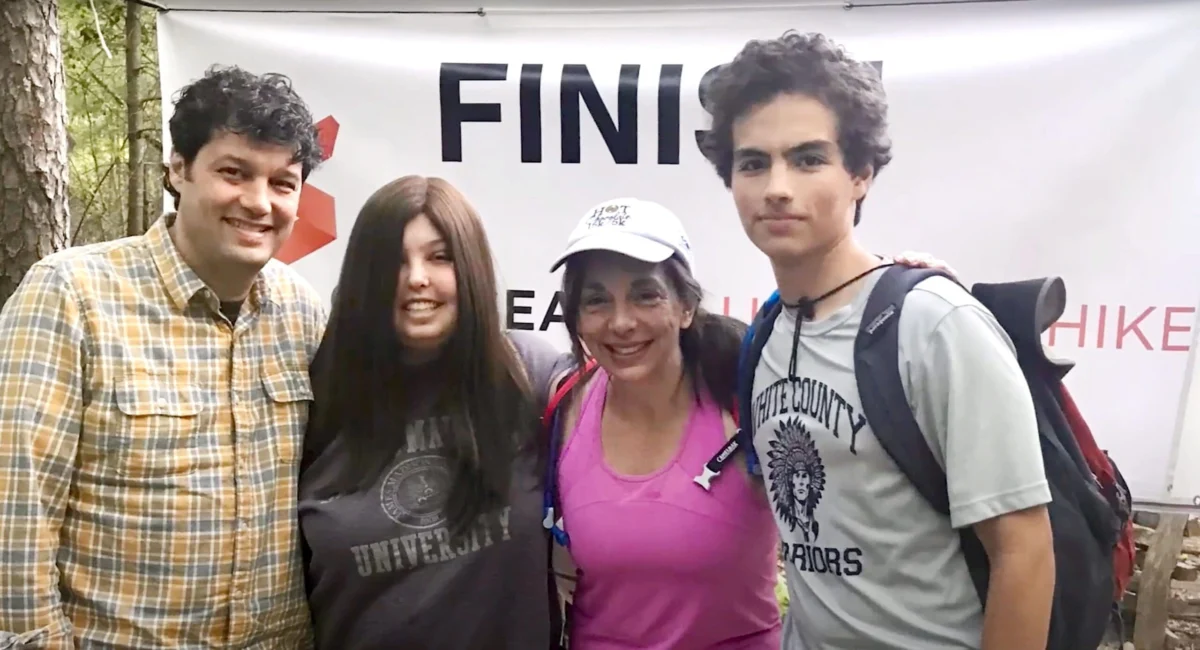
The CureSearch Ultimate Hike has emerged as a cornerstone of the pediatric oncology fundraising landscape, bridging the gap between grueling physical endurance and the urgent need for innovative medical research. For over a decade, this initiative has challenged participants to traverse rugged terrains across the United States, utilizing the "heart of a lion" as a metaphor for both the stamina required on the trail and the resilience exhibited by children battling terminal illnesses. As the only national hiking program dedicated to ending childhood cancer, the Ultimate Hike serves as a critical financial engine for CureSearch for Children’s Cancer, an organization focused on accelerating the development of new, less toxic treatments for the youngest of patients.
The Evolution of the Ultimate Hike and CureSearch’s Mission
CureSearch for Children’s Cancer began with a vision to address a glaring disparity in the medical field: the lack of specialized research and funding for pediatric-specific oncology. While adult cancer research receives significant federal and private investment, pediatric cancer research often faces a "funding gap." This gap exists because childhood cancers are biologically distinct from adult cancers, yet they represent a smaller market for pharmaceutical companies.
To combat this, CureSearch established the Ultimate Hike as a signature event to mobilize grassroots support. What began as a singular trek has expanded into a multi-regional series of events, typically involving a 28.3-mile journey completed in a single day. The choice of distance is intentional, mirroring the long and arduous journey that families undertake from diagnosis through treatment. The program’s logo—a heart containing a map—symbolizes the emotional and physical navigation required of those within the cancer community.
The Statistical Reality of Childhood Cancer in the United States
The urgency behind the Ultimate Hike is underscored by sobering data from the National Cancer Institute (NCI) and the American Cancer Society. Every year, approximately 15,000 children and adolescents in the United States are diagnosed with cancer. While survival rates have improved significantly over the last 50 years, cancer remains the leading cause of death by disease for children past infancy.
Furthermore, survivors often face lifelong health challenges. According to CureSearch data, more than 60% of childhood cancer survivors suffer from at least one chronic health condition as a result of the toxic treatments they received during their formative years. These "late effects" can include heart disease, secondary cancers, and cognitive impairments. The Ultimate Hike specifically funds research aimed at "zero toxicities," seeking treatments that kill cancer cells without damaging the developing bodies of children.
The Logistics of the Trail: A Test of Physical and Mental Fortitude
Participating in an Ultimate Hike is a months-long commitment that extends far beyond the day of the event. Hikers undergo a rigorous 12-to-16-week training program, designed to prepare them for the elevation changes and technical terrain of trails such as the Foothills Trail in the Carolinas, the Superior Hiking Trail in Minnesota, or the Ozark Highlands Trail in Arkansas.
The program is structured to accommodate both seasoned hikers and novices, providing them with professional coaching and a community of peers. Each participant is also tasked with a significant fundraising goal, often ranging from $2,500 to $4,000. These funds are directed toward the CureSearch Acceleration Initiative, which targets the "valley of death" in drug development—the phase where promising laboratory discoveries often stall due to a lack of funding for clinical trials.
Personal Resilience: The Case of Terri Cohen and the Legacy of Leah
The emotional core of the Ultimate Hike is found in the stories of the participants, many of whom hike in honor or in memory of a child. Terri Cohen, a long-time supporter and hiker, exemplifies the profound personal connection that drives the program’s success. Cohen began her journey with the Ultimate Hike while her daughter, Leah, was in the final stages of her battle with cancer.
"The first time I did this hike was when Leah was toward the end of her battle," Cohen recalled. "My son and I signed up to take the hike and at that time she was doing pretty well, so she met us at the finish line. It’s a moment that I will forever hold in my heart."
Leah’s presence at the finish line serves as a poignant reminder of the mission’s objective: to give children more moments, more milestones, and a future free from the constraints of a hospital ward. For parents like Cohen, the physical pain of a 28-mile hike is a tangible way to process grief and channel it into a constructive force for future generations.
Chronology of Impact: From the Trail to the Laboratory
The timeline of the Ultimate Hike’s impact can be traced from the initial registration to the eventual publication of clinical trial results.
- Registration and Training (Months 1-4): Participants build a community, sharing stories of faith, hope, and love. This phase raises awareness within local communities as hikers solicit donations and explain the cause.
- The Hike Event (The "Ultimate" Day): Hikers spend 10 to 14 hours on the trail. This event serves as a high-visibility platform for the cause, often generating local media coverage and social media engagement.
- Fund Disbursement (Post-Event): Once fundraising targets are met, CureSearch’s Scientific Advisory Board reviews grant applications. Funds are directed toward high-impact projects, such as the Young Investigator program, which supports promising researchers early in their careers.
- Research Milestones (Years 1-5): The funding provided by hikers contributes to breakthroughs in immunotherapy, genomic sequencing, and targeted delivery systems. These advancements are critical for treating rare pediatric cancers that have historically low survival rates.
Broader Implications for Pediatric Oncology Research
The success of the Ultimate Hike has broader implications for how medical research is funded in the 21st century. As federal grants become increasingly competitive, non-profit organizations must find creative ways to engage the public. The "endurance fundraising" model used by CureSearch leverages the growing popularity of outdoor recreation and trail running to create a sustainable revenue stream.
Industry analysts suggest that this model is particularly effective because it fosters a deep, long-term psychological connection between the donor and the cause. Unlike a simple online donation, the act of training for and completing a 28-mile hike creates a "shared struggle" that mirrors the patient experience. This leads to higher retention rates among donors and a more resilient fundraising base.
Moreover, the emphasis on "less toxic treatments" is influencing the broader pharmaceutical industry. By funding early-stage trials that prioritize long-term quality of life, CureSearch is helping to shift the standard of care toward a more holistic approach to pediatric medicine.
Statements from the Community and Clinical Experts
While the hikers provide the muscle, clinical experts provide the direction. Dr. Wayne Furman, a renowned pediatric oncologist, has previously noted that the support from organizations like CureSearch is "absolutely vital" for moving new drugs into the clinic. Without this private funding, many therapies that are now saving lives would never have made it past the initial laboratory phase.
Supporters often cite the "shared mission" as the primary reason for their involvement. The sense of adrenaline mentioned by participants is not just a result of physical exertion, but the realization that each step taken on a rugged trail translates into a dollar spent on a microscope or a clinical trial participant’s medication.
Conclusion: The Path Toward a Future Free of Childhood Cancer
The CureSearch Ultimate Hike stands as a testament to what can be achieved when physical challenge meets a singular, compassionate goal. By carrying the "hearts of children" onto the trail, hikers do more than just complete a trek; they act as a bridge between a devastating diagnosis and a potential cure.
As the program continues to grow, its focus remains steadfast on the children who cannot yet hike these trails themselves. The rugged terrain of the Appalachian or the Ozarks serves as a training ground for a much larger battle—one fought in laboratories and hospitals around the world. Through the continued dedication of hikers, donors, and researchers, the "universal symbol of love" is being transformed into the universal reality of a cure.
For those interested in contributing to this mission or taking on the challenge of the trail, CureSearch offers various regional hikes throughout the year, each designed to accelerate the pace of ending childhood cancer. The journey continues, one step, one heart, and one hike at a time.
