
 By admin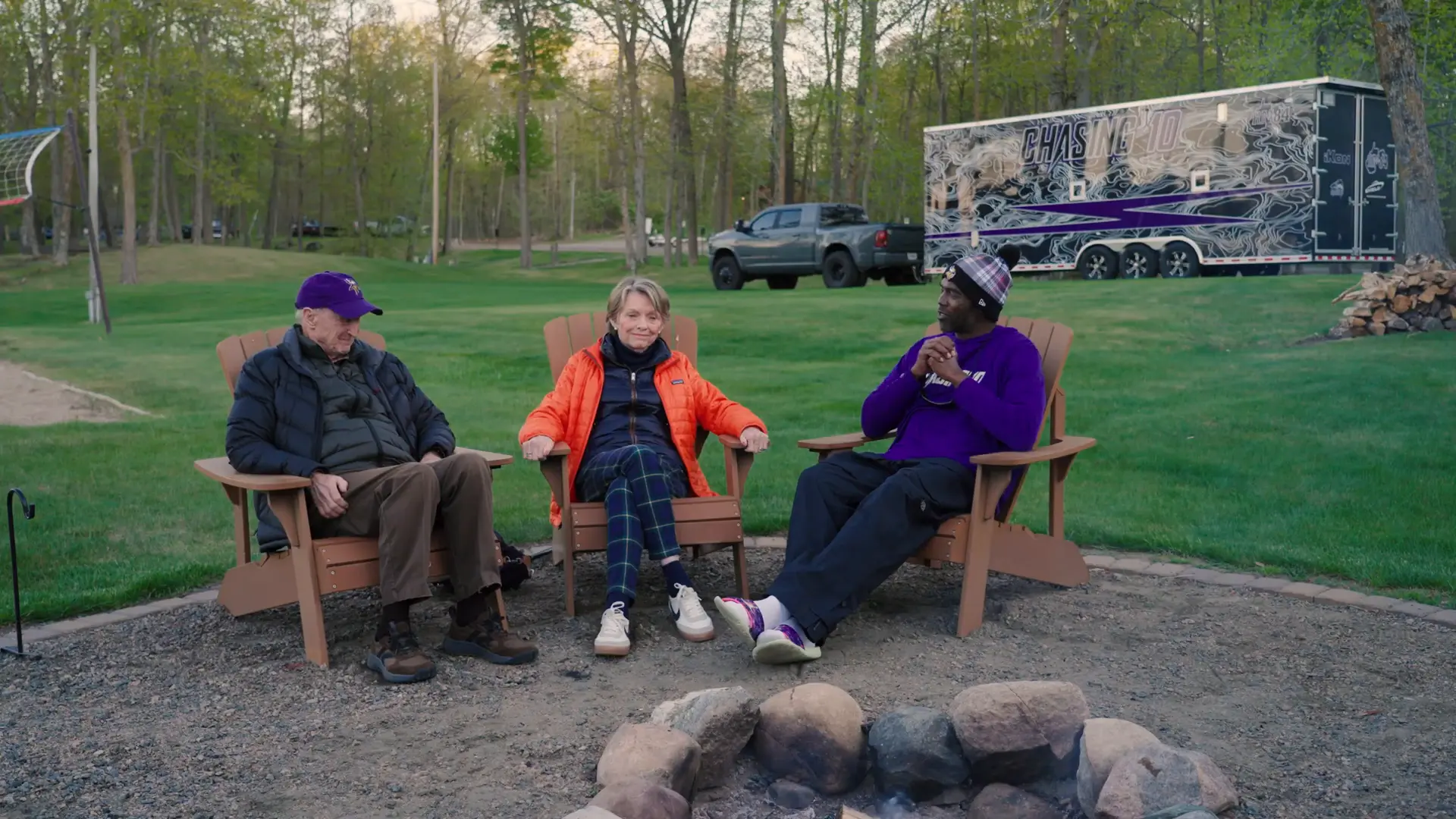
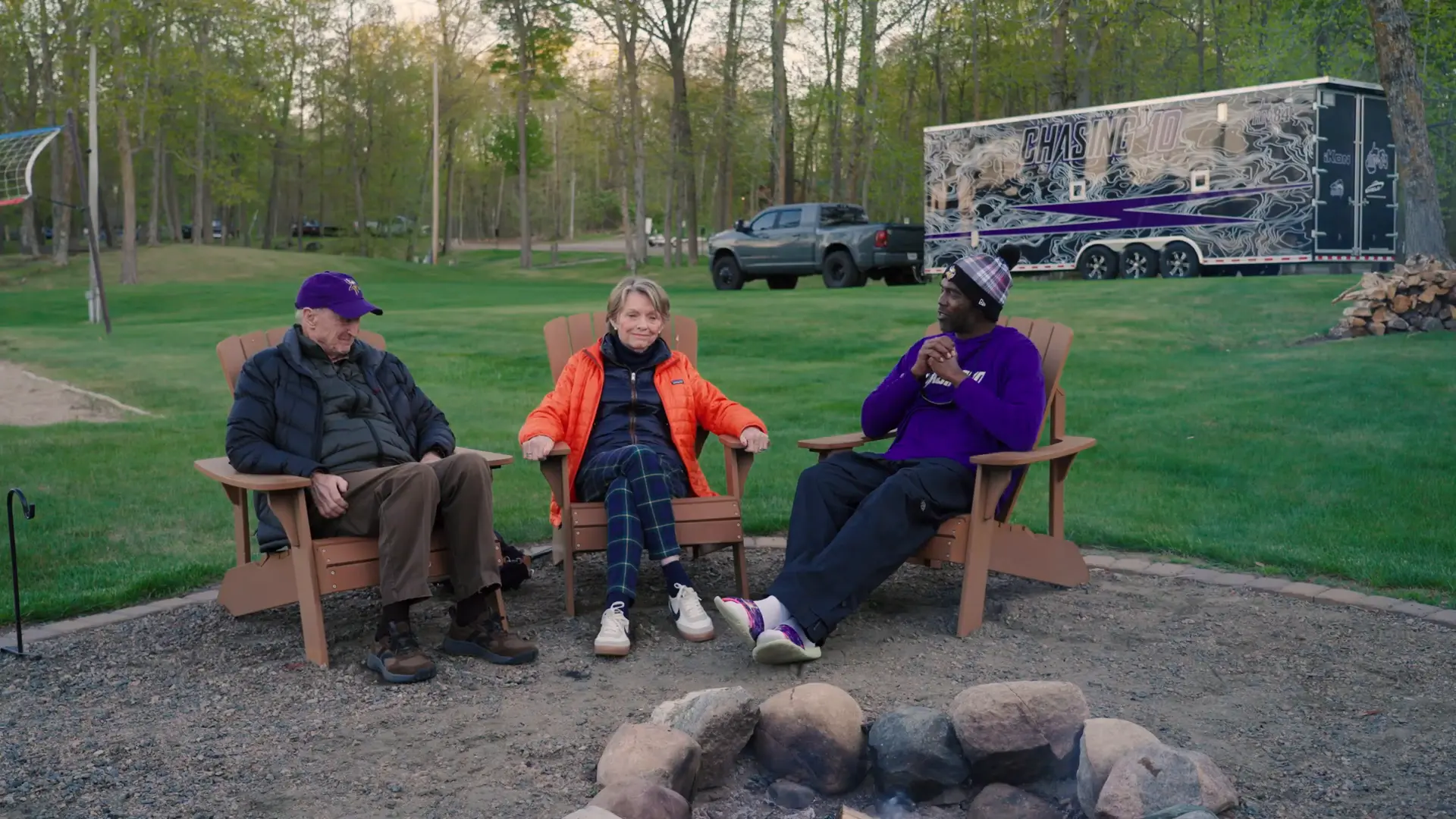
The landscape of American pediatric oncology was forever altered by a singular act of altruism from a thirteen-year-old girl in 1979, a story that recently gained renewed national attention through the involvement of Pro Football Hall of Famer Randy Moss. During a recent episode of "Chasing10," a digital series produced by the Children’s Cancer Research Fund (CCRF), Moss met with Diana Hageboeck to trace the origins of an organization that has grown from a grassroots memorial fund into a primary driver of innovative cancer treatments. The meeting highlighted the profound historical connection between a modest $141 donation—originally intended for a red ten-speed bicycle—and the hundreds of millions of dollars subsequently raised to combat childhood malignancies.
The Genesis of a Movement: The 1979 Diagnosis
The narrative of the Children’s Cancer Research Fund is inextricably linked to the personal tragedy and subsequent resolve of the Hageboeck family. In 1979, Katie Hageboeck was diagnosed with leukemia, a diagnosis that, at the time, carried significantly grimmer prognoses than it does in the modern era. Upon her admission to the University of Minnesota, medical professionals noted that Katie presented with one of the highest white blood cell counts ever recorded at the institution, signaling an aggressive and advanced stage of the disease.
During her hospitalization, Katie became acutely aware of the systemic lack of resources dedicated specifically to pediatric cancer research. In a gesture that has since become legendary within the philanthropic community, she requested that the money she had meticulously saved for a new bicycle be donated to a fund to help other children facing similar battles. This $141 gift served as the seed capital for what would eventually become the Children’s Cancer Research Fund. Following Katie’s passing, her parents, Diana and the late Bill Hageboeck, transformed their grief into a formal mission, establishing the CCRF to ensure that Katie’s vision of a world without childhood cancer could be pursued through rigorous scientific inquiry.
Chronology of Growth: From Local Initiative to National Leader
The evolution of the CCRF reflects the broader history of advancements in pediatric hematology and oncology over the last four decades.
- 1979–1981: The Foundation Period. Following Katie’s death, the Hageboeck family and a small group of supporters began organizing local fundraisers in Minnesota. The focus was initially on supporting the University of Minnesota’s Department of Pediatrics.
- 1980s: Institutional Partnership. The fund established a permanent relationship with the University of Minnesota, a site known for pioneering the world’s first successful human bone marrow transplant in 1968. This partnership allowed the CCRF to fund high-risk, high-reward pilot studies that federal agencies were often hesitant to finance.
- 1990s–2000s: National Expansion. The CCRF transitioned from a local charity to a national non-profit organization. It began funding a wider array of research across the United States, focusing on rare childhood cancers that received little attention from the pharmaceutical industry.
- 2010s–Present: Diversification of Support. The organization expanded its mandate beyond bench research to include quality-of-life programs, survivorship clinics, and financial advocacy for families burdened by the costs of long-term cancer care.
Randy Moss and the Chasing10 Initiative
The involvement of Randy Moss marks a significant chapter in the CCRF’s efforts to engage a broader demographic of donors and advocates. Moss, whose legendary NFL career was defined by speed and record-breaking performance, has pivoted his platform toward the "Chasing10" initiative. The name "Chasing10" serves a dual purpose: it references Moss’s iconic jersey number while symbolizing the urgency of the race toward a cure.
During his conversation with Diana Hageboeck, Moss expressed a deep personal resonance with Katie’s story, noting that the courage of a child to sacrifice her own dream for the benefit of others is a rare form of leadership. "We’re not just chasing 10. We are chasing a cure. I’m part of this team now," Moss stated, signaling a long-term commitment to the cause. This partnership exemplifies the "force multiplier" effect in philanthropy, where the visibility of a sports icon amplifies the historical narrative of the foundation, reaching new audiences who may not be aware of the specific challenges facing pediatric oncology.
Supporting Data: The Funding Gap in Pediatric Oncology
The necessity of organizations like the CCRF is underscored by stark disparities in medical research funding. According to data from the National Cancer Institute (NCI), only approximately 4% of federal cancer research funding is dedicated specifically to pediatric cancers. The vast majority of oncological research is directed toward adult cancers, such as lung, breast, and prostate cancer, which have larger patient populations.
This funding gap creates a reliance on private philanthropy to drive innovation. Since its inception, the CCRF has contributed over $500 million to research and family support programs. These funds are critical because childhood cancers are biologically distinct from adult cancers; they are often the result of DNA changes that happen early in life, rather than lifestyle or environmental factors. Consequently, treatments developed for adults are often ineffective or overly toxic for developing children.
Research funded by the CCRF has contributed to significant milestones, including:
- Improved Survival Rates: In the mid-1970s, the five-year survival rate for childhood cancer was roughly 58%. Today, largely due to clinical trials and research funded by private donors, that rate has risen to over 85%.
- Targeted Therapies: Development of treatments that attack specific genetic mutations in pediatric tumors, reducing the "collateral damage" caused by traditional chemotherapy.
- Survivorship Care: Addressing the long-term health effects—including heart disease and secondary cancers—that affect more than 60% of childhood cancer survivors.
Official Responses and Community Impact
The impact of Katie’s legacy is felt most strongly within the medical community at the University of Minnesota and the M Health Fairview University of Minnesota Children’s Hospital. Dr. Brenda Weigel, Director of the Division of Pediatric Hematology and Oncology at the University of Minnesota, has frequently noted that philanthropic support is the "lifeblood" of early-stage research. Without the initial "seed" funding provided by the CCRF, many breakthroughs in immunotherapy and gene editing would never have reached the clinical trial stage.
For Diana Hageboeck, the enduring nature of the fund is a testament to the power of a single individual’s intent. In her dialogue with Randy Moss, she emphasized that Katie’s spirit remains the guiding force of the organization. "Wouldn’t Katie love to know how everyone has bonded just because she gave her bike money," she remarked. This sentiment reflects the core philosophy of the CCRF: that every contribution, regardless of size, contributes to a collective momentum that can overcome even the most daunting medical challenges.
Analysis: The Implications of Grassroots Philanthropy
The story of the CCRF provides a compelling case study in the efficacy of grassroots philanthropy. In the modern non-profit sector, there is often a focus on "mega-donors" and corporate social responsibility. However, the CCRF was built on the "long tail" of giving—starting with $141 and growing through thousands of small to mid-sized donations from individuals moved by Katie’s selflessness.
This model of philanthropy ensures a high level of community engagement and emotional investment, which provides the organization with resilience during economic downturns. Furthermore, by maintaining a specific focus on "innovation," the CCRF occupies a vital niche in the medical ecosystem. They fund the "Phase I" ideas that are too speculative for government grants but have the potential to revolutionize how cancer is treated. When these ideas show promise, they then attract the larger-scale federal funding necessary for national implementation.
Conclusion: A Legacy Beyond the Cure
As the Children’s Cancer Research Fund moves into its fifth decade, the focus remains on the "Chasing10" mission. The integration of high-profile advocates like Randy Moss ensures that the message remains current, while the foundational story of Katie Hageboeck ensures it remains grounded in human empathy.
The red ten-speed bicycle that Katie never bought has, in a metaphorical sense, traveled further than any physical bike could. It has carried the hopes of thousands of families and powered the laboratories of the nation’s leading scientists. The legacy of Katie Hageboeck serves as a permanent reminder to the medical and philanthropic communities that while research is driven by data and clinical trials, it is ignited by the compassion and courage of those who, even in their final days, look toward the future of others. Today, the CCRF continues to honor that $141 sacrifice by pursuing a future where no child’s life is cut short by cancer, proving that the smallest gestures can indeed spark the greatest changes.
