
 By Gabriel Paijo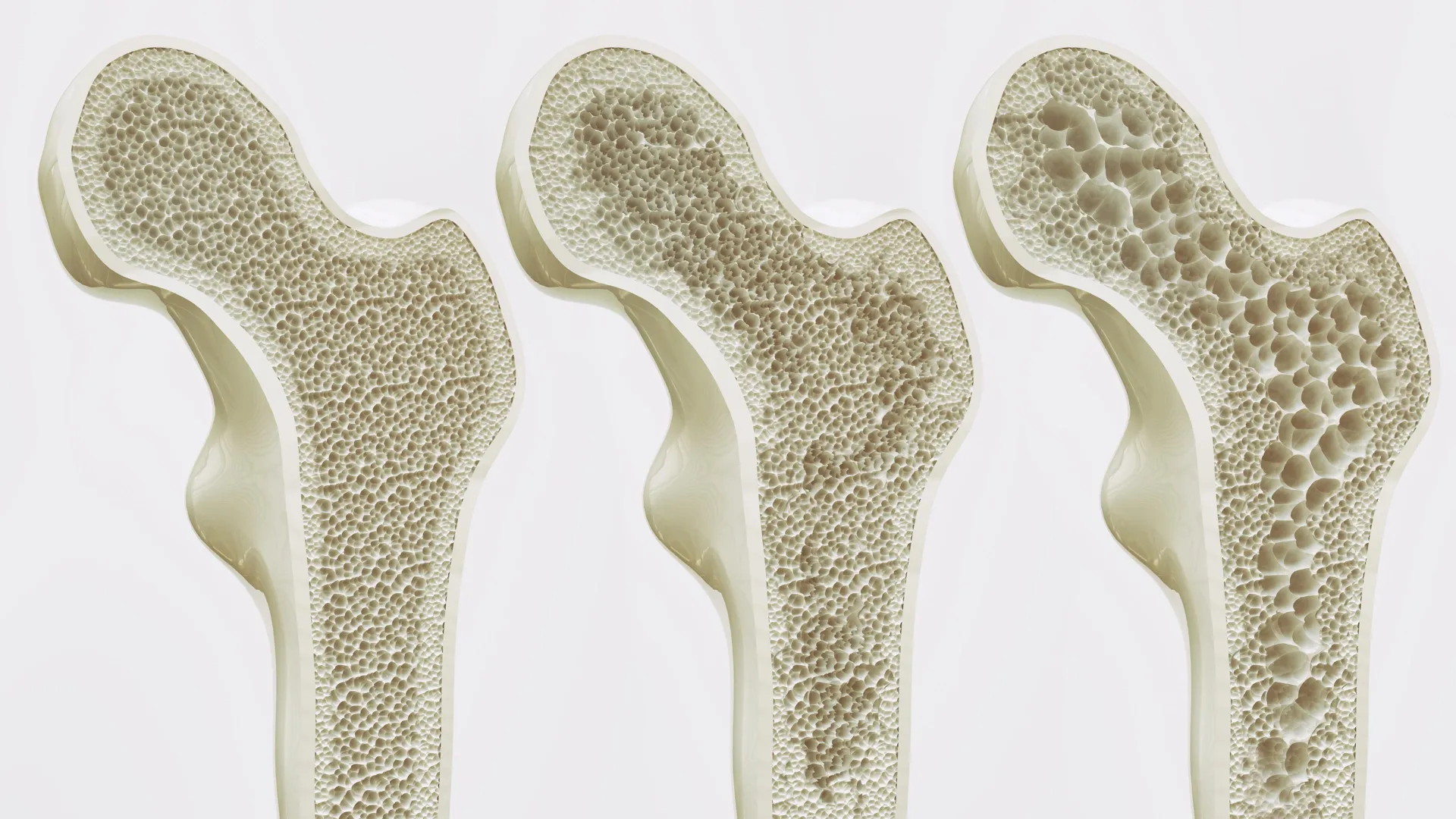
The long-standing medical consensus regarding the preventative benefits of calcium and vitamin D supplements for bone health is facing a significant challenge following the publication of a comprehensive systematic review in the prestigious medical journal The BMJ. For decades, clinicians have routinely recommended these supplements to older adults as a primary defense against the debilitating effects of osteoporosis and age-related falls. However, a rigorous analysis of dozens of clinical trials involving more than 150,000 participants suggests that for the vast majority of community-dwelling older adults, these supplements offer little to no meaningful protection against broken bones or the risk of falling. This finding carries profound implications for public health policy, clinical guidelines, and a global supplement industry that has seen exponential growth over the last twenty years.
The Public Health Context: The High Cost of Falls
As the global population ages, the incidence of falls and subsequent fractures has become a critical public health priority. Statistics from the World Health Organization (WHO) and the Centers for Disease Control and Prevention (CDC) indicate that approximately one-third of adults aged 65 and older experience at least one fall per year. These incidents are not merely minor accidents; they are the leading cause of injury-related hospitalizations and deaths among the elderly.
A fall often triggers a cascade of negative health outcomes. Beyond the immediate trauma of a hip, wrist, or spinal fracture, patients frequently suffer from chronic pain and a permanent loss of mobility. This loss of independence often necessitates a transition into long-term residential care, which places an immense emotional burden on families and a staggering financial strain on healthcare systems. In the United States alone, the annual medical costs related to non-fatal fall injuries are estimated to exceed $50 billion. Consequently, identifying effective, evidence-based interventions to preserve bone density and stability is essential for maintaining the quality of life in an aging society.
A Chronology of Bone Health Recommendations
The history of calcium and vitamin D as the "gold standard" for bone health is rooted in mid-20th-century nutritional science. Calcium was identified early on as a fundamental structural component of the human skeleton, while vitamin D was recognized for its essential role in facilitating calcium absorption in the gut and maintaining serum calcium and phosphate concentrations.
In the 1980s and 1990s, early observational studies suggested that individuals with higher intakes of these nutrients had lower rates of osteoporosis. By the early 2000s, vitamin D deficiency was being characterized by some researchers as a "silent epidemic," leading to a surge in blood testing and supplementation. Between 2000 and 2020, prescriptions for vitamin D rose substantially worldwide, and the retail market for bone health supplements expanded into a multi-billion-dollar industry.
However, the scientific landscape began to shift over the last decade. Several high-profile meta-analyses started to cast doubt on the efficacy of these supplements for the general population. While they remained effective for treating specific conditions like rickets in children or osteomalacia in adults, their role in preventing common fractures in otherwise healthy seniors became increasingly controversial. The new review in The BMJ represents the most definitive synthesis of this skepticism to date.
Methodology: The Scope of the BMJ Review
To address the persistent uncertainty surrounding bone supplements, a team of researchers based in Canada conducted an exhaustive review of 69 randomized controlled trials (RCTs). These trials represented a total participant pool of 153,902 older adults. RCTs are widely regarded as the "gold standard" of clinical research because they minimize bias by randomly assigning participants to either a treatment group or a control group (placebo or no treatment).
The researchers meticulously categorized the trials into three main intervention types:
- Calcium supplements alone.
- Vitamin D supplements alone (various dosages).
- Combined calcium and vitamin D supplementation.
The primary outcomes measured were the occurrence of any fracture, hip fractures specifically, and the frequency of falls. To ensure the findings were robust, the team utilized the GRADE (Grading of Recommendations, Assessment, Development, and Evaluations) approach to assess the certainty of the evidence. They also established pre-defined thresholds for what would constitute a "clinically meaningful benefit," ensuring that the results were not just statistically significant but also relevant to actual patient care.
Analyzing the Data: High-Certainty Evidence of Minimal Impact
The results of the analysis were remarkably consistent across different demographics and supplement types, leading the researchers to conclude that routine supplementation is largely ineffective for fracture prevention.
Calcium Supplementation
Based on moderate-certainty evidence derived from 11 trials involving 9,067 participants, the researchers found that calcium supplements alone did not result in a clinically meaningful reduction in fracture risk. While calcium is necessary for bone structure, the study suggests that for those already consuming a standard diet, additional pills do not provide extra structural integrity.
Vitamin D Supplementation
The evidence for vitamin D alone was even more robust. Drawing from 36 trials involving 92,045 participants, the researchers reported high-certainty evidence that vitamin D supplements provide little to no protection against fractures or falls. This is particularly significant given the widespread popularity of vitamin D "mega-doses" in recent years.
Combined Supplementation
The combination of calcium and vitamin D—the most common recommendation for osteoporosis prevention—also failed to meet the threshold for clinical benefit. This conclusion was supported by high-certainty evidence from 15 trials involving 51,126 participants. Even when taken together, the supplements did not significantly lower the risk of hip fractures, which are the most debilitating type of injury for older adults.
Important Exceptions and Patient Specifics
Despite the broad findings, the researchers emphasized that their conclusions are intended for the general older population and may not apply to everyone. There are specific clinical scenarios where supplementation remains a vital component of medical care.
Individuals diagnosed with severe vitamin D deficiency, those with specific bone metabolic disorders, and patients already diagnosed with osteoporosis who are taking potent bone-building medications (such as bisphosphonates) were not the primary focus of this review. For these patients, supplements are often used to ensure the body has the raw materials necessary for pharmacological treatments to work effectively.
Furthermore, the review noted that the findings might differ for institutionalized elderly populations—such as those living in nursing homes—who may have significantly lower sun exposure and poorer baseline nutrition than community-dwelling adults. The researchers cautioned that patients currently on a prescribed regimen should consult their healthcare provider before making any changes to their medication or supplement routine.
Reaction from the Medical Community
The publication has sparked a vigorous debate among medical professionals and guideline-setting bodies. While some experts have long suspected that the benefits of supplements were overstated, others argue that the low cost and minimal risk of these supplements justify their continued use "just in case."
In a linked editorial published alongside the study, experts argued that it is time to stop "medicalizing" bone health through pills and start focusing on more effective interventions. They noted that the obsession with vitamin D levels has often distracted from more evidence-based approaches to geriatric care. The editorial calls for a "re-evaluation of general recommendations," suggesting that regulatory agencies and clinical panels must update their guidelines to reflect the current evidence base, which clearly shows a lack of efficacy for the average senior.
Shifting the Focus: Exercise and Hazard Mitigation
If supplements are not the answer, what is? The BMJ review and the accompanying editorial point toward physical activity and environmental modifications as more effective strategies for preventing falls and fractures.
Resistance and Balance Training
Clinical evidence consistently shows that weight-bearing exercise and resistance training are superior to supplements for maintaining bone density. Furthermore, balance-focused exercises, such as Tai Chi or specific physical therapy regimens, significantly reduce the risk of falling by improving core strength and proprioception (the body’s ability to sense its position in space).
Multi-Factorial Prevention Programs
Experts recommend a holistic approach to fall prevention, which includes:
- Home Safety Assessments: Identifying and removing hazards like loose rugs, poor lighting, and lack of handrails.
- Medication Reviews: Many seniors take multiple medications that can cause dizziness or hypotension (low blood pressure), increasing fall risk.
- Vision Correction: Regular eye exams to ensure that impaired vision is not contributing to instability.
Analysis of Implications for the Future
The findings of this review suggest a looming paradigm shift in geriatric medicine. For decades, the "pill for every ill" approach has dominated the conversation around bone health because it is easy to implement and inexpensive. However, if the evidence shows these pills are ineffective, the healthcare system must pivot toward more labor-intensive but effective "active" interventions.
This shift will require a change in how healthcare is funded and delivered. It is far easier for a doctor to write a prescription for vitamin D than it is to enroll a patient in a supervised 12-week balance and strength program. However, the latter has the potential to save billions in hip fracture costs and, more importantly, save thousands of lives.
In conclusion, while calcium and vitamin D remain essential nutrients that should ideally be obtained through a balanced diet, their role as a "magic bullet" in supplement form appears to be coming to an end for the general elderly population. The BMJ review serves as a powerful reminder that medical practice must be continuously updated in the face of new, high-quality data, ensuring that the strategies we use to protect our most vulnerable citizens are truly effective.
