
 By Nana O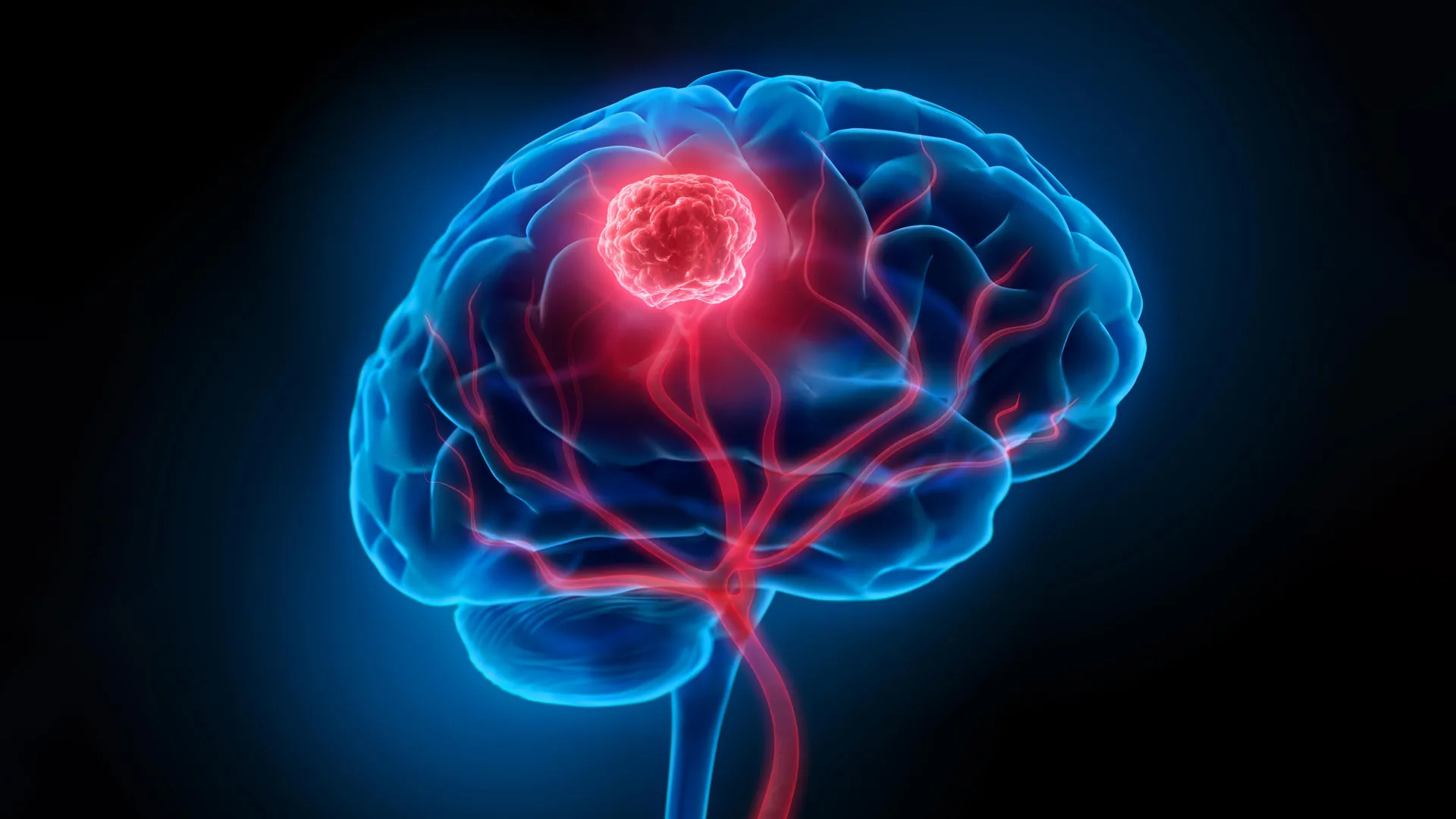
Glioblastoma, a relentlessly aggressive form of brain cancer, has long presented a formidable challenge to medical science. Its insidious nature, characterized by rapid infiltration into surrounding healthy brain tissue, makes complete surgical eradication a daunting, often impossible, feat. Compounding this difficulty is the formidable blood-brain barrier, a biological shield that severely restricts the efficacy of chemotherapy and radiotherapy, leaving patients with a grim prognosis. For decades, the five-year survival rate for glioblastoma has hovered at a disheartening 7 percent, underscoring the urgent need for innovative therapeutic strategies.
However, a groundbreaking development from a collaborative effort between researchers at the University of Technology Sydney (UTS), Harvard University, and Henan University has introduced a novel "double-punch" nanozyme platform, poised to revolutionize how this devastating disease is both detected and treated. Detailed in a recent publication in the prestigious journal Science Translational Medicine, this pioneering technology utilizes a single, sophisticated system of smart nanoparticles to simultaneously address two of glioblastoma’s most significant hurdles.
A Dual-Action Nanoparticle System
At the heart of this transformative platform lies an ingeniously engineered material that performs two distinct, sequential functions. Dr. Bingyang Shi, Chair Professor of nanomedicine at UTS’s School of Electrical, Mechanical and Biomedical Engineering, explained the innovative approach: "We’ve engineered a single material that does two jobs in sequence. It’s a precise guide for the surgeon during the operation, and then a targeted clean-up treatment afterward." This elegant design promises to enhance surgical precision and offer a potent post-operative therapeutic intervention, all within a single, integrated system.
The core of the nanoparticle platform is an ultra-thin, two-dimensional sheet. Its atomic-scale precision, achieved through a method adapted from semiconductor manufacturing, allows the material to dynamically switch between its dual roles. This atomic-level control is crucial for its ability to act as both an advanced imaging agent during surgery and a targeted therapeutic agent in the post-operative phase. Remarkably, both of these critical functions are activated by the same wavelength of near-infrared light, simplifying the treatment protocol and minimizing the need for multiple light sources or complex delivery mechanisms.
Enhancing Surgical Precision: Illuminating Microscopic Tumors
One of the most significant challenges in glioblastoma surgery is the inability of current imaging technologies to reliably detect the smallest cancerous infiltrations. These microscopic tumor clusters, often invisible to the naked eye and even standard surgical microscopes, can be inadvertently left behind, leading to tumor recurrence. The UTS-led team has engineered their nanoparticle platform to overcome this limitation by functioning as a highly sensitive imaging agent.
"During surgery, it functions as a highly sensitive imaging agent," stated Professor Shi. "A fluorescent dye engineered onto the sheet glows under a near-infrared wavelength invisible to the naked eye, allowing surgeons to see individual tumor cell clusters as small as 44 micrometers, a resolution beyond current clinical imaging tools." This remarkable resolution means that surgeons can potentially identify and remove cancerous cells that would otherwise go undetected, significantly improving the completeness of tumor resection.
Furthermore, the nanoparticles are equipped with a targeting molecule that facilitates their passage across the blood-brain barrier. This crucial feature ensures that the nanoparticles can effectively reach and accumulate within the glioma cells, concentrating the imaging signal precisely where it is needed most. By highlighting even the most minute tumor remnants, this technology promises to imbue surgeons with unprecedented visual clarity, enabling more aggressive yet safer tumor removal.
Post-Operative Therapy: Eliminating Residual Cancer Cells
Following the surgical removal of the visible tumor, the same nanoparticle platform is deployed within the surgical cavity to perform its second critical function: phototherapy. Once reactivated by the same near-infrared light, the nanoparticles initiate a potent anti-cancer mechanism.
"After the visible tumor is removed, the same material is administered into the surgical cavity and reactivated with the same wavelength of light for postoperative phototherapy," Professor Shi elaborated. "The platinum atoms convert the tumor’s own hydrogen peroxide into oxygen, counteracting the low-oxygen environment that normally shields cancer cells from treatment, while the light simultaneously generates heat and reactive molecules that destroy microscopic cancer cells that surgery could not reach."
This ingenious therapeutic approach tackles several key issues in glioblastoma treatment. The conversion of hydrogen peroxide into oxygen not only disrupts the hypoxic microenvironment that cancer cells exploit for survival and resistance to therapy but also creates an environment more conducive to cell death. Simultaneously, the generated heat and reactive molecules provide a direct cytotoxic effect, eradicating any remaining microscopic cancer cells. This dual action ensures a more comprehensive elimination of the disease, aiming to prevent the microscopic remnants that often lead to recurrence.
Addressing the Specter of Recurrence
Glioblastoma’s propensity for recurrence is a grim reality for most patients. Even after seemingly successful surgery, residual cancer cells can lie dormant, only to proliferate and form new tumors. The UTS-led nanoparticle platform is specifically designed to combat this challenge. By providing both enhanced surgical visualization and targeted post-operative therapy, the system aims to significantly reduce the likelihood of tumor recurrence.
Pre-Clinical Efficacy: Promising Results in Animal Models
The efficacy of this innovative nanoparticle platform has been rigorously tested in pre-clinical studies using mouse models of glioblastoma. The results have been highly encouraging, demonstrating a significant reduction in tumor recurrence following surgery in treated mice. In a critical comparison, every mouse that received the nanoparticle treatment remained alive at the 60-day mark. In stark contrast, the control group of mice that underwent surgery alone had a survival period of only 42 days.
Furthermore, extensive follow-up assessments revealed no detectable neurological or motor impairments associated with the nanoparticle treatment. This finding is particularly significant, as any new therapeutic strategy for brain cancer must not only be effective but also minimize the risk of causing additional damage to the delicate neural structures. The absence of such side effects in animal models suggests a favorable safety profile for the platform.
The Road Ahead: From Bench to Bedside
While the pre-clinical results are undeniably promising, the researchers are quick to emphasize that this technology is still in its early stages of development. "The results are very encouraging, but this is still early-stage research carried out in mouse models, not in people – and that distinction is important," Professor Shi cautioned. The transition from animal studies to human clinical trials is a complex and lengthy process, requiring extensive validation and regulatory approval.
The next crucial steps involve scaling up the production of the nanoparticles and confirming their imaging and therapeutic performance in the much larger and more complex human brain. The intricate architecture of the human brain, with its unique physiological characteristics, will necessitate thorough investigation to ensure the nanoparticles function as effectively and safely as they have in animal models.
Broader Implications and Future Outlook
If this nanoparticle platform successfully navigates the rigorous path of clinical development and proves safe and effective in human trials, it could represent a paradigm shift in glioblastoma treatment. The ability for surgeons to visualize and remove more of the tumor, coupled with a potent mechanism to eliminate residual microscopic cancer cells, holds the potential to dramatically improve patient outcomes and extend survival rates.
The implications extend beyond glioblastoma. The fundamental principles of this dual-function nanozyme platform could potentially be adapted for the treatment of other aggressive cancers that exhibit similar challenges, such as infiltrative growth patterns and resistance to conventional therapies. The development of such intelligent, multi-functional nanomaterials marks a significant stride forward in the quest for more precise, effective, and less invasive cancer treatments.
The collaborative spirit that fueled this innovation, bringing together expertise from engineering, medicine, and materials science across multiple institutions, exemplifies the power of interdisciplinary research in tackling complex medical challenges. The journey from a novel concept in a laboratory to a life-saving treatment in the clinic is long and arduous, but the advancements represented by this double-punch nanoparticle platform offer a tangible beacon of hope for patients battling glioblastoma and a testament to the relentless pursuit of scientific progress. The scientific community will be closely watching as this groundbreaking technology progresses towards human trials, with the ultimate goal of offering a more hopeful future for those diagnosed with this devastating disease.
