
 By admin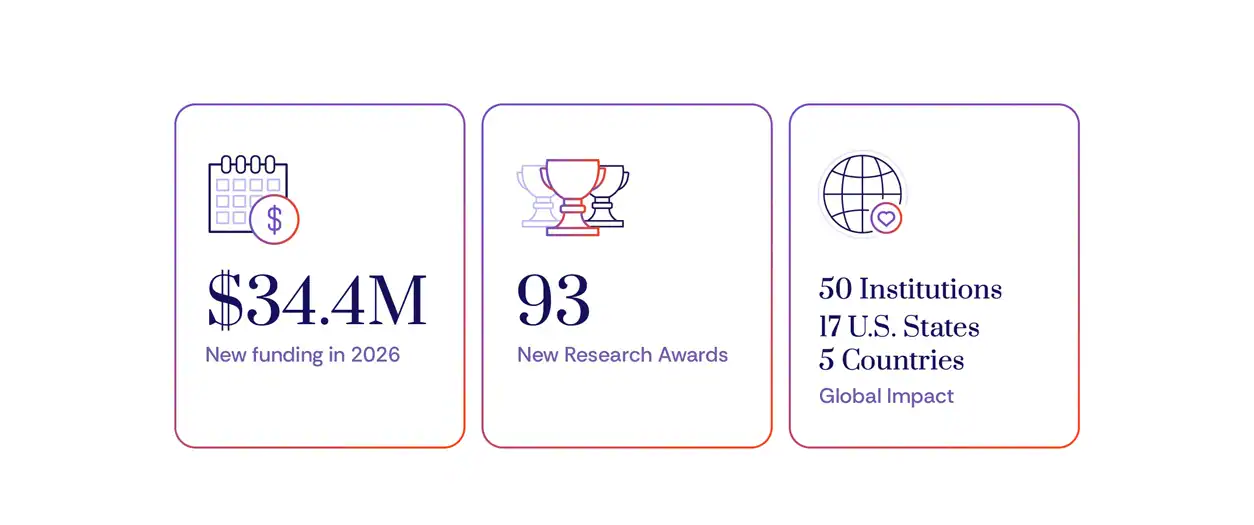
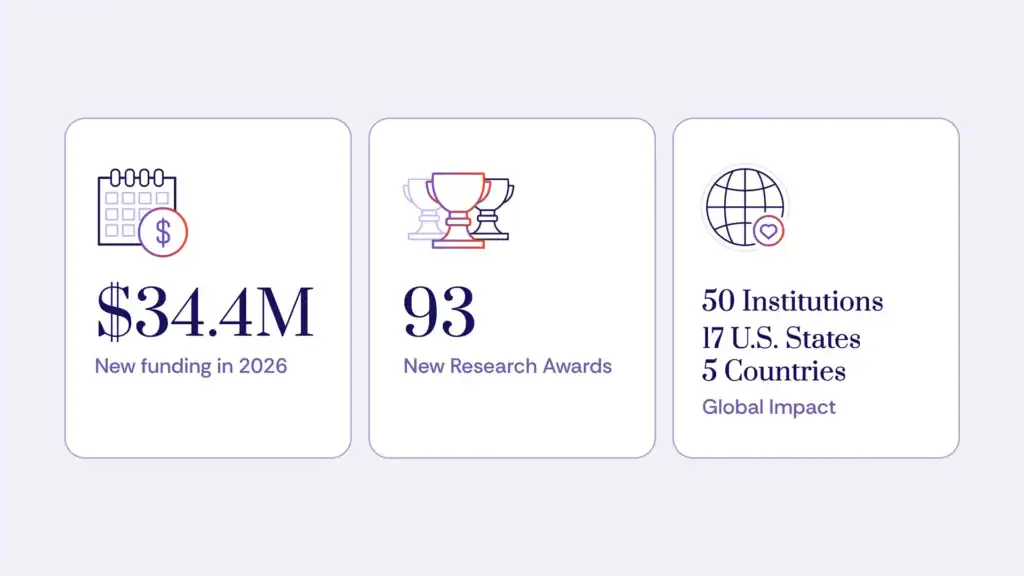
There are moments when an organization’s mission is tested not by opportunity, but by uncertainty. This past year was one of those moments. As researchers across the country faced significant funding cuts and an increasingly uncertain economic and scientific environment, the Cancer Research Institute (CRI) made a deliberate and bold choice: to not merely maintain, but to accelerate the pace of scientific discovery. This strategic decision led to CRI’s largest grantmaking year ever in fiscal year 2025–26, committing an unprecedented $34.4 million in new funding across 93 awards, a move lauded by the scientific community as a critical intervention during a precarious period for biomedical research.
Navigating the Headwinds: A Year of Unprecedented Challenges for Scientific Research
The fiscal year 2025–26 unfolded against a backdrop of considerable apprehension within the scientific community. Reports from various federal funding agencies, including the National Institutes of Health (NIH), indicated a tightening of budgets, driven by a confluence of factors such as inflation, shifting governmental priorities, and a post-pandemic economic recalibration. This environment led to an observed decline in grant success rates for many investigators, forcing research institutions to scale back projects and, in some cases, even leading to a "brain drain" as promising scientists considered careers outside of academia. The ripple effects were profound, threatening to stifle nascent discoveries and slow the momentum in critical areas like cancer research, where sustained, long-term investment is paramount. Researchers, particularly those in the early and mid-stages of their careers, found themselves in an increasingly competitive and precarious landscape, where securing the necessary resources to pursue innovative, high-risk ideas became exceptionally challenging. This atmosphere of uncertainty not only impacted ongoing projects but also deterred the initiation of potentially transformative research, as institutions and individual scientists became more risk-averse.
CRI’s Strategic Commitment: Fueling Innovation Amidst Adversity
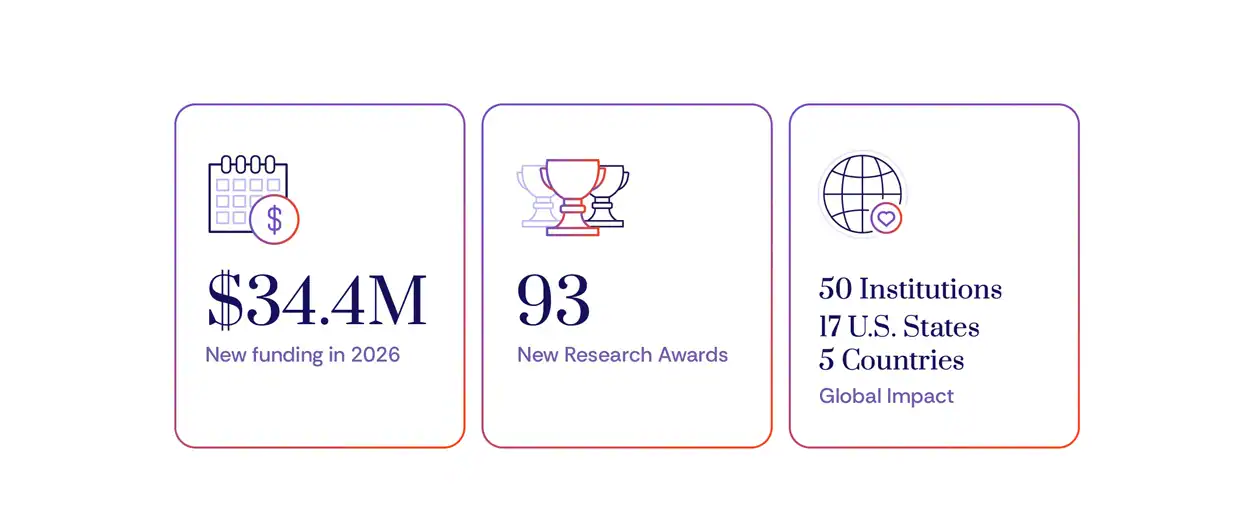
In stark contrast to this prevailing climate, the Cancer Research Institute reaffirmed its foundational commitment to advancing breakthrough science. The organization’s leadership recognized that moments of uncertainty are precisely when strategic, sustained investment can yield the most significant returns, preventing the loss of critical talent and momentum. The $34.4 million allocated in fiscal year 2025–26 represents not just a financial commitment but a strategic declaration. This record sum was distributed through 93 distinct awards, reaching scientists at 50 institutions spread across five countries and 17 states within the U.S. This broad geographic reach underscores CRI’s dedication to identifying and nurturing scientific excellence wherever it exists, fostering a global network of collaboration essential for tackling a disease as complex as cancer. The sheer volume and distribution of these grants highlight a deliberate strategy to cast a wide net, ensuring that a diverse array of innovative approaches and perspectives are supported. By investing across multiple geographies and institutions, CRI aims to catalyze discovery on a global scale, recognizing that the solutions to cancer will emerge from a collective effort transcending national borders.
The Rationale Behind Robust Investment
For more than 70 years, CRI has operated on a core principle: that true scientific progress often requires supporting exceptional individuals and bold ideas before their greatest discoveries are made. This philosophy champions giving scientists the intellectual freedom and financial flexibility to follow the science wherever it leads, even if it involves pursuing high-risk, high-reward avenues that might not immediately conform to traditional funding metrics. This long-standing commitment has allowed CRI to be an early champion of fields like cancer immunotherapy, which was once considered a fringe area of research but has now revolutionized cancer treatment. CRI’s strategic decision in fiscal year 2025–26 was a direct extension of this philosophy. Dr. Jill O’Donnell-Tormey, CEO and Director of Scientific Affairs at CRI, commented on the decision, stating, "When the broader funding landscape tightens, it’s a critical moment for organizations like ours to step up. We understand that groundbreaking science doesn’t pause for economic downturns. Our mandate is to keep the momentum going, to ensure that brilliant minds have the resources to continue their vital work, especially when that work is focused on delivering new hope to cancer patients." This proactive stance is designed to act as a crucial counterweight to federal funding fluctuations, providing a stable platform for researchers to pursue ambitious, long-term projects without the constant threat of budget cuts derailing their progress. The goal is not merely to sustain research but to actively accelerate it, believing that consistent investment in fundamental science ultimately leads to transformative clinical breakthroughs.
Cultivating Future Leaders: The Inaugural CRI IGNITE Award
A cornerstone of CRI’s expanded grantmaking portfolio in 2025–26 was the introduction of the new CRI IGNITE Award. This program specifically targets one of the most consequential and vulnerable junctures in a scientist’s professional journey: the transition from postdoctoral training to establishing an independent research career. This period is fraught with challenges. Researchers are expected to launch their own laboratories, define entirely original areas of investigation, and generate compelling preliminary data—all while competing for scarce long-term funding. Promising ideas, brimming with potential, often falter not due to a lack of merit or innovative thinking, but because securing the initial, flexible support needed to bridge this gap is exceedingly difficult. The IGNITE Award—an acronym for "Inspiring Growth and Nurturing Independence Through Excellence"—was meticulously designed to address this critical need. It provides crucial support precisely when talented researchers are poised to build independent programs and tackle bold, often unconventional, scientific questions of their own design. The award offers the financial stability and intellectual freedom necessary for these early-career scientists to take calculated risks, explore novel hypotheses, and lay the groundwork for a sustained, impactful research career. "The IGNITE Award is more than just funding; it’s an investment in the next generation of scientific leaders," explained a CRI program officer. "We are empowering these individuals at a pivotal moment, giving them the runway to establish their unique scientific identities and pursue the high-impact research that might otherwise be overlooked in a more conservative funding environment." This strategic intervention aims to mitigate the attrition of promising talent from the research pipeline, ensuring that innovative ideas continue to be explored and developed.
Dr. Simone Park: A Beacon of Progress and the Power of Sustained Support
The impact of CRI’s continuum of support is vividly exemplified by Dr. Simone Park, PhD, an inaugural IGNITE Award recipient at the University of Pennsylvania. Dr. Park’s journey with CRI began earlier in her career when she received support as a postdoctoral fellow. This initial investment allowed her to hone her skills and contribute to foundational research. Now, as she embarks on the next critical phase of her career, the IGNITE Award is instrumental in helping her establish her independent research program. Dr. Park’s pioneering work focuses on tissue-resident memory T cells—specialized immune cells that reside in various tissues throughout the body and are believed to provide lasting protection against cancer recurrence. Her research delves into fundamental questions: What molecular and cellular mechanisms enable these remarkable cells to persist in tissues for extended periods? How do they maintain their potent anti-tumor defensive capabilities over time? By unraveling the complex biology behind their durability and efficacy, Dr. Park aims to identify novel strategies for enhancing and prolonging immune protection against various cancers. Her ultimate goal is to translate these insights into more robust and enduring immunotherapeutic approaches for patients.
Dr. Park’s trajectory serves as a compelling narrative, illustrating the profound value of supporting promising scientists at every stage of their professional development. From initial fellowships that launch careers to IGNITE Awards that foster independence, and further to prestigious CRI Lloyd J. Old STAR Awards that empower established investigators to pursue high-risk, high-impact ideas, CRI’s programs form a cohesive continuum of support. This multi-stage approach ensures that exceptional individuals receive the necessary opportunities and resources to advance their work at pivotal moments, transforming potential into tangible progress. "Receiving the IGNITE Award has been transformative," Dr. Park shared. "It’s not just the funding, but the confidence and validation it provides. It allows me to pursue my own ambitious research questions and build my lab, knowing that CRI believes in the long-term potential of this work. This kind of sustained support is absolutely essential for bridging the gap between foundational discovery and clinical impact." Her success underscores CRI’s belief that investing in people is as critical as investing in projects, as these individuals are the architects of future breakthroughs.
A Holistic Approach: Beyond Direct Grants to a Thriving Research Ecosystem
CRI’s commitment to advancing cancer immunotherapy extends far beyond direct research awards. The organization recognizes that accelerating scientific discovery and translating it into patient benefit requires a comprehensive, multifaceted approach. To this end, CRI actively engages in several complementary initiatives that contribute to a broader, robust research ecosystem. These include advancing innovative clinical studies that test new immunotherapeutic strategies, developing sophisticated data programs and shared resources that facilitate collaboration and knowledge exchange among researchers, and equipping scientists with new computational skills essential for analyzing complex biological data. Furthermore, CRI plays a crucial role in empowering patients and caregivers by providing trusted, accessible information and support services to help them navigate the often-complex landscape of cancer immunotherapy. These programs are designed to demystify complex medical information, connect patients with clinical trials, and offer emotional support, ensuring that the benefits of research reach those who need them most. Each of these investments, whether in foundational research, translational studies, technological infrastructure, or patient advocacy, contributes synergistically to moving discovery forward. By fostering an environment where increasingly complex biological insights can be efficiently translated into better, more effective treatments, CRI ensures that its impact is both broad and deeply felt, accelerating the journey from laboratory bench to patient bedside. This integrated strategy reflects a deep understanding that scientific progress is rarely linear and requires support at multiple points along the discovery-to-delivery pipeline.

The Broader Impact: Securing the Future of Cancer Immunotherapy
CRI’s resolute commitment to sustained investment, particularly during periods of widespread funding uncertainty, carries significant implications for the broader cancer research landscape. By stepping into the breach when other funding sources are constrained, CRI plays a crucial role in mitigating the potential for "brain drain," ensuring that highly talented scientists are not forced to abandon promising research careers due to lack of support. This strategic intervention helps to preserve the intellectual capital vital for future breakthroughs. Furthermore, CRI’s focus on high-risk, high-reward immunotherapy research fosters a culture of innovation, encouraging scientists to pursue unconventional ideas that have the potential to yield transformative results. The consistent support for early-career investigators, exemplified by the IGNITE Award, is particularly vital. It cultivates the next generation of scientific leaders, ensuring a robust pipeline of talent dedicated to advancing immunotherapy. This not only accelerates the pace of discovery but also strengthens the global collaborative network essential for tackling a disease as pervasive and complex as cancer. For patients, the ultimate beneficiaries, CRI’s efforts translate into faster development of novel treatment avenues, more personalized therapies, and improved outcomes. The organization’s proactive stance reinforces the critical role that private philanthropic organizations play in complementing and often pioneering efforts where public funding might be more constrained or risk-averse. The 2026 Annual Impact Report, which captures the scope of CRI’s commitment during this record-setting year, stands as a testament to promises kept: to scientists whose ideas deserve the chance to grow, to patients waiting for new possibilities, and to supporters who believe in the profound power of research to change lives.
Looking Ahead: The Enduring Mission
The challenges of an uncertain world may alter the landscape in which science advances, but they do not diminish what progress fundamentally requires: exceptional people, bold ideas, and the sustained support to bring them together. The Cancer Research Institute’s actions in fiscal year 2025–26 serve as a powerful affirmation of this enduring truth. By choosing to accelerate investment and prioritize innovation even amidst global headwinds, CRI has not only safeguarded critical research but has also laid robust groundwork for future breakthroughs in cancer immunotherapy. The extraordinary work still ahead of us demands unwavering dedication, visionary leadership, and continued philanthropic partnership. As the fight against cancer evolves, CRI remains at the forefront, committed to its mission with renewed vigor and a clear path forward. And we’re just getting started.
