
 By admin
September marks the annual observance of Childhood Cancer Awareness Month, a period dedicated to highlighting the unique challenges faced by pediatric patients and the urgent need for increased research funding. For organizations like the Children’s Cancer Research Fund (CCRF), this month represents a critical window to bridge the gap between awareness and tangible action. The central theme of this year’s campaign focuses on "moments that matter," emphasizing that the ultimate goal of oncology research is not merely survival, but a return to the normalcy of childhood. This includes the simple, everyday experiences often taken for granted: playing outdoors, attending school, participating in sports, and engaging in creative activities without the looming shadow of medical intervention.
The initiative underscores a fundamental reality in pediatric medicine: the progress made in the laboratory directly translates to the milestones achieved in the lives of children. By mobilizing a diverse coalition of individual donors, corporate partners, and local businesses, the campaign seeks to fund the next generation of therapies that are both more effective and less toxic than current standards of care.
The Landscape of Pediatric Cancer Research and the Funding Gap
To understand the necessity of Childhood Cancer Awareness Month, one must examine the current state of pediatric oncology. While significant strides have been made in survival rates for certain types of cancer, such as acute lymphoblastic leukemia (ALL), other forms remain difficult to treat. According to data from the National Cancer Institute (NCI) and the American Cancer Society, cancer remains the leading cause of death by disease for children in the United States. Approximately 15,000 children and adolescents under the age of 20 are diagnosed with cancer each year in the U.S. alone.
Despite these statistics, pediatric cancer research is frequently underfunded compared to adult cancers. Historically, only a small fraction of the federal budget for cancer research is allocated specifically to childhood cancers. This disparity places a heavy burden on private non-profit organizations and community-driven fundraising to fill the void. The Children’s Cancer Research Fund serves as a pivotal entity in this ecosystem, directing resources toward high-impact research projects that might otherwise lack the necessary capital to move from the bench to the bedside.
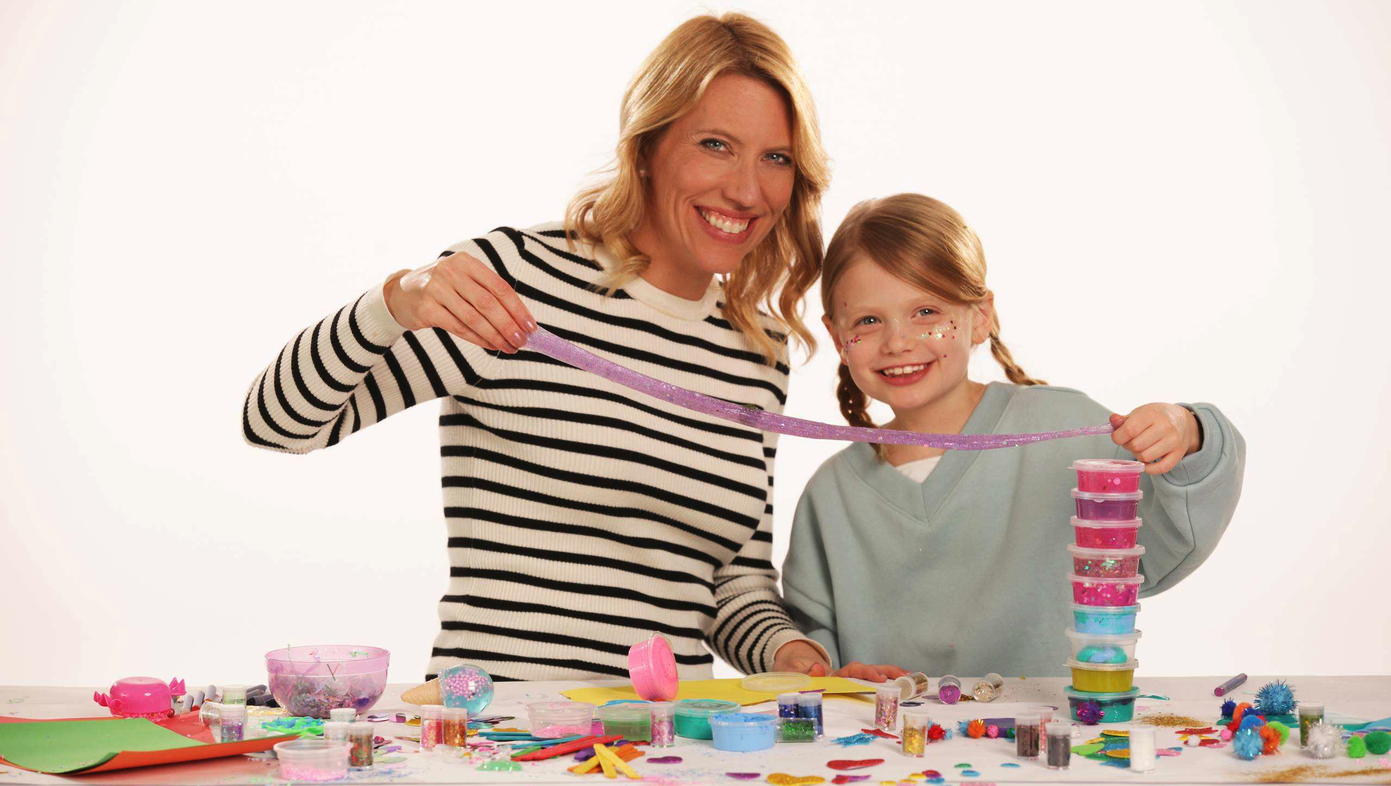
The "moments that matter" campaign is an acknowledgment of the long-term implications of treatment. Many survivors of childhood cancer face lifelong health challenges, including secondary cancers, heart disease, and cognitive impairments, resulting from the intensity of chemotherapy and radiation. Consequently, the research being funded today focuses on "precision medicine"—treatments tailored to the genetic profile of a child’s specific tumor—which aims to minimize long-term side effects and improve the quality of life for survivors.
Strategic Community Engagement and DIY Fundraising Models
A cornerstone of the 2024 awareness month is the empowerment of individuals to contribute through personalized fundraising efforts. The CCRF has expanded its "do-it-yourself" (DIY) fundraising platform, allowing supporters to align their personal interests with the cause. This model has proven effective in reaching demographics that may not engage with traditional large-scale galas or corporate appeals.
The DIY initiatives range from athletic events, such as golf tournaments and marathons, to community-based activities like lemonade stands and birthday fundraisers. By utilizing digital platforms, donors can create tribute pages to honor survivors or remember those lost to the disease. These honor pages serve a dual purpose: they provide a space for communal grieving and celebration while simultaneously raising the capital required for clinical trials and family support programs.
Furthermore, as the calendar transitions from September into October, the CCRF is encouraging a "meaningful Halloween" approach. This initiative invites families and neighborhood groups to incorporate philanthropy into holiday traditions. Proposed activities include collecting donations in lieu of candy, utilizing QR codes on doorsteps for contactless giving, and hosting benefit parties. This strategic extension of the campaign ensures that the momentum generated in September continues into the fourth quarter of the fiscal year.
Chronology of Local Support: The Twin Cities Business Coalition
While the campaign has a national reach, its roots remain deeply embedded in the Twin Cities of Minnesota, where the Children’s Cancer Research Fund was established. For September 2024, a specific timeline of local business partnerships has been curated to facilitate easy community participation.

From September 1 through September 30, R.F. Moeller Jeweler has committed to donating 100% of its watch battery sales to the CCRF. This partnership is particularly symbolic, as the act of "giving time" through watch maintenance mirrors the campaign’s goal of providing more time for children to experience their youth. The initiative is active across the jeweler’s Minnesota locations, providing a high-visibility touchpoint for local consumers.
Mid-month, the focus shifts to the culinary sector. From September 21 to September 25, Punch Pizza—a prominent regional chain—will donate 10% of all pizza sales to the fund. This five-day window is expected to generate significant revenue, leveraging the brand’s high volume of foot traffic and loyal customer base. The partnership demonstrates how "passive philanthropy"—where consumers support a cause through their routine spending—can aggregate into substantial financial contributions.
Simultaneously, the award-winning restaurant Spoon & Stable has introduced a dedicated cocktail for the cause. Throughout the month, 20% of the proceeds from "Julian’s Manhattan" will be directed to the CCRF. This specific tribute honors the memory of children affected by cancer and integrates the message of awareness into the city’s high-end hospitality industry.
Additionally, Blaze Credit Union has been recognized as a key community partner for its ongoing support of the CCRF’s mission. The involvement of financial institutions like Blaze underscores the multi-sector approach required to sustain long-term research initiatives.
Analysis of the Economic and Social Impact of Corporate Partnerships
The integration of local businesses into the Childhood Cancer Awareness Month framework represents a sophisticated model of Corporate Social Responsibility (CSR). For businesses like R.F. Moeller and Punch Pizza, these partnerships offer an opportunity to strengthen community ties and enhance brand equity. However, the impact extends beyond public relations.

From a philanthropic perspective, these partnerships lower the barrier to entry for donors. A consumer who might not feel capable of making a large one-time donation can still contribute by purchasing a meal or a service they already require. This democratization of giving is essential for the sustainability of non-profit organizations.
From a medical perspective, the funds raised through these localized efforts are often used to support "seed grants." These grants allow researchers to explore innovative, high-risk ideas that are often deemed too experimental for federal funding. If these early-stage projects show promise, they can then leverage their findings to secure larger government grants. Thus, a percentage of a pizza sale in the Twin Cities can theoretically become the catalyst for a breakthrough in neuroblastoma treatment on a national level.
Implications for the Future of Pediatric Oncology
The success of Childhood Cancer Awareness Month is measured not just in dollars raised, but in the shift of the scientific narrative. The focus is increasingly moving toward "survivorship." As the medical community becomes more adept at treating the initial malignancy, the challenge shifts to managing the "late effects" of treatment.
Experts in the field suggest that the next decade of research will be defined by three pillars:
- Immunotherapy: Leveraging the body’s own immune system to target cancer cells without damaging healthy tissue.
- Genomics: Mapping the specific mutations of pediatric tumors to provide targeted therapy.
- Psychosocial Support: Addressing the mental health and developmental needs of children who spend significant portions of their formative years in hospital settings.
The "moments that matter" campaign aligns perfectly with these pillars. By funding research that prioritizes "better" treatments over just "more" treatments, the CCRF is advocating for a future where a cancer diagnosis is no longer a life-defining trauma, but a manageable medical event.

Conclusion: The Path Forward
As September progresses, the collective efforts of individual fundraisers, local businesses, and researchers continue to build a foundation for future breakthroughs. The transition of these funds into research labs at institutions like the University of Minnesota and other leading pediatric centers ensures that the momentum of Childhood Cancer Awareness Month has a lasting impact.
The message from the Children’s Cancer Research Fund remains clear: while the challenges of childhood cancer are profound, they are not insurmountable. Through the continued support of the community and the dedication of the scientific workforce, the goal of returning every child to the "extraordinary ordinary moments" of childhood remains within reach. The initiatives seen this month—from watch battery sales to digital tribute pages—are the essential building blocks of a world where childhood cancer is a thing of the past.
