
 By Nana O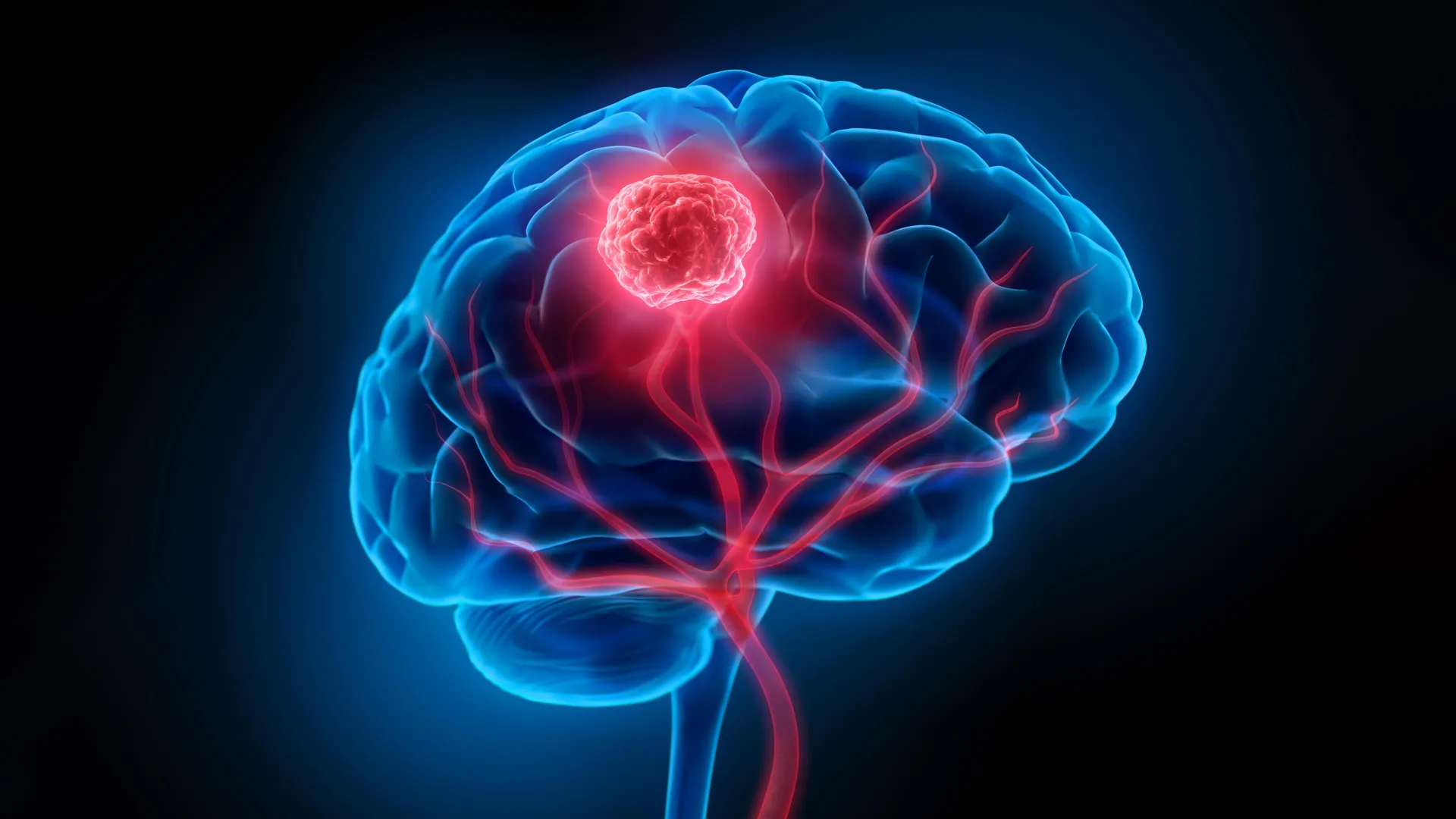
Glioblastoma, the most aggressive form of brain cancer, has long presented a formidable challenge to the medical community. Its insidious nature, characterized by diffuse infiltration into surrounding brain tissue, renders complete surgical eradication exceptionally difficult. The delicate architecture of the brain necessitates extreme caution during surgery, often leaving microscopic cancer cells undetected and untreated. Compounding these surgical hurdles, the blood-brain barrier, a highly selective biological shield, severely limits the efficacy of conventional therapies like chemotherapy and radiotherapy, restricting their penetration to tumor sites. These combined challenges contribute to a stark reality: the five-year survival rate for glioblastoma patients hovers around a mere 7 percent, a statistic that underscores the urgent need for innovative treatment strategies.
A Dual-Action Nanoparticle Solution Emerges
In a significant stride towards overcoming these persistent obstacles, researchers from the University of Technology Sydney (UTS), in collaboration with Harvard University and Henan University, have unveiled a novel ‘double-punch’ nanozyme platform. This sophisticated system, detailed in a recent publication in the prestigious journal Science Translational Medicine, employs a single type of intelligent nanoparticle engineered to address both the surgical and therapeutic limitations of glioblastoma treatment.
Dr. Bingyang Shi, Chair Professor of nanomedicine at UTS’s School of Electrical, Mechanical and Biomedical Engineering, explained the core innovation: "We’ve engineered a single material that does two jobs in sequence. It’s a precise guide for the surgeon during the operation, and then a targeted clean-up treatment afterward." This elegant dual-functionality promises to revolutionize the management of glioblastoma, offering a more comprehensive approach to tackling this devastating disease.
Precision Imaging and Targeted Therapy: A Synergistic Approach
The cornerstone of this groundbreaking platform is an ultra-thin, two-dimensional atomic sheet. Fabricated using a method adapted from semiconductor manufacturing, this meticulous assembly allows the material to seamlessly transition between two distinct roles. Initially, it serves as a highly sensitive imaging agent during surgical procedures, enabling surgeons to visualize even the most minute clusters of cancerous cells. Following tumor resection, the same nanoparticle system can be reactivated to deliver a potent phototherapeutic treatment directly to the surgical cavity. Crucially, both functionalities are activated by the same wavelength of near-infrared light, simplifying the treatment protocol and minimizing the need for multiple energy sources.
Illuminating the Invisible: Enhanced Surgical Guidance
During surgical interventions, the nanoparticle platform functions as an advanced optical beacon. A fluorescent dye intricately integrated into the atomic sheet emits a glow when exposed to near-infrared light, a spectrum invisible to the human eye. This allows surgeons to discern individual tumor cell clusters as small as 44 micrometers, a level of precision that surpasses the capabilities of current clinical imaging technologies. Furthermore, a carefully designed targeting molecule attached to the nanoparticle facilitates its passage across the formidable blood-brain barrier and ensures its preferential accumulation within glioma cells. This targeted delivery mechanism is paramount in accurately delineating the tumor margins and minimizing damage to healthy brain tissue.
The ability to visualize these microscopic tumor deposits is critical. Glioblastoma tumors are notoriously irregular and often extend beyond what is macroscopically visible. Traditional imaging techniques, while valuable, may not always detect the farthest tendrils of cancerous infiltration. By providing real-time, high-resolution visualization of these insidious extensions, the nanoparticle platform empowers surgeons to achieve more complete tumor debulking, a crucial factor in improving patient outcomes.
Post-Operative Cleanup: Eradicating Residual Cancer Cells
Once the macroscopically visible tumor has been meticulously removed, the therapeutic potential of the nanoparticle platform is unleashed. The same material, administered into the surgical cavity, is reactivated with the near-infrared light. This activation triggers a cascade of therapeutic effects. The platinum atoms within the nanoparticle harness the tumor’s inherent hydrogen peroxide, converting it into oxygen. This process is vital as glioblastoma tumors often create a hypoxic (low-oxygen) microenvironment, which typically shields cancer cells from treatment. By increasing oxygen levels, the nanoparticles render the remaining cancer cells more vulnerable.
Simultaneously, the near-infrared light generates localized heat and reactive oxygen species (ROS). These potent agents work in concert to destroy any microscopic cancer cells that may have eluded surgical removal. This targeted post-operative phototherapy is designed to eradicate residual disease, a primary driver of tumor recurrence, and significantly improve the chances of long-term remission.
Addressing the Specter of Recurrence
The persistence of microscopic cancer cells after surgery is a well-documented and devastating hallmark of glioblastoma. These residual cells, even if undetectable by current imaging methods, can proliferate and lead to tumor recurrence, often with a more aggressive phenotype. The dual-action nanoparticle platform directly confronts this critical challenge by providing both enhanced visualization for more complete initial resection and a targeted therapeutic agent to eliminate any remaining microscopic disease.
The efficacy of this approach has been rigorously tested in preclinical settings. In extensive mouse models of glioblastoma, the nanoparticle-enhanced treatment demonstrated a significant reduction in tumor recurrence following surgery. Notably, all mice that received the nanoparticle treatment remained alive at the 60-day follow-up mark, a stark contrast to the 42-day survival observed in the control group that underwent surgery alone. Crucially, follow-up neurological and motor assessments in the treated mice revealed no detectable impairments, suggesting a favorable safety profile. These promising results from animal studies provide a strong foundation for optimism regarding the potential clinical translation of this technology.
A Glimmer of Hope, Amidst Early-Stage Research
While the findings are undeniably encouraging, the researchers are keen to emphasize the early-stage nature of this research. Professor Shi articulated this crucial distinction: "The results are very encouraging, but this is still early-stage research carried out in mouse models, not in people – and that distinction is important." The transition from preclinical success to human application is a complex and lengthy process, involving extensive clinical trials to confirm both safety and efficacy in human patients.
The performance of the nanoparticle platform, both in terms of its imaging capabilities and its therapeutic efficacy, will need to be meticulously evaluated and validated at the scale of a human brain. This will involve comprehensive studies to assess its biocompatibility, biodistribution, and potential side effects in humans. The research team is actively pursuing further funding and collaborations to facilitate these critical next steps.
Broader Implications and Future Prospects
Should this innovative nanoparticle platform successfully navigate the rigorous path of clinical development, its implications for glioblastoma treatment could be profound. The prospect of surgeons being able to visualize more of the tumor during an operation and subsequently treat any residual disease with targeted therapy represents a significant leap forward. This comprehensive approach holds the potential to dramatically reduce tumor recurrence, a persistent and devastating challenge for individuals diagnosed with glioblastoma.
The development also highlights a broader trend in cancer research: the convergence of nanotechnology, advanced materials science, and targeted therapeutics. The ability to engineer smart materials at the atomic level, endowing them with multiple functionalities, opens up exciting avenues for treating a wide spectrum of diseases. For glioblastoma specifically, this breakthrough offers a tangible glimmer of hope, potentially transforming the prognosis for patients facing this aggressive and often fatal cancer.
The scientific community will be closely watching the progress of this research. The successful clinical translation of this dual-action nanoparticle platform could mark a pivotal moment in the ongoing battle against glioblastoma, offering a more effective, precise, and ultimately, more hopeful future for patients and their families. The meticulous engineering of materials at the nanoscale, combined with a deep understanding of the disease’s complex biology, is proving to be a powerful strategy in the relentless pursuit of effective cancer therapies.
