
 By admin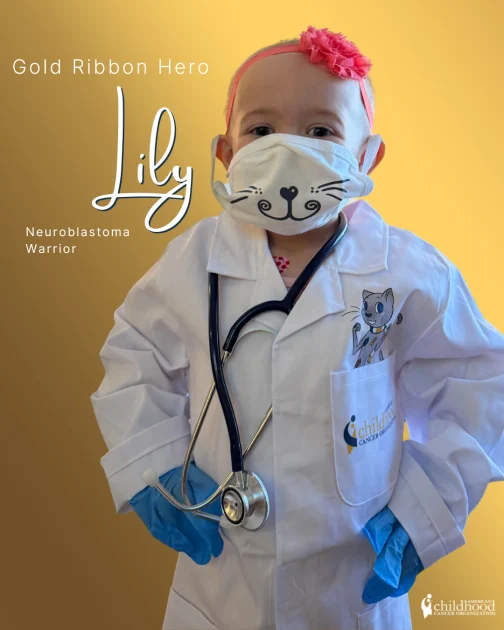
The medical journey of Lily, a two-year-old child currently undergoing her second intensive battle with neuroblastoma, highlights the formidable challenges associated with pediatric oncology and the persistent nature of high-risk solid tumors in early childhood. Diagnosed at just 18 months old, Lily’s case underscores the clinical complexity of neuroblastoma, a cancer of the sympathetic nervous system that remains one of the most common and difficult-to-treat extracranial solid tumors in infants and young children. Her story, characterized by a brief period of remission followed by a rapid central nervous system (CNS) relapse, reflects a broader medical narrative regarding the limitations of current standard-of-care treatments and the urgent need for continued research into recurrent pediatric cancers.
Initial Diagnosis and the Clinical Presentation of Neuroblastoma
Lily’s medical history began in early 2024 when she was 18 months old. Her family initially sought emergency medical intervention for what appeared to be chronic constipation and abdominal discomfort. Such symptoms are frequent in pediatric emergency departments and are often attributed to benign gastrointestinal issues; however, in Lily’s case, persistent pain prompted diagnostic imaging. The resulting scans revealed a large mass located within her abdomen, a hallmark presentation for neuroblastoma, which frequently originates in the adrenal glands or the paraspinal nerve tissues.
Neuroblastoma accounts for approximately 7% to 10% of all childhood cancers and is responsible for a disproportionate 15% of pediatric cancer deaths. The disease is notably heterogeneous, ranging from tumors that may spontaneously regress to highly aggressive forms that are resistant to multi-modal therapy. In Lily’s instance, the size and location of the mass necessitated an immediate and aggressive intervention strategy, placing her into a high-risk category that requires the most intensive treatment protocols available in modern oncology.
The Multi-Modal Treatment Regimen and the Path to Remission
Following her diagnosis, Lily was enrolled in a comprehensive treatment plan designed for high-risk neuroblastoma. This protocol is traditionally divided into three distinct phases: induction, consolidation, and maintenance. During the induction phase, Lily underwent several rounds of high-dose chemotherapy intended to shrink the primary tumor and eliminate any micrometastatic disease. This was followed by surgical resection, a delicate procedure aimed at removing as much of the abdominal mass as possible without damaging vital organs or the spinal column.
The consolidation phase of Lily’s treatment involved even more aggressive measures, including autologous bone marrow transplants. This process requires harvesting a patient’s own stem cells, administering lethal doses of chemotherapy to eradicate any remaining cancer cells, and then reintroducing the stem cells to rescue the bone marrow’s function. Following the transplants, Lily underwent external beam radiation therapy to target the site of the original tumor, followed by immunotherapy. Immunotherapy, specifically the use of monoclonal antibodies like Dinutuximab, is designed to prime the patient’s immune system to identify and destroy any residual neuroblastoma cells by targeting the GD2 antigen expressed on the surface of the tumor cells.
By September 2025, after nearly a year of grueling clinical intervention, Lily’s scans showed no evidence of disease. She was officially declared in remission, a milestone that offered her family a brief period of hope and a return to a semblance of normalcy.
The Complexity of Central Nervous System Relapse
The reprieve lasted only two months. In November 2025, Lily began experiencing persistent headaches, a symptom that raised immediate concerns for her parents and medical team. Rapid neurological assessment and imaging confirmed the family’s worst fears: the neuroblastoma had returned, but this time it had metastasized to her brain.
A relapse in the central nervous system presents a significant clinical hurdle. While primary neuroblastoma rarely starts in the brain, metastatic involvement in the CNS occurs in a small percentage of high-risk cases, often after the primary systemic disease has been controlled. One of the primary reasons for this is the blood-brain barrier, a highly selective semipermeable border that prevents many standard chemotherapy agents from entering the brain tissue. Consequently, while the initial treatment may successfully clear the abdomen and bone marrow, "sanctuary sites" like the brain can harbor dormant cancer cells that eventually proliferate.
Lily immediately underwent neurosurgery to remove the new growth, followed by a secondary round of intensive treatment. Her current regimen includes a combination of chemotherapy, specialized radiation targeting the CNS, and further immunotherapy. The goal of this secondary intervention is to achieve local control within the brain while preventing further systemic spread.
Statistical Overview and the Landscape of Pediatric Cancer Research
Lily’s case is reflective of the statistical realities facing many families in the pediatric oncology community. According to data from the American Cancer Society and the National Cancer Institute, approximately 800 new cases of neuroblastoma are diagnosed each year in the United States. While the five-year survival rate for low- and intermediate-risk neuroblastoma is excellent, exceeding 90% to 95%, the outlook for high-risk patients remains challenging. Despite advancements in immunotherapy and stem cell transplantation, the long-term survival rate for high-risk neuroblastoma hovers between 50% and 60%.
The occurrence of a relapse, particularly a CNS relapse, further complicates the prognosis. Historically, the survival rates for patients with CNS-recurrent neuroblastoma were extremely low. However, recent advancements in targeted radiotherapy (such as proton therapy) and the development of new liquid biopsies to monitor minimal residual disease are beginning to provide clinicians with better tools to manage these complex cases.
The Socio-Economic and Emotional Impact on Families
The burden of a neuroblastoma diagnosis extends far beyond the clinical setting. For families like Lily’s, the journey involves a total upheaval of daily life. The "spicy" and "playful" personality described by her mother serves as a testament to the resilience of pediatric patients, but it also highlights the emotional toll on caregivers who must balance the demands of intensive hospital stays with the desire to provide a normal childhood for their children.
Organizations such as the American Childhood Cancer Organization (ACCO) play a critical role in supporting these families. Beyond providing educational resources about specific diseases like neuroblastoma, these organizations advocate for increased federal funding for pediatric cancer research. Currently, pediatric cancer receives only a small fraction of the National Cancer Institute’s overall budget compared to adult cancers. This disparity often results in a reliance on decades-old chemotherapy drugs that, while effective, can cause lifelong late-term effects, including secondary cancers, hearing loss, and organ dysfunction.
Broader Implications for Pediatric Oncology
Lily’s ongoing battle is a stark reminder of the "relapse gap" in pediatric oncology. While initial remission rates have improved significantly over the last twenty years, the medical community still struggles to prevent and treat recurrences effectively. The transition of neuroblastoma from the abdomen to the brain in Lily’s case illustrates the adaptive nature of cancer cells and the necessity for treatments that can penetrate the blood-brain barrier more effectively.
Looking forward, the focus of pediatric oncology research is shifting toward precision medicine. This involves genomic sequencing of individual tumors to identify specific mutations that can be targeted with new drugs. For patients with relapsed neuroblastoma, clinical trials exploring ALK inhibitors, CAR-T cell therapy, and vaccine-based treatments offer new avenues for hope. These therapies aim to provide a more targeted approach, reducing the "scorched earth" impact of traditional high-dose chemotherapy and radiation.
Conclusion and Call to Action
The story of Lily is one of extraordinary courage in the face of a relentless disease. As a "two-time neuroblastoma warrior," her experiences underscore the urgent need for a more robust infrastructure for pediatric cancer research and family support. The medical community continues to learn from patients like Lily, using the data from their treatments and the biological markers of their relapses to refine future protocols.
For the general public and policymakers, Lily’s journey serves as a call to action. The phrase "kids can’t fight cancer alone" is not merely a slogan but a clinical reality. Supporting organizations like the ACCO and advocating for legislation that prioritizes pediatric-specific drug development are essential steps in ensuring that future patients have a higher probability of permanent remission. As Lily continues her current course of chemotherapy and radiation, her resilience remains an inspiration to her family and a reminder to the medical establishment of the work that remains to be done in the fight against childhood cancer.
