
 By admin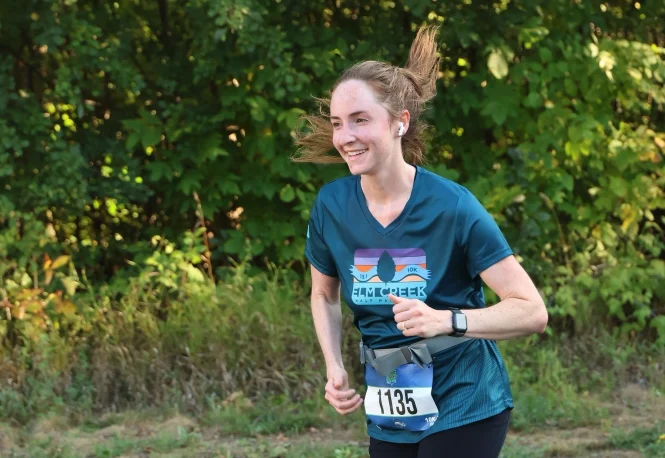
The Medtronic Twin Cities Marathon weekend, a cornerstone of the Minnesota athletic calendar, serves as a significant convergence point for elite athletes, recreational joggers, and philanthropic organizations. While the event is renowned for its scenic route connecting Minneapolis and St. Paul, a specific contingent known as Team CCRF utilizes the 26.2-mile course and its associated races to address a critical societal challenge: the funding gap in pediatric cancer research. This year, the Children’s Cancer Research Fund (CCRF) is represented by a diverse roster of runners, each bringing a unique professional or personal connection to the cause. Among them are Rachael Blair, a medical physicist; Greg Kaiser, a long-term volunteer and father of a survivor; and Ryan Fahey, a student researcher directly involved in oncology studies. Their participation highlights the multifaceted approach required to combat childhood cancer, ranging from clinical treatment and survivor support to frontline laboratory research.
The Evolution of the Medtronic Twin Cities Marathon and Charity Partnerships
The Medtronic Twin Cities Marathon, often referred to as the "Most Beautiful Urban Marathon in America," was established in 1982. Since its inception, the race has grown from a local running event into a world-class marathon that attracts over 30,000 participants across its various weekend distances, including the 5K, 10K, and the popular TC 10 Mile. Beyond the physical competition, the marathon has become a vital fundraising engine for non-profit organizations.
Charity running teams, such as Team CCRF, have become integral to the marathon’s infrastructure. These partnerships allow organizations to leverage the visibility of a major sporting event to raise hundreds of thousands of dollars annually. For the Children’s Cancer Research Fund, a national non-profit headquartered in Minneapolis, the marathon is more than a race; it is a platform to highlight the disparity in research funding. According to National Cancer Institute data, pediatric cancer research receives only a small fraction of federal oncology funding compared to adult cancers, necessitating private philanthropic efforts to bridge the gap for innovative treatments and clinical trials.
Clinical Perspectives: Rachael Blair and the Reality of Radiation Oncology
Rachael Blair enters the Medtronic Twin Cities Marathon weekend with a perspective shaped by the technical and emotional rigors of radiation oncology. As a medical physicist, Blair’s professional life revolves around the precision required to treat cancer while sparing healthy tissue—a task that is particularly delicate in pediatric patients whose bodies are still developing.
The challenges of pediatric radiation therapy are significant. Children are more sensitive to the long-term effects of radiation, which can include developmental delays, secondary cancers, and organ dysfunction. Consequently, the research Blair supports through her running is focused on refining these treatments to be safer and more effective. Blair’s decision to join Team CCRF was driven by a desire to bridge her professional expertise with a tangible contribution to the community.
"Being able to participate in the race while representing Children’s Cancer Research Fund makes the experience even more meaningful," Blair stated. Her training for the half-marathon distance involves a rigorous schedule designed to meet a sub-two-hour finish goal. For Blair, the physical exertion of training serves as a necessary counterbalance to the high-stakes environment of a cancer center. She notes that the trails of Minnesota provide a space for mental recovery, even as she pushes her physical limits for a cause that extends beyond personal achievement.
A Legacy of Survival: Greg Kaiser’s Two-Decade Commitment
While Blair represents the clinical side of the battle, Greg Kaiser represents the enduring legacy of survival and the long-term commitment of families affected by a diagnosis. Kaiser’s connection to the Children’s Cancer Research Fund began twenty years ago when his daughter, Liz, was diagnosed with osteosarcoma, a type of bone cancer that primarily affects children and young adults.
Osteosarcoma remains one of the most challenging pediatric cancers to treat, often requiring a combination of aggressive chemotherapy and limb-salvage surgery. Liz’s survival and her current status as a 20-year survivor serve as a testament to the progress made in the field, yet Kaiser remains acutely aware of the work that remains. Over the past two decades, he has occupied nearly every role possible within the CCRF ecosystem, from high-level fundraising to donning the suit of the organization’s mascot, C.C. Bear.
For the current marathon weekend, Kaiser is participating in the TC 10 Mile. His participation is an act of remembrance and advocacy. "Fundraising gives my running a purpose beyond completing the race," Kaiser remarked. His goal is to use the visibility of the race to encourage public engagement with CCRF’s mission. In the context of pediatric oncology, "survival" is often just the beginning of a lifelong journey involving follow-up care and monitoring, a reality that Kaiser’s long-term involvement helps to illuminate for the broader public.
The Scientific Frontline: Ryan Fahey and Laboratory Innovation
Representing the future of cancer treatment, Ryan Fahey provides a direct link between the funds raised on the marathon course and the breakthroughs achieved in the laboratory. As a student research assistant at the University of Minnesota’s Masonic Cancer Center, Fahey is part of a team investigating the fundamental mechanisms of pediatric diseases.
The University of Minnesota is a primary beneficiary of CCRF funding, and Fahey’s work touches on several critical areas of study. His research division investigates the underlying causes of leukemia—the most common cancer in children—as well as rarer conditions such as pediatric hepatoblastoma, a type of liver cancer. Fahey’s work involves analyzing data to project future incidence rates and identifying genetic markers that could lead to more personalized treatment protocols.
Fahey is competing in the half-marathon with a highly competitive goal of finishing in under one hour and 26 minutes. His athletic ambition mirrors the intensity of his academic and professional pursuits. "Fundraising for CCRF was also a great way to leverage my community to help support my career and running passions," Fahey explained. His presence on Team CCRF underscores the importance of supporting the next generation of scientists who will eventually lead the charge in finding cures.
Statistical Context: The Urgent Need for Pediatric Research Funding
The efforts of Blair, Kaiser, and Fahey are set against a backdrop of urgent statistical need. According to the American Cancer Society, approximately 9,620 children in the United States under the age of 15 will be diagnosed with cancer in 2024. While survival rates have improved significantly since the mid-20th century—moving from less than 20% to over 85% for many types of cancer—the progress is uneven. Certain high-risk cancers still have low survival rates, and the treatments used to achieve these cures often leave survivors with chronic health conditions.
The financial landscape of cancer research is heavily skewed toward adult cancers, which have larger patient populations and, consequently, more significant commercial potential for pharmaceutical companies. This leaves a "funding gap" for pediatric research, which is frequently filled by private organizations like CCRF. By raising funds through events like the Twin Cities Marathon, CCRF can provide "seed grants" to researchers. These grants allow scientists to gather the preliminary data necessary to apply for larger federal grants from the National Institutes of Health (NIH), effectively multiplying the impact of every dollar raised by marathon runners.
Broader Impact and Implications for the Twin Cities Community
The participation of Team CCRF in the Medtronic Twin Cities Marathon has implications that extend beyond the immediate financial totals. It fosters a sense of community resilience and raises the profile of the Twin Cities as a hub for medical excellence. The presence of the University of Minnesota and major medical device companies like Medtronic creates a unique ecosystem where athletic events, corporate social responsibility, and scientific advancement intersect.
Furthermore, the marathon serves as a public awareness campaign. As thousands of spectators line the streets from the U.S. Bank Stadium in Minneapolis to the State Capitol in St. Paul, the branded gear of Team CCRF runners serves as a moving billboard for pediatric cancer awareness. This visibility is crucial for educating the public on the realities of childhood cancer, which is often misunderstood as a rare occurrence when, in fact, it remains the leading cause of death by disease for children in the United States.
Chronology of the Marathon Weekend and Fundraising Milestones
The marathon weekend follows a structured timeline that maximizes community engagement. The festivities typically begin with a Health & Wellness Expo, where Team CCRF members gather to share stories and finalize their fundraising pushes. This is followed by the 5K and 10K events on Saturday, which serve as an entry point for younger runners and those supporting the cause through shorter distances.
Sunday marks the pinnacle of the weekend with the TC 10 Mile and the full marathon. For runners like Blair, Kaiser, and Fahey, this day represents the culmination of months of preparation. The training cycle for a marathon or half-marathon typically spans 16 to 20 weeks, requiring hundreds of miles of roadwork. When combined with the effort of individual fundraising—which often involves outreach to hundreds of donors—the commitment shown by these athletes is a multi-month endeavor that peaks during the final climb up Summit Avenue toward the finish line.
Conclusion: The Path Forward for Team CCRF
As the Medtronic Twin Cities Marathon concludes, the impact of Team CCRF will be measured in more than just minutes and seconds on a clock. The funds raised will be channeled directly into research projects that have the potential to change the trajectory of pediatric oncology. The stories of Rachael Blair, Greg Kaiser, and Ryan Fahey illustrate the three pillars of the fight against childhood cancer: clinical excellence, survivor advocacy, and scientific innovation.
Through their collective efforts, Team CCRF ensures that the conversation regarding childhood cancer remains at the forefront of the community’s consciousness. As research continues to evolve toward targeted therapies and genetic medicine, the support provided by charity runners remains a foundational element in the quest to ensure that every child diagnosed with cancer has the opportunity to become a long-term survivor like Liz Kaiser. The marathon may be a single weekend, but the momentum it generates for the Children’s Cancer Research Fund provides a year-round catalyst for hope and healing in the field of pediatric oncology.
