
 By admin
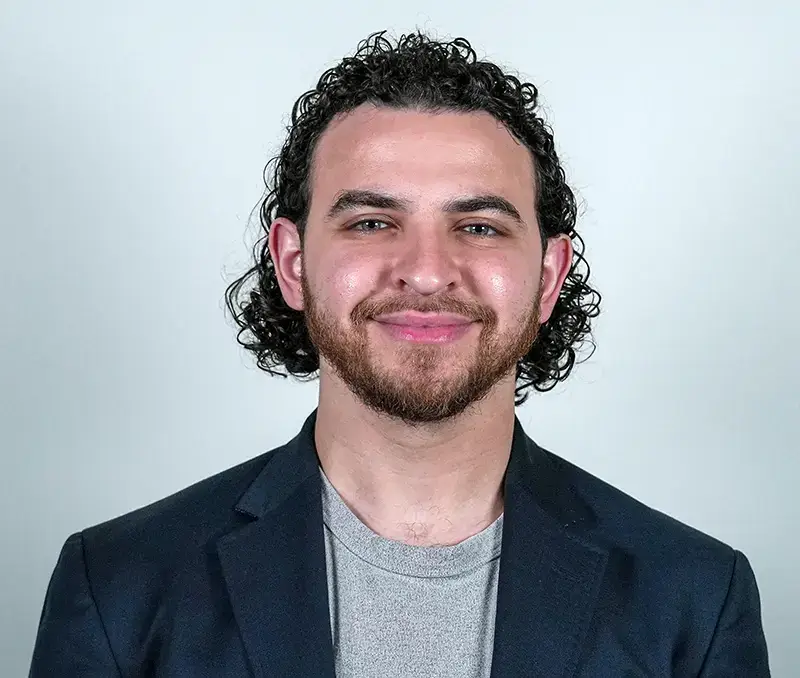
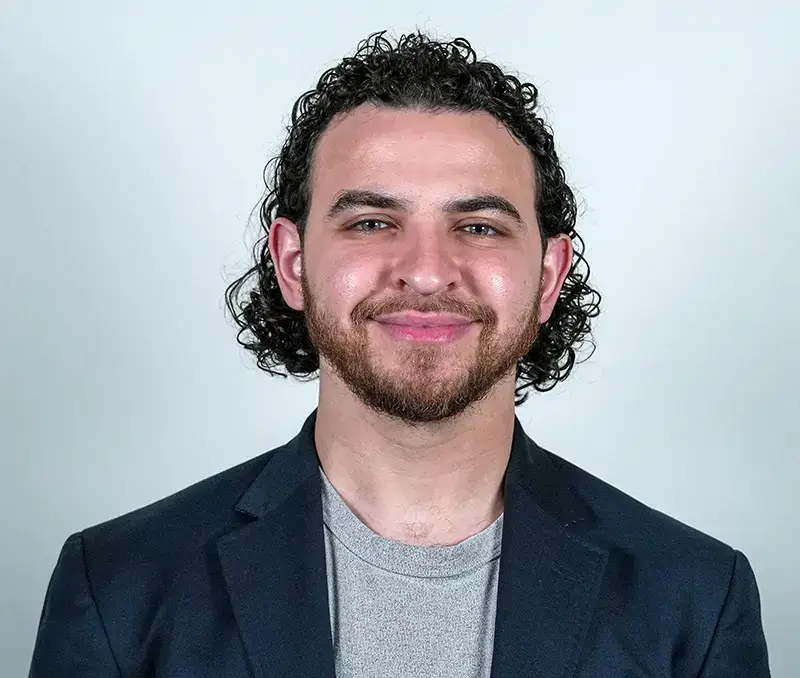
CureSearch for Children’s Cancer, a leading national nonprofit organization dedicated to accelerating the search for new and better treatments for childhood cancer, has officially announced the appointment of Osama Alsaleh to its Board of Directors. This strategic addition comes at a critical juncture for the organization as it seeks to bridge the gap between academic research, venture capital investment, and the delivery of life-saving therapies to pediatric patients. Alsaleh, a distinguished healthcare leader with a prolific background in innovation, venture capital, and health equity, brings a wealth of experience that is expected to catalyze the organization’s mission to end the "valley of death" in drug development for childhood cancers.
The appointment reflects a growing trend in the nonprofit sector toward integrating venture capital expertise and technological innovation into traditional philanthropic models. As the Head of Partnerships at Plug and Play Health—the healthcare arm of one of the world’s most active venture capital firms and global innovation platforms—Alsaleh is uniquely positioned to connect CureSearch with a global ecosystem of startups, institutional investors, and healthcare technology pioneers.
A Strategic Vision for Pediatric Oncology
The landscape of pediatric oncology research is fraught with unique challenges that differ significantly from adult oncology. While adult cancer research often attracts massive private investment due to the high volume of potential patients, pediatric cancers are considered "rare diseases" in the pharmaceutical market. This economic reality often leads to a lack of incentive for traditional drug developers, resulting in a significant funding gap.
CureSearch has long operated at the intersection of this challenge, funding clinical trials and research projects that might otherwise languish without support. By bringing Alsaleh onto the board, the organization signals a shift toward a more aggressive, partnership-driven strategy. Alsaleh’s expertise in navigating the complexities of healthcare IT and strategic alliances is expected to help CureSearch identify and nurture emerging technologies that can be repurposed or specifically developed for pediatric use.
"Throughout my work, I have consistently observed that innovations focused on pediatrics, particularly pediatric oncology, remain significantly underfunded and underrepresented within mainstream venture capital and innovation ecosystems," Alsaleh stated. "By leveraging my network across venture capital, startups, healthcare institutions, and technology companies, I aim to help attract new technologies, strategic partners, and resources that can accelerate progress toward cures for children with cancer."
A Career Defined by Innovation and Global Impact
Osama Alsaleh’s professional trajectory provides a roadmap of the evolving healthcare landscape over the last two decades. His career is characterized by a commitment to utilizing technology as a tool for health equity and global wellness.
Prior to his current leadership role at Plug and Play Health, Alsaleh held several pivotal positions at Oracle Health (formerly Cerner). During his tenure there, he was instrumental in the creation of Oracle’s health equity team. This initiative was groundbreaking in its focus on the social determinants of health (SDOH), accessibility, and the removal of systemic barriers to quality care. His work involved shaping transformative strategies that integrated data-driven insights into clinical workflows, ensuring that underserved populations were not left behind by the digital health revolution.
Furthermore, Alsaleh’s experience with the Oracle Charitable Foundation Clinical Decision Committee saw him contributing to the evaluation and allocation of more than $42 million in healthcare grants. This specific background in grant management and clinical evaluation aligns perfectly with CureSearch’s core operations, which involve rigorous vetting of research proposals to ensure that donor funds are directed toward the most promising scientific breakthroughs.
His influence extends beyond the private sector into the realm of public policy and global health. Alsaleh has served as a consultant and advisor to several high-level government and international bodies, including the U.S. State Department and the White House COVID-19 Taskforce. His advisory work on quality reporting measures and Centers for Medicare & Medicaid Services (CMS) initiatives has provided him with a deep understanding of the regulatory hurdles that often slow down the transition of a drug from the laboratory to the bedside.
Addressing the Data Gap in Childhood Cancer
One of the primary areas where Alsaleh is expected to make an immediate impact is in the utilization of healthcare technology and data analytics. In the realm of pediatric cancer, data is often siloed across different hospitals and research institutions. This fragmentation makes it difficult to conduct large-scale studies or to use artificial intelligence (AI) to identify patterns in how children respond to specific treatments.
With his background at Cerner and Oracle—two giants in Electronic Health Record (EHR) technology—Alsaleh understands the infrastructure required to unify disparate data sets. By improving data interoperability and fostering partnerships with tech startups, CureSearch aims to create a more cohesive research environment. This could lead to more efficient clinical trials, better recruitment of diverse patient populations, and a more nuanced understanding of the long-term side effects of cancer treatments in children.
Supporting Data: The Urgent Need for Pediatric Innovation
The urgency of CureSearch’s mission is underscored by current statistics regarding childhood cancer in the United States and globally. According to the National Cancer Institute, approximately 15,000 children and adolescents under the age of 20 are diagnosed with cancer each year in the U.S. alone. While survival rates have improved significantly since the 1970s, cancer remains the leading cause of death by disease for children.
Furthermore, the "cure" often comes at a high price. Up to 60% of childhood cancer survivors suffer from late-stage effects of their treatment, which can include secondary cancers, heart disease, and cognitive impairments. This is largely because many treatments used today were originally designed for adults and are often too toxic for developing bodies.
The financial disparity is equally stark. Historically, only a small fraction of the National Cancer Institute’s federal budget is dedicated specifically to pediatric cancer research. This makes the role of organizations like CureSearch, and the strategic guidance of leaders like Alsaleh, vital for filling the void left by public and private sector underinvestment.
Official Responses and Leadership Integration
The appointment of Alsaleh has been met with enthusiasm from the CureSearch leadership team. Jared Brancazio, Chair of the CureSearch Board of Directors, emphasized the unique perspective that Alsaleh brings to the table.
"Osama brings a unique and highly valuable perspective to CureSearch," Brancazio said. "His ability to connect innovation, investment, and healthcare will help expand our reach and unlock new opportunities to advance critical research for children with cancer. We are excited to have him join the board at this important time for our organization."
The board, which consists of leaders from various sectors including finance, medicine, and law, seeks to create a multidisciplinary approach to philanthropy. Alsaleh’s presence is expected to strengthen the board’s capacity to engage with the "Silicon Valley" mindset—focusing on scalability, rapid iteration, and disruptive innovation.
Broader Implications for the Future of Oncology Research
The addition of a venture capital expert to a prominent cancer research board signifies a broader shift in how the nonprofit sector views sustainability. "Venture philanthropy" is a model that applies the principles of venture capital—such as high engagement, performance measurement, and exit strategies—to the nonprofit world. By adopting this mindset, CureSearch can more effectively move treatments through the regulatory pipeline.
Alsaleh’s track record with organizations like the World Bank Group and the World Health Organization (WHO) also suggests a potential for international expansion of CureSearch’s initiatives. Pediatric cancer is a global crisis, and the development of sustainable, scalable healthcare solutions requires a perspective that transcends national borders.
As the healthcare industry continues to move toward personalized medicine and genomics, the role of strategic partnerships becomes even more vital. Developing a "precision medicine" approach for a child with a rare form of leukemia requires a massive coordination of resources: genetic sequencing companies, specialized clinical trial sites, and insurance providers willing to cover experimental therapies. Alsaleh’s career has been built on convening these very stakeholders.
Conclusion and Future Outlook
The welcoming of Osama Alsaleh to the CureSearch Board of Directors is more than a routine personnel update; it is a strategic alignment intended to modernize the fight against pediatric cancer. By blending the rigor of clinical research with the agility of the venture capital and technology sectors, CureSearch is positioning itself to overcome the economic and regulatory barriers that have historically hindered progress in the field.
As the organization moves forward, the focus will remain on accelerating the pace of discovery. With Alsaleh’s guidance, CureSearch is expected to forge new pathways for funding, leverage cutting-edge technology to improve patient outcomes, and ultimately, bring the world closer to a future where every child diagnosed with cancer can look forward to a long and healthy life. The integration of his expertise in health equity also ensures that these advancements will be accessible to all children, regardless of their socioeconomic background or geographic location.
The healthcare community and stakeholders in the nonprofit sector will undoubtedly watch closely as this partnership unfolds, potentially serving as a blueprint for how modern philanthropy can drive tangible scientific progress in the 21st century.
