
 By Billy Candra
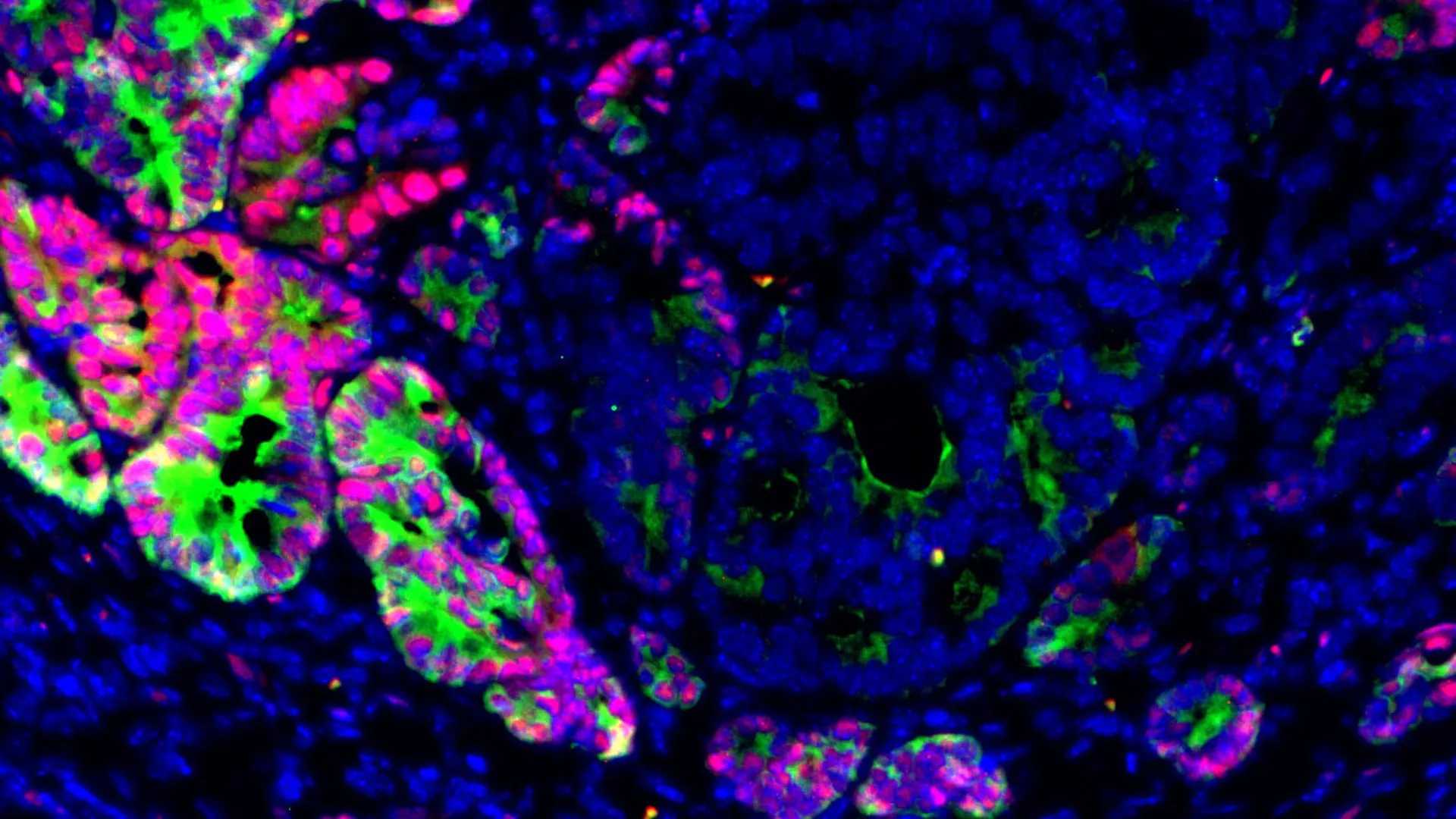
New research spearheaded by scientists at Weill Cornell Medicine and the Massachusetts Institute of Technology (MIT) has pinpointed a crucial epigenetic mechanism that may be responsible for enabling colorectal cancer (CRC) to metastasize to the liver, a process that accounts for the vast majority of CRC-related deaths. The seminal study, published on June 22 in the esteemed journal Cell Stem Cell, reveals that the loss of a key transcription factor, GATA6, can push colorectal cancer cells into a highly adaptable, primitive state, thereby facilitating their deadly journey from the primary tumor to distant organs, particularly the liver. This profound insight offers a new avenue for understanding how this transformation occurs, potentially paving the way for novel preventative and therapeutic strategies against one of the most formidable challenges in oncology.
The Lethal Reach of Colorectal Cancer: A Persistent Challenge
Colorectal cancer stands as the third most common cancer diagnosed in both men and women in the United States, and the second leading cause of cancer-related deaths globally. Annually, over 1.9 million new cases are reported worldwide, with approximately 900,000 deaths. While early-stage colorectal cancer often has a favorable prognosis with surgery and adjuvant therapies, the survival rates plummet dramatically once the disease spreads beyond its original site. Metastasis, the process by which cancer cells break away from the primary tumor and establish new colonies in distant organs, remains the leading cause of death for CRC patients. Among all metastatic sites, the liver is the most common and often the most challenging, with an estimated 50% of all CRC patients developing liver metastases at some point during their disease progression. For patients with metastatic CRC, the five-year survival rate can drop to as low as 15-20%, underscoring the urgent need for a deeper understanding of this biological phenomenon.
For decades, the scientific community has extensively investigated the genetic underpinnings of cancer, meticulously searching for specific mutations that might trigger or drive metastasis. While a plethora of genetic mutations have been identified in primary colorectal tumors, no single or clear "driver mutation" has consistently emerged to explain the metastatic propensity, especially to the liver. This persistent enigma has led researchers to explore alternative mechanisms beyond direct DNA sequence alterations. The new study from the Weill Cornell and MIT teams suggests that the answer may lie not in changes to the genetic code itself, but in how those genes are regulated – a field known as epigenetics.
GATA6: A Guardian of Cellular Identity and Its Troubling Disappearance
At the heart of this discovery is GATA6, a transcription factor normally tasked with a critical role in cellular identity. In the cells lining the intestine, GATA6 acts as a molecular "identity keeper," ensuring these specialized cells maintain their distinct functions and characteristics. Transcription factors are proteins that bind to specific DNA sequences, controlling the rate at which genetic information is copied from DNA to messenger RNA (mRNA) during gene expression, thereby regulating which genes are turned on or off. Essentially, GATA6 helps maintain the stable, differentiated state of intestinal epithelial cells.
However, the research team made a striking observation: GATA6 levels were significantly lower in liver metastases derived from both mouse models and human patients with colorectal cancer. This reduction in GATA6 expression was not merely an incidental finding; it was directly correlated with poorer patient outcomes, highlighting its potential clinical significance. The implications were clear: when this cellular guardian goes missing, the consequences for cancer progression are dire.
"We discovered that GATA6 loss acts as a critical switch that can change cancer cells in the primary tumor from non-metastatic to pro-metastatic," explained Dr. Norihiro Goto, assistant professor of medicine in the Division of Gastroenterology & Hepatology at Weill Cornell, who co-led the groundbreaking research. His statement underscores a pivotal shift in understanding metastasis, moving beyond a purely genetic viewpoint. "Our findings suggest that epigenetic changes may be more important for promoting liver metastasis," he added, emphasizing the non-mutational nature of this crucial mechanism.
Unlike genetic mutations, which involve permanent alterations to the DNA sequence, epigenetic changes are reversible modifications to DNA or its associated proteins (like histones) that influence gene activity without changing the underlying DNA sequence. These changes can switch genes on or off, thereby determining which proteins a cell produces and, consequently, its behavior and identity. This distinction is crucial because epigenetic modifications offer a potentially more pliable target for therapeutic intervention compared to fixed genetic mutations. Dr. Saori Goto, an instructor in medicine at Weill Cornell, served as the first author of the study, with Dr. Omer H. Yilmaz, associate professor of biology at the Massachusetts Institute of Technology, also co-leading the impactful work.
Unraveling Early Metastatic Events: The Power of Organoid Models
A significant hurdle in metastasis research has always been the inability to observe the earliest stages of the process. Studying established liver metastases in patient samples provides only a snapshot of the endpoint, failing to capture the dynamic and subtle transformations that enable cancer cells to become metastatic in the first place.
"When researchers analyze patient samples from liver metastases, we fail to capture the important signals occurring in the early stages of the metastatic process," Dr. Norihiro Goto elaborated, highlighting the limitations of traditional approaches. To circumvent this, the research team pioneered an innovative laboratory model utilizing organoids. Organoids are miniature, three-dimensional clusters of cells grown in vitro that mimic the structure and function of real organs or tumors. These "mini-tumors" can reproduce many characteristics of their in vivo counterparts, offering an unprecedented platform for studying complex biological processes.
The scientists developed organoids specifically derived from liver metastases. They then implanted these organoids into the colons of mice, where they developed into increasingly aggressive primary tumors. Crucially, these tumors subsequently spread to the liver, mimicking the natural progression of human colorectal cancer. By repeating this process several times – serially passaging the organoids and observing their behavior – the team was able to witness, in a controlled environment, how cancer cells gradually acquired their metastatic capabilities. This iterative approach allowed for the observation of subtle phenotypic shifts that would otherwise be missed.
These meticulous experiments yielded a profound discovery: the loss of GATA6 actively promotes "lineage plasticity." Lineage plasticity refers to the remarkable ability of cells to alter their identity, function, and behavior, essentially switching from one cell type or state to another. When GATA6 was absent, colorectal cancer cells activated alternative genetic programs, shedding their specialized intestinal identity and adopting a more flexible, primitive, "fetal-like" state. These transformed cells, now unburdened by their original identity, were exceptionally equipped for the arduous journey of metastasis – capable of detaching from the primary tumor, surviving in the bloodstream, and establishing new tumors in distant organs like the liver.
This type of cellular reshaping is not inherently pathological; in healthy biological contexts, it is a fundamental process utilized by the body during wound repair, tissue regeneration, and adaptation to various stresses. For instance, stem cells exhibit high plasticity to repair damaged tissues. However, in the context of cancer, this same inherent biological program is hijacked, turning a survival mechanism into a driver of disease progression, enabling cancer cells to evade detection, survive harsh environments, and colonize new territories.
The LGR5-Negative Signature: A Gateway to Metastasis
Further validating their findings, the researchers identified a key phenotypic marker associated with this newfound plasticity: the appearance of cells lacking LGR5. LGR5 is a well-established marker commonly found in intestinal stem cells, which are responsible for the constant renewal of the gut lining. Earlier research had already indicated that LGR5-negative cells possess a unique ability to initiate liver metastases, suggesting a link between this specific cellular state and metastatic potential.
The new study meticulously demonstrated that the shutdown of GATA6 directly causes cancer cells to transition from an LGR5-positive state to an LGR5-negative state. These LGR5-negative cells not only displayed the aforementioned fetal-like characteristics but also exhibited a robust capacity to spread to other organs. Conversely, the experimental restoration of GATA6 activity, or the activation of related cellular pathways, effectively curbed the metastatic potential of colorectal cancer cells, further solidifying GATA6’s role as a critical gatekeeper against metastasis.
"When we genetically delete GATA6, the frequency and burden of liver metastases in mouse models significantly increase, while having little effect on primary tumor growth," Dr. Norihiro Goto elaborated, emphasizing the specific role of GATA6 in metastasis rather than primary tumor growth. This distinction is crucial, as it suggests that targeting GATA6 might specifically prevent spread without necessarily impacting the growth of the initial tumor, offering a more refined therapeutic approach. Dr. Goto is also a member of the Jill Roberts Institute for Research in Inflammatory Bowel Disease and the Sandra and Edward Meyer Cancer Center, both at Weill Cornell, highlighting the interdisciplinary nature of cancer research.
These compelling findings led the researchers to propose a significant paradigm shift: metastasis may depend less on the size or growth rate of the primary tumor, and more on specific transitions between cellular states – a concept known as "state-dependent metastasis." This implies that even small primary tumors could harbor highly plastic, GATA6-deficient cells poised for metastatic dissemination.
A New Horizon for Diagnostics and Therapeutics: GATA6 as Biomarker and Target
The profound implications of this research extend across the spectrum of cancer care, from early detection to novel treatment strategies. The findings raise the exciting possibility that GATA6 levels could serve as a valuable biomarker for assessing metastatic risk in colorectal cancer patients. Tumors exhibiting low GATA6 levels may be more likely to contain cells capable of undergoing the metastasis-promoting transformation. Such information could be invaluable for clinicians, allowing them to identify patients who are at a higher risk of developing liver metastases. These high-risk individuals could then benefit from more intensive monitoring, earlier intervention, or more aggressive prophylactic treatments, potentially altering their disease trajectory and improving survival rates.
Beyond its potential as a diagnostic tool, the study also points towards a promising new therapeutic strategy. This approach would focus on maintaining cellular identity or, critically, preventing cancer cells from entering these highly flexible, pro-metastatic states driven by GATA6 loss. Imagine therapies designed not to kill cancer cells outright, but to "lock" them into a non-metastatic, differentiated state, effectively disarming their ability to spread. Such "differentiation therapies" represent an exciting frontier in oncology.
However, Dr. Norihiro Goto acknowledged the inherent challenges in developing such therapies. Researchers will need to devise highly specific methods to target these epigenetic processes in cancer cells without inadvertently interfering with normal tissue repair and regeneration, which rely on similar biological programs of cellular plasticity. The precision required for such interventions will be paramount to ensure efficacy without undue side effects.
Future research efforts will be multi-faceted. The team plans to delve deeper into identifying unique vulnerabilities specific to GATA6-deficient cancer cells that could be exploited by new therapeutic agents. Understanding the metabolic or signaling pathways that become essential for these plastic cells could open doors for targeted drug development. Furthermore, the researchers intend to investigate how the tumor microenvironment – the complex ecosystem surrounding the tumor, including immune cells, stromal cells, and liver-specific signals – influences these critical cellular transitions in preclinical models. This holistic approach is crucial, as the microenvironment plays a significant role in both primary tumor growth and metastatic colonization.
"In addition to treating primary tumors, we need to find strategies to target the mechanism of liver metastasis," Dr. Norihiro Goto stated, encapsulating the overarching goal of their work. "Our study is a step toward developing therapies that block the spread of cancer at the earliest stages." This research marks a pivotal advancement in the understanding of colorectal cancer metastasis, shifting the focus towards epigenetic regulation and cellular plasticity. By uncovering the critical role of GATA6, the scientific community now has a new, actionable target in the ongoing fight against this deadly disease, offering renewed hope for millions of patients worldwide.
This groundbreaking research was made possible through the generous support of various organizations, including the Astellas Foundation, Research Abroad from Japan Society for the Promotion of Science, the National Institutes of Health (grants R00AG076987, 01CA254314, 5U01CA25055, R01CA258523, R01CA25723, R01DK133919, R01DK140310, R01CA299955, and 3OT2CA297570), Pew-Stewart Trust, AFAR and Glenn Foundation for Medical Research Breakthroughs in Gerontology, Kenneth Rainin Foundation, Crohn’s & Colitis Foundation, and Mark Foundation for Cancer Research.
