
 By George Ongkojoyo
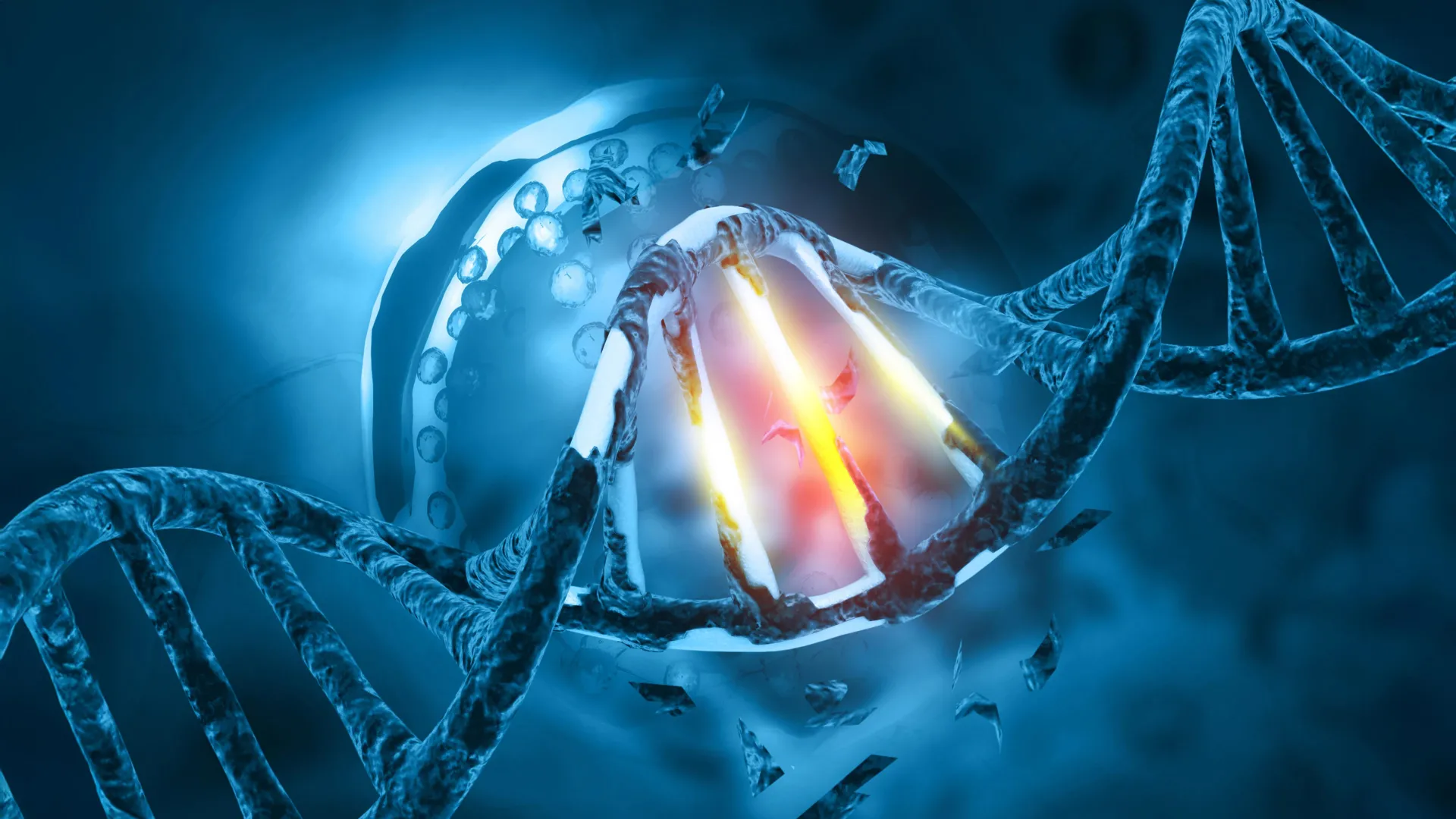
Researchers at the Penn State College of Medicine have uncovered a critical biological paradox that could redefine how clinicians approach the treatment of several aggressive cancers. While DNA repair proteins are traditionally viewed as the body’s primary defense against the genetic mutations that lead to malignancy, a new study published in Nature Communications reveals that an overabundance of a specific protein, EXO1, can actually trigger genomic instability. This phenomenon, which mimics the effects of the well-known BRCA gene mutations, suggests that EXO1 overexpression may serve as a vital biomarker for identifying patients who would benefit from targeted therapies previously reserved for a narrow subset of the population.
The study, led by George-Lucian Moldovan, a professor of molecular and precision medicine, and Alexandra Nusawardhana, a recent doctoral graduate, demonstrates that when the EXO1 gene is hyperactive, it ceases to be a guardian of the genome and instead begins to dismantle it. This discovery is particularly significant for the 20% to 30% of breast and ovarian cancer patients whose tumors exhibit this overexpression, as well as those suffering from melanoma, testicular, cervical, and hepatobiliary cancers.
The Paradox of DNA Repair and Tumor Suppression
At the cellular level, the human body relies on a sophisticated suite of tumor suppressor genes to maintain the integrity of the genetic code. These genes produce proteins that act as a biological "quality control" team, identifying and repairing the thousands of DNA lesions that occur daily due to environmental factors, metabolic processes, and errors in DNA replication. When these repair mechanisms are absent—as is the case with hereditary BRCA1 or BRCA2 mutations—the resulting accumulation of genetic errors significantly increases the risk of cancer.
However, the Penn State research highlights a "too much of a good thing" scenario. EXO1, or Exonuclease 1, is a protein that normally functions as a pair of molecular scissors. Its role is to trim damaged strands of DNA to facilitate the repair process. Under normal physiological conditions, this activity is tightly regulated. The study found that when EXO1 levels are pathologically high, these molecular scissors become indiscriminate, cutting into healthy DNA structures and destabilizing the genome. This instability is a hallmark of cancer progression, providing the genetic flexibility that allows tumors to grow, survive, and resist traditional treatments.
Mapping the Prevalence: From Breast Cancer to Hepatobiliary Tumors
To understand the scope of EXO1’s impact, the research team conducted an extensive bioinformatic analysis using data from The Cancer Genome Atlas (TCGA), a landmark program managed by the National Cancer Institute. Their investigation revealed that EXO1 overproduction is not an isolated event but a widespread feature across multiple cancer types.
The data indicated that high EXO1 levels are particularly prevalent in basal-like breast cancer, which is often referred to as "triple-negative" breast cancer. This subtype is notoriously aggressive, lacks common hormonal receptors, and has historically been difficult to treat with targeted therapies. Beyond breast and ovarian cancers, the researchers identified elevated EXO1 activity in:
- Melanoma: A lethal form of skin cancer.
- Hepatobiliary Cancers: Including malignancies of the liver, gallbladder, and bile ducts.
- Cervical and Testicular Cancers: Highlighting the protein’s role in reproductive system malignancies.
The discovery that EXO1 mimics the "BRCAness" phenotype—where a tumor behaves as if it has a BRCA mutation even when the BRCA genes are perfectly healthy—is a paradigm shift. It suggests that the clinical profile of a tumor may be more important than the specific inherited mutation a patient carries.
The Mechanics of Genomic Destruction: Molecular Scissors Gone Rogue
The core of the study involved rigorous laboratory experiments to determine exactly how excess EXO1 damages the cell. Using commercially available human cancer cell lines, the researchers artificially induced high levels of EXO1 to observe the resulting cellular chaos.
To ensure that the damage was caused by the protein’s enzymatic activity rather than its mere presence occupying space in the cell, the team created a "catalytically dead" version of EXO1. This disabled version produced the protein but lacked its "cutting" ability. The results were definitive: only the active, overexpressed EXO1 caused DNA degradation, confirming its role as a driver of genomic instability.
The researchers identified two primary mechanisms through which excess EXO1 destroys DNA:
- Expansion of Single-Stranded DNA Gaps: During the process of DNA replication, small gaps can naturally occur. Excess EXO1 widens these gaps, making the DNA strand fragile and prone to breaking.
- Degradation of Reversed Replication Forks: When a cell encounters obstacles while copying its DNA, it creates a structure called a "reversed replication fork" to pause and fix the issue. EXO1 overactivity causes these forks to be chewed away, leading to a loss of genetic material.
Dr. Alexandra Nusawardhana explained that these processes lead to the accumulation of "toxic lesions," such as double-strand breaks. While these breaks contribute to the development of cancer, they also represent a significant vulnerability that doctors can exploit during treatment.
Bridging the Gap: Targeted Therapy and Synthetic Lethality
The most promising aspect of the Penn State study lies in its implications for precision medicine. Because EXO1-overexpressing tumors behave like BRCA-mutant tumors, they appear to be susceptible to the same specialized drugs.
The research team tested the efficacy of olaparib, a PARP inhibitor. PARP inhibitors work on the principle of "synthetic lethality." In cells that already have a weakened DNA repair system (like those with BRCA mutations), blocking the PARP protein—another repair tool—leaves the cell with no way to fix its DNA, leading to programmed cell death. The study found that tumors with high EXO1 levels were highly sensitive to olaparib, responding with the same vigor as BRCA-mutant cancers.
Additionally, the team found that these tumors were sensitive to cisplatin, a common but harsh chemotherapy drug. The findings suggest that because EXO1-overexpressing cells are already "on the edge" of collapse due to DNA damage, they may require lower doses of cisplatin to achieve tumor shrinkage. This could significantly reduce the debilitating side effects often associated with platinum-based chemotherapies, such as kidney damage and neuropathy.
Chronology of the Research and Future Directions
The journey toward this discovery began with the team’s long-standing interest in the proteins involved in the replication stress response. The project moved through several distinct phases:
- Phase 1: Genomic Screening. The team utilized TCGA data to identify genes that were consistently upregulated in aggressive cancer subtypes. EXO1 emerged as a primary candidate due to its high correlation with poor prognosis in breast and ovarian cancers.
- Phase 2: Phenotypic Characterization. Researchers performed "in vitro" studies to observe the behavior of cells with high EXO1 levels, noting the striking similarity to BRCA-deficient cells.
- Phase 3: Mechanistic Validation. The use of CRISPR/Cas9 and other genetic engineering tools allowed the team to pinpoint the exact biochemical pathways (MRE11 interaction and replication fork degradation) involved.
- Phase 4: Therapeutic Testing. The final stage involved treating these engineered cells with clinical-grade drugs like olaparib to prove the therapeutic potential of their findings.
The team, which included Assistant Professor Claudia Nicolae, is now looking toward the clinical horizon. Their long-term goal is to initiate clinical trials that screen patients for EXO1 levels before deciding on a treatment regimen.
Expert Perspectives on the Future of Oncology
The findings reinforce a growing movement in oncology toward "tissue-agnostic" treatments. Traditionally, a patient with liver cancer would receive a standard "liver cancer" treatment. However, Professor Moldovan argues that the future of the field lies in treating the specific genetic landscape of the tumor, regardless of where in the body it originated.
"We shouldn’t treat cancers based on what tissue they come from but based on the landscape of the genetic mutations present in the tumors," Moldovan stated. "That would result in high-efficiency treatment. That’s the future of cancer treatment."
This approach could provide a lifeline for patients who do not have hereditary mutations but whose tumors have acquired "BRCA-like" characteristics through protein overexpression. By expanding the use of PARP inhibitors to the 20-30% of patients with high EXO1, the medical community could significantly improve survival rates for some of the most challenging forms of the disease.
Broad Implications and Statistical Context
The implications of this research are vast, considering the global burden of the cancers mentioned. Breast cancer remains the most diagnosed cancer worldwide, with over 2.3 million new cases annually. Ovarian cancer, while less common, has a high mortality rate due to late-stage diagnosis. If EXO1 can serve as a biomarker for even a quarter of these patients, it would affect hundreds of thousands of treatment plans every year.
Furthermore, the study sheds light on why some patients without BRCA mutations still respond well to "BRCA-specific" drugs—a clinical mystery that has puzzled oncologists for years. By identifying EXO1 as a culprit, the Penn State team has provided a new tool for the diagnostic toolkit.
The work was supported by the National Institutes of Health (NIH) and Four Diamonds, an organization dedicated to conquering childhood cancer. As the research moves from the laboratory to the clinic, the focus will remain on refining testing methods for EXO1 levels, ensuring that this discovery can be translated into a standard diagnostic test for cancer patients globally. This study stands as a testament to the complexity of the human genome, proving that in the delicate balance of life, even the body’s repair mechanisms must be maintained in perfect equilibrium.
