
 By admin
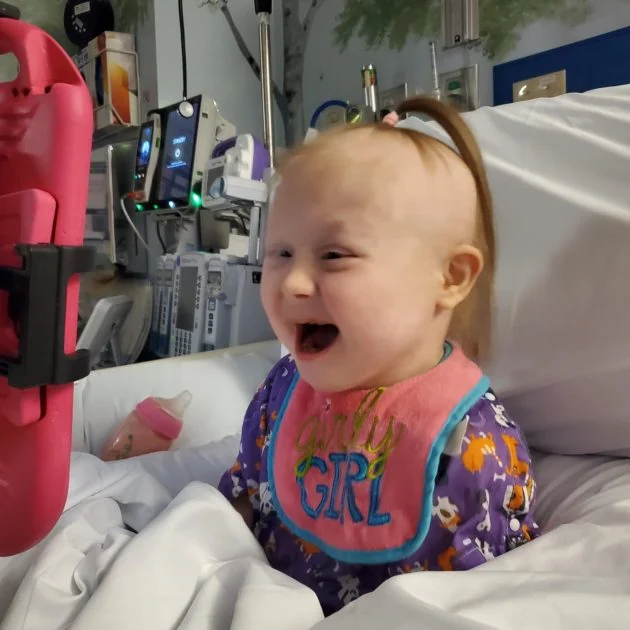
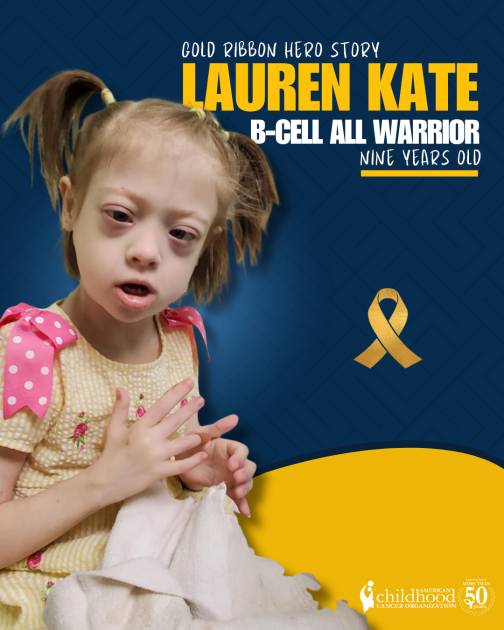
Lauren Kate, a nine-year-old resident of Tennessee, has emerged as a symbol of resilience within the pediatric oncology community following her diagnosis with B-Cell Acute Lymphoblastic Leukemia (ALL). Already navigating the complexities associated with Down syndrome, Lauren’s recent medical challenges have highlighted the unique intersection of chromosomal conditions and childhood cancer. Her diagnosis, confirmed on September 23, 2025, at East Tennessee Children’s Hospital, has initiated a rigorous treatment protocol that underscores the intensive nature of modern pediatric hematology and the profound impact such diagnoses have on family structures.
Clinical Presentation and the Path to Diagnosis
The onset of Lauren’s illness was marked by subtle but definitive physiological changes. In the weeks leading up to her diagnosis, her family observed a significant departure from her baseline behavior. Lauren, who had previously maintained an active and vibrant disposition, began exhibiting signs of chronic lethargy and malaise. The most alarming clinical sign, however, was the emergence of palpable lymphadenopathy—large, noticeable bumps under her neck.
Recognizing these as potential red flags for a systemic issue, her mother sought an urgent consultation with their primary care physician. During this initial assessment, clinical observations and preliminary blood work indicated a severely abnormal white blood cell count. In the context of pediatric medicine, a drastically elevated or depressed white blood cell count often necessitates immediate specialist intervention. Consequently, Lauren was referred to the emergency department at East Tennessee Children’s Hospital, a facility specialized in pediatric trauma and oncology.
Upon arrival at the hospital, medical teams performed a battery of diagnostic tests, including comprehensive metabolic panels and specialized imaging. The atmosphere of the clinical environment was one of escalating urgency as physicians worked to confirm the underlying cause of the lymphadenopathy and hematological abnormalities. On September 23, 2025, the oncology team delivered the definitive diagnosis: B-Cell Acute Lymphoblastic Leukemia.
Understanding B-Cell Acute Lymphoblastic Leukemia (ALL)
B-Cell Acute Lymphoblastic Leukemia is a malignant transformation of the B-lymphocyte precursors. In a healthy individual, these cells eventually mature into B-cells, which are responsible for producing antibodies to fight infection. In patients with ALL, these cells fail to mature and instead multiply uncontrollably in the bone marrow. As these "blast" cells accumulate, they crowd out healthy red blood cells, white blood cells, and platelets, leading to the symptoms of fatigue, increased infection risk, and bruising or swelling often seen in patients.
ALL is the most common form of childhood cancer, representing approximately 25% of all cancer diagnoses in children under the age of 15. While advancements in medical science have pushed the five-year survival rate for pediatric ALL to approximately 90%, the journey to remission remains one of the most taxing experiences a child can endure.
The Correlation Between Down syndrome and Leukemia
Lauren’s case is representative of a well-documented but complex medical phenomenon: the increased predisposition of children with Down syndrome (Trisomy 21) to certain types of leukemia. Research indicates that children with Down syndrome are 10 to 20 times more likely to develop Acute Lymphoblastic Leukemia than their peers in the general population.
The biological basis for this increased risk is linked to the extra copy of chromosome 21, which carries genes involved in the regulation of blood cell production and tumor suppression. Specifically, the overexpression of certain genes on chromosome 21 can disrupt the normal signaling pathways that govern cell division in the bone marrow. Furthermore, children with Down syndrome often face unique challenges during treatment, as their bodies may process chemotherapy drugs differently, sometimes leading to increased sensitivity to the toxicities of standard treatment protocols. This requires oncology teams to utilize highly tailored, precision-based approaches to balance the eradication of cancer cells with the preservation of the patient’s overall health.
Chronology of Treatment and Medical Intervention
Following her diagnosis in late September, Lauren was immediately enrolled in an intensive induction therapy phase. This period is designed to eliminate the majority of leukemia cells from the blood and bone marrow and to induce a state of complete remission.
To facilitate the delivery of high-dose chemotherapy and to minimize the trauma of repeated needle sticks, surgeons performed a port-a-cath insertion. This device, implanted under the skin, allows direct access to a major vein for the administration of medications and the drawing of blood samples.
Lauren’s treatment regimen has been comprehensive and invasive, including:
- Lumbar Punctures: Also known as spinal taps, these procedures are essential for checking the cerebrospinal fluid for the presence of leukemia cells. They are also used to administer intrathecal chemotherapy directly into the central nervous system to prevent the cancer from spreading to the brain.
- Chemotherapy Cycles: Lauren has undergone multiple rounds of systemic chemotherapy, which involve the use of powerful drugs to target rapidly dividing cells throughout the body.
- Bone Marrow Procedures: Frequent aspirations and biopsies are necessary to monitor the bone marrow’s response to treatment and to ensure that the blast cell count is decreasing according to the established clinical timeline.
Each of these procedures requires significant recovery time and often necessitates prolonged hospital stays, distancing Lauren from her home and familiar routines.
The Role of Support Systems and Familial Resilience
The impact of a pediatric cancer diagnosis extends far beyond the patient, fundamentally altering the lives of family members. For Lauren’s family, the diagnosis was met with a combination of shock and immediate mobilization. Her mother has been a primary advocate, navigating the complexities of the healthcare system while managing the emotional toll of the diagnosis.
A vital component of Lauren’s support system is her sister, Emma. In pediatric oncology, "sibling support" is recognized as a critical factor in the patient’s psychological well-being. Despite the gravity of her medical situation, Lauren continues to find solace in the normalcy of childhood activities, such as watching the television program Bubble Guppies. These moments of levity are not merely distractions; they are essential for maintaining a child’s mental health during long periods of isolation in clinical settings.
Statements from the American Childhood Cancer Organization (ACCO) emphasize that "kids can’t fight cancer alone." This mantra reflects the necessity of a multidisciplinary approach involving doctors, nurses, social workers, and family members. The ACCO and similar organizations provide resources that help families translate complex medical jargon into actionable information, ensuring that they remain active participants in the child’s care plan.
Regional Healthcare Impact and National Statistics
The role of East Tennessee Children’s Hospital in Lauren’s care highlights the importance of regional pediatric specialty centers. For families in the Appalachian region and surrounding areas, access to high-level oncology care is a critical factor in patient outcomes. Specialized pediatric hospitals offer more than just medical treatment; they provide an environment tailored to the developmental needs of children, which is particularly important for patients like Lauren who have existing developmental considerations.
On a national scale, childhood cancer remains a significant public health challenge. While survival rates have improved, the long-term effects of treatment—often referred to as "late effects"—remain a concern. These can include heart damage, secondary cancers, and cognitive changes. For children with Down syndrome, who may already face certain health predispositions, the monitoring of these late effects is an integral part of survivorship care.
According to data from the National Cancer Institute (NCI), while billions of dollars are directed toward cancer research annually, only a small fraction (approximately 4%) of federal funding is specifically earmarked for pediatric cancer research. This disparity has led to a heavy reliance on non-profit organizations and private donations to fund clinical trials and support services for families.
Broader Implications and the Path Forward
Lauren Kate’s journey as a "B-Cell ALL warrior" serves as a poignant reminder of the ongoing need for specialized research into the intersection of genetic conditions and oncology. Her case illustrates the necessity of "person-centered care," where the treatment plan accounts not only for the malignancy but also for the patient’s unique genetic and developmental profile.
As Lauren continues her treatment, her progress will be closely monitored by a team of hematologists and oncologists. The goal remains clear: achieving and maintaining long-term remission while preserving her quality of life. Her story has resonated with the local community and the ACCO, sparking renewed calls for awareness and funding for childhood cancer.
The resilience displayed by Lauren—characterized by her ability to find joy in her favorite shows and time with her sister despite the rigors of chemotherapy—is a testament to the strength of pediatric patients. However, strength alone is insufficient to combat leukemia. It requires the continued advancement of medical science, the unwavering support of family, and the collective efforts of society to ensure that children like Lauren have the opportunity to move beyond their diagnosis and into a healthy future.
In the broader context of healthcare policy, Lauren’s situation underscores the importance of accessible, high-quality pediatric care and the need for continued investment in rare disease and pediatric cancer research. As the medical community moves toward more personalized medicine, the lessons learned from patients like Lauren will undoubtedly contribute to more effective and less toxic treatments for future generations of children facing similar battles.
