
 By Suherman Candra Maholtra
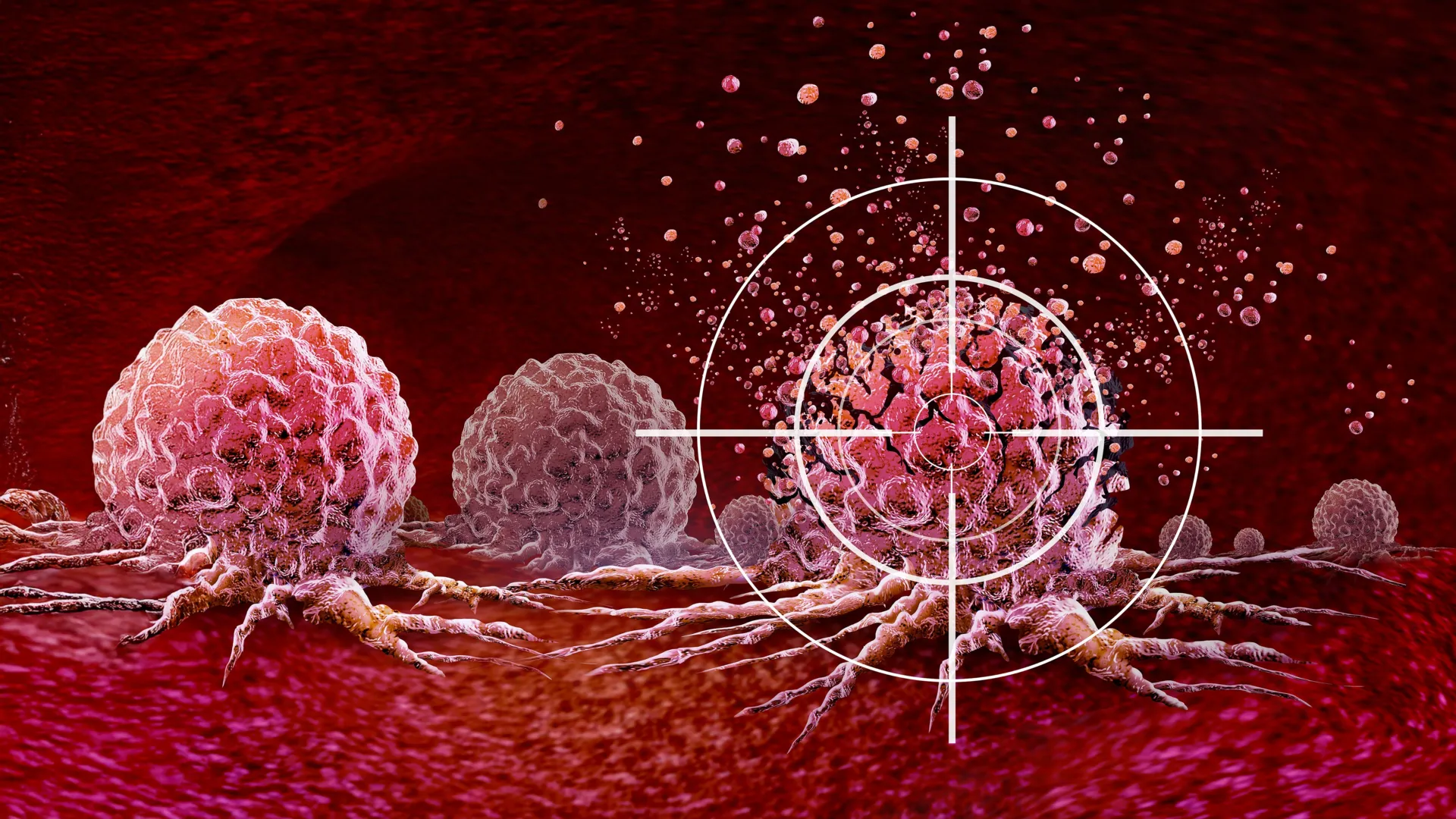
Researchers at the University of Virginia Comprehensive Cancer Center have announced a significant advancement in the treatment of glioblastoma, a discovery that integrates genetic engineering, nanotechnology, and precision sound-wave technology to penetrate the brain’s most formidable defenses. Led by Roger Abounader, MD, PhD, the research team has successfully demonstrated a method to deliver therapeutic microRNAs directly into brain tumors, potentially overcoming the biological barriers that have rendered glioblastoma one of the most lethal forms of cancer in modern medicine. This experimental strategy, detailed in the Journal of Clinical Investigation, represents a multi-pronged assault on tumor growth, targeting the genetic machinery of cancer cells while utilizing focused ultrasound to bypass the blood-brain barrier.
The Formidable Challenge of Glioblastoma Multiforme
Glioblastoma multiforme (GBM) is categorized by the World Health Organization as a Grade 4 astrocytoma, the most aggressive and common primary brain tumor in adults. In the United States alone, approximately 13,000 to 15,000 new cases are diagnosed annually, with a devastatingly low five-year survival rate that hovers below 7%. The difficulty in treating GBM arises from its unique biological characteristics. Unlike many other tumors that form distinct, encapsulated masses, glioblastoma is highly infiltrative. It sends microscopic "tentacles" into surrounding healthy brain tissue, making complete surgical resection nearly impossible. Even when a surgeon removes the visible tumor, residual cells often remain, leading to a recurrence rate of nearly 100%.
Furthermore, the brain is protected by the blood-brain barrier (BBB), a semi-permeable border of endothelial cells that prevents solutes in the circulating blood from non-selectively crossing into the extracellular fluid of the central nervous system. While this barrier is essential for protecting the brain from toxins and pathogens, it also blocks more than 98% of small-molecule drugs and nearly 100% of large-molecule therapies, including many modern chemotherapies and biologics. Consequently, the standard of care—consisting of surgery followed by radiation and the chemotherapy drug temozolomide—has seen little fundamental change in decades, leaving patients with limited options once the tumor progresses.
A New Genetic Arsenal: The Power of MicroRNAs
The UVA team’s innovation centers on the use of microRNAs (miRNAs), which are small, non-coding RNA molecules that play a crucial role in regulating gene expression. Unlike traditional targeted therapies that focus on a single protein or signaling pathway, a single microRNA can regulate dozens or even hundreds of genes simultaneously. This "multi-target" capability is particularly advantageous for glioblastoma, which is characterized by vast genetic heterogeneity and the ability to adapt to single-target drugs.
Dr. Abounader and his colleagues identified specific microRNAs capable of interfering with the pathways that glioblastoma cells use to proliferate, resist apoptosis (programmed cell death), and promote the growth of new blood vessels (angiogenesis). By introducing these molecules into the tumor environment, the researchers can effectively "silence" the genes driving the cancer’s progression. This approach addresses the problem of "undruggable" targets—molecules essential for cancer growth for which no traditional chemical inhibitors currently exist. By targeting the genetic precursors of these proteins, the UVA team is opening a new front in oncological warfare.
Precision Delivery via Focused Ultrasound and Microbubbles
The most significant hurdle in RNA-based therapy is delivery. RNA molecules are fragile and easily degraded in the bloodstream; furthermore, they cannot cross the blood-brain barrier on their own. To solve this, the UVA researchers utilized a sophisticated three-part delivery system: specialized nanoparticles, microscopic bubbles, and focused ultrasound (FUS).
The process begins by encapsulating the microRNAs within protective nanoparticles designed to shield the genetic material from degradation. These nanoparticles are then injected into the bloodstream along with "microbubbles"—tiny, gas-filled spheres already used in medical imaging. The critical component is the focused ultrasound, a technology that UVA Health has pioneered for various neurological applications. Guided by real-time Magnetic Resonance Imaging (MRI), clinicians can direct high-frequency sound waves to the exact coordinates of the brain tumor.
When the ultrasound waves hit the microbubbles circulating in the tumor’s vasculature, the bubbles begin to vibrate or "oscillate." This mechanical force, known as stable cavitation, creates temporary gaps between the cells of the blood-brain barrier. For a brief window of time, the barrier becomes permeable, allowing the miRNA-laden nanoparticles to pass from the blood vessels into the brain tissue. Once inside, the nanoparticles are taken up by the cancer cells, where they release their genetic payload to disrupt tumor growth.
Experimental Results and Quantitative Success
The efficacy of this strategy was rigorously tested in laboratory settings and animal models of glioblastoma. The results, published in JCI, indicate a statistically significant impact on tumor progression and overall survival. In subjects treated with the combination of focused ultrasound and microRNA nanoparticles, the researchers observed a marked slowing of tumor volume increase compared to control groups receiving standard treatments or ultrasound alone.
Data from the study highlighted that the microRNA treatment not only inhibited the primary tumor mass but also appeared to affect the invasive margins of the cancer. Survival curves for the animal models showed a prolonged lifespan, suggesting that the "multi-gene silencing" approach provides a more durable response than traditional methods. While these results are currently limited to preclinical models, the consistency of the data provides a strong foundation for moving toward human clinical trials.
Institutional Synergy: The FUSION Center and Manning Institute
The success of this research is a testament to the collaborative ecosystem at the University of Virginia. UVA Health has established itself as a global leader in focused ultrasound technology, hosting the world’s first Focused Ultrasound Immuno-Oncology (FUSION) Center. This center, a partnership with the Charlottesville-based Focused Ultrasound Foundation, is dedicated to exploring how sound waves can be used not just to deliver drugs, but to stimulate the body’s immune system to recognize and attack cancer cells.
The project also aligns with the mission of the Paul and Diane Manning Institute of Biotechnology. Established with a landmark gift to accelerate the transition of laboratory discoveries into clinical realities, the Manning Institute provides the infrastructure necessary for "translational" medicine. This includes specialized manufacturing facilities for cellular and genetic therapies and a statewide clinical trials network that ensures patients across Virginia have access to cutting-edge treatments.
UVA Comprehensive Cancer Center’s status as one of only 57 NCI-designated comprehensive cancer centers in the United States further underscores the institutional depth supporting Dr. Abounader’s work. This designation is reserved for institutions that demonstrate the highest level of scientific excellence and the ability to integrate diverse research disciplines to solve complex medical challenges.
Broader Implications for Neurology and Oncology
While the immediate focus of this research is glioblastoma, the implications of a reliable method for non-invasively opening the blood-brain barrier are profound. This technology could potentially be adapted to treat a variety of central nervous system disorders that are currently restricted by the BBB, including:
- Alzheimer’s and Parkinson’s Disease: Delivering antibodies or gene-silencing therapies to clear amyloid plaques or reduce toxic protein accumulation.
- Pediatric Brain Tumors: Providing less toxic, more targeted alternatives to systemic chemotherapy for children.
- Metastatic Brain Cancer: Treating cancers that have spread to the brain from other organs, such as the lungs or breast.
- Epilepsy and Functional Disorders: Precisely delivering neuroactive compounds to specific regions of the brain without systemic side effects.
Dr. Abounader emphasized that the ultimate goal is a paradigm shift in how we approach "incurable" diseases. "This approach could have broad applications for several brain and other human diseases," he stated. "We and many others are intensively working to lighten the burden of cancer, and hopefully also completely cure it, but this requires a continued investment in cancer and medical research."
The Path to Clinical Trials
Despite the promising laboratory results, the transition from animal models to human patients involves rigorous safety testing and regulatory hurdles. The next steps for the UVA team involve optimizing the nanoparticle design for human use and determining the ideal dosage and frequency of the ultrasound sessions.
The researchers must also ensure that the temporary opening of the blood-brain barrier does not allow harmful toxins or pathogens to enter the brain, though previous studies on focused ultrasound for essential tremor have shown that the barrier typically closes within 24 hours without long-term neurological damage.
The study was a massive collaborative effort, involving dozens of scientists from departments ranging from Microbiology and Immunology to Radiology and Biomedical Engineering. Funding for the research was provided by multiple grants from the National Institutes of Health (NIH), the National Cancer Institute (NCI), and the National Institute of Neurological Disorders and Stroke (NINDS), as well as philanthropic support from the Schiff Foundation, the Ben and Catherine Ivy Foundation, and the Focused Ultrasound Foundation.
As the University of Virginia continues to expand its biotechnology footprint, the integration of focused ultrasound and genetic medicine stands as a beacon of hope for patients facing a glioblastoma diagnosis. By turning the brain’s own protective barrier into a gateway for healing, Dr. Abounader and his team are redefining the boundaries of what is possible in the fight against the world’s most aggressive cancers.
