
 By admin
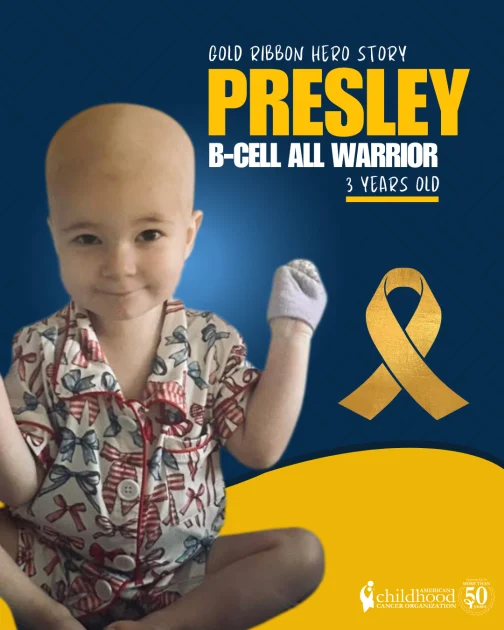
The intersection of pediatric healthcare and parental advocacy was highlighted recently through the case of Presley, a three-year-old girl whose journey from a routine childhood injury to a life-altering cancer diagnosis underscores the complexities of identifying B-Cell Acute Lymphoblastic Leukemia (ALL). In March 2025, an incident involving the family dog led to a suspected leg injury for the toddler. However, what initially appeared to be a standard orthopedic concern soon evolved into a medical emergency that required aggressive oncological intervention. This case serves as a poignant example of the challenges inherent in diagnosing pediatric leukemia, which often presents with symptoms that mimic more common, less severe childhood ailments.
The Chronology of Diagnosis and Early Intervention
The timeline of Presley’s medical journey began in the early spring of 2025. Following an accidental collision with the family dog, Presley began experiencing significant pain in her leg. Initial assessments suggested a traumatic injury, a common occurrence in active three-year-olds. However, the standard recovery period for such an injury passed without improvement. By several weeks post-incident, the persistence of the pain prompted her mother to seek further medical evaluation, driven by the observation that the child’s condition was deteriorating rather than stabilizing.
Upon returning to the clinical setting, medical professionals identified a suspected mass in the leg. This finding necessitated immediate hospitalization for comprehensive diagnostic imaging and blood work. Within twenty-four hours of admission, the diagnosis was confirmed not as a localized orthopedic issue, but as B-Cell Acute Lymphoblastic Leukemia. This rapid transition from a suspected physical injury to a systemic hematologic malignancy is a documented phenomenon in pediatric oncology, as leukemia can cause bone pain and joint swelling that frequently leads to initial misdiagnosis.
Following the diagnosis, a rigorous treatment protocol was initiated. The primary phase of treatment involved weekly chemotherapy sessions and regular spinal taps (lumbar punctures) to ensure the cancer had not spread to the central nervous system. The physiological toll of these interventions was profound. The severity of the pain and the side effects of the medication resulted in Presley losing the ability to walk for a period exceeding three months. This necessitated a secondary focus on physical rehabilitation, as the toddler essentially had to undergo the developmental process of learning to walk for a second time while simultaneously battling a life-threatening illness.
Understanding B-Cell Acute Lymphoblastic Leukemia
B-Cell Acute Lymphoblastic Leukemia is a type of cancer in which the bone marrow produces too many immature lymphocytes, a type of white blood cell. It is the most common form of childhood cancer, representing approximately 75% to 80% of all pediatric leukemia cases. While the prognosis for ALL has improved significantly over the last several decades, the treatment remains one of the most intensive regimens in pediatric medicine.
The disease typically progresses rapidly if left untreated, as the overproduction of malignant white blood cells crowds out healthy red blood cells, normal white blood cells, and platelets. This leads to the hallmark symptoms of the disease: anemia, frequent infections, and easy bruising or bleeding. Bone and joint pain, as seen in Presley’s case, occur when the leukemic cells accumulate near the surface of the bone or inside the joint.
According to data from the American Cancer Society and the National Cancer Institute, the five-year survival rate for children with ALL now exceeds 90%. However, this statistical success is predicated on a treatment window that often spans two to three years. The process is divided into several phases: induction (to achieve remission), consolidation (to eliminate any remaining undetectable cells), and maintenance (to prevent recurrence). Presley is currently in the maintenance phase, a period characterized by ongoing oral chemotherapy and periodic intravenous treatments designed to keep the disease at bay while allowing the patient to regain some semblance of a normal lifestyle.
The Role of Parental Advocacy in Pediatric Outcomes
A critical element in Presley’s survival was the intervention of her mother, who insisted on additional testing when the initial injury failed to heal. In pediatric medicine, clinical experts often emphasize the "parental intuition" factor as a vital diagnostic tool. Because young children frequently lack the vocabulary to describe the nuance of their pain, caregivers are the primary observers of behavioral shifts that may indicate a deeper underlying pathology.
Medical professionals argue that Presley’s case highlights the necessity of a collaborative approach between parents and clinicians. When symptoms persist beyond the expected timeframe for a minor injury—such as localized pain, lethargy, or a refusal to bear weight—it often signals the need for a complete blood count (CBC) or advanced imaging. In Presley’s instance, the transition from a suspected leg mass to a leukemia diagnosis within 24 hours suggests that once the appropriate tests were ordered, the clinical indicators of the disease were unmistakable.
Supporting Data and National Impact
The impact of childhood cancer extends far beyond the individual patient, affecting the socio-economic stability of families and requiring significant national healthcare resources. It is estimated that approximately 15,000 children and adolescents in the United States are diagnosed with cancer each year. Among these, leukemia remains the leading diagnosis.
The financial implications for families are staggering. A study published in the Journal of Oncology Practice indicates that the out-of-pocket costs and lost wages for families undergoing pediatric cancer treatment can account for a substantial portion of the household income, even for those with comprehensive insurance. Organizations like the American Childhood Cancer Organization (ACCO) play a pivotal role in bridging this gap, providing resources, advocacy, and support for families navigating the complexities of the healthcare system.
Furthermore, the long-term health implications for survivors like Presley are a subject of ongoing research. While the cure rates are high, the "late effects" of intensive chemotherapy and radiation can include cardiovascular issues, secondary cancers, and cognitive developmental delays. This has led to an increased push for "targeted therapies" that can treat the cancer with less collateral damage to the child’s developing body.
Official Responses and Clinical Implications
While specific statements from Presley’s medical team remain confidential due to privacy regulations, the broader pediatric oncology community often uses such cases to advocate for increased awareness of early warning signs. The American Academy of Pediatrics (AAP) suggests that while childhood cancer is rare, persistent symptoms such as unexplained fever, sudden weight loss, and localized bone pain should be evaluated with a high index of suspicion.
Advocacy groups have also utilized Presley’s story to emphasize the phrase "Kids can’t fight cancer alone." This slogan serves as a reminder that the "warrior" narrative often applied to pediatric patients must be supported by a robust infrastructure of medical expertise, familial support, and public funding. The transition from the acute phase of treatment to the maintenance phase is often described by clinicians as a "new normal," where the focus shifts from survival to quality of life and developmental milestones.
Broader Impact and the Path Forward
Today, Presley’s progress is a testament to the efficacy of modern pediatric protocols and the importance of early detection. Her ability to return to childhood activities, such as riding a tricycle, represents a significant victory in her rehabilitation. However, her journey is far from over. The maintenance phase of ALL treatment requires constant vigilance, regular blood monitoring, and the management of long-term side effects.
The broader implications of Presley’s case reside in the call for continued research and funding. Despite being the leading cause of death by disease in children, pediatric cancer research receives a disproportionately small percentage of federal funding compared to adult cancers. Advocates argue that stories like Presley’s are essential for humanizing the statistics and driving the policy changes necessary to ensure that every child has access to life-saving diagnostics and treatment.
In conclusion, the case of Presley illustrates the sudden and transformative nature of a pediatric cancer diagnosis. From a simple fall in March 2025 to a grueling battle with B-Cell ALL, her story reflects the resilience of the human spirit and the critical importance of medical persistence. As she continues her maintenance treatment, her journey remains a beacon for other families facing similar diagnoses, highlighting the necessity of trusting one’s instincts and the power of comprehensive oncological care. Through continued awareness and support for organizations dedicated to childhood cancer, the medical community aims to ensure that more children can move past their diagnosis and return to the simple joys of childhood.
