
 By admin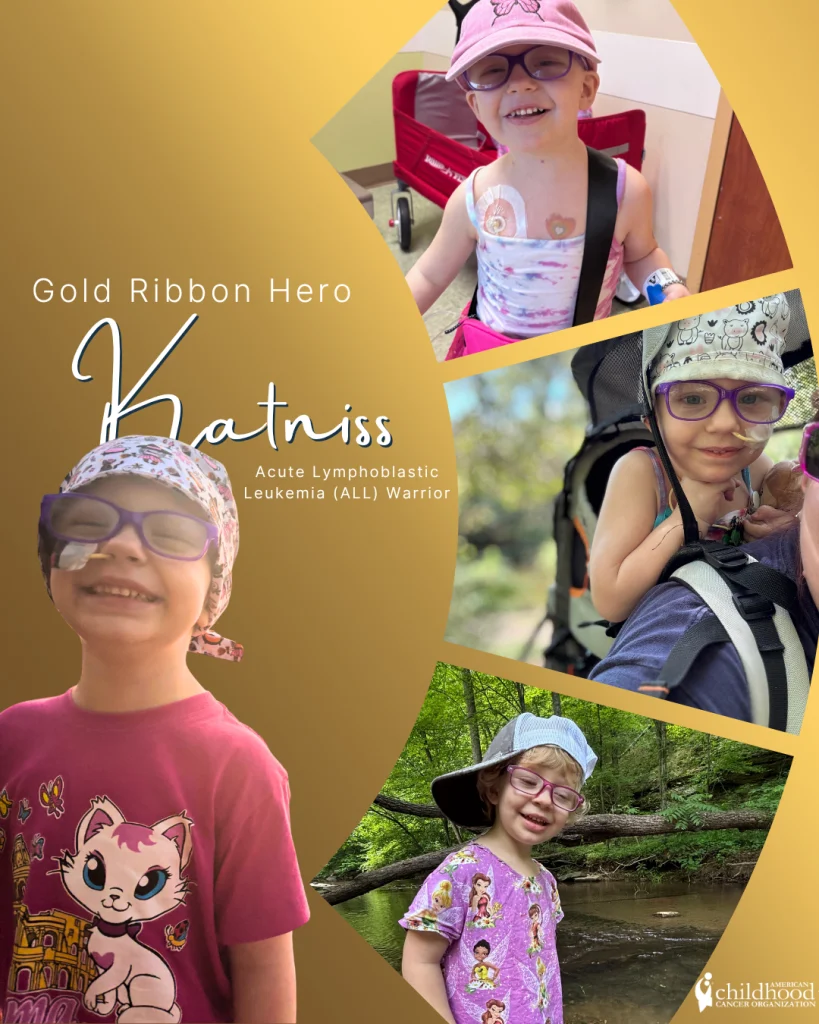
In the landscape of pediatric oncology, the diagnosis of a child with cancer represents one of the most challenging experiences a family can endure, yet the story of a young patient named Katniss provides a profound look into the intersection of medical adversity, generational resilience, and community-driven advocacy. Katniss, a toddler diagnosed with Acute Lymphoblastic Leukemia (ALL) in mid-2025, has become a central figure for the American Childhood Cancer Organization (ACCO), illustrating both the clinical rigors of modern cancer treatment and the vital importance of philanthropic support systems. Her journey, marked by a rare familial connection to the disease and a high-profile ambassadorship at the Grand Ole Opry, underscores the ongoing battle against the most common form of childhood cancer in the United States.
The Clinical Genesis of a Leukemia Diagnosis
The medical trajectory for Katniss began in June 2025, following what initially appeared to be a routine childhood illness. According to clinical reports and family testimony, the child had been suffering from a persistent case of strep throat that failed to respond to standard antibiotic protocols. The situation escalated rapidly when she began vomiting blood, a critical symptom that prompted her parents to seek emergency medical intervention. Upon admission to the emergency department, laboratory results revealed a precarious hematological state: Katniss was both neutropenic—a condition characterized by an abnormally low count of neutrophils, the white blood cells essential for fighting off infections—and anemic.
These symptoms are classic clinical indicators of Acute Lymphoblastic Leukemia, a type of cancer in which the bone marrow makes too many immature lymphocytes. The rapid proliferation of these "blast" cells crowds out healthy red blood cells, white blood cells, and platelets, leading to the exhaustion and vulnerability observed in Katniss’s initial presentation. Within days of her ER visit, a definitive diagnosis was confirmed, thrusting the family into a multi-year medical odyssey.
A Generational Struggle: The Survivor Connection
What distinguishes Katniss’s case from many other pediatric oncology stories is the poignant historical context of her family. Her mother, Katherine, is herself a survivor of childhood leukemia. The revelation that her daughter would face the same life-threatening malignancy she once overcame added a layer of psychological and emotional complexity to the diagnosis. In statements provided to the ACCO, Katherine expressed the profound heartbreak of seeing her child enter a battle she knew all too well.
While most cases of ALL are not considered hereditary in the traditional sense—often resulting from somatic mutations rather than germline inheritance—medical researchers continue to study the potential for genetic predispositions in families with multiple instances of the disease. For the family, the mother’s history serves as both a source of trauma and a reservoir of specialized strength, providing a unique perspective on the long-term survival possible through modern medicine.
The Comprehensive Treatment Protocol
The treatment of Acute Lymphoblastic Leukemia is a marathon of clinical intervention, typically spanning several years to ensure the total eradication of malignant cells and to prevent relapse. Katniss has embarked on a projected two-and-a-half-year chemotherapy regimen, a standard duration for female ALL patients (male patients often require longer protocols due to the potential for the disease to hide in specific physiological reservoirs).
The logistics of this treatment are invasive and demanding. Katniss underwent surgery for the placement of a chemotherapy port, a device implanted under the skin to allow for the frequent administration of drugs and the drawing of blood without repeated needle sticks. Her protocol also involves periodic bone marrow biopsies to monitor the presence of cancer cells at the source and lumbar punctures (spinal taps) to deliver chemotherapy directly into the cerebrospinal fluid, a necessary step to prevent the leukemia from spreading to the central nervous system. Despite the grueling nature of these procedures, medical staff and family members have noted Katniss’s remarkable resilience, frequently describing her "sassy" and spirited personality as a vital asset in her recovery process.
Community Advocacy: The Grand Ole Opry Chili Cook-Off
In recognition of her courage, Katniss was selected as a featured ambassador for the 2025 Grand Ole Opry Chili Cook-Off in Nashville, Tennessee. This annual event serves as a major fundraising vehicle for the ACCO, leveraging the cultural influence of the Nashville music scene to generate resources for childhood cancer research and family support services. The cook-off brings together local chefs, musicians, and community members in a competitive philanthropic effort.
Although medical complications prevented Katniss from attending the event during its scheduled date, the organizers and the ACCO facilitated a private experience for the family a few weeks later. This visit included a comprehensive tour of the historic Grand Ole Opry House and the opportunity to attend a live show. Such initiatives are designed not only to raise funds but to provide "normalcy" and joy to children whose lives are otherwise dominated by hospital schedules and sterile environments. The ambassadorship program highlights the human face of the statistics, connecting donors to the individual lives impacted by their contributions.
Understanding the Landscape of Acute Lymphoblastic Leukemia
To understand the significance of Katniss’s journey, one must look at the broader data surrounding pediatric ALL. It remains the most common childhood cancer, accounting for approximately 25% of all cancer diagnoses in children under the age of 15. While the five-year survival rate has seen a dramatic increase over the last four decades—now exceeding 90% in many developed nations—the intensity of the treatment remains a significant burden.
The data indicates that approximately 3,000 children and adolescents are diagnosed with ALL annually in the United States. The peak incidence occurs between the ages of two and five, which aligns with Katniss’s age group. Despite high survival rates, the long-term side effects of chemotherapy, including potential impacts on cardiac health, cognitive development, and secondary malignancies, necessitate ongoing research into less toxic and more targeted therapies.
The Role of the American Childhood Cancer Organization (ACCO)
The ACCO, which facilitated the sharing of Katniss’s story, plays a critical role in the national response to pediatric cancer. Founded in 1970 by parents of children with cancer, the organization focuses on three main pillars: advocacy, education, and support. For families like Katniss’s, the ACCO provides resources that help navigate the complex healthcare system, offering everything from "Medical Play Kits" that help children understand their procedures to legislative advocacy aimed at increasing federal funding for pediatric-specific research.
The funding generated by events like the Grand Ole Opry Chili Cook-Off is diverted toward these essential services. In the current economic climate, the cost of cancer treatment can be catastrophic for families; even with insurance, the incidental costs of travel, specialized nutrition, and lost wages for caregiving parents create significant financial strain. Community fundraisers act as a safety net, ensuring that the focus remains on the child’s health rather than the family’s solvency.
Broader Implications and the Future of Pediatric Oncology
The narrative of Katniss and her mother serves as a powerful testament to the progress made in oncology while highlighting the work that remains. The fact that a survivor from a previous generation is now raising a child facing the same disease illustrates the success of past research. However, the reliance on intensive, multi-year chemotherapy underscores the need for a paradigm shift in treatment.
Current trends in pediatric oncology are moving toward immunotherapy and precision medicine. CAR T-cell therapy, for example, has shown remarkable results in relapsed ALL cases, offering a more targeted approach that utilizes the body’s own immune system to fight cancer. While Katniss is currently following a traditional chemotherapy path, the data gathered from her journey and thousands like it contributes to the global understanding of the disease, eventually informing the next generation of life-saving protocols.
The resilience displayed by Katniss during her treatment—continuing to show her personality despite the physiological toll of chemotherapy—reflects the spirit of the thousands of "warriors" diagnosed each year. Her role as an ambassador for the ACCO ensures that her individual struggle contributes to a larger collective effort. As she continues her two-and-a-half-year journey toward remission, her story remains a beacon of hope and a call to action for continued investment in childhood cancer advocacy.
In conclusion, the story of Katniss is more than a medical case study; it is a synthesis of historical progress and future necessity. From the emergency room in June 2025 to the stage of the Grand Ole Opry, her path illustrates the multifaceted nature of the fight against leukemia. It is a fight waged in laboratories and hospitals, but also in the hearts of communities that refuse to let these young patients face their challenges alone. Through the continued efforts of organizations like the ACCO and the support of the public, the goal remains clear: a future where a diagnosis of leukemia is met not with fear, but with the certainty of a cure.
