
 By admin
Adrienne Skinner’s journey through a harrowing cancer diagnosis to a life-affirming recovery stands as a powerful testament to the advancements in immunotherapy and the critical role of patient advocacy. Despite her vigilant approach to routine cancer screenings, necessitated by her Lynch syndrome diagnosis, nothing could have prepared her for the grim reality of a rare, stage 4 ampullary cancer with a profoundly challenging prognosis. Her remarkable story, culminating in a complete remission thanks to a groundbreaking clinical trial, illuminates the evolving landscape of cancer treatment, particularly for those battling aggressive and uncommon malignancies.
Adrienne’s Vigilance and the Shadow of Lynch Syndrome
For individuals like Adrienne, Lynch syndrome casts a long shadow over their health. This inherited genetic condition, affecting approximately one in every 279 people in the United States, significantly elevates the lifetime risk of developing various cancers, often at a younger age than typically observed. Lynch syndrome is caused by mutations in DNA mismatch repair (MMR) genes (most commonly MLH1, MSH2, MSH6, and PMS2). These genes are crucial for correcting errors that occur during DNA replication. When these genes are mutated, the body’s ability to repair DNA damage is compromised, leading to an accumulation of genetic mutations that can drive uncontrolled cell growth and, ultimately, cancer. If a parent carries a Lynch syndrome gene mutation, each biological child faces a 50% chance of inheriting the condition.
Adrienne’s awareness of her genetic predisposition meant she was proactive about surveillance. However, the insidious nature of cancer can sometimes outpace even the most diligent monitoring. Her diagnosis of ampullary cancer, a type of bile duct cancer, was particularly alarming given its rarity and advanced stage. Ampullary cancer originates in the ampulla of Vater, a small, critical anatomical structure where the bile duct and pancreatic duct join before emptying into the small intestine. This location makes early detection difficult, and by the time symptoms manifest, the disease is often locally advanced or has metastasized.
The Desperate Search for a Cure: Failed Chemotherapy and a Fading Hope
Upon diagnosis, Adrienne faced a brutal reality. Her cancer was stage 4, indicating it had spread beyond its primary site, in her case, to her liver. The conventional treatment pathway typically involves surgery (if feasible), chemotherapy, and radiation. However, for advanced ampullary cancer, especially with metastases, treatment options are limited, and the efficacy of chemotherapy can be disappointingly low. Historically, the five-year survival rate for metastatic ampullary cancer has been less than 20%, painting a bleak picture for patients like Adrienne.
Adrienne endured multiple chemotherapy regimens, each bringing its own set of debilitating side effects, yet none succeeded in halting the relentless progression of her disease. As her health deteriorated, she became increasingly ill and exhausted, and hope began to wane. It was at this critical juncture, with conventional medicine offering no further solutions, that she was presented with a final, potentially life-altering option: enrollment in a clinical trial testing a novel immunotherapy.
A Turning Point: The Promise of Immunotherapy and Adrienne’s Advocacy

The opportunity to join a clinical trial was not a guaranteed path to recovery. Clinical trials are research studies that test new medical approaches, drugs, or devices in people. They are essential for discovering new treatments and improving existing ones, but they carry inherent uncertainties. Adrienne’s trial focused on an immunotherapy designed for cancers exhibiting a specific genetic marker—a marker that, crucially, was present in her tumor. This personalized approach to cancer treatment, matching therapy to the unique genetic profile of a patient’s tumor, represents a paradigm shift in oncology.
Despite not being initially considered an ideal candidate due to various factors, Adrienne’s unwavering determination and fierce self-advocacy played a pivotal role in her enrollment. She understood that this trial represented her last chance. Her persistence paid off, and she was ultimately accepted into the study, receiving treatment with Keytruda® (pembrolizumab).
Understanding Immunotherapy: Harnessing the Body’s Own Defenses
Immunotherapy represents a revolutionary approach to cancer treatment, fundamentally different from traditional chemotherapy or radiation. While chemotherapy involves introducing drugs to directly attack and kill cancer cells, and radiation uses high-energy rays to damage them, immunotherapy works by empowering the patient’s own immune system to recognize and destroy cancer cells. The immune system, a sophisticated network of cells and organs, is designed to protect the body from foreign invaders and abnormal cells, including cancer. However, cancer cells are often adept at evading immune detection or suppressing immune responses, effectively cloaking themselves from attack.
Keytruda® (pembrolizumab) is an immune checkpoint inhibitor (ICI). To understand how ICIs work, it helps to think of the immune system as having "brakes" that prevent it from overreacting and attacking healthy tissues. Checkpoint proteins, such as PD-1 (Programmed Death-1) on immune cells and PD-L1 (Programmed Death-Ligand 1) on cancer cells, act as these brakes. When PD-1 binds to PD-L1, it tells the immune cell (T-cell) not to attack. Many cancers exploit this mechanism by expressing high levels of PD-L1, effectively shutting down the immune response against them. Immunotherapy drugs like Keytruda® block this interaction, releasing the brakes on the immune system and allowing T-cells to recognize and attack cancer cells.
For Adrienne, the presence of a specific genetic marker in her tumor, likely indicating microsatellite instability-high (MSI-H) or mismatch repair deficient (dMMR) status—common in Lynch syndrome-associated cancers—was key. Tumors with MSI-H/dMMR status accumulate a high number of mutations, making them more "visible" to the immune system and often more responsive to checkpoint inhibitors.
A Miraculous Remission and a New Lease on Life
The results of Adrienne’s immunotherapy treatment were nothing short of miraculous. Within months of starting Keytruda, her cancer began to recede, and remarkably, it disappeared completely. A surgeon, upon reviewing her scans, was astounded, stating, "If someone hadn’t told me you had ampullary cancer, I wouldn’t have believed it. There’s just nothing there." This profound response, achieved in 2014, has been sustained; Adrienne has remained without evidence of disease ever since.
Her case quickly became a beacon of hope, not just for patients with rare ampullary cancer but for the broader oncology community. It underscored the transformative potential of precision medicine and immunotherapy, particularly in situations where conventional treatments have failed.

The Challenge of Rare Cancers: Gallbladder and Bile Duct Cancers
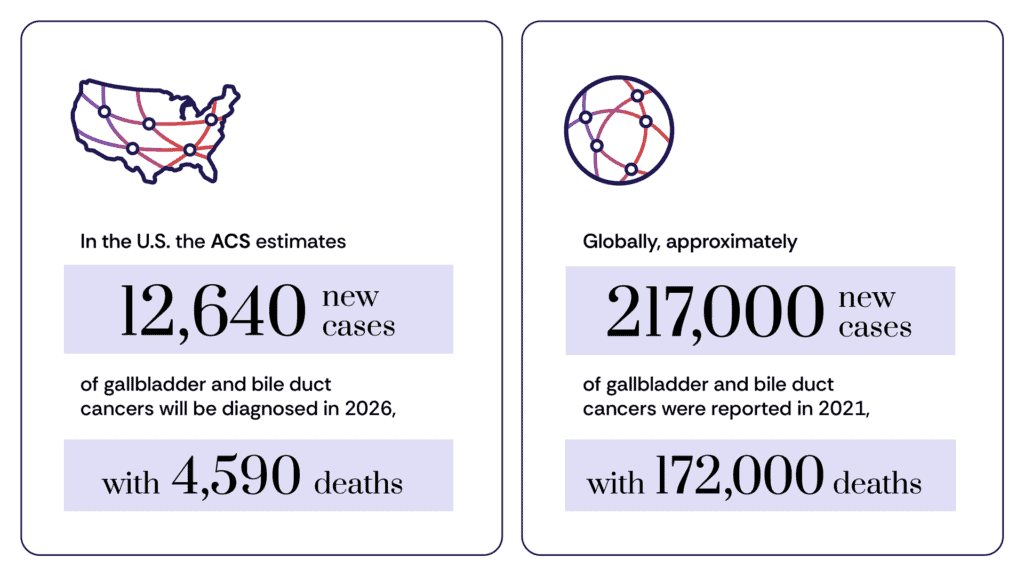
Adrienne’s ampullary cancer falls under the umbrella of gallbladder and bile duct cancers, a group of relatively rare malignancies that pose significant diagnostic and treatment challenges. February is recognized as Gallbladder and Bile Duct Cancer Awareness Month, a crucial time dedicated to shedding light on these often-overlooked diseases. Awareness efforts aim to improve early detection, accelerate research, and share patient narratives like Adrienne’s to highlight the urgent need for better therapeutic options and sustained progress.
Gallbladder and bile duct cancers, collectively known as cholangiocarcinoma when referring to bile duct cancers, occur when abnormal cells proliferate uncontrollably in the bile ducts or the gallbladder. The bile ducts form an intricate network of thin tubes responsible for transporting bile—a thick fluid vital for digestion and waste elimination—from the liver and gallbladder to the small intestine. Due to the deep anatomical location of these organs and the current lack of effective screening tools for early detection, these cancers are frequently diagnosed at advanced stages, often after symptoms such as jaundice, abdominal pain, or unexplained weight loss have appeared. Consequently, only about one in five cases is detected early, significantly impacting prognosis.
Immunotherapy’s Expanding Role in Gallbladder and Bile Duct Cancers
The success of immunotherapy in cases like Adrienne’s has driven a significant shift in the treatment landscape for advanced gallbladder and bile duct cancers. Immune checkpoint inhibitors (ICIs) have emerged as a cornerstone of treatment for a subset of these patients. Beyond pembrolizumab (Keytruda®), other ICIs used in this context include nivolumab (Opdivo®) and durvalumab (Imfinzi®), often used in combination with chemotherapy or other targeted therapies. These treatments capitalize on the tumor’s genetic characteristics, particularly the presence of MSI-H/dMMR, which serves as a predictive biomarker for response to ICIs.
Treatment decisions are highly individualized, depending on the specific cancer type (e.g., intrahepatic vs. extrahepatic cholangiocarcinoma, gallbladder cancer), the stage of the disease, the patient’s overall health, and, critically, the genetic features of the tumor. Comprehensive genomic profiling of tumors is becoming increasingly standard to identify actionable mutations and biomarkers that can guide therapeutic choices. Patients are strongly encouraged to engage in detailed discussions with their healthcare teams to determine if immunotherapy, or a combination approach, might be an appropriate option for their specific situation.
Ongoing Research: A Horizon of Hope
Despite the breakthroughs, not all gallbladder and bile duct cancers respond to current immunotherapies. This reality underscores the continuous and urgent need for ongoing research. Scientists and clinicians are tirelessly exploring new therapeutic avenues, including novel combination therapies that pair ICIs with chemotherapy, radiation, targeted agents, or other immunotherapies. Emerging approaches such as CAR T-cell therapy, which involves genetically engineering a patient’s own T-cells to target cancer, and cancer vaccines, designed to stimulate a robust immune response against tumor cells, hold immense promise for expanding treatment options for more patients.
The research community is also deeply committed to understanding why some patients respond dramatically to immunotherapy while others do not. This includes identifying new biomarkers that can better predict treatment response and developing strategies to overcome resistance mechanisms. The integration of patient voices and experiences, such as Adrienne’s, plays a vital role in shaping research priorities and ensuring that scientific advancements are grounded in the real-world needs of those battling cancer.
Empowerment in the Face of a Cancer Diagnosis
A cancer diagnosis, for oneself or a loved one, is an inherently overwhelming experience. In such challenging times, being one’s own best advocate becomes paramount. This involves actively engaging in the diagnostic and treatment process: learning about the specific cancer type, asking pertinent questions, thoroughly exploring all available treatment options, including clinical trials, and not hesitating to seek second opinions from other specialists.
Adrienne Skinner’s journey exemplifies the power of patient advocacy. Her insistence on being considered for the clinical trial, despite initial reservations, ultimately saved her life. This highlights that patients are not passive recipients of care but active partners in their treatment journey. Organizations like the Cancer Research Institute provide invaluable resources, such as patient guides to cancer immunotherapy and clinical trial navigators, to support patients in making informed decisions. The Clinical Trials page and dedicated navigators offer crucial assistance in identifying suitable research studies that could offer new hope.
Distinguishing Immunotherapy from Chemotherapy and Key Considerations
One of the frequently asked questions revolves around the differences between immunotherapy and chemotherapy. Fundamentally, chemotherapy introduces drugs to directly attack and kill rapidly dividing cells, including cancer cells, but often with collateral damage to healthy cells. Immunotherapy, conversely, works with the body by activating and enhancing the immune system’s inherent ability to identify and eliminate cancer. This distinction often translates to different side effect profiles; while chemotherapy can cause nausea, hair loss, and fatigue, immunotherapy side effects, known as immune-related adverse events, typically stem from an overactive immune system and can affect various organ systems. Understanding these differences, including the benefits and risks of each approach, requires careful discussion with one’s healthcare team.
Immunotherapy is not a universal solution for all patients with gallbladder and bile duct cancers. Its efficacy is often tied to specific tumor characteristics, such as MSI-H/dMMR status. Therefore, the decision to pursue immunotherapy is highly individualized. Healthcare teams consider a multitude of factors, including the specific cancer type and stage, prior therapies, overall health status, and importantly, the tumor’s molecular profile, to determine if immunotherapy is the most appropriate and potentially beneficial treatment route. Ongoing research is continuously striving to expand the applicability of immunotherapy to a broader patient population.
The Future: More Hope, More Time
The remarkable success stories like Adrienne Skinner’s provide immense hope for the future of gallbladder and bile duct cancer treatment. The relentless pursuit of scientific discovery, coupled with a deeper understanding of cancer biology and the immune system, is continually expanding the arsenal of therapeutic options. Researchers are focusing on developing even more effective immunotherapies for patients with diverse cancer characteristics, including those who do not respond to current treatments. The growing emphasis on personalized medicine, driven by genomic insights, promises to tailor treatments more precisely to each patient’s unique disease.
Ultimately, the goal of this ongoing work, significantly shaped by patient voices and experiences, is to offer every patient battling gallbladder and bile duct cancer, and indeed all cancers, more hope, more effective treatments, and, most importantly, more time to live vibrant lives, just as Adrienne Skinner now enjoys with her four daughters and grandsons. Her advocacy, tennis, yoga, and vibrant life are a powerful testament to the breakthroughs that continue to transform the fight against cancer.
