
 By admin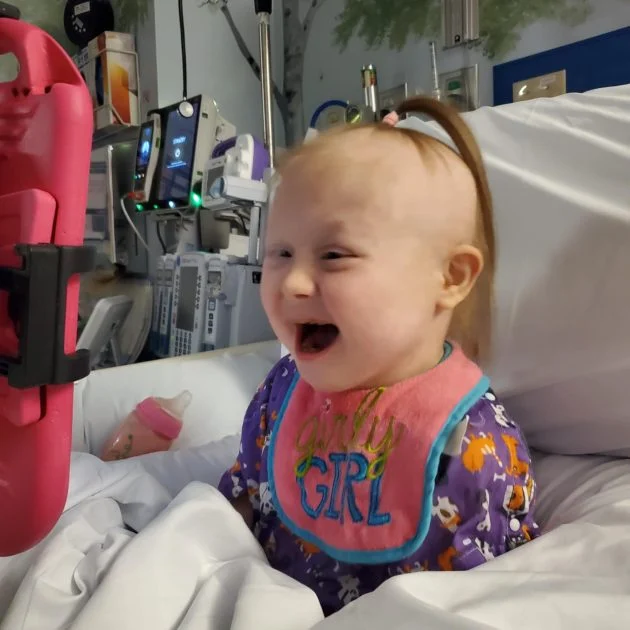
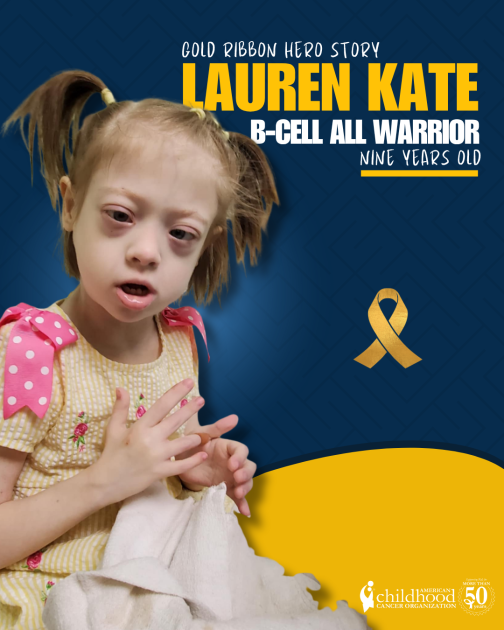
The medical community and the residents of East Tennessee are rallying behind Lauren Kate, a nine-year-old girl who was recently diagnosed with B-Cell Acute Lymphoblastic Leukemia (ALL). Lauren Kate, who was born with Down syndrome, has entered a rigorous treatment phase at East Tennessee Children’s Hospital following a series of health complications that manifested in late 2024. Her diagnosis marks the beginning of a complex medical journey that highlights the intersection of genetic predispositions and pediatric oncology. The transition from a typical childhood routine to an intensive oncological regimen occurred rapidly, underscoring the aggressive nature of childhood leukemia and the critical importance of early diagnostic intervention.
The Path to Diagnosis: Clinical Presentation and Emergency Intervention
The timeline of Lauren Kate’s medical crisis began in the weeks leading up to September 2024. According to family accounts, the first indicators of her illness were subtle but persistent. Lauren Kate, typically known for a vibrant and energetic personality, began exhibiting signs of profound lethargy. Her mother observed that she was not "acting like herself," a common clinical indicator in pediatric cases where behavioral changes often precede more overt physical symptoms.
The situation escalated when physical abnormalities became visible. Large, palpable bumps appeared under Lauren’s neck—a clinical sign known as lymphadenopathy. Lymphadenopathy in the cervical region can be indicative of various conditions, ranging from minor infections to more serious systemic diseases such as lymphoma or leukemia. Recognizing the urgency of these symptoms, her mother sought an immediate consultation with their primary care physician.
During the urgent appointment, initial blood screenings revealed significant abnormalities in Lauren’s white blood cell count. In cases of B-Cell ALL, the bone marrow produces an overabundance of immature white blood cells, known as lymphoblasts, which crowd out healthy red blood cells and platelets. Upon reviewing the lab results, the primary care physician directed the family to proceed immediately to the emergency department at East Tennessee Children’s Hospital in Knoxville.
On September 23, 2024, after a series of rapid diagnostic tests, medical professionals confirmed the diagnosis of B-Cell Acute Lymphoblastic Leukemia. The news was met with a mixture of shock and disbelief by the family, as the reality of a long-term oncological battle set in. However, the diagnosis also served as the catalyst for a comprehensive treatment plan designed to stabilize Lauren’s condition and begin the process of eradication of the malignant cells.
Understanding B-Cell Acute Lymphoblastic Leukemia (ALL)
B-Cell Acute Lymphoblastic Leukemia is a type of cancer that affects the blood and bone marrow. It is characterized by the overproduction of immature lymphocytes, the white blood cells responsible for the body’s immune response. In B-cell ALL, these cells develop from the B-lineage, which normally produces antibodies to fight infection. When these cells become malignant, they replicate uncontrollably and fail to function correctly, leading to a weakened immune system, anemia, and bruising or bleeding issues.
Pediatric ALL is the most common form of childhood cancer, accounting for approximately 25% of all cancer diagnoses in children under the age of 15. While the diagnosis is formidable, advancements in pediatric oncology over the last four decades have significantly improved outcomes. Today, the five-year survival rate for children with ALL exceeds 90% in many developed nations, though individual prognoses vary based on genetic factors, age at diagnosis, and the patient’s initial response to chemotherapy.
For Lauren Kate, the diagnosis is further complicated by her pre-existing condition of Down syndrome (Trisomy 21). Clinical data has long established a definitive link between Down syndrome and an increased risk of developing leukemia.
The Correlation Between Down Syndrome and Pediatric Leukemia
Medical research indicates that children with Down syndrome are approximately 20 times more likely to develop Acute Lymphoblastic Leukemia than the general population. The genetic basis for this increased susceptibility is rooted in the extra copy of chromosome 21. This chromosome contains several genes involved in blood cell development and regulation. When an extra copy is present, it can disrupt the normal maturation of blood cells, creating a "pre-leukemic" state that can eventually transition into full-blown leukemia.
While children with Down syndrome face a higher risk of leukemia, they also face unique challenges during treatment. Historically, these patients have shown a higher sensitivity to certain chemotherapeutic agents, particularly methotrexate, which can lead to increased toxicity. Conversely, they often show excellent responses to other forms of treatment. Modern oncology protocols, such as those utilized at East Tennessee Children’s Hospital, are specifically tailored to balance the efficacy of the cancer-fighting drugs with the unique physiological needs of patients with Down syndrome. This "precision medicine" approach is vital to ensuring that the treatment is as effective as possible while minimizing long-term damage to the patient’s developing body.
Treatment Regimen and Clinical Procedures
Since her diagnosis in late September, Lauren Kate has undergone an intensive series of medical procedures. The standard of care for B-Cell ALL involves several distinct phases: induction, consolidation (or intensification), and maintenance.
Lauren’s treatment has already included the following clinical interventions:
- Port-a-Cath Insertion: To facilitate the frequent administration of chemotherapy and the drawing of blood samples, a port was surgically implanted. This device reduces the need for repeated needle sticks into peripheral veins, which can become damaged over time.
- Lumbar Punctures: Also known as spinal taps, these procedures are essential for both diagnosis and treatment. Doctors perform lumbar punctures to check for the presence of leukemia cells in the cerebrospinal fluid (CSF). Additionally, "intrathecal" chemotherapy is often administered directly into the spinal canal during these procedures to prevent the cancer from spreading to the central nervous system.
- Bone Marrow Aspirations and Biopsies: These procedures allow oncologists to monitor how well the bone marrow is responding to treatment. By analyzing the marrow, doctors can determine the percentage of blast cells remaining and adjust the chemotherapy dosage accordingly.
- Systemic Chemotherapy: Lauren has received multiple rounds of intravenous chemotherapy designed to target and destroy rapidly dividing cancer cells throughout her body.
The physical toll of these treatments is significant. Patients often experience side effects ranging from nausea and hair loss to severe fatigue and immunosuppression. Despite these challenges, Lauren Kate has demonstrated remarkable resilience. Her family notes that even on "hard days," she finds comfort in watching her favorite program, Bubble Guppies, and spending time with her sister, Emma.
The Role of East Tennessee Children’s Hospital
The care provided by East Tennessee Children’s Hospital (ETCH) is a critical component of Lauren Kate’s journey. As a specialized pediatric facility, ETCH provides access to a multidisciplinary team of pediatric oncologists, specialized nurses, child life specialists, and social workers.
In regional healthcare ecosystems, facilities like ETCH serve as hubs for specialized pediatric care, ensuring that families do not have to travel hundreds of miles to receive life-saving treatment. The oncology department at ETCH is equipped with the latest technology for monitoring and treating childhood cancers, and it participates in national clinical trials through organizations like the Children’s Oncology Group (COG). This participation ensures that patients like Lauren Kate receive the most current, evidence-based treatments available.
Psychosocial Impact and Family Dynamics
The diagnosis of childhood cancer is a transformative event for the entire family unit. For Lauren Kate’s family, the sudden shift from normalcy to a life dictated by hospital schedules and treatment cycles has been profound. The "shock, fear, and disbelief" described by the family upon receiving the diagnosis is a documented psychological response known as "medical trauma."
The role of siblings, such as Lauren’s sister Emma, is often highlighted in pediatric oncology. Siblings face their own set of challenges, including feelings of neglect, fear for their sibling’s life, and the disruption of their daily routines. The "rallying" of the family around Lauren Kate is a vital support mechanism that aids in the patient’s emotional well-being. Studies have shown that a strong support system can positively influence a child’s resilience and adherence to treatment protocols.
Broader Implications and the Need for Advocacy
Lauren Kate’s story is a poignant reminder of the ongoing battle against pediatric cancer. While survival rates have improved, cancer remains the leading cause of death by disease for children in the United States. Organizations such as the American Childhood Cancer Organization (ACCO) emphasize that "kids can’t fight cancer alone."
Advocacy groups point to a significant disparity in research funding. Despite the high number of life years lost to childhood cancer, pediatric oncology research receives only a small fraction of the federal funding allocated to adult cancers. This lack of funding can slow the development of new, less toxic treatments.
Furthermore, the "late effects" of cancer treatment remain a concern for survivors. Many children who successfully beat ALL go on to face chronic health issues later in life, including cardiac complications, secondary cancers, and cognitive impairments, often resulting from the very treatments that saved their lives. This reality drives the medical community to continue seeking more targeted therapies that spare healthy tissues.
Conclusion: A Journey of Strength
As of late 2024, Lauren Kate remains in the active phases of her treatment. Her journey is characterized by a series of medical milestones, from the initial diagnosis to the successful completion of chemotherapy cycles. Her case serves as a testament to the strength of pediatric patients and the dedication of the medical professionals who treat them.
The community support for Lauren Kate, combined with the specialized care at East Tennessee Children’s Hospital, provides a foundation of hope for her recovery. While the road ahead is long—often spanning two to three years for ALL treatment—the initial steps taken by Lauren and her family have set the stage for a courageous fight against a formidable disease. Her story continues to inspire awareness for the unique needs of children with Down syndrome facing oncological challenges and the universal need for continued support in the field of pediatric cancer research.
