
 By Nana O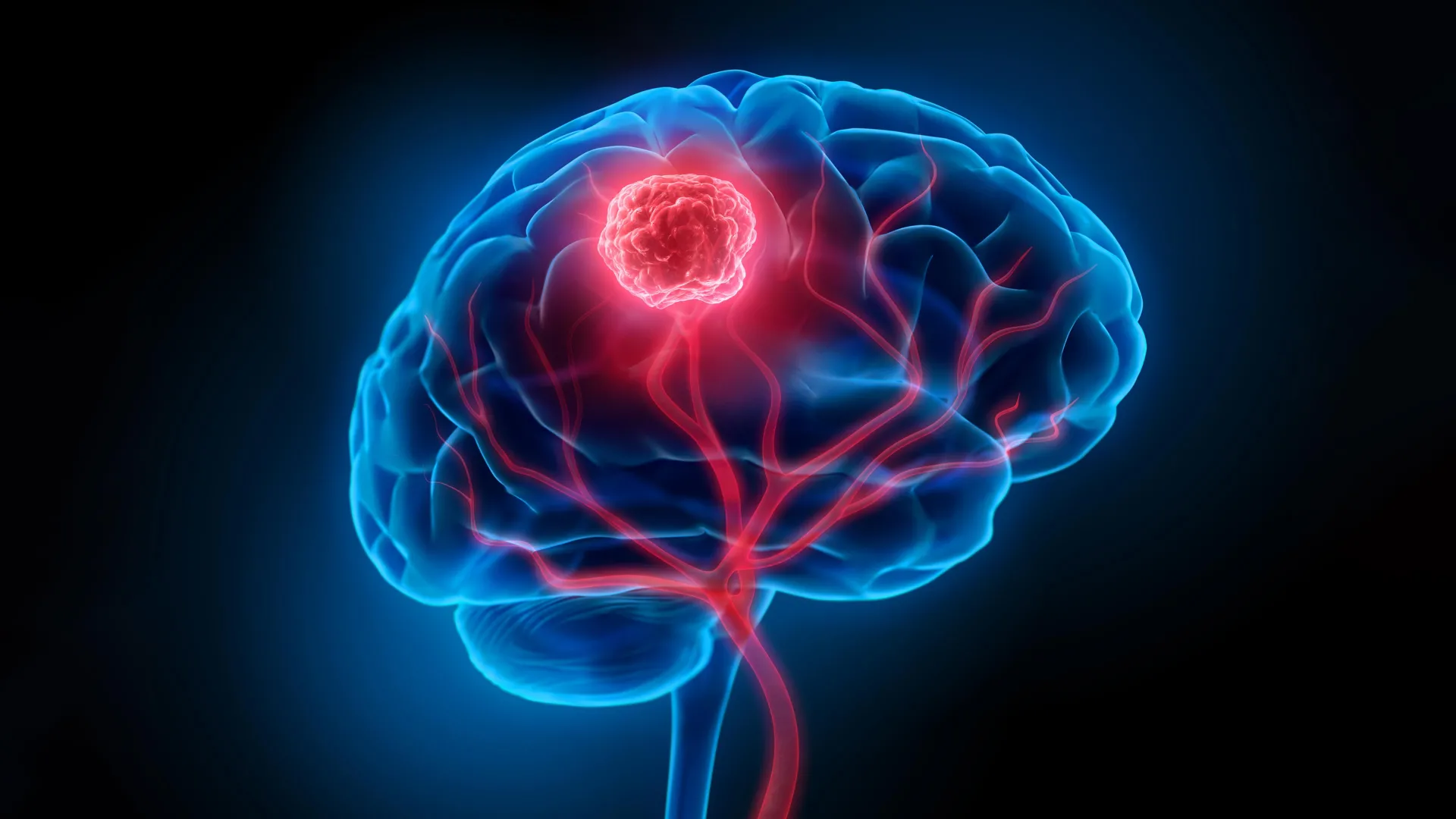
Seoul, South Korea – January 9, 2024 – A groundbreaking study from South Korea has unveiled a revolutionary understanding of IDH-mutant glioma, the most prevalent and challenging malignant brain tumor affecting adults under 50. For decades, the prevailing treatment paradigm has centered on surgically removing visible tumor masses identified through imaging. However, new research published in the prestigious journal Science on January 8th demonstrates that this approach may be fundamentally missing the earliest, pre-clinical stages of the disease, potentially explaining the persistent problem of tumor recurrence.
The joint research effort, spearheaded by Professor Jeong Ho Lee of KAIST’s Graduate School of Medical Science and Engineering and Professor Seok-Gu Kang of Yonsei University Severance Hospital, has identified the precise cellular origin of these aggressive tumors. Their findings reveal that IDH-mutant gliomas do not emerge de novo as a distinct mass. Instead, they originate from normal-looking Glial Progenitor Cells (GPCs) within the brain’s cortex. These GPCs, which are essential for brain development and maintenance, can acquire the critical IDH mutation and then quietly proliferate and spread throughout the surrounding healthy brain tissue long before any discernible tumor mass forms on medical scans. This discovery offers profound implications for the development of earlier diagnostic tools and more effective strategies to prevent cancer recurrence.
Tracing Cancer’s Genesis: From Normal Cells to Malignant Tumors
The research team meticulously examined tumor samples obtained during extensive surgical resections, alongside adjacent brain tissue that appeared histologically normal to the naked eye. Their investigations revealed a startling presence of cells harboring the IDH mutation in these seemingly healthy brain regions. This observation provided the first concrete evidence that malignant brain tumors can embark on a slow, insidious developmental journey, evolving over extended periods within normal brain tissue before manifesting as a detectable tumor.
To pinpoint the exact cell type responsible for initiating these tumors, the researchers employed "spatial transcriptomics." This advanced analytical technology allows scientists to simultaneously map gene expression patterns within specific locations in tissue. This powerful approach confirmed that the mutation-carrying cells identified in the apparently normal brain tissue were indeed Glial Progenitor Cells (GPCs) residing within the cerebral cortex.
Further solidifying their findings, the team successfully replicated key stages of brain tumor development in an animal model. By introducing the same genetic "driver mutation" found in human IDH-mutant gliomas into the GPCs of mice, they were able to recreate the initial steps of tumorigenesis, demonstrating a direct causal link between GPC mutation and tumor initiation.
The concept of Glial Progenitor Cells (GPCs) as the origin of these tumors is particularly significant. GPCs are a type of stem cell found in the normal brain that possess the remarkable ability to differentiate into various types of glial cells, including astrocytes and oligodendrocytes, which form the supportive network of the brain. If these cells undergo specific genetic mutations, such as the IDH mutation, they can lose their normal regulatory mechanisms and begin to divide uncontrollably, laying the foundation for tumor formation.
A Paradigm Shift: The Slow Evolution of Brain Tumors
Historically, brain tumors were often conceptualized as appearing relatively suddenly, forming a distinct pathological entity. However, this new research challenges that notion, proposing a more nuanced and elongated developmental timeline. The study suggests that the IDH mutation acts as an initiating event, transforming GPCs into precancerous cells that may lie dormant or slowly expand for years. This prolonged period of microscopic cellular expansion, occurring beneath the threshold of current imaging capabilities, could explain why these tumors are so challenging to eradicate completely. Even after surgical removal of the visible tumor mass, residual mutated cells may persist, leading to inevitable recurrence.
The implications of this slow, evolving development are vast. It implies that the "visible tumor" is merely the tip of the iceberg, a late-stage manifestation of a process that began much earlier and potentially in a broader area of the brain. This understanding necessitates a fundamental re-evaluation of diagnostic and therapeutic strategies.
Distinct Origins for Different Brain Cancers
This latest research builds upon a significant prior discovery by the same research group. In 2018, Professor Lee and colleagues reported in Nature that IDH wildtype glioblastoma, another highly aggressive form of brain cancer, originates from neural stem cells located in the subventricular zone of the adult brain. The subventricular zone is a region known for its continuous production of new neurons.
The current study, focusing on IDH-mutant gliomas, reveals a distinct cellular origin and anatomical location. Unlike IDH wildtype glioblastomas, which arise from neural stem cells in the subventricular zone, IDH-mutant gliomas originate from Glial Progenitor Cells (GPCs) in the cerebral cortex. This crucial distinction underscores the heterogeneity of brain cancers and highlights that different subtypes follow unique biological pathways, originating from different cell types and in different brain regions. This differentiation is critical for developing subtype-specific therapeutic interventions.
Unlocking the Potential for Early Detection and Recurrence Prevention
Professor Seok-Gu Kang articulated the profound impact of this paradigm shift: "Brain tumors may not start exactly where the tumor mass is visible. A targeted approach focused on the origin cells and the site of origin according to the brain tumor subtype will serve as a crucial clue to changing the paradigm of early diagnosis and recurrence suppression treatment."
The identification of early-stage, mutated GPCs presents a tangible target for novel diagnostic and therapeutic interventions. The research team is already translating these findings into actionable strategies. Sovagen Co., Ltd., a KAIST faculty startup, is actively developing an RNA-based drug designed to specifically target and inhibit the progression and recurrence of IDH-mutant malignant brain tumors. Simultaneously, Severance Hospital is pioneering technologies aimed at detecting and controlling these early-stage mutant cells. This work is being advanced through the collaborative Korea-US Innovative Result Creation R&D project, fostering international cooperation in tackling this devastating disease.
The potential for early detection is particularly exciting. If mutated GPCs can be identified before they form a macroscopic tumor, interventions could be initiated at a stage where they are far more likely to be effective. This could involve advanced molecular diagnostics or even preventative therapies aimed at eliminating these rogue cells.
A Collaborative Journey Fueled by Clinical Curiosity
The genesis of this significant research can be traced back to a fundamental clinical question. Dr. Jung Won Park, a neurosurgeon and the study’s sole first author, currently a postdoctoral researcher at KAIST, emphasized the collaborative spirit and the driving force behind their work. "This achievement was made possible by combining KAIST’s world-class basic science research capabilities with the clinical expertise of Yonsei Severance Hospital," Dr. Park stated. "The question I kept asking while treating patients – ‘Where does this tumor originate?’ – was the starting point of this research."
This sentiment highlights the crucial synergy between fundamental scientific inquiry and real-world clinical challenges. The deep understanding of disease pathology gained in the laboratory, when combined with the direct experience of treating patients, can lead to breakthroughs that have a tangible impact on human health.
The study was supported by a consortium of esteemed organizations, including the Suh Kyung-bae Science Foundation, the National Research Foundation of Korea, the Ministry of Science and ICT, the Ministry of Health and Welfare, and the Korea Health Industry Development Institute (Physician-Scientist Training Program). This broad support underscores the national and international recognition of the importance and potential impact of this research.
Broader Implications for Oncology Research
The findings regarding IDH-mutant glioma have far-reaching implications beyond this specific cancer type. The concept of cancer originating from a prolonged period of cellular transformation within seemingly normal tissue, detectable only through advanced molecular techniques, could be applicable to other forms of cancer. This research reinforces the growing understanding of cancer as a multi-step process, where genetic alterations accumulate over time, leading to a gradual loss of cellular control.
The success of spatial transcriptomics in this study also signals its increasing importance in cancer research. By providing a detailed map of gene activity within the tumor microenvironment, this technology can reveal crucial insights into the interactions between cancer cells and their surrounding tissues, identify potential therapeutic targets, and even predict treatment response.
Furthermore, the development of RNA-based therapies, as pursued by Sovagen Co., Ltd., represents a significant advancement in precision medicine. RNA-based drugs can be designed to be highly specific, targeting the molecular mechanisms driving cancer growth while minimizing off-target effects. This approach holds immense promise for developing more effective and less toxic cancer treatments.
The collaborative model employed in this research, bringing together leading academic institutions and entrepreneurial ventures, also serves as a blueprint for future innovation in biomedical science. The seamless integration of basic research, clinical application, and commercial development is essential for translating scientific discoveries into life-saving therapies.
As the scientific community digests these pivotal findings, the focus will undoubtedly shift towards how to best leverage this newfound knowledge. The prospect of detecting IDH-mutant glioma at its earliest, pre-symptomatic stage, and intervening before a life-threatening tumor mass develops, represents a monumental leap forward in the fight against brain cancer. This research not only reshapes our understanding of cancer biology but also ignites hope for a future where such devastating diseases can be diagnosed earlier, treated more effectively, and ultimately, prevented.
