
 By admin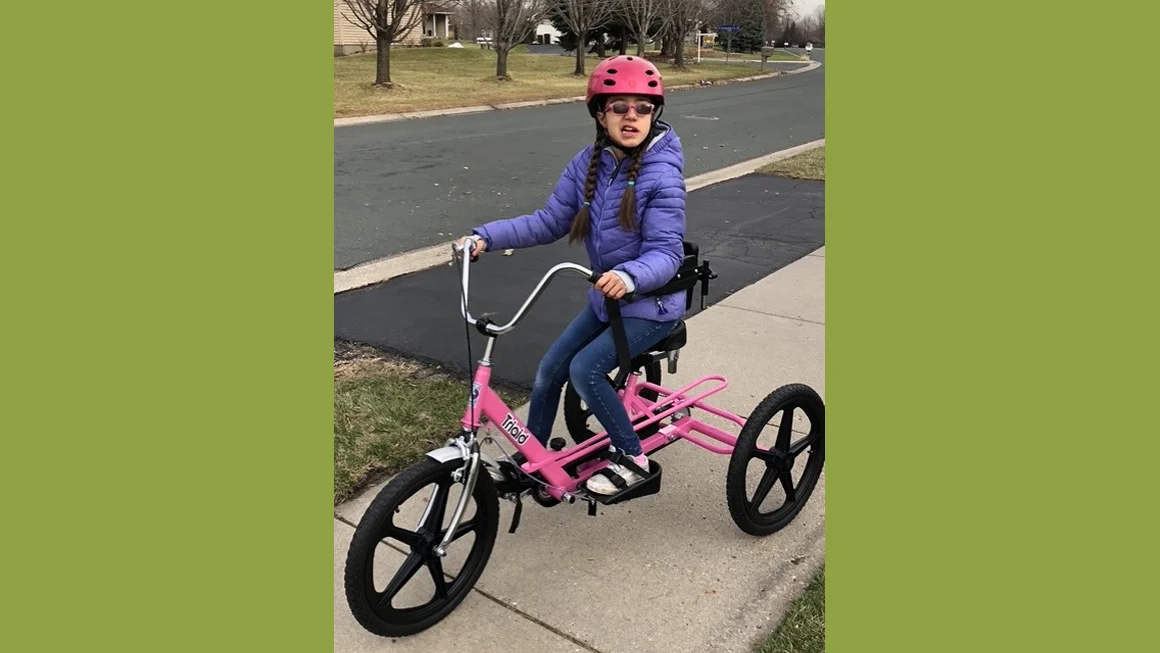
The transition from infancy to toddlerhood is typically defined by the acquisition of motor skills, yet for 19-month-old Anikah Schmidt, this developmental milestone was marked by a concerning regression. Her parents, Vanessa and Ben, initially observed a subtle loss of balance, a symptom easily dismissed as the typical clumsiness of a child learning to navigate their environment. However, the situation escalated when Anikah began a pattern of persistent vomiting, occurring exclusively upon waking each morning. After weeks of diagnostic uncertainty involving blood tests and dietary adjustments, a computed tomography (CT) scan provided a definitive and devastating explanation: a brain tumor the size of a golf ball was obstructing the flow of cerebrospinal fluid, creating life-threatening intracranial pressure.
The Diagnosis of Pediatric Ependymoma
The medical team identified the mass as an ependymoma, a type of primary central nervous system (CNS) tumor that arises from the ependymal cells lining the ventricles of the brain and the central canal of the spinal cord. In pediatric patients, approximately 90% of ependymomas are located within the cranium, with a significant portion occurring in the posterior fossa—the area at the base of the skull containing the brainstem and cerebellum. This location explains Anikah’s early symptoms of ataxia (loss of balance) and morning emesis, as the tumor’s growth likely interfered with the vestibular system and increased pressure within the fourth ventricle.
The immediacy of the threat required emergency intervention. Within hours of the CT scan, Anikah was transitioned to an operating room for a procedure to relieve the mounting pressure on her brain. For her parents, the experience was surreal. Vanessa Schmidt described the sensation as a dissociative state, observing the unfolding crisis as if from outside her own body. This initial surgery was the first step in a long-term medical odyssey that would redefine the family’s reality for the next decade and a half.
Clinical Intervention and the Necessity of Proton Therapy
Following the emergency stabilization, Anikah remained hospitalized for a week in preparation for a complex neurosurgical resection. The primary objective of such surgery is a "gross total resection," as the extent of tumor removal is the most significant prognostic factor for ependymoma survival. While the neurosurgeon successfully removed the entire visible mass, the standard of care for pediatric ependymoma often necessitates adjuvant therapy to eliminate microscopic residual disease and reduce the risk of recurrence.
Anikah’s oncology team recommended proton beam radiation, a sophisticated form of external beam radiotherapy. Unlike traditional X-ray (photon) radiation, which passes through the body and can damage healthy tissue behind the tumor, proton therapy utilizes heavy charged particles that deposit the majority of their energy at a specific depth—known as the Bragg Peak—and then stop. This precision is particularly vital in pediatric cases to spare developing brain tissue. At the time of Anikah’s diagnosis, the availability of this technology was limited to a few specialized centers. Consequently, the Schmidt family relocated from Minnesota to Houston, Texas, for an eight-week course of daily radiation treatments at the MD Anderson Cancer Center.
The Emergence of Treatment-Induced Complications
The "success" of cancer treatment is often measured by the absence of disease, yet the collateral damage of life-saving interventions can be profound. Several months after returning home to Minnesota, Anikah’s condition took a precipitous turn. The balance issues returned, accompanied by a rapid decline in her ability to swallow and eat. The crisis culminated in a total respiratory collapse.
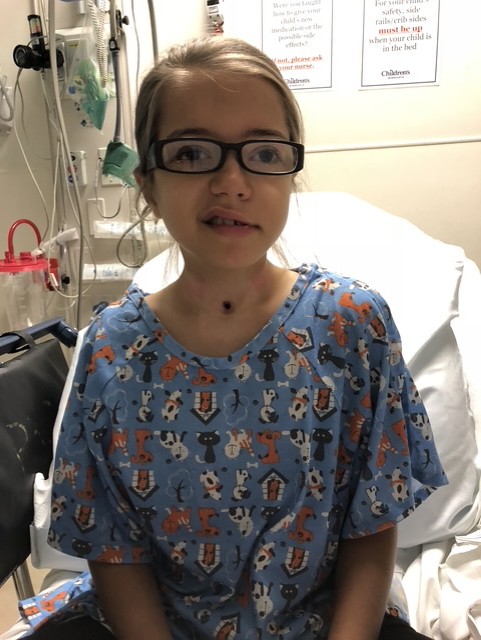
Emergency imaging revealed that the very treatment designed to save her life—the proton radiation—had induced severe inflammation and swelling within her brainstem. The brainstem is the neurological command center for vital functions, including breathing, heart rate, and swallowing. To sustain her life, medical teams performed a tracheostomy and placed Anikah on a mechanical ventilator and a feeding tube.
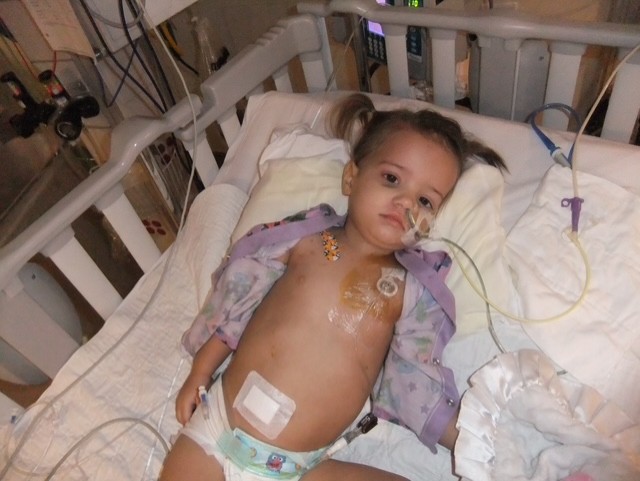
Vanessa Schmidt noted the tragic irony of the situation: "The thing meant to protect her was now threatening her life." While hyperbaric oxygen therapy—a treatment involving the inhalation of 100% oxygen in a pressurized chamber—was eventually successful in arresting the swelling, the neurological damage sustained during the crisis was irreversible.
The Long-Term Reality of Pediatric Survivorship
As of 2024, Anikah is 16 years old. While she is classified as a cancer survivor, her daily life is a testament to the "late effects" of pediatric oncological treatment. The term "late effects" refers to health problems that develop months or years after treatment has ended. According to the National Cancer Institute, more than 60% of childhood cancer survivors experience at least one chronic health condition as a result of their treatment, and approximately 25% face severe or life-threatening complications.
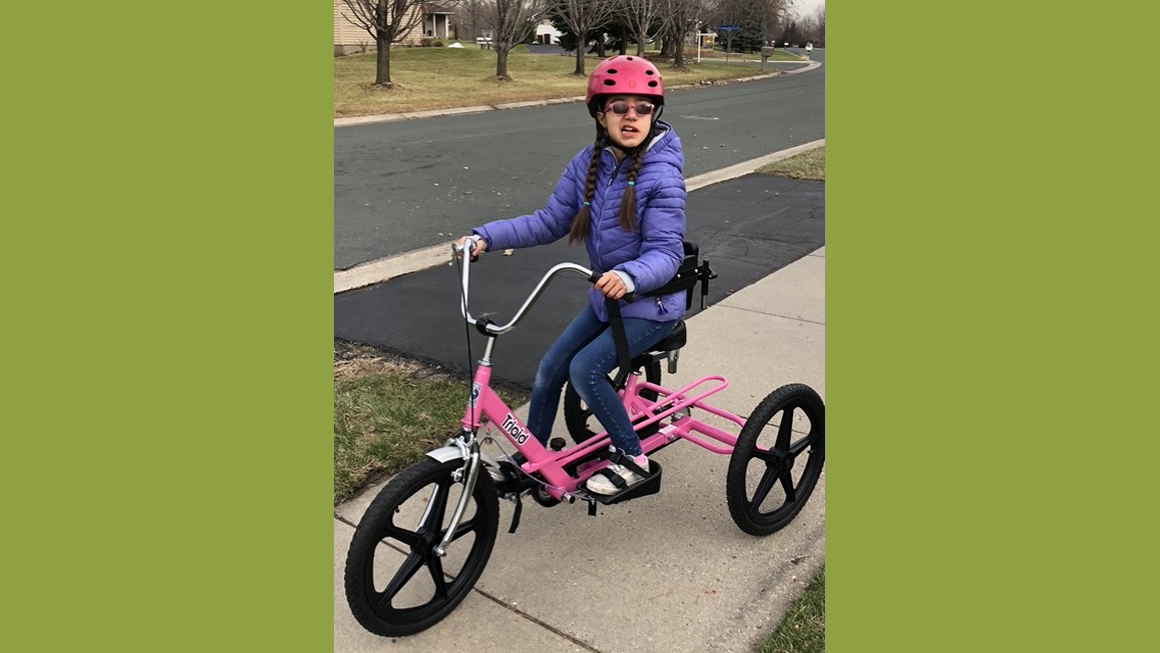
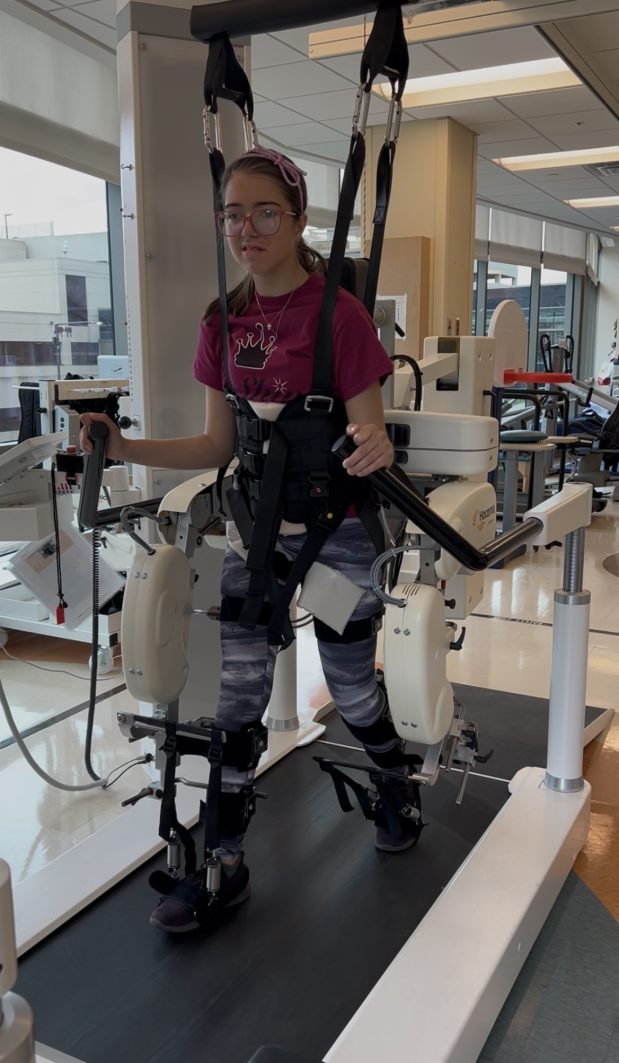
For Anikah, these effects include a permanent reliance on a feeding tube for nutrition and the requirement of supplemental oxygen during sleep. Although she was able to have her tracheostomy tube removed in the fourth grade, her journey has been defined by rigorous, ongoing physical therapy. This intervention allowed her to gain the ability to walk independently, though she continues to utilize a walker in school environments to ensure her safety and stability.
The Schmidt family’s experience highlights a critical gap in public perception regarding childhood cancer. While "curing" the cancer is the primary goal, the medical community is increasingly focusing on the "cost of the cure." Modern research is now directed not only toward survival but toward "de-escalation" of treatment where possible—finding ways to eliminate tumors with less toxic protocols to preserve the long-term quality of life for survivors.
Navigating the Psychosocial Impact of Special Needs
The transition into adolescence brings a new set of challenges for survivors with visible and invisible disabilities. For Anikah, the desire for normalcy and social integration often clashes with the physical realities of her condition. She is an active participant in theater, cheerleading, and adapted dance, yet the effort required to navigate these spaces as a person with special needs is significant.
The psychological burden of survivorship is often characterized by a sense of isolation. "We fixed the cancer—why can’t we fix everything else?" Vanessa Schmidt asked, echoing a sentiment shared by many parents of survivors. The "fix" for cancer often leaves behind a child who must work twice as hard as their peers to achieve standard milestones, leading to a unique form of exhaustion.
The Role of Specialized Support: Camp Norden
A turning point in Anikah’s social development occurred when she discovered Camp Norden, a specialized summer camp funded by the Children’s Cancer Research Fund (CCRF). These programs are designed specifically for children impacted by cancer, providing a medically supervised environment where they can engage in traditional camp activities without the need to explain their physical limitations or medical equipment.
At Camp Norden, the focus shifts from the patient’s diagnosis to their potential. Vanessa recalled an instance where Anikah’s group was challenged to perform push-ups. While it took Anikah significantly longer to position herself due to her mobility issues, she was met not with pity, but with roaring encouragement from her peers. Such environments are crucial for fostering self-esteem and a sense of belonging among survivors who may feel marginalized in traditional social settings.
Broader Implications and the Need for Continued Research
Anikah’s story is a microcosm of the broader landscape of pediatric oncology in the United States. While the five-year survival rate for all childhood cancers has risen to over 80% due to advances in research and treatment, the journey does not end with a "clear" scan.
The implications of Anikah’s case suggest several critical areas for future focus:
- Investment in Less Toxic Therapies: There is an urgent need for targeted therapies that can distinguish between malignant cells and healthy developing tissue, particularly in the delicate environment of the pediatric brain.
- Expansion of Survivorship Care: Healthcare systems must improve the transition from acute oncology care to long-term survivorship programs that address the multidisciplinary needs of patients, including neurology, pulmonology, and physical rehabilitation.
- Psychosocial Infrastructure: Community-based programs like Camp Norden are not merely recreational; they are essential components of the healing process, addressing the mental health and social integration of survivors.
The reality for Anikah and thousands of others is that cancer is a lifelong journey. The "survivor" label, while a badge of victory, carries with it a complex set of requirements for continued support. Through the integration of advanced medical research, compassionate community programs, and a broader public understanding of the long-term costs of treatment, the goal remains to ensure that survivors like Anikah do not just live, but thrive in a world that understands and accommodates their unique path.
