
 By admin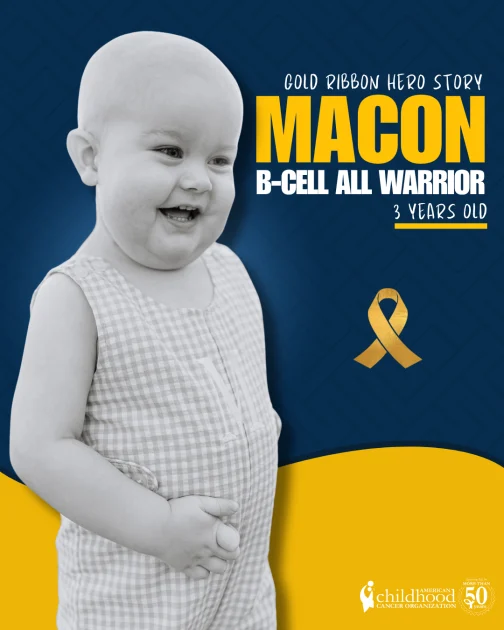
The Clinical Landscape of B-Cell Acute Lymphoblastic Leukemia
B-Cell Acute Lymphoblastic Leukemia is a type of cancer that originates in the bone marrow, the soft inner part of certain bones where new blood cells are produced. It is characterized by the overproduction of immature white blood cells, known as lymphoblasts. In the case of B-Cell ALL, these abnormal cells are precursors to B-lymphocytes, which are responsible for producing antibodies and maintaining the body’s immune system. When these leukemia cells multiply rapidly, they crowd out healthy red blood cells, white blood cells, and platelets, leading to anemia, susceptibility to infection, and easy bruising or bleeding.
According to data from the American Cancer Society and the National Cancer Institute, ALL is the most common form of childhood cancer, accounting for approximately 25% of all cancer diagnoses in children under the age of 15. While the diagnosis is devastating, the prognosis for pediatric ALL has improved significantly over the last several decades. Current five-year survival rates for children with ALL now exceed 90%, a testament to advancements in multi-agent chemotherapy protocols and supportive care. However, the path to remission and long-term survival involves an intensive, multi-year treatment regimen that tests the resilience of both the patient and their family.
A Timeline of Diagnosis and Immediate Intervention
The timeline of Macon’s treatment highlights the rapid pace at which pediatric oncology cases must move to prevent the proliferation of malignant cells. Upon his initial diagnosis, Macon was immediately admitted for inpatient care to begin the induction phase of treatment. Induction is the first and most intensive stage of leukemia therapy, aimed at killing the leukemia cells in the blood and bone marrow to achieve complete remission.
For Macon, the early stages of treatment were complicated by a severe secondary health crisis. Pediatric oncology patients are frequently immunocompromised due to both the disease itself and the chemotherapy used to treat it. Macon developed a serious staph infection (Staphylococcus) in his bloodstream. This necessitated the removal and replacement of his port-a-cath—an implanted device used to administer chemotherapy and draw blood—twice. Infections in pediatric cancer patients are considered medical emergencies, as the lack of functional white blood cells makes it difficult for the body to combat bacteria that would otherwise be manageable.
Despite these setbacks, Macon’s clinical team proceeded with a rigorous schedule of chemotherapy and diagnostic monitoring. This included multiple lumbar punctures (spinal taps) to ensure the leukemia had not spread to the central nervous system, as well as bone marrow biopsies to quantify the presence of residual disease.
The Phases of Pediatric Leukemia Treatment
Macon is currently navigating a long-term treatment plan that is projected to last approximately two and a half years. This duration is standard for male patients with ALL, as research has historically indicated that longer treatment durations help prevent late relapses. The treatment is generally divided into several distinct phases:
- Induction: The initial 4-6 weeks focused on achieving remission.
- Consolidation (Intensification): A period of several months using different combinations of chemotherapy drugs to eliminate any remaining sub-microscopic leukemia cells.
- Maintenance: A much longer, less intensive phase designed to keep the leukemia from returning.
Macon has recently completed his first full year of treatment. His mother, Madeline, reports that he has handled the side effects of chemotherapy with remarkable resilience. A critical metric of success in ALL treatment is the monitoring of "circulating leukemia cells." Current reports indicate that Macon’s weekly blood work consistently shows no detectable leukemia cells, suggesting that the current protocol is highly effective.
Throughout this process, Macon has undergone a lumbar puncture every six weeks. These procedures are vital for "intrathecal" chemotherapy, where medication is injected directly into the cerebrospinal fluid. Because the blood-brain barrier often prevents systemic chemotherapy from reaching the central nervous system, this targeted approach is necessary to prevent the brain and spinal cord from becoming a "sanctuary site" for surviving leukemia cells.
The Socio-Emotional Impact on the Family Unit
The diagnosis of a child with cancer creates a profound "before and after" line in the history of a family. Madeline’s account of the diagnosis—moving from a routine visit to a life-changing diagnosis in a matter of hours—is a common experience for families in the pediatric oncology community. The psychological phenomenon of "diagnostic shock" occurs when a family is forced to process complex medical information while simultaneously managing the fear of life-threatening illness.
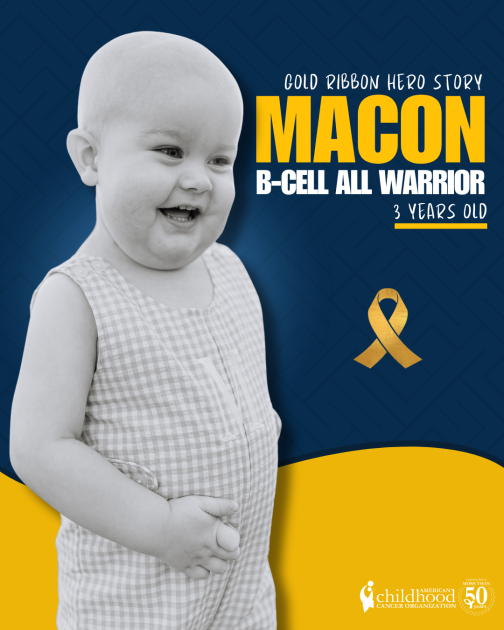
Macon’s age, three years old, adds a layer of complexity to his care. At this developmental stage, children are beginning to explore their independence and social environments. Despite the rigors of his medical schedule, Macon is described as a playful child who enjoys outdoor activities, riding toys, and interacting with his sister. Maintaining a sense of normalcy and play is considered a vital component of pediatric supportive care, as it aids in the child’s psychological well-being and helps mitigate the trauma associated with frequent hospitalizations and invasive procedures.
Broader Implications for Pediatric Oncology Research
Macon’s case serves as a representative example of the current state of pediatric oncology: high success rates achieved through grueling, long-term protocols. However, medical researchers continue to advocate for more targeted therapies that could reduce the long-term toxicity of standard chemotherapy. While the 90% survival rate is a triumph of modern medicine, many survivors of childhood ALL face "late effects" later in life, including cardiovascular issues, secondary cancers, and neurocognitive challenges resulting from the very treatments that saved their lives.
Organizations such as the American Childhood Cancer Organization (ACCO) emphasize that while progress has been made, pediatric cancer research remains underfunded compared to adult cancers. The "warrior" narrative often applied to children like Macon highlights the bravery of the patients, but it also underscores the necessity for continued public support and legislative advocacy to ensure that every child has access to the latest life-saving technologies.
The financial burden on families is another significant implication. The cost of a two-and-a-half-year leukemia treatment plan can reach hundreds of thousands of dollars, encompassing hospital stays, specialized medications, home care, and the loss of parental income due to the demands of caregiving. Support networks and non-profit organizations play a critical role in bridging the gap for families navigating these financial hurdles.
Looking Toward May 2027: The Significance of "Ringing the Bell"
If Macon’s treatment continues to progress as expected, he is scheduled to complete his chemotherapy protocol and "ring the bell" in May 2027. The tradition of ringing a bell in an oncology ward signifies the end of active treatment and the transition into the survivorship phase. For Macon, this will mark the end of a journey that began when he was only two years old, encompassing more than half of his early childhood.
The "Maintenance" phase, which Macon is currently in, allows for a more "normal" life than the initial phases of treatment, but it requires constant vigilance. Families must monitor for signs of infection, manage oral chemotherapy at home, and attend regular clinic visits for blood counts and adjustments to medication dosages. The goal is to keep the body in a state where leukemia cannot regain a foothold while allowing the child to grow and develop.
As Macon continues his journey, his story remains a poignant reminder of the fragility of health and the strength of the pediatric spirit. His progress is a victory not only for his family but for the medical community that works tirelessly to refine the protocols that keep children like Macon alive. The road to May 2027 is long, but with current medical data showing no circulating leukemia cells, the outlook remains cautiously optimistic.
The collective effort of pediatricians, oncologists, nurses, and researchers ensures that children diagnosed with B-Cell ALL have a fighting chance. Through continued awareness and funding, the goal is to move beyond the current intensive chemotherapy models toward even more effective and less invasive cures. For now, Macon remains a "warrior," supported by his family and a medical system dedicated to seeing him reach that final bell-ringing ceremony in 2027.
