
 By admin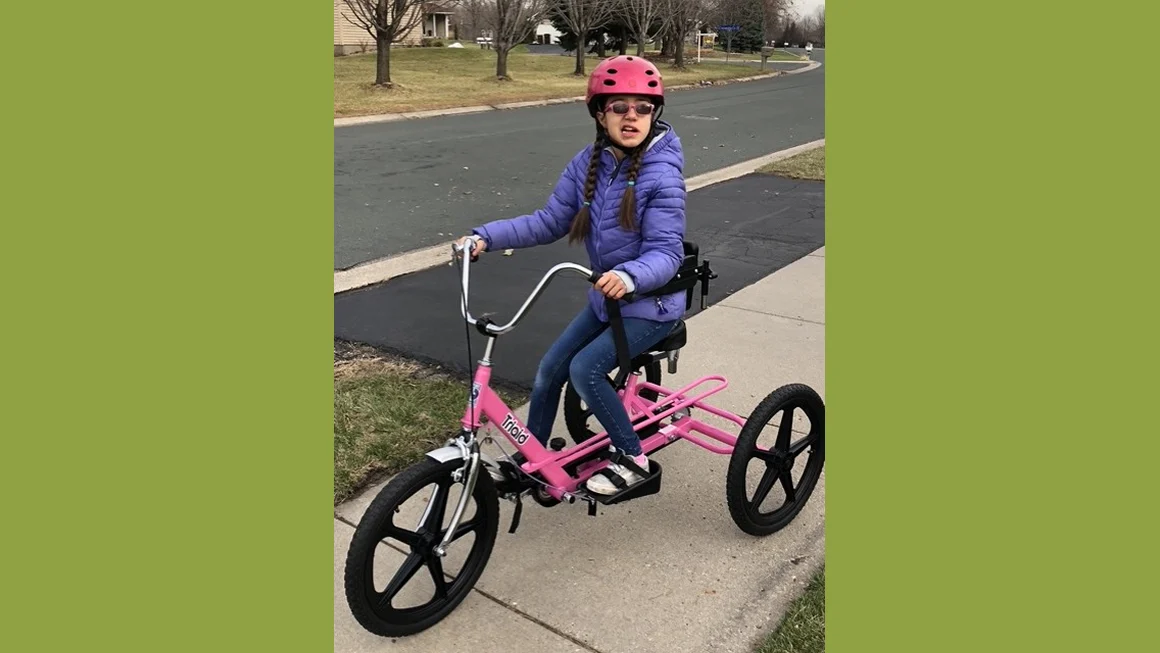
The medical journey of Anikah Schmidt began with the subtle, often overlooked physical cues of early childhood development, only to escalate into a decade-and-a-half-long battle against the collateral damage of life-saving cancer treatments. When Anikah was 19 months old, her parents, Vanessa and Ben, observed a recurring loss of balance—a symptom initially dismissed as the typical clumsiness of a toddler. However, the situation turned critical when the child began a pattern of morning emesis. For weeks, the family scrutinized every variable, from dietary allergens to laundry detergents, unaware that the source of the ailment was neurological rather than gastrointestinal.
The clinical reality was clarified only after a series of blood tests proved inconclusive, leading to a computed tomography (CT) scan. The results were immediate and devastating: a brain tumor, specifically an ependymoma the size of a golf ball, was obstructing the flow of cerebrospinal fluid and exerting lethal pressure on her brain. Anikah was rushed into emergency surgery to alleviate the intracranial pressure, marking the beginning of an odyssey that highlights the profound "cost of cure" in pediatric oncology.
The Pathological Profile of Ependymoma and Initial Intervention
Ependymomas are primary central nervous system (CNS) tumors, meaning they begin in the brain or spinal cord. In pediatric cases, these tumors often arise in the posterior fossa—the area at the back of the skull containing the cerebellum and brainstem—which accounts for the balance issues and vomiting Anikah experienced. According to the Central Brain Tumor Registry of the United States (CBTRUS), ependymomas represent about 9% of all pediatric brain tumors, with a significant portion occurring in children under the age of five.
Following the initial emergency procedure to stabilize her condition, Anikah remained hospitalized for a week before undergoing a second, more complex neurosurgical operation to resect the mass. While the neurosurgeon successfully removed the entire visible tumor, the standard of care for ependymoma necessitates follow-up treatment to eradicate microscopic malignant cells that might remain, as this type of cancer has a high rate of local recurrence.
In Anikah’s case, the oncology team recommended proton beam radiation therapy. At the time of her diagnosis, this technology was not as widely available as traditional photon radiation. Proton therapy is often preferred for pediatric patients because it allows for more precise targeting of the tumor site, theoretically sparing the surrounding healthy brain tissue from unnecessary "exit doses" of radiation. To access this specialized care, the Schmidt family relocated from their home in Minnesota to Houston, Texas, for an eight-week regimen at the MD Anderson Cancer Center.
The Latent Consequences of Radiation and the Brainstem Crisis
For a brief period after returning to Minnesota, Anikah appeared to be in recovery. However, the "late effects" of radiation—a term used by medical professionals to describe complications that arise months or years after treatment—soon manifested with life-threatening severity. Her balance issues returned, accompanied by an inability to swallow. The crisis peaked when Anikah collapsed and ceased breathing, requiring immediate resuscitation.
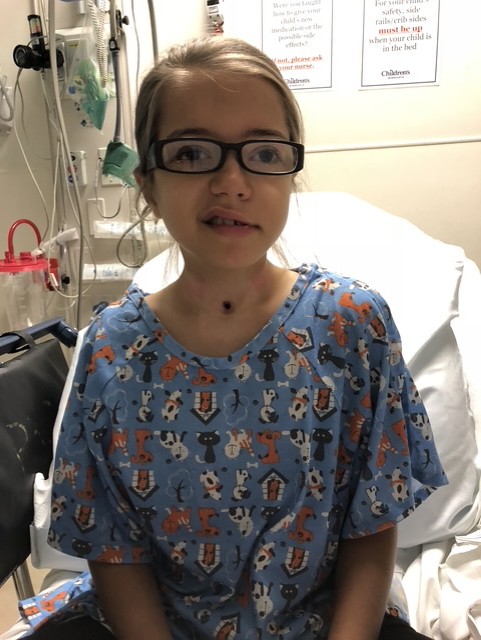
Diagnostic imaging revealed that the very treatment intended to save her life—the proton beam radiation—had caused severe swelling on her brainstem. The brainstem is the most critical "real estate" in the human body, controlling fundamental autonomic functions such as heart rate, breathing, and swallowing. The inflammatory response to the radiation had compromised these functions, forcing doctors to implement a ventilator for respiratory support, a feeding tube for nutrition, and a tracheostomy to maintain a patent airway.
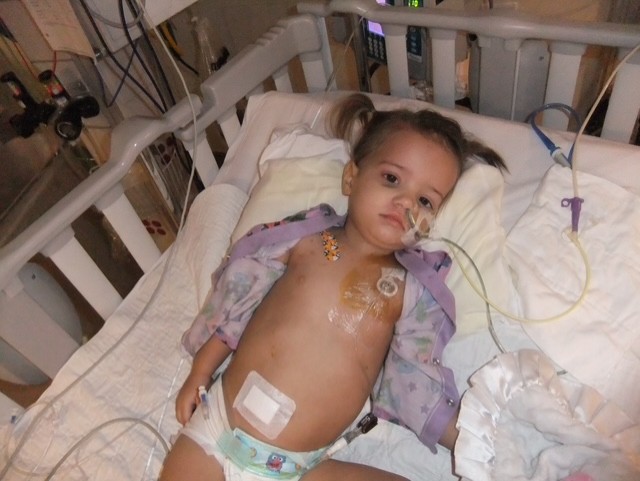
"The thing meant to protect her was now threatening her life," Vanessa Schmidt reflected, describing the paradoxical nature of pediatric cancer care where the toxicity of the treatment can be as dangerous as the malignancy itself. To combat the swelling, Anikah underwent hyperbaric oxygen therapy, a treatment that involves breathing pure oxygen in a pressurized chamber to promote tissue healing and reduce inflammation. While the therapy successfully halted the swelling, the neurological damage already sustained by the brainstem was irreversible.
A Statistical Analysis of Childhood Cancer Survivorship
Anikah’s story is not an isolated incident but rather a representative case of a growing demographic in the medical community: the long-term pediatric cancer survivor. Advances in oncology have pushed the five-year survival rate for childhood cancers to over 85%. However, this success comes with a significant caveat. Research published in the Journal of Clinical Oncology indicates that by the age of 45, approximately 95% of childhood cancer survivors will have at least one chronic health condition, and 80% will have a severe or life-threatening complication related to their previous treatment.
These "late effects" include:
- Neurocognitive impairments: Deficits in processing speed, memory, and executive function.
- Endocrine disorders: Growth hormone deficiencies and thyroid dysfunction.
- Secondary malignancies: New cancers caused by previous exposure to radiation or chemotherapy.
- Physical disabilities: Mobility issues, hearing loss, and chronic organ dysfunction.
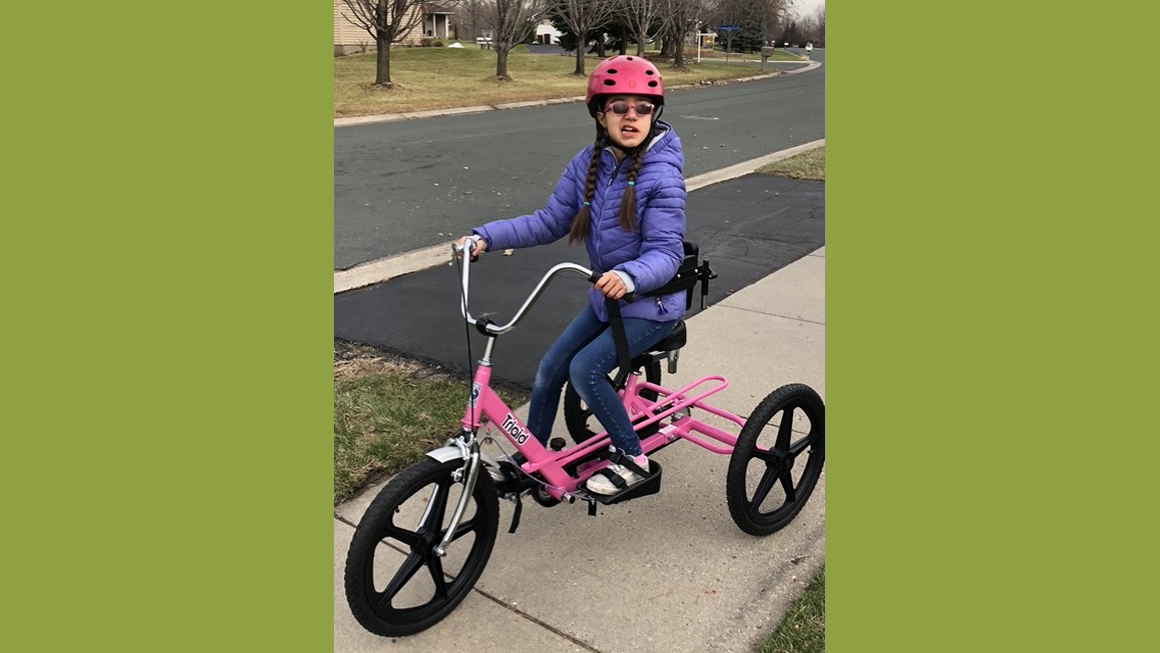
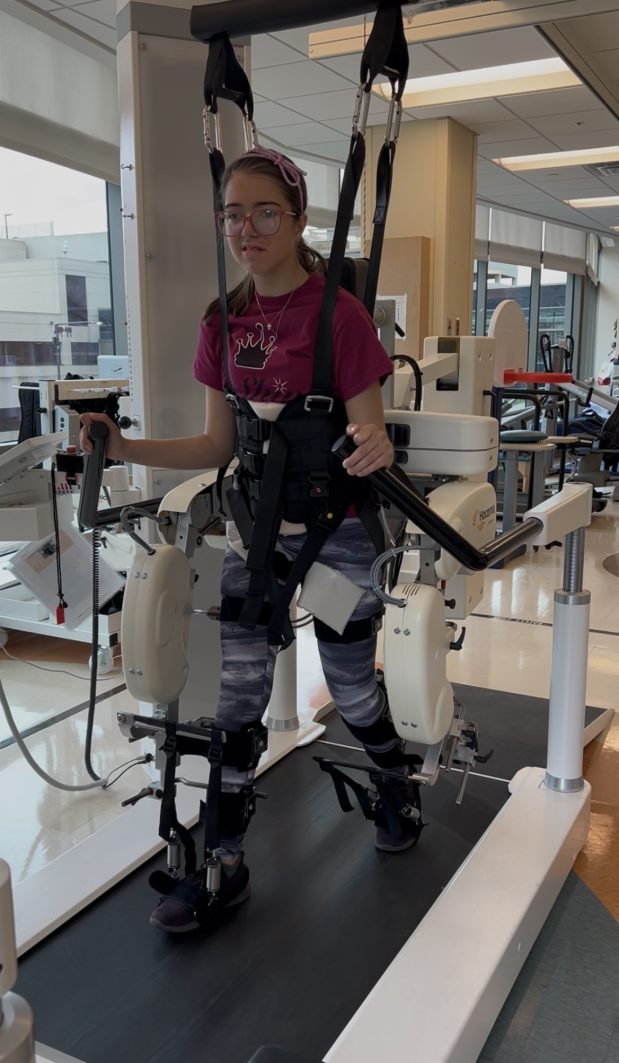
For Anikah, now 16, the survival "success" is measured in daily management. While she was able to have her tracheostomy removed in the fourth grade, she remains dependent on a feeding tube for primary nutrition and requires supplemental oxygen during the night. The physical therapy required to help her walk independently spanned years, and she continues to use a walker in school environments to prevent falls.
The Socio-Emotional Impact and the Role of Specialized Support
The transition from a "cancer patient" to a "survivor with special needs" presents unique psychological challenges. Vanessa Schmidt noted the difficulty of reconciling these identities, stating, "We fixed the cancer—why can’t we fix everything else?" This sentiment underscores a gap in the healthcare system where the focus on acute survival often outpaces the resources available for long-term rehabilitation and social integration.
For a teenager like Anikah, the desire for normalcy is often at odds with the physical markers of her medical history. Despite her reliance on medical technology, she has pursued an active extracurricular life, participating in theater, cheerleading, and adapted dance. However, the emotional exhaustion of "standing out" due to her disabilities led her to seek community among those with shared experiences.
This search for belonging led Anikah to Camp Norden, a program funded by the Children’s Cancer Research Fund (CCRF). Unlike traditional recreational camps, Camp Norden is designed specifically for children impacted by cancer, providing a medically supervised environment where physical limitations are normalized. At camp, the social barriers created by feeding tubes or mobility aids dissolve. Vanessa observed that the environment allowed Anikah to be "drawn out" of her shell, participating in activities like push-up challenges where her efforts were met with communal support rather than curiosity or pity.
Implications for Future Pediatric Oncology Research
Anikah Schmidt’s journey serves as a powerful case study for the necessity of "de-intensification" research in pediatric oncology. The current medical frontier is not merely focused on increasing survival rates, but on improving the quality of that survival. Researchers are increasingly looking toward:
- Immunotherapy: Utilizing the body’s immune system to target cancer cells, which may reduce the need for high-dose radiation in young children.
- Targeted Molecular Therapies: Drugs that attack specific genetic mutations within a tumor, sparing healthy tissue from the "carpet-bombing" effect of traditional chemotherapy.
- Proton Therapy Refinement: Continued study into the long-term effects of proton radiation on the developing brains of toddlers to optimize dosage and delivery.
The financial and emotional toll on families is also a critical area of concern. The relocation required for specialized treatments, combined with the lifelong costs of physical therapy, medical equipment, and specialized education, can lead to significant "financial toxicity" for survivors’ families.
Conclusion: The Persistence of the Survivor
Anikah’s narrative is a testament to the resilience of the human spirit, but it is also a sobering reminder that for many, the "end" of cancer treatment is merely the beginning of a different kind of struggle. Her journey highlights the importance of organizations like the Children’s Cancer Research Fund, which not only fund the search for "kinder" cures but also provide the social infrastructure necessary for survivors to thrive.
As Anikah continues her education and moves toward adulthood, her case remains a vital data point for clinicians and researchers. It emphasizes that a cure is not truly complete until the survivor is granted a life free from the debilitating shadows of their treatment. For now, Anikah continues to navigate her world with a walker, a feeding tube, and a determination to belong, proving that while cancer may have rewritten her life’s trajectory, it does not define her capacity for joy or achievement.
