
 By admin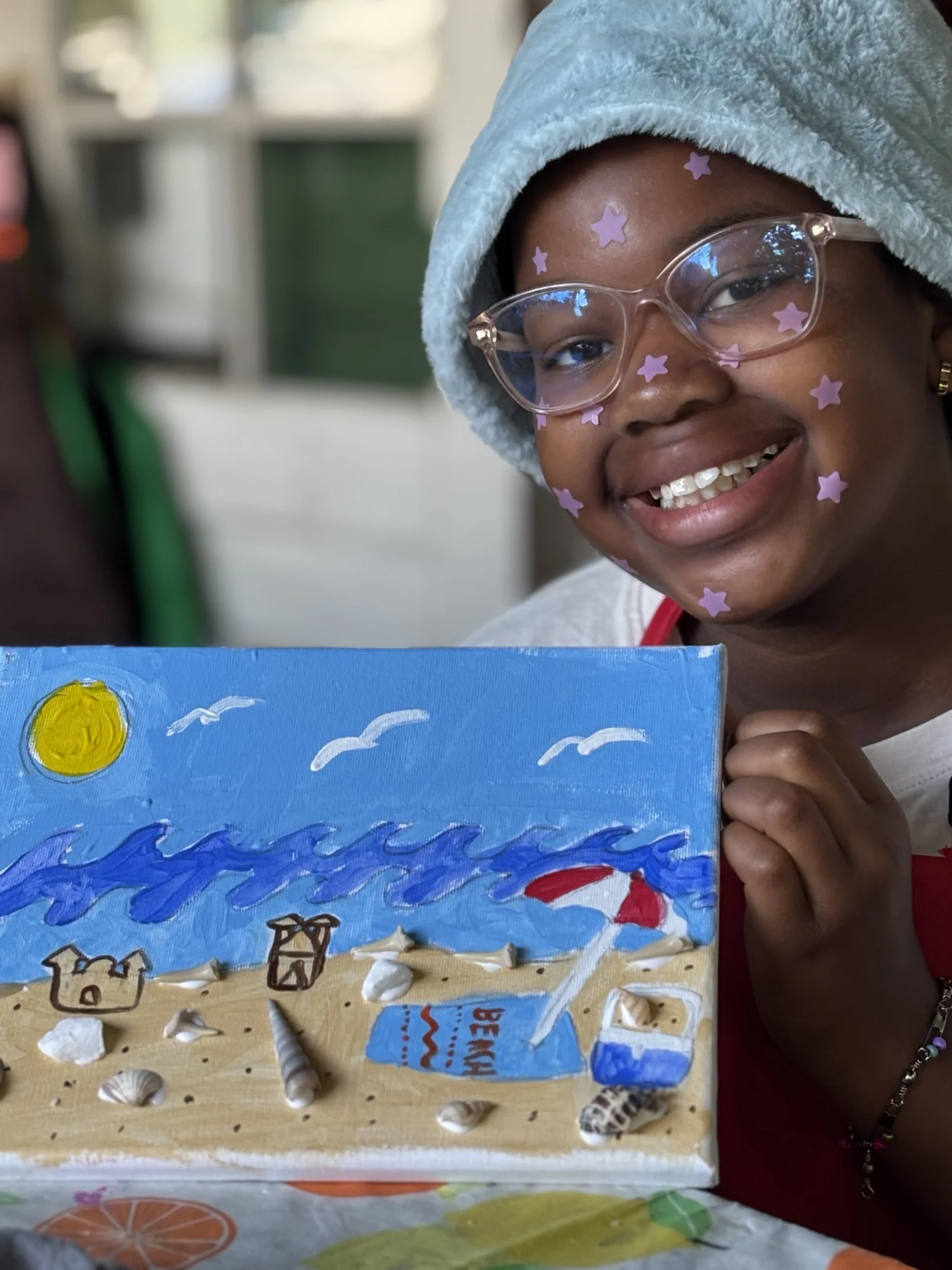
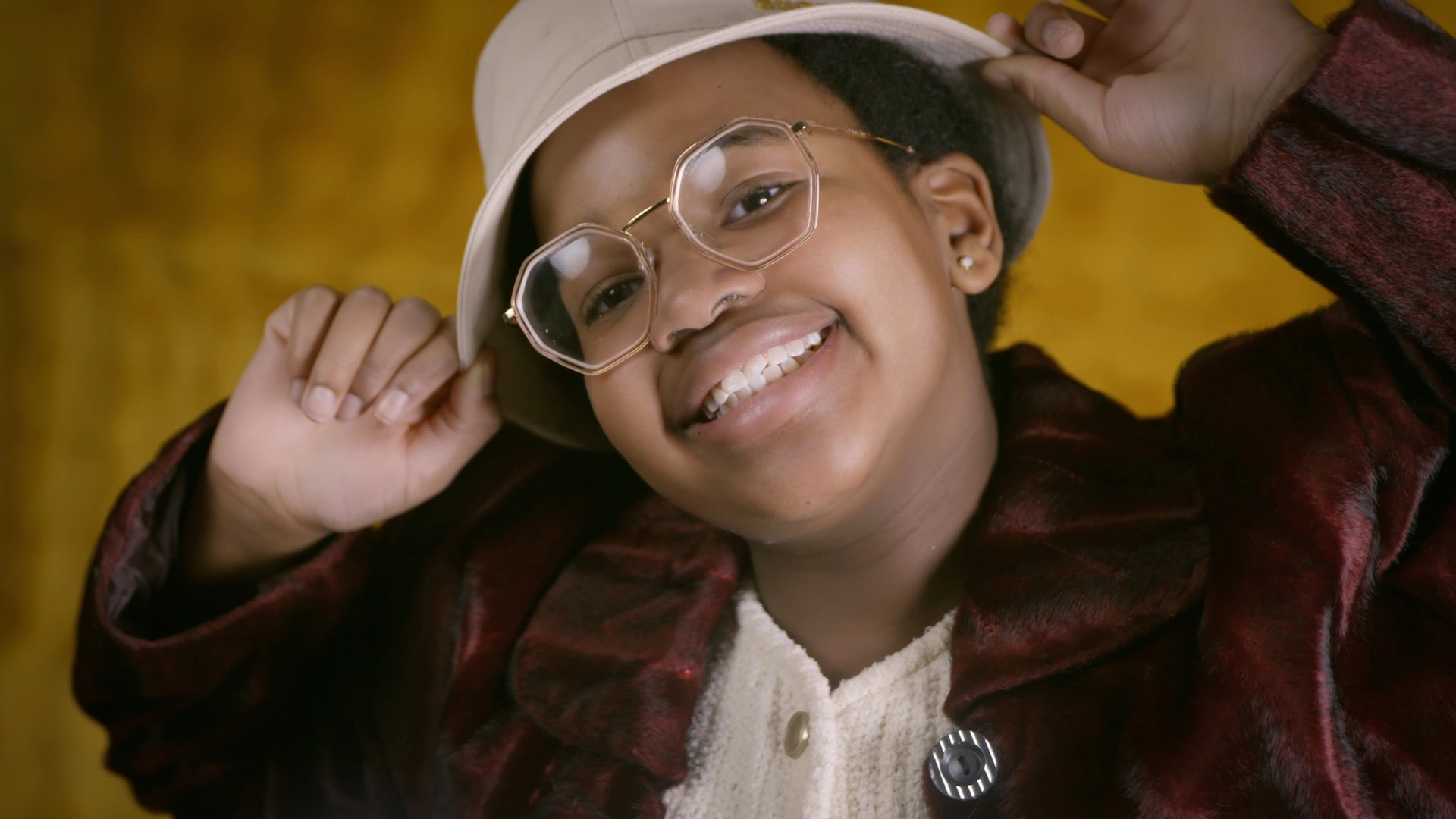
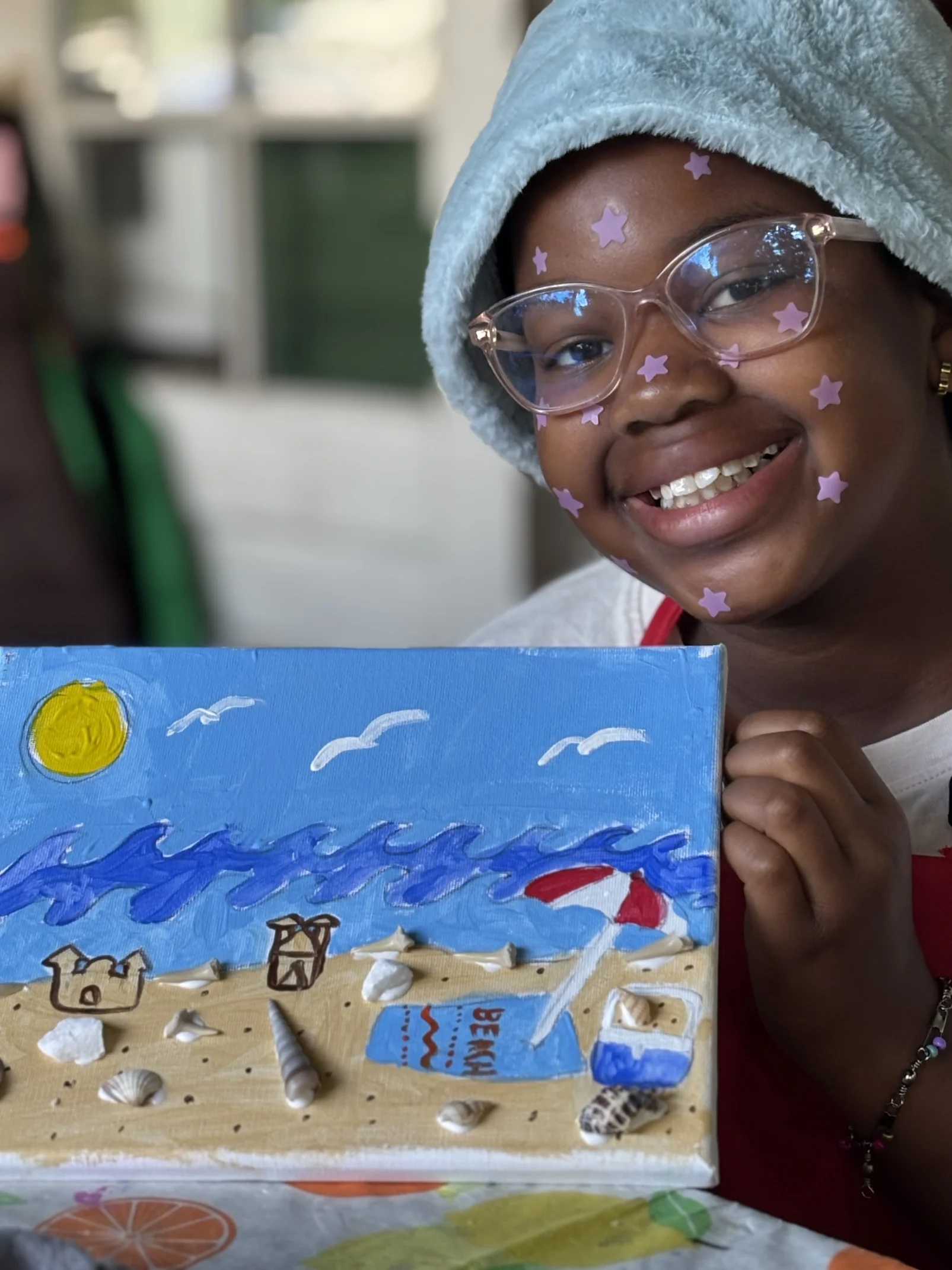
In the quiet sanctuary of a ten-year-old girl’s bedroom, a single piece of artwork serves as a testament to a journey that spans continents, medical milestones, and an unwavering sense of self. For Valerie, known to her friends and family as Val, the poem she authored and framed on her wall is not merely a creative exercise; it is a reclamation of identity. Following a grueling battle with Hodgkin lymphoma, a diagnosis that threatened to reshape her childhood through the lens of illness, Val has emerged not only as a survivor but as a prominent advocate for pediatric cancer research. Her story, which began with a move from Nigeria to the United States and culminated in her selection as an ambassador for the iconic Glamorama benefit, underscores the critical importance of specialized medical research and the resilience of the human spirit.
Val’s narrative is one of profound transition. Originally from Nigeria, she relocated to the United States with her mother, Adaora, seeking new opportunities. Settling in a region often referred to as the "cheese capital of the world," the family embraced their new environment until the onset of mysterious health complications began to shadow Val’s high-energy lifestyle. A gifted student with a passion for the cello, dance, and visual arts, Val’s sudden struggle with physical discomfort was an immediate cause for concern.
The Diagnostic Challenge and the Physician’s Intuition
The path to a definitive diagnosis was neither direct nor simple. Initially, Val’s symptoms were intermittent and non-specific, primarily manifesting as recurring stomach pain. Given their geographic location in a dairy-rich region, Adaora initially suspected a common culprit: dairy intolerance. However, as the symptoms persisted and intensified, Adaora’s perspective shifted. Beyond her role as a mother, Adaora is a trained physician, a factor that played a decisive role in the speed and accuracy of Val’s eventual diagnosis.
When the pain worsened and was accompanied by secondary symptoms, Adaora’s clinical intuition signaled that the issue was more systemic than a simple dietary sensitivity. Medical consultations and subsequent testing revealed a diagnosis that is relatively rare for a child of Val’s age: Hodgkin lymphoma. Hodgkin lymphoma is a cancer of the lymphatic system, which is part of the body’s immune system. While it is one of the most curable forms of childhood cancer, the diagnosis remains a traumatic turning point for any family, requiring immediate and intensive intervention.
Advancements in Pediatric Oncology: A New Standard of Care
Val’s treatment plan reflected the cutting edge of pediatric oncology, a field that has shifted its focus from mere survival to "cure with a lower cost." Historically, cancer treatments for children relied heavily on high-dose chemotherapy and radiation, which, while effective at killing cancer cells, often left survivors with lifelong "late effects," including secondary cancers, heart disease, and infertility.
Val was enrolled in a treatment protocol that combined traditional chemotherapy with immunotherapy. This dual approach is designed to harness the body’s immune system to identify and attack cancer cells more precisely, thereby reducing the volume of toxic chemicals required. According to current medical data, Hodgkin lymphoma now boasts a five-year survival rate of approximately 95% in pediatric patients, thanks largely to clinical trials funded by organizations like the Children’s Cancer Research Fund (CCRF).
The shift toward immunotherapy represents a significant milestone in oncology. By targeting specific proteins on the surface of cancer cells, these treatments minimize damage to healthy surrounding tissue. For a growing child like Val, this means a higher likelihood of reaching adulthood without the chronic health burdens that previously plagued many childhood cancer survivors.
The Psychological Impact of Treatment and the Power of Art
Despite the optimistic prognosis, the physical and emotional toll of treatment was substantial. One of the most significant hurdles for Val was the loss of her hair, a common side effect of chemotherapy that often strikes at the heart of a young patient’s self-image. For many children, hair loss is the most visible marker of their illness, a constant reminder of their status as a "patient."
Val, however, chose to confront this challenge through her creative outlets. She produced an artwork titled "BALD," which she transformed into a declaration of strength rather than a symbol of loss. By reframing her appearance through poetry and visual art, she maintained agency over her narrative. "Going through chemotherapy makes me feel like I can conquer anything," Val remarked, reflecting a level of psychological resilience that clinicians increasingly recognize as a vital component of holistic recovery.
Throughout her treatment, Val remained integrated into her community. She attended school when her energy levels permitted and continued to participate in dance. The support system surrounding Val and Adaora was robust; local community members provided meals, emotional support, and constant communication, ensuring that the isolation often felt by immigrant families facing medical crises was mitigated by collective action.
Chronology of Recovery and the Return to Advocacy
Following the completion of her treatment protocol, Val was declared cancer-free. Her transition from patient to survivor has been marked by a return to her various passions, but with a new objective: helping other children who face similar diagnoses. This mission has led to her role as one of five ambassadors for the return of Glamorama.
Glamorama has a storied history as one of the premier fashion and entertainment events in the Twin Cities. Originally launched by the Dayton’s department store and continued by Marshall Field’s and Macy’s, the event served as a high-profile fundraiser for the Children’s Cancer Research Fund for decades. After a hiatus, the return of Glamorama marks a significant moment for the philanthropic community. The event blends fashion, music, and storytelling to raise the millions of dollars necessary to fund the next generation of cancer treatments.
As an ambassador, Val is involved in the creative direction of the production, collaborating with designers and organizers to bring the event to life. Her involvement ensures that the perspective of the patient remains at the forefront of the celebration.
Supporting Data: The Funding Gap in Pediatric Cancer
The necessity of events like Glamorama is underscored by a sobering reality in medical funding. While cancer remains the leading cause of death by disease for children in the United States, pediatric cancer research receives a disproportionately small fraction of federal funding.
Data from the National Cancer Institute (NCI) indicates that only approximately 4% of the federal budget for cancer research is dedicated specifically to pediatric cancers. The vast majority of funding is directed toward adult cancers, such as lung, breast, and prostate cancer. This "4% gap" means that the development of new, less-toxic drugs for children relies heavily on private philanthropy and organizations like the Children’s Cancer Research Fund. Since its inception, CCRF has contributed over $200 million to research, education, and quality-of-life programs, filling a critical void in the national research landscape.
Broader Implications and the Future of Survivorship
Val’s success story is a beacon of hope, but it also highlights the ongoing needs of the survivor community. As survival rates for Hodgkin lymphoma and other pediatric cancers continue to climb, the medical community is turning its attention to "survivorship care." This involves long-term monitoring for late effects and providing mental health support for the trauma associated with intensive medical intervention.
Val’s ability to thrive post-cancer is attributed not only to the medical treatment she received but also to the psychosocial support provided by her family and community. Her story emphasizes that the goal of modern oncology is not just to save a life, but to preserve the quality of that life.
The upcoming Glamorama event serves as a critical juncture for this cause. Proceeds from the event will go directly toward funding clinical trials that Val herself benefited from, as well as basic science research aimed at discovering the underlying causes of rare pediatric malignancies.
Conclusion: A Night of Celebration and Purpose
As Valerie prepares to take the stage as a Glamorama ambassador, she represents the thousands of children who are currently in the midst of their own battles. Her journey from a concerned daughter in Nigeria to a cancer-free artist and advocate in the United States is a powerful reminder of the impact of medical innovation and community solidarity.
Tickets for the Glamorama benefit are currently being distributed, with organizers expecting a sell-out crowd. The event promises to be more than just a fashion show; it is a manifestation of a community’s commitment to ensuring that no child is defined by a cancer diagnosis. For Val, the poem on her wall remains a constant: she is a dancer, a cellist, a creator, and a survivor—a girl who conquered the unthinkable and is now working to ensure that others can do the same.
