
 By admin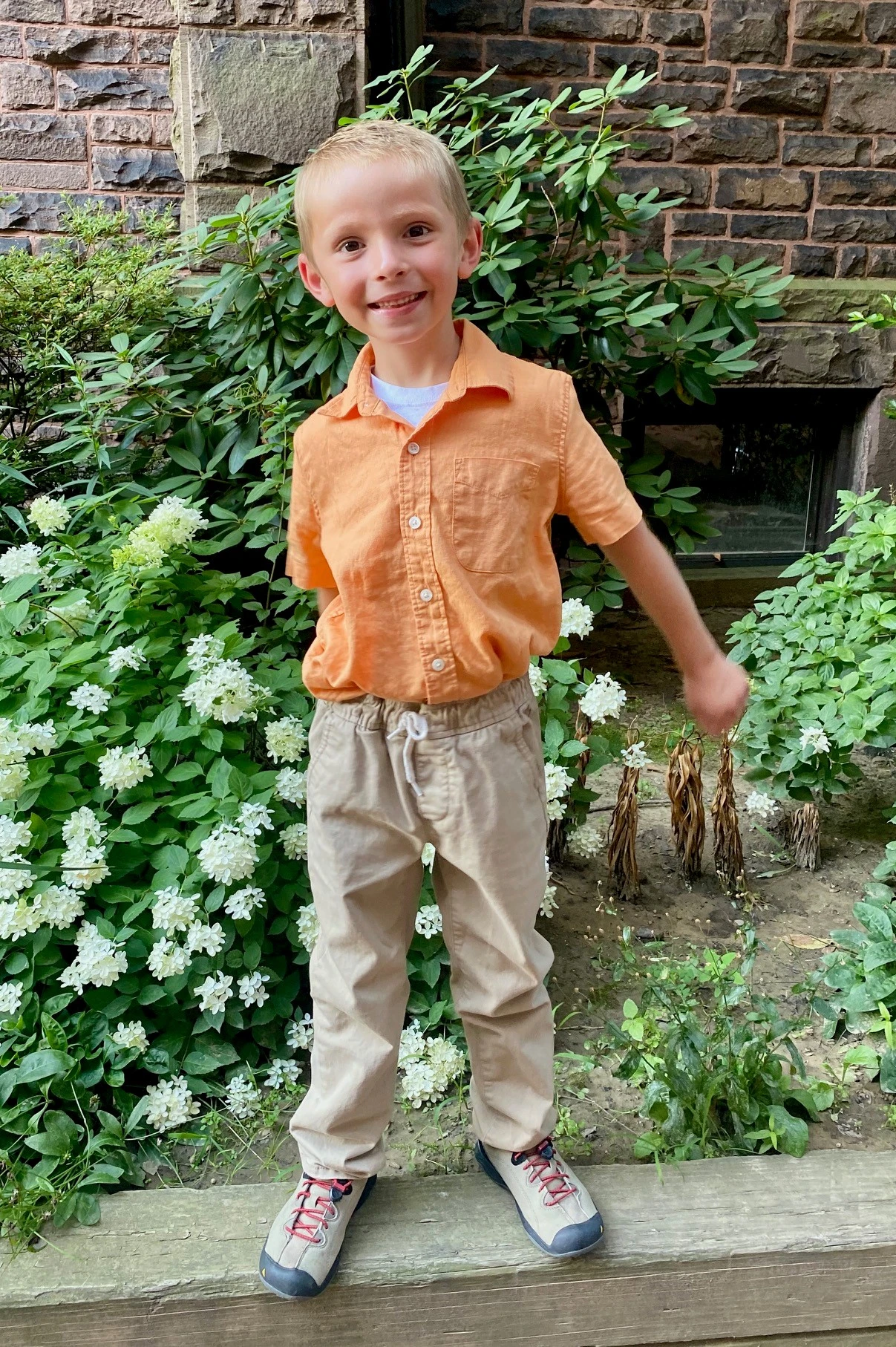
The transition from third to fourth grade typically marks a routine milestone in a child’s educational journey, yet for the Gray family, it represented a poignant threshold of grief and a catalyst for national philanthropic action. When Natalie Gray entered her fourth-grade classroom this year, she officially surpassed the final academic milestone reached by her older brother, Nathan, who succumbed to a rare and aggressive form of Wilms tumor in 2022 at the age of eight. This personal family narrative has since evolved into a significant movement in pediatric oncology, culminating in a recent $1 million fundraising achievement at the 2024 Forbes | SHOOK Top Advisor Summit to fund critical clinical trials for relapsed kidney cancers.
The story of the Gray family highlights a systemic challenge in the American medical landscape: the difficulty of diagnosing rare pediatric cancers and the critical shortage of research funding for relapsed cases. Nathan’s journey, characterized by a series of diagnostic delays and a subsequent battle against a disease with limited treatment options, serves as the foundation for a new multi-center clinical trial led by Dr. Michael V. Ortiz at Memorial Sloan Kettering Cancer Center.
The Diagnostic Challenge and the Path to Discovery
The clinical history of Nathan Gray began when he was two years old, manifesting as cyclical, high-grade fevers that appeared and dissipated without an immediately apparent cause. Medical records and parental accounts indicate a period of diagnostic uncertainty; Patricia Gray, Nathan’s mother, reported multiple consultations where the symptoms were dismissed as routine childhood illnesses. This phenomenon, often referred to in medical literature as diagnostic overshadowing or parental dismissal, delayed the identification of the underlying malignancy.
It was not until a subsequent emergency room visit, necessitated by a persistent fever and deteriorating physical condition, that the severity of Nathan’s health was recognized. Immediate blood transfusions were required, and he was transferred to a specialized pediatric facility. The eventual diagnosis was Wilms tumor, or nephroblastoma, a type of kidney cancer that primarily affects children.
While Wilms tumor is often cited as a success story in pediatric oncology due to a general survival rate exceeding 90%, these statistics mask the reality of high-risk relapsed cases. For children like Nathan, whose cancer returns after initial treatment, the prognosis shifts dramatically. Statistical data from pediatric oncology groups indicate that for very high-risk relapsed Wilms tumor, the mortality rate is approximately 80%.

A Chronology of Treatment and Relapse
Nathan Gray’s medical journey spanned six years, reflecting the arduous nature of pediatric cancer treatment. After his initial diagnosis, he underwent a rigorous protocol involving surgery, chemotherapy, and radiation. For a period of two years, Nathan was declared cancer-free, achieving a state of remission that offered his family a semblance of normalcy.
However, in May 2019, routine surveillance imaging revealed the presence of metastatic tumors in both of Nathan’s lungs. This development shifted his status from a standard recovery case to a high-risk relapse patient. Over the ensuing three years, Nathan’s treatment plan became increasingly complex, involving care from some of the nation’s leading institutions, including Geisinger Medical Center, the Children’s Hospital of Philadelphia (CHOP), and Memorial Sloan Kettering Cancer Center (MSK).
Despite the involvement of elite medical teams and the exhaustion of conventional therapeutic options, the lack of targeted research for relapsed Wilms tumor meant that a curative treatment did not exist. Nathan passed away on January 6, 2022. His death underscored a critical gap in the pharmaceutical pipeline: the "orphan" status of rare pediatric relapses, which often fail to attract the same level of research and development investment as adult malignancies or more common childhood leukemias.
Community Mobilization and the "Orange Shirt" Movement
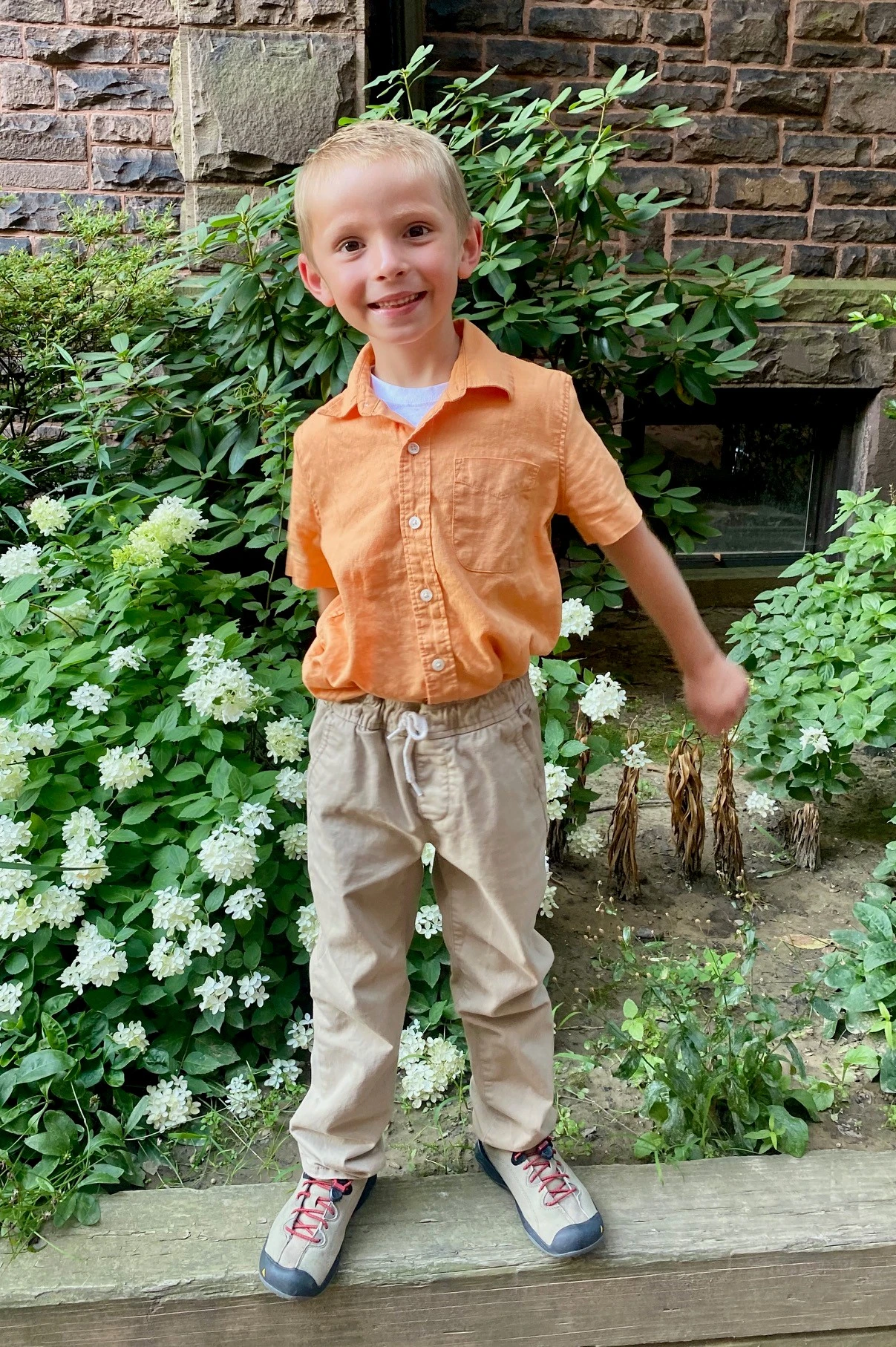
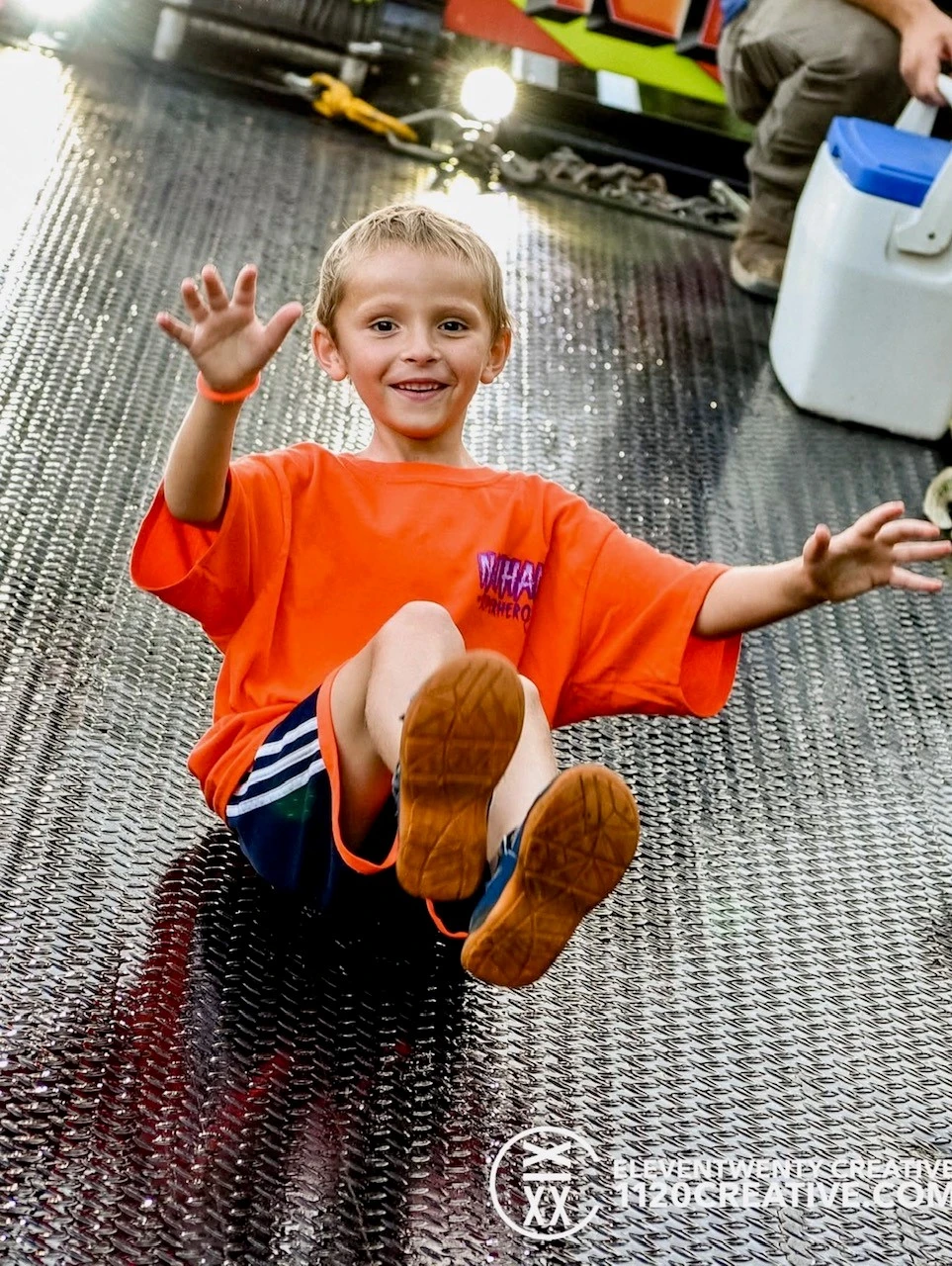
Throughout Nathan’s illness, his local community became a model for grassroots support. The mobilization was characterized by high-visibility events, including a caravan of emergency vehicles—police cars and fire trucks—that paraded past the Gray residence to bolster the family’s spirits. Nathan was also named the guest of honor at local holiday events, and the community adopted the color orange, Nathan’s favorite, as a symbol of solidarity.
This local support eventually transitioned into a broader advocacy role for the Gray family. Following Nathan’s death, Patricia Gray sought to channel the "unspent love" of grief into tangible medical progress. This led to a partnership with the Children’s Cancer Research Fund (CCRF), a national nonprofit dedicated to closing the funding gap in pediatric oncology.
The Ortiz Clinical Trial: A New Frontier in Treatment
The primary beneficiary of the Gray family’s advocacy is a groundbreaking clinical trial led by Dr. Michael V. Ortiz. Dr. Ortiz, who served as Nathan’s oncologist at MSK, is spearheading a multi-center study testing a novel drug specifically designed for high-risk relapsed Wilms tumor.
For decades, the standard of care for relapsed kidney cancer has relied on intensifying existing chemotherapies, which often carry heavy long-term toxicity. Dr. Ortiz’s trial represents a shift toward more targeted interventions. Supported by the funds raised in Nathan’s memory, the trial has expanded its footprint to eight major medical hubs across the United States:
- Atlanta
- Boston
- Chicago
- Cincinnati
- Los Angeles
- Palo Alto
- St. Louis
- Washington, D.C.
The expansion is critical because it allows for a larger, more diverse patient cohort, which is essential for validating the efficacy of new drugs in rare diseases. The trial aims to enroll 21 pediatric patients, providing them with a therapeutic option that was unavailable during Nathan’s treatment.
Philanthropic Impact: The 2024 Forbes | SHOOK Summit
In October 2024, the Gray family’s mission reached a significant financial milestone. Attending the Forbes | SHOOK Top Advisor Summit, the family shared Nathan’s story with approximately 1,000 of the nation’s leading financial advisors. The presentation was designed to highlight the disparity in cancer research funding; while billions are funneled into adult cancer research, pediatric rare cancers often rely almost exclusively on private donations to move into clinical trial phases.
The response from the summit attendees resulted in $1 million in immediate donations. This capital is specifically earmarked for the expansion of Dr. Ortiz’s clinical trial sites and the acceleration of patient enrollment. Analysts in the nonprofit sector suggest that this type of "high-impact philanthropy"—where a single family’s narrative drives large-scale corporate and professional giving—is becoming a vital lifeline for pediatric medical research.
Broader Implications for Pediatric Oncology
The case of Nathan Gray and the subsequent funding of Dr. Ortiz’s research highlight several broader implications for the future of pediatric medicine:
1. The Necessity of Private Funding
Federal funding for cancer research, primarily through the National Cancer Institute (NCI), allocates only about 4% of its budget to pediatric cancers. Within that 4%, the majority goes toward common types like Acute Lymphoblastic Leukemia (ALL). Rare solid tumors and relapsed cases are frequently left to depend on private organizations like the Children’s Cancer Research Fund. The $1 million raised by the Gray family demonstrates that private intervention is not just a supplement, but a requirement for innovation in this field.
2. The Move Toward Multi-Center Collaboration
By expanding the trial to eight cities, Dr. Ortiz is addressing the "small N" problem in rare disease research. Because there are relatively few cases of relapsed Wilms tumor annually, no single hospital has enough patients to conduct a statistically significant study. Multi-center trials are the only way to aggregate enough data to seek FDA approval for new treatments.
3. The Psychological Burden of "Milestone Grief"
The Gray family’s experience with Natalie’s fourth-grade transition sheds light on the long-term psychological impact on siblings of pediatric cancer patients. Natalie’s decision to donate her birthday and "tooth fairy" money to Dr. Ortiz’s research reflects a growing trend of "legacy healing," where surviving family members find agency through philanthropy.
Conclusion: The Enduring Narrative of Nathan Gray
Nathan Gray’s life, while short, has initiated a shift in how relapsed Wilms tumor is approached by the medical community. The transition from a family’s private sorrow to a million-dollar research initiative illustrates the power of patient advocacy in the modern era.
As the clinical trials move forward across the eight designated sites, the medical community remains cautiously optimistic. If successful, the drug being tested could redefine the survival statistics for a generation of children who currently face an 80% mortality rate. For the Gray family, the goal remains clear: ensuring that future families do not have to witness their children reach milestones that their siblings never could. The legacy of Nathan Gray is no longer defined by the illness that took his life, but by the potential cures his story is now funding.
