
 By admin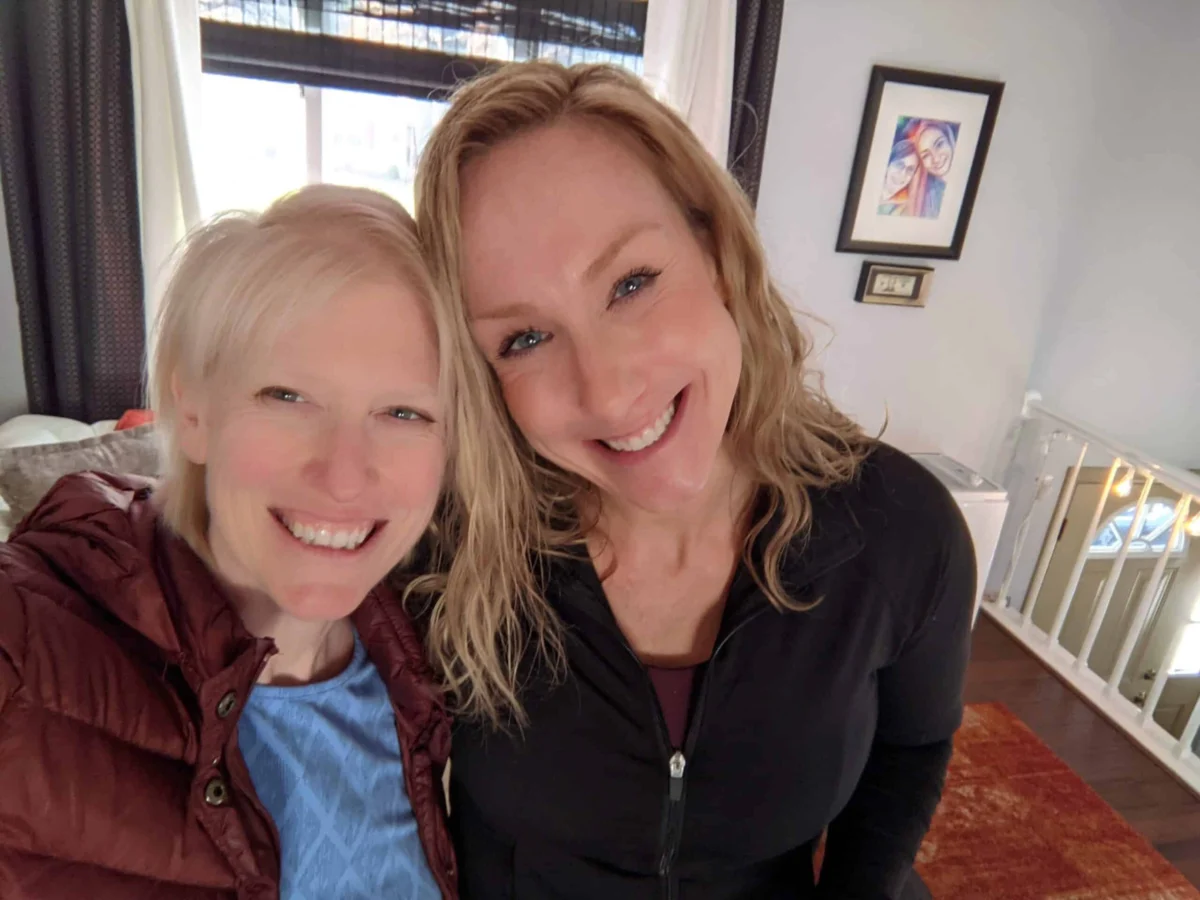
The seemingly mundane rhythms of daily life – school runs, grocery trips, work commitments, family celebrations – hold profound significance for Sharon Belvin and Jenney Bitner, two women who stared down a formidable foe in stage 4 melanoma and emerged victorious. Their individual battles, separated by years yet united by a revolutionary scientific breakthrough, underscore the transformative power of medical innovation and the invaluable strength found in shared experience. Their stories are not merely tales of survival but a testament to the relentless pursuit of knowledge, the courage of patients, and the profound human connection forged in the crucible of adversity.
The Grim Reality of Stage 4 Melanoma Before Immunotherapy
Melanoma, a severe form of skin cancer that originates in pigment-producing cells called melanocytes, is notoriously aggressive, especially once it metastasizes. In its advanced stages, particularly stage 4, melanoma cells have spread beyond the primary tumor site to distant organs such as the lungs, liver, brain, or bones. Historically, a diagnosis of stage 4 melanoma carried a grim prognosis. Before the advent of modern immunotherapies, the median survival for patients with metastatic melanoma was often measured in months, with five-year survival rates hovering around 5-10%. Treatment options were limited, primarily consisting of conventional chemotherapy, which often yielded modest and short-lived responses, accompanied by significant toxicities. The medical landscape offered little hope for many, leaving patients and their families facing an uncertain and often truncated future.
It was into this challenging environment that Sharon Belvin received her devastating diagnosis. At the tender age of 22, when life’s possibilities should have been boundless, Sharon was confronted with stage 4 melanoma. Her diagnosis occurred at a time when effective treatments for advanced melanoma were scarce, and the medical community was still years away from fully harnessing the immune system’s potential to fight cancer. Her future, once imagined as stretching forward without interruption, was suddenly overshadowed by a life-threatening illness.
Sharon’s Pioneering Leap: Early Immunotherapy and a Promise Kept
In the early 2000s, while research into novel cancer treatments was gaining momentum, the concept of immunotherapy was still in its nascent stages for widespread clinical application. Immunotherapy, distinct from traditional chemotherapy or radiation, works by stimulating the body’s own immune system to recognize and destroy cancer cells. For Sharon, facing a desperate situation with few conventional options, the path led to an experimental clinical trial – an early form of immunotherapy that, while unproven, offered a sliver of hope where little else existed. This decision was not merely a choice of treatment; it was a profound leap of faith into the scientific unknown, undertaken when the alternatives were dire.
The clinical trial in which Sharon participated represented a frontier in oncology. It aimed to activate specific immune checkpoints, a groundbreaking approach pioneered by researchers like Dr. James Allison, whose work on CTLA-4 inhibition would later earn him a Nobel Prize. The premise was that by removing the "brakes" on the immune system, T-cells could be unleashed to target and eliminate cancer cells more effectively. Miraculously, for Sharon, this experimental treatment yielded an extraordinary outcome: the cancer disappeared. Her body, empowered by this novel therapy, achieved a sustained remission, a feat almost unimaginable for stage 4 melanoma patients just a few years prior. This singular event marked a pivotal moment, not only in Sharon’s life but in the broader narrative of cancer research, demonstrating the immense potential of immunotherapy to transform previously incurable diseases into manageable or even curable conditions.
In the solitude of an MRI machine, shortly after her diagnosis, Sharon made a silent vow: if she survived, she would dedicate herself to helping others navigating similar struggles. This promise, born from the depths of her own uncertainty and subsequent triumph, would shape her future as an advocate and a beacon of hope for countless others. Her survival became a powerful validation of the scientific community’s bold pursuit of immunotherapy, transforming a fragile possibility into a tangible reality.
The Immunotherapy Revolution and Its Expanding Reach
Sharon’s remarkable recovery was a harbinger of a profound shift in cancer treatment paradigms. The early successes in melanoma paved the way for more intensive research and the development of a diverse array of immunotherapeutic agents. Over the subsequent decade, checkpoint inhibitors like ipilimumab (which targets CTLA-4), pembrolizumab, and nivolumab (which target PD-1 or PD-L1 pathways) gained regulatory approval, revolutionizing the treatment landscape for melanoma and eventually many other cancers, including lung, kidney, bladder, and head and neck cancers. These advancements moved immunotherapy from an experimental frontier to a standard of care, significantly improving survival rates and quality of life for a growing number of patients.
According to data from the National Cancer Institute, the five-year survival rate for metastatic melanoma has seen a dramatic increase, now exceeding 50% in many cases, a direct reflection of the widespread adoption and efficacy of immunotherapies. This represents an unprecedented improvement, effectively doubling or tripling the survival rates observed in the pre-immunotherapy era. Clinical trials, the very mechanism through which Sharon received her life-saving treatment, continue to be the engine of this progress, constantly refining existing therapies and discovering new targets for immune system modulation. Oncologists widely acknowledge that immunotherapy has fundamentally altered the prognosis for advanced melanoma, offering hope where previously there was despair.
Jenney’s Contemporary Battle: Motherhood, Pandemic, and Proven Science
Years after Sharon’s pioneering journey, Jenney Bitner found herself thrust into a similar, harrowing reality, though under vastly different circumstances. Her diagnosis of aggressive melanoma came in the midst of motherhood and during the unprecedented global upheaval of the COVID-19 pandemic. Jenney’s journey began with escalating headaches, initially dismissed, only to reveal a terrifying truth: a brain tumor, a metastatic lesion from an aggressive melanoma. The diagnosis arrived as she was expecting her fourth child, intertwining the joyous anticipation of new life with the terrifying specter of advanced cancer.
Jenney’s path to survival was arduous, marked by a series of intense medical interventions. She endured two complex brain surgeries to remove the metastatic tumors, a critical step to alleviate symptoms and prepare her for systemic treatment. The immense physical toll of these procedures was compounded by the emotional burden of fighting for her life while simultaneously nurturing a pregnancy. Her son was born weeks early, a testament to the immense pressures on her body and the medical team’s efforts to balance two lives. Following her surgeries and the birth of her child, Jenney began her course of immunotherapy, specifically a checkpoint inhibitor, which by this time had become a well-established and highly effective treatment for metastatic melanoma.
"I was diagnosed in February of 2020," Jenney recounts. "By October of 2020, after four rounds of immunotherapy, there was no evidence of disease." Her rapid and complete response underscored the significant advancements in immunotherapy, showcasing how far the science had come since Sharon’s initial trial. Jenney’s story highlights the evolution of cancer care: while the fundamental science of immunotherapy remained the same, the protocols, supportive care, and understanding of patient management had matured, leading to more predictable and often swifter outcomes. Her experience also brought into sharp focus the added complexities of navigating a severe medical crisis during a global pandemic, which introduced challenges related to healthcare access, emotional isolation, and heightened anxiety.
The Unforeseen Connection: A Shared Language of Survival
Though their battles were separated by years and distinct personal contexts, Sharon and Jenney’s paths were destined to converge. Their meeting was serendipitous, orchestrated by a twist of fate. Jenney’s husband recognized Sharon in "Breakthrough: The Jim Allison Story," a documentary highlighting the pioneering work behind immunotherapy, and realized she hailed from the same small town as he did. He reached out, not knowing the depth of Sharon’s long-held promise to "pay it forward."
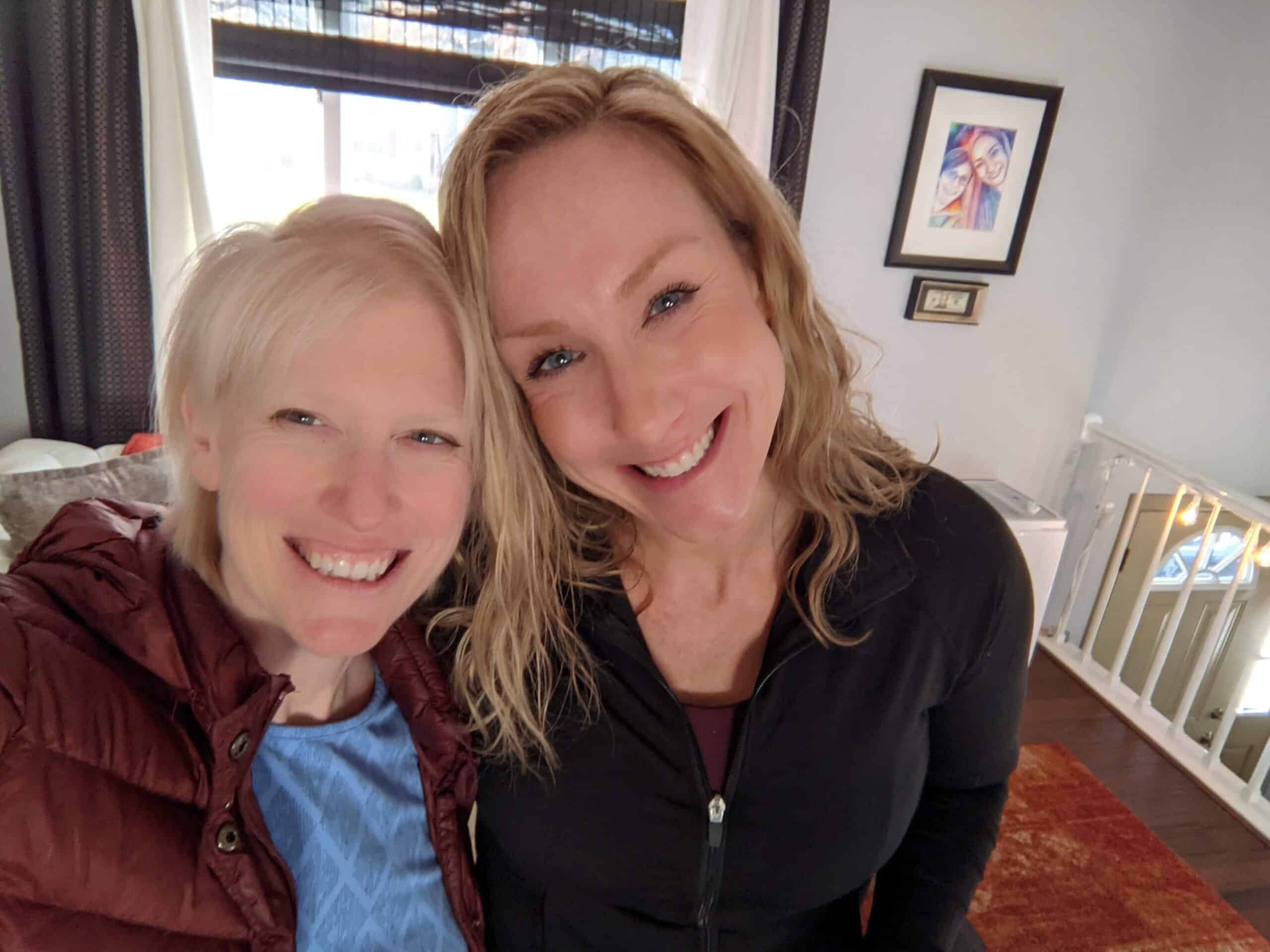
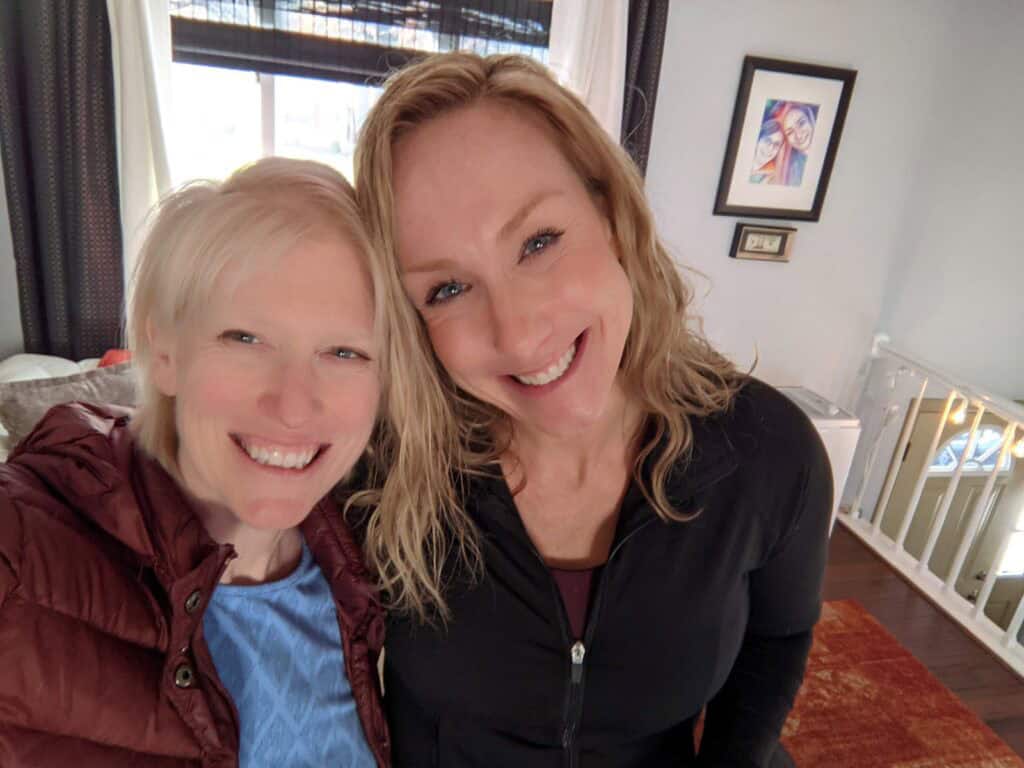
Sharon, true to her vow, responded immediately. This initial contact blossomed into a profound connection, built on an unspoken understanding that only those who have faced life-threatening cancer can truly share. "Sharon was a beacon of hope for me," Jenney shared. "She had the exact same cancer as me and has now been in remission for 20 years." Sharon’s long-term survival provided tangible proof that such an outcome was possible, offering Jenney invaluable emotional and psychological support during her most challenging moments, including through her brain surgeries and the initial rounds of immunotherapy.
Their bond exemplifies the unique power of peer support within the cancer community. In a world where a cancer diagnosis can feel incredibly isolating, connecting with someone who has walked a similar path provides comfort, validation, and practical guidance. It’s a space where complex emotions and fears don’t need translation. As one of them aptly put it, "I call it finding your family. It’s the family you get to choose. It’s the worst club with the best members." This sentiment reflects a common experience among survivors, who often form deep, empathetic bonds with others who understand the nuances of their journey.
Survivorship: A Nuanced Tapestry of Joy, Gratitude, and Lingering Shadows
Survivorship, as Sharon and Jenney eloquently demonstrate, is far from a clean ending. It is a continuation, a complex tapestry woven with threads of immense joy, profound gratitude, and persistent underlying fears. The return to routine – the school drop-offs, grocery runs, bedtime stories – is imbued with a heightened sense of preciousness, a quiet acknowledgment of what was almost lost. Yet, it also carries the weight of memory: the lingering anxieties of follow-up scans, the anniversaries of diagnosis that feel less like celebrations and more like solemn markers of endurance.
"I don’t know how a cancer diagnosis doesn’t shape every single conversation and relationship for the rest of your life," one of them reflected. "It plays a part in every single thing you do." This speaks to the pervasive and enduring impact of cancer on an individual’s psyche and worldview. It reshapes one’s relationship with the future, with health, and with time itself. For Sharon and Jenney, this also extended to their experiences with motherhood. Sharon understood the profound relief of surviving long enough to even imagine becoming a mother, while Jenney grappled with the terror of facing cancer while already being one, fearing the loss of precious time with her children. These distinct yet equally harrowing experiences forged a deep mutual empathy.
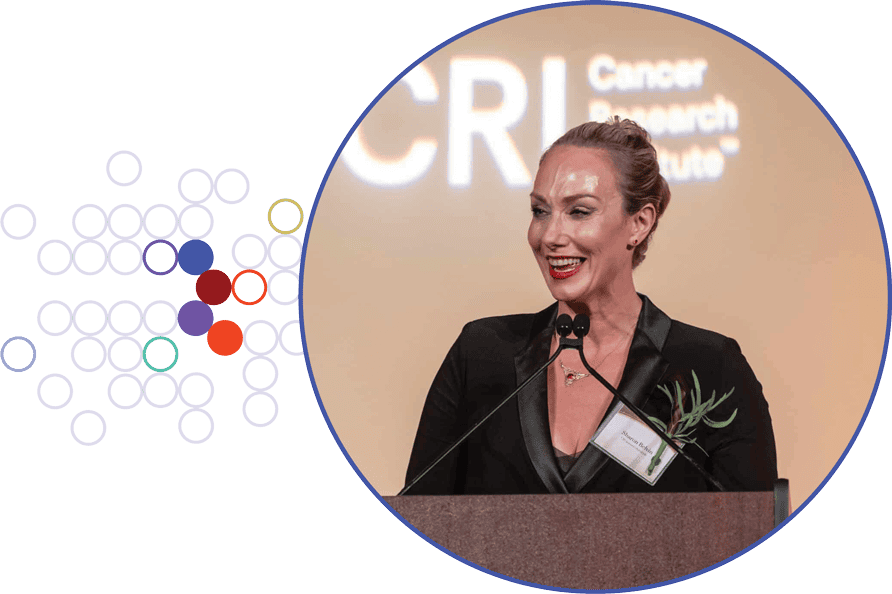
The medical community increasingly recognizes the importance of addressing the long-term implications of cancer survivorship, which extend beyond physical remission to encompass psychological, social, and practical challenges. Support groups, patient advocacy networks, and long-term follow-up care are crucial components of holistic cancer care, helping survivors navigate the complex emotional landscape that follows treatment. Organizations dedicated to cancer research and patient support, like the one highlighting Sharon and Jenney’s story, play a vital role in fostering these connections and advocating for comprehensive survivor care.
Broader Implications and The Enduring Legacy of Progress
Together, Jenney and Sharon’s stories transcend individual narratives, offering compelling proof of scientific progress in tangible, lived ways. They represent years added to lives, milestones reached, and, crucially, children growing up with their mothers beside them. Sharon’s journey illuminated what was possible at the dawn of a scientific breakthrough, while Jenney’s story demonstrates the life-saving potential that possibility has since realized and refined.
Their advocacy and continued support for other patients underscore the ripple effect of survival. They transform their personal battles into platforms for hope and education, illustrating that in the face of a terrifying diagnosis, connection and collective wisdom can be vital for "keeping you going." Their efforts contribute to a broader understanding of cancer survivorship, normalizing the conversation around its complexities and empowering others to seek support.
The implications of their experiences are multifaceted. For medical science, their stories are powerful validation of sustained investment in basic and translational research. They highlight the critical role of clinical trials in bringing innovative therapies from the lab to patients. For public health, they demonstrate the profound impact of these advancements on mortality rates and quality of life, particularly for diseases like melanoma that were once considered death sentences. For society, they emphasize the enduring value of human connection and empathy in navigating life’s most challenging passages.
In the end, Sharon and Jenney’s journey is not solely about surviving a deadly disease; it is about what that survival makes room for. More mornings, more laughter, more ordinary, extraordinary moments that once felt agonizingly uncertain. It is about more time to grow into the people they were meant to become – survivors, advocates, mothers, and friends. It is a powerful reminder that every day, no matter how mundane, is a gift, especially when it was almost taken away. Their lives stand as a testament to the fact that with scientific advancement and unwavering human spirit, there is always more life to be lived.
