
 By admin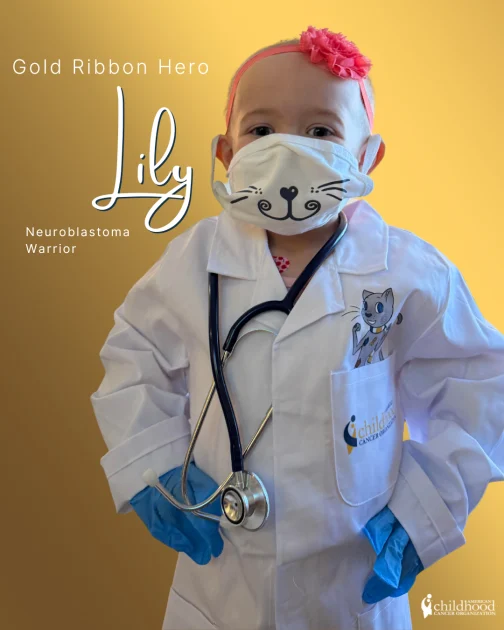
The clinical landscape of pediatric oncology is often defined by a grueling cycle of intensive therapies, hard-won remissions, and the ever-present threat of recurrence. This reality is currently being navigated by a two-year-old patient named Lily, who is currently undergoing her second significant battle against neuroblastoma. Diagnosed at just 18 months of age, Lily’s medical journey underscores the complexities of treating high-risk solid tumors in young children and highlights the critical need for continued research into central nervous system (CNS) relapses.
Neuroblastoma is a cancer that develops from immature nerve cells found in several areas of the body, most commonly arising in and around the adrenal glands. For Lily, the initial indication of the disease was deceptively common: stomach pain. Her family, initially suspecting routine childhood constipation, sought emergency medical care when the symptoms persisted. However, diagnostic imaging revealed a much more sinister cause—a large mass located within her abdomen. This discovery immediately transitioned Lily from a healthy toddler to a patient in the high-risk category of pediatric oncology, necessitating an aggressive, multi-modal treatment plan.
The Pathological Profile of Neuroblastoma
Neuroblastoma accounts for approximately 7% to 10% of all childhood cancers and is responsible for about 15% of all pediatric cancer deaths. It is the most common cancer diagnosed in infants under one year of age. The disease is characterized by its heterogeneity; while some cases may regress spontaneously or require minimal intervention, high-risk cases—like the one Lily faced—are notoriously difficult to treat and have a high propensity for recurrence.
Standard treatment for high-risk neuroblastoma is divided into three distinct phases: induction, consolidation, and maintenance. Lily’s medical team initiated this rigorous protocol immediately following her diagnosis. The induction phase involved intensive chemotherapy designed to shrink the primary tumor and eliminate any circulating cancer cells. This was followed by surgical intervention to debulk the abdominal mass.
The consolidation phase is perhaps the most physically taxing, involving high-dose chemotherapy followed by autologous bone marrow transplants. This process aims to eradicate any residual microscopic disease. Following the transplants, Lily underwent external beam radiation therapy and immunotherapy. Immunotherapy, specifically the use of monoclonal antibodies that target the GD2 protein on the surface of neuroblastoma cells, has become a cornerstone of modern treatment, significantly improving survival rates over the last decade.
The Milestone of Remission and the Challenge of Relapse
In September 2025, after nearly a year of continuous treatment, Lily’s family and medical team celebrated a significant milestone: she had officially entered remission. At this stage, diagnostic scans showed no evidence of active disease. For many families, this period offers a brief reprieve from the clinical environment and a chance for the child to reclaim a sense of normalcy. Lily’s mother describes her daughter as a "spicy," playful, and loving child—traits that remained intact despite the physical toll of her initial treatment.
However, the nature of high-risk neuroblastoma is such that the risk of relapse remains high, particularly within the first two years after completing treatment. Just two months after entering remission, Lily began experiencing persistent headaches. Her parents, sensitized to the subtle changes in her health, acted with urgency. Subsequent imaging confirmed the family’s worst fears: the cancer had returned, but with a critical shift in location. The disease had metastasized to her brain.
Relapse in the central nervous system (CNS) presents a unique set of challenges for oncologists. Historically, CNS involvement in neuroblastoma was rare, but as systemic treatments (like chemotherapy and immunotherapy) have become more effective at controlling the disease in the rest of the body, the brain has emerged as a "sanctuary site." Many standard chemotherapy drugs cannot cross the blood-brain barrier effectively, allowing dormant cancer cells to survive and eventually proliferate within the brain or spinal cord.
Advanced Surgical Intervention and Ongoing Protocols
Upon the discovery of the brain relapse, Lily underwent immediate brain surgery to remove the new tumor mass. While surgery is a vital component of treating CNS relapse, it is rarely curative on its own. Following her recovery from the neurosurgical procedure, Lily was placed back on an aggressive treatment regimen.
Her current protocol involves a combination of chemotherapy, immunotherapy, and localized radiation. This "triple-threat" approach is designed to address the localized area of the relapse while also providing systemic protection against further spread. The use of immunotherapy in the context of a CNS relapse is a burgeoning area of clinical study, with researchers looking for ways to prime the immune system to recognize and destroy cancer cells that have breached the blood-brain barrier.
The emotional and psychological impact on a family facing a second diagnosis cannot be overstated. Pediatric oncologists often note that a relapse is frequently more traumatic than the initial diagnosis, as it shatters the hope that the primary treatment was successful. Statements from the family emphasize that while the situation is dire, Lily’s "spicy" personality continues to serve as a source of inspiration for her caregivers and the medical staff.
The Critical Need for Pediatric Cancer Research Funding
Lily’s case serves as a poignant reminder of the disparities in cancer research funding. Despite the fact that cancer remains the leading cause of death by disease in children in the United States, pediatric cancer research receives only a small fraction of the funding allocated to adult cancers. Specifically, the National Cancer Institute (NCI) historically allocates only about 4% of its annual budget to pediatric-specific research.
This funding gap has direct implications for patients like Lily. Many of the treatments currently used for neuroblastoma were originally developed for adult cancers and adapted for children, rather than being designed specifically for the unique biology of pediatric tumors. Organizations like the American Childhood Cancer Organization (ACCO) advocate for increased federal funding and public awareness, operating under the motto that "kids can’t fight cancer alone."
The lack of specialized pediatric drugs means that children often suffer from long-term "late effects" of treatment, including hearing loss, heart damage, and secondary cancers later in life. For a child like Lily, who has undergone bone marrow transplants and multiple rounds of radiation before her third birthday, the focus is currently on survival, but the long-term medical monitoring requirements will be lifelong.
Broader Implications and Clinical Outlook
The medical community continues to monitor cases like Lily’s to better understand the mechanisms of neuroblastoma relapse. Current clinical trials are investigating the use of liquid biopsies—testing blood or cerebrospinal fluid for tumor DNA—to detect relapses earlier than traditional imaging might allow. There is also significant interest in vaccine therapy, which aims to train the body’s immune system to prevent recurrence after a patient reaches remission.
The statistical reality for CNS neuroblastoma relapse remains sobering, with long-term survival rates significantly lower than those for the initial diagnosis. However, advancements in precision medicine and targeted radiation (such as proton therapy) offer new avenues for hope. By tailoring treatment to the specific genetic mutations found in an individual child’s tumor, doctors are increasingly able to move away from "one-size-fits-all" protocols.
Lily’s journey is emblematic of the thousands of children diagnosed with high-risk cancers every year. Her story is one of profound resilience, but it also serves as a call to action for the medical and legislative communities. As she continues her current round of chemotherapy and radiation, her case remains a focal point for local advocacy efforts, highlighting the necessity of community support and the vital role of organizations that provide resources to families navigating the complexities of the pediatric oncology system.
In conclusion, the fight against neuroblastoma is a marathon, not a sprint. For Lily, the path forward involves continued clinical intervention and the unwavering support of her family. Her case underscores the fact that while medical science has made great strides in increasing the five-year survival rate for pediatric cancers, the challenge of high-risk relapses requires a renewed commitment to specialized research and innovative therapeutic strategies. As the medical community watches Lily’s progress, her story remains a testament to the strength of pediatric patients and the urgent need for a world where childhood cancer is no longer a life-threatening reality.
