
 By admin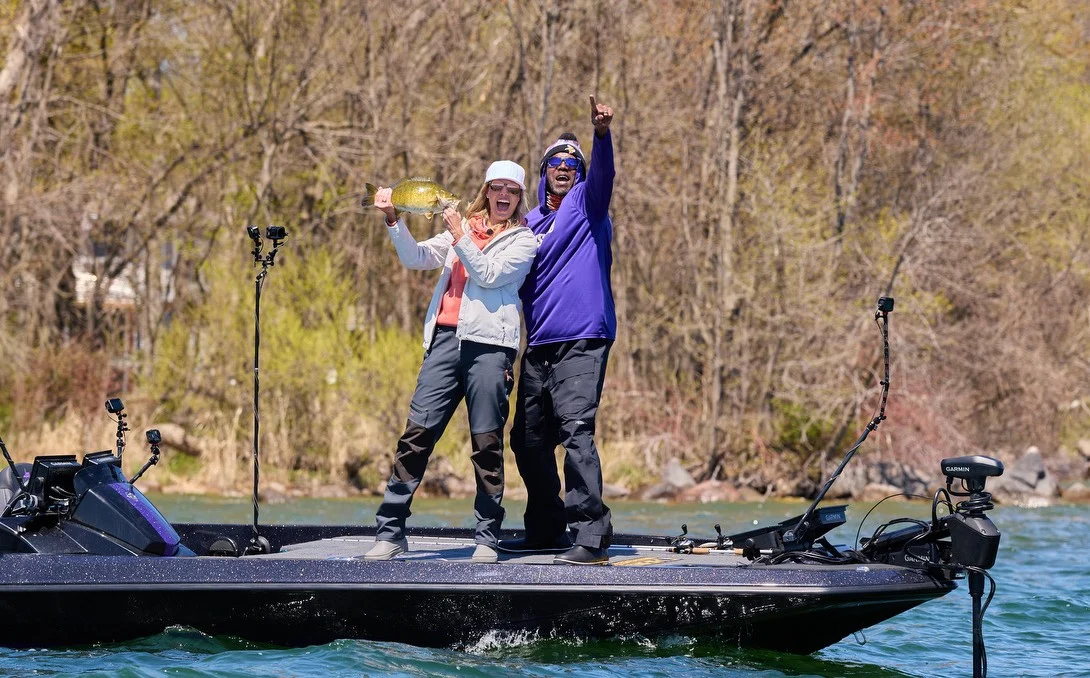
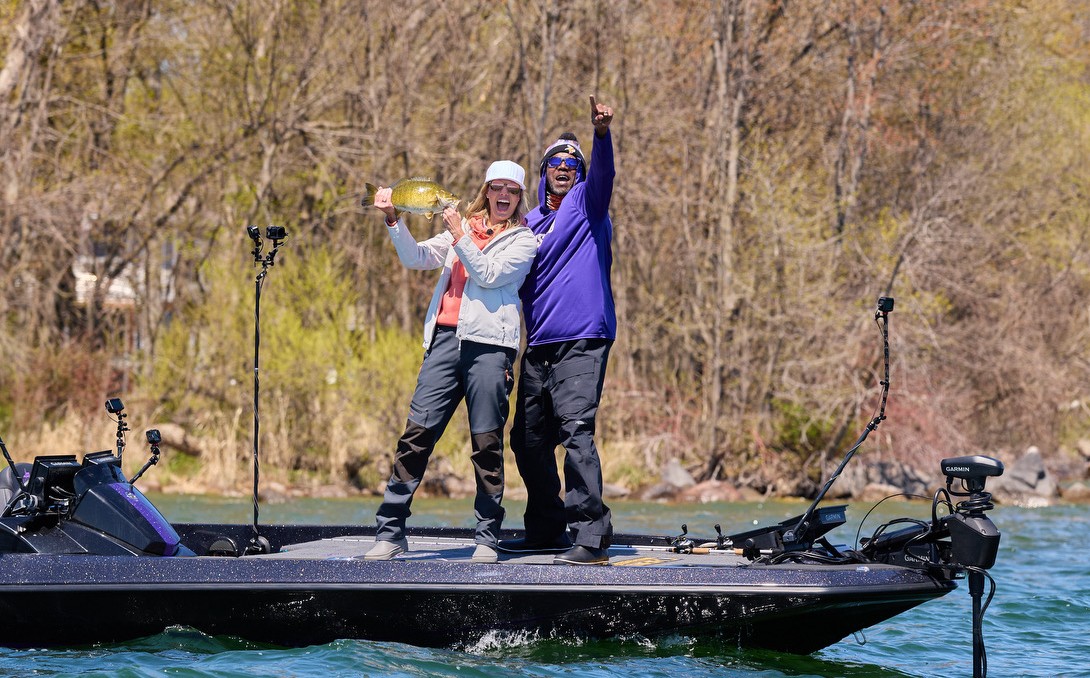
The pursuit of excellence has defined the career of Randy Moss, from his record-breaking days as an NFL wide receiver to his current endeavors as an avid outdoorsman. In his latest project, a YouTube series titled Chasing10, Moss seeks the ultimate catch—the kind of trophy fish that creates a lifelong memory. However, a recent excursion to the waters of northern Minnesota shifted the focus from personal achievement to a much larger humanitarian mission. On the expansive waters of Leech Lake, Moss joined forces with Kenna Dooley, the Chief Development Officer of the Children’s Cancer Research Fund (CCRF), to pivot the narrative of his series toward a more urgent objective: Chasing a Cure for childhood cancer.
This collaboration serves as a central pillar of the Chasing a Cure campaign, an initiative designed to bridge the gap between the visibility of professional sports and the critical funding needs of pediatric oncology research. For Moss, the partnership is not merely a celebrity endorsement but a deeply personal exploration of the toll cancer takes on patients and their families. During the filming of the episode, Moss reflected on the grueling nature of medical intervention, noting that the psychological burden of treatment often mirrors the physical exhaustion. The setting of Leech Lake provided a poignant backdrop for these discussions, as the location is inextricably linked to the origin story of the Children’s Cancer Research Fund itself.
The Legacy of Katie Hageboeck and the Birth of CCRF
The choice of Leech Lake as the filming location was far from coincidental. For the family of Katie Hageboeck, these waters represented the joy of childhood. Long before the area became a destination for professional anglers, it was the site of the Hageboeck family cabin, where Katie spent her summers swimming and fishing. In 1979, at the age of 13, Katie passed away from leukemia. Before her death, she requested that her savings—intended for a new bicycle—be donated to find a cure for the disease that was taking her life.
This selfless final wish became the catalyst for the Children’s Cancer Research Fund. What began as a small, family-led effort to honor a daughter’s memory has evolved into a national powerhouse in the fight against pediatric cancer. Since its inception, CCRF has raised over $500 million to support innovative research, education, and family services. The organization’s roots remain firmly planted in Minnesota, specifically at the University of Minnesota, where Katie received her treatment. Today, her legacy is immortalized through Katie’s Clinic and The Porch, two specialized facilities designed to provide a healing environment that reflects the serenity of the North Woods she loved.
The Physical and Mental Toll of Traditional Treatment
During his time on the water with Kenna Dooley, Randy Moss shared insights into the realities of cancer treatment that are rarely discussed in the highlight reels of professional sports. Moss remarked on the devastating impact of chemotherapy, stating that the treatment "beat me up so bad" and emphasizing that the mental struggle often outweighed the physical pain. This sentiment resonates with thousands of families who watch their children undergo intensive protocols involving toxic chemicals and high-dose radiation.
Statistically, the burden of traditional cancer treatment on children is immense. While survival rates for many types of childhood cancer have improved significantly since 1979—moving from a 50% five-year survival rate to over 80% today—the "cure" often comes at a high cost. According to the National Cancer Institute, more than 95% of childhood cancer survivors experience significant health-related issues by the time they are 45 years old. These "late effects" can include heart disease, secondary cancers, cognitive impairments, and infertility, all stemming from the very treatments intended to save their lives.
Kenna Dooley highlighted that the goal of the Chasing a Cure campaign is to move beyond these antiquated methods. The focus of CCRF-funded research is increasingly directed toward precision medicine and immunotherapy, which aim to target cancer cells without damaging the surrounding healthy tissue.
The Scientific Frontier: Immunotherapy and the Future of Oncology
A primary focus of the discussion between Moss and Dooley was the promise of immunotherapy. This field of medicine involves harnessing the body’s own immune system to recognize and destroy cancer cells. Unlike chemotherapy, which acts as a systemic poison to kill rapidly dividing cells, immunotherapy is more surgical in its approach.
"If we can get rid of radiation and chemotherapy—that’s a win-win for everybody," Dooley noted during the episode. The implications of this shift are profound. For a child, avoiding chemotherapy means maintaining their hair, their energy, and their ability to attend school and play. It means a childhood defined by experiences rather than hospital stays.
Current research funded by CCRF includes CAR T-cell therapy, where a patient’s own T-cells are genetically engineered to attack specific proteins on leukemia cells. This treatment has already shown miraculous results for children who were previously considered terminal. However, the funding for such specialized pediatric research remains a challenge. Historically, only about 4% of federal funding for cancer research in the United States is directed specifically toward childhood cancers, making private organizations like CCRF vital to the continuation of these breakthroughs.
Creating a Healing Environment: Katie’s Clinic and The Porch
The partnership between Moss and CCRF also shed light on the importance of the patient experience. The University of Minnesota’s Katie’s Clinic and the communal space known as The Porch were established to honor Katie Hageboeck’s love for the outdoors. These spaces are intentionally designed to move away from the sterile, intimidating atmosphere of a traditional hospital.
The Porch serves as a sanctuary for families, offering a place to rest and connect with others facing similar battles. By incorporating natural elements—wood, stone, and imagery of the North Woods—the facility attempts to bring the peace of Leech Lake to the heart of the clinical environment. This holistic approach to care acknowledges that healing is not just a biological process but an emotional and psychological one. For children who are "chasing a cure," these environments provide a sense of normalcy and dignity during their most difficult days.
Analysis of the Impact: Why Athlete Involvement Matters
The involvement of a high-profile figure like Randy Moss provides the Chasing a Cure campaign with a level of visibility that is difficult to achieve through traditional fundraising methods. Moss, a Hall of Fame inductee with a massive following, brings a new demographic of supporters to the cause. By integrating the mission of CCRF into his fishing series, he reaches audiences who may not be aware of the funding disparities in pediatric cancer research.
From a journalistic perspective, this partnership exemplifies a growing trend of "purpose-driven content" in the digital age. Athletes are increasingly using their personal brands to advocate for systemic change rather than just appearing in thirty-second public service announcements. The long-form nature of the Chasing10 episode allows for a nuanced conversation about science, history, and the human condition, which is often lost in shorter media segments.
Furthermore, the economic impact of such campaigns cannot be understated. Private donations are often the "seed money" required for researchers to gather enough data to apply for larger federal grants. By "chasing a cure" through public awareness and fundraising, Moss and CCRF are effectively accelerating the timeline for new treatments to reach the bedside.
Conclusion: A Future Beyond the Hospital Walls
As the sun set over Leech Lake, the day spent by Randy Moss and Kenna Dooley served as a reminder that the most important victories happen off the field and away from the cameras. The Chasing a Cure campaign is more than just a fundraising drive; it is a commitment to a future where a cancer diagnosis does not mean the end of a normal childhood.
For the Hageboeck family, the legacy of their daughter has grown from a single act of generosity into a movement that has touched countless lives. For Randy Moss, the day was a realization that while "Chasing 10" is a pursuit of a hobby, "Chasing a Cure" is a pursuit of a better world.
The Children’s Cancer Research Fund continues to invite the public to join this chase. Through continued investment in immunotherapy and a steadfast commitment to the well-being of young patients, the organization remains dedicated to the vision that every child should have the chance to spend their summers on the water, making memories that last a lifetime, free from the shadow of disease. The episode of Chasing10 featuring this journey serves as both a tribute to the past and a roadmap for a future where the only thing children have to chase is their own dreams.
