
 By admin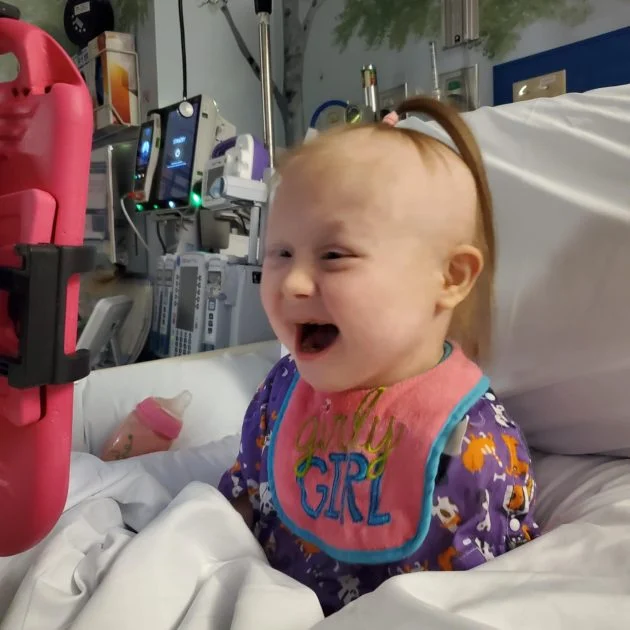
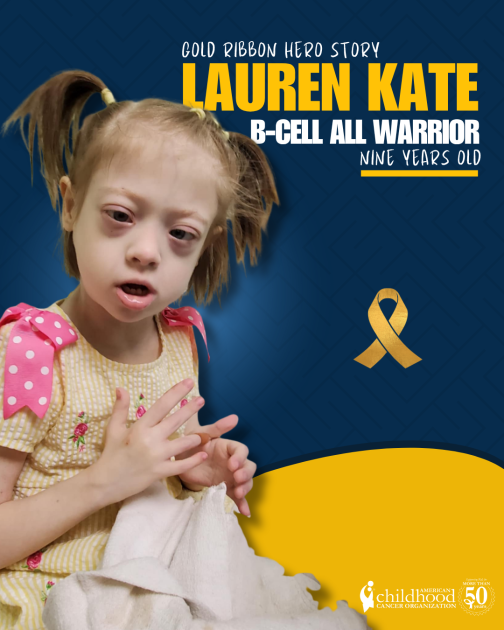
Lauren Kate, a nine-year-old resident of East Tennessee, has emerged as a profile in courage following her diagnosis of B-Cell Acute Lymphoblastic Leukemia (ALL), a development that has mobilized her family and local medical community. Born with Down syndrome, Lauren Kate has spent her life navigating the complexities of a chromosomal condition with a level of strength that her family describes as foundational to her character. However, the trajectory of her childhood shifted significantly in late 2025 when a series of concerning physical symptoms prompted an urgent medical intervention, leading to a diagnosis that highlights the ongoing challenges of pediatric oncology and the specific vulnerabilities of children with Trisomy 21.
Clinical Presentation and the Path to Diagnosis
The onset of Lauren Kate’s illness was marked by subtle but persistent changes in her baseline behavior and physical state. In the weeks leading up to her diagnosis, her mother observed a noticeable decline in Lauren’s energy levels, characterized by an unusual degree of fatigue that deviated from her typically vibrant and active personality. More concerningly, large, palpable masses—later identified as lymphadenopathy—began to manifest under her neck. These symptoms, while common to various pediatric ailments, are also hallmark indicators of hematologic malignancies.
Recognizing the urgency of these developments, her mother secured an immediate consultation with their primary care physician. During the initial examination, the medical team identified abnormal white blood cell counts, a primary red flag for leukemia. Given the severity of the laboratory results, Lauren was immediately referred to East Tennessee Children’s Hospital, a specialized regional facility equipped to handle complex pediatric cases.
The transition from a routine medical visit to emergency oncology care was swift and distressing for the family. At East Tennessee Children’s Hospital, a multidisciplinary team of specialists initiated a battery of diagnostic tests to determine the precise nature of the blood disorder. On September 23, 2025, the results confirmed that Lauren Kate was suffering from B-Cell Acute Lymphoblastic Leukemia. The diagnosis was met with a mixture of shock and disbelief by her family, yet it served as the catalyst for a rigorous and determined medical campaign to save her life.
A Chronology of Treatment and Medical Intervention
Following the formal diagnosis in late September, Lauren Kate’s medical team moved quickly to implement a comprehensive treatment protocol. Pediatric ALL requires an aggressive and multifaceted approach, often involving several phases of therapy designed to eradicate leukemic cells from the blood and bone marrow.
The initial phase of Lauren’s journey involved the surgical insertion of a port-a-cath, a medical device placed under the skin to allow for the efficient delivery of chemotherapy and the frequent withdrawal of blood samples. This was followed by a series of lumbar punctures, also known as spinal taps, which are essential for both diagnosing the spread of cancer to the central nervous system and delivering prophylactic chemotherapy to protect the brain and spinal cord.
Since her admission, Lauren has undergone multiple rounds of intensive chemotherapy. These treatments, while necessary to combat the malignancy, often result in significant side effects and require extended hospital stays. In addition to chemical interventions, Lauren has endured bone marrow procedures to monitor the efficacy of the treatment and ensure that the cancer is retreating. The timeline of her care has been defined by long stretches away from home, necessitating a complete restructuring of her family’s daily life and a focus on maintaining her morale during grueling clinical cycles.
Understanding B-Cell Acute Lymphoblastic Leukemia
B-Cell Acute Lymphoblastic Leukemia is a type of cancer in which the bone marrow makes too many B-cell lymphocytes, a type of white blood cell. It is the most common form of childhood cancer, representing approximately 75% to 80% of all pediatric leukemia cases. While the prognosis for ALL has improved dramatically over the last several decades—with five-year survival rates now exceeding 90% for many children—the journey to remission remains one of the most taxing experiences a child and family can endure.
The disease progresses rapidly if left untreated, as the overproduction of immature white blood cells crowds out healthy red blood cells and platelets. This leads to the symptoms observed in Lauren Kate’s case: fatigue (due to anemia), frequent infections, and swelling of the lymph nodes. For patients like Lauren, the treatment window is narrow, requiring immediate and sustained oncological care.
The Intersection of Down Syndrome and Leukemia
Lauren Kate’s case is further complicated by her pre-existing diagnosis of Down syndrome. Clinical research has long established a statistical link between Trisomy 21 and an increased risk of developing certain types of leukemia. Children with Down syndrome are estimated to be 10 to 20 times more likely to develop Acute Lymphoblastic Leukemia than their peers in the general population.
While the exact biological mechanisms behind this predisposition are still being studied, researchers believe that the extra copy of the 21st chromosome may play a role in how blood cells regulate growth and division. Despite the higher risk of developing the disease, children with Down syndrome often show a positive response to specific chemotherapy agents used in the treatment of ALL. However, they may also be more susceptible to the toxicities of these drugs, requiring oncology teams to carefully calibrate dosages and provide enhanced supportive care to manage side effects.
Regional Healthcare Impact and the Role of Specialized Facilities
The care provided by East Tennessee Children’s Hospital underscores the importance of regional pediatric specialty centers. For families in the East Tennessee area, access to a dedicated children’s hospital means that patients like Lauren Kate can receive advanced oncological care without traveling hundreds of miles to national hubs. These institutions provide not only the medical expertise required for chemotherapy and surgery but also the psychosocial support necessary for pediatric patients.
The role of such hospitals extends beyond the clinical. They serve as a nexus for research and community support, ensuring that the latest protocols in pediatric oncology are available to local populations. For Lauren Kate, the proximity of this care has been a vital component of her ability to fight the disease while remaining as close as possible to her support network.
Family Dynamics and the Maintenance of Normalcy
Amid the rigors of hospitalizations and medical procedures, the family has prioritized the preservation of Lauren Kate’s childhood. This effort is supported largely by her sister, Emma, whose presence provides a sense of continuity and joy. The bond between the two siblings has been cited as a major source of strength for Lauren, helping her navigate the "hard days" that accompany intensive cancer treatment.
Psychologists specializing in pediatric oncology emphasize that maintaining a connection to pre-diagnosis interests is crucial for a child’s mental health. For Lauren, this includes watching her favorite television program, Bubble Guppies. These small moments of entertainment and familiar routines serve as a psychological anchor, reminding the patient that they are more than their diagnosis. The "vibrant and fun-loving" nature described by her family remains a core part of her identity, even as she confronts the physical toll of her illness.
Broader Implications for Pediatric Oncology and Advocacy
Lauren Kate’s story is a microcosm of the larger struggle faced by thousands of families across the United States. Pediatric cancer remains the leading cause of death by disease among children in the U.S., yet it often receives a disproportionately small amount of federal research funding compared to adult cancers. Organizations such as the American Childhood Cancer Organization (ACCO) work to bridge this gap by providing resources, advocating for increased research funding, and supporting families through the logistical and emotional hurdles of a cancer diagnosis.
The advocacy surrounding Lauren’s case highlights several critical needs in the medical community:
- Increased Funding for Targeted Therapies: Research into how leukemia interacts with other genetic conditions, such as Down syndrome, is essential for developing less toxic and more effective treatments.
- Support for Caregivers: The "countless days away from home" mentioned in Lauren’s journey represent a significant economic and emotional burden on parents, necessitating better support systems for caregivers.
- Early Detection Awareness: The swift action taken by Lauren’s mother upon noticing her symptoms was a critical factor in her early diagnosis, reinforcing the need for public education regarding the warning signs of pediatric cancer.
Conclusion: The Path Ahead
As Lauren Kate continues her fight against B-Cell Acute Lymphoblastic Leukemia, her journey serves as a testament to the resilience of the human spirit and the vital importance of a robust medical and social support system. The diagnosis on September 23, 2025, marked the beginning of a challenging chapter, but the collective efforts of her medical team at East Tennessee Children’s Hospital, her family, and organizations like the ACCO provide a framework for hope.
The battle against pediatric cancer is rarely won in isolation. It requires the coordination of skilled physicians, the dedication of researchers, and the unwavering support of a community. For Lauren Kate, every round of chemotherapy and every procedure is a step toward a future where she can return to her life in East Tennessee, free from the constraints of the oncology ward. Her story remains a poignant reminder that while the journey is arduous, the determination of a "warrior" and the support of a dedicated network can make a definitive difference in the outcome of a child’s life.
