
 By admin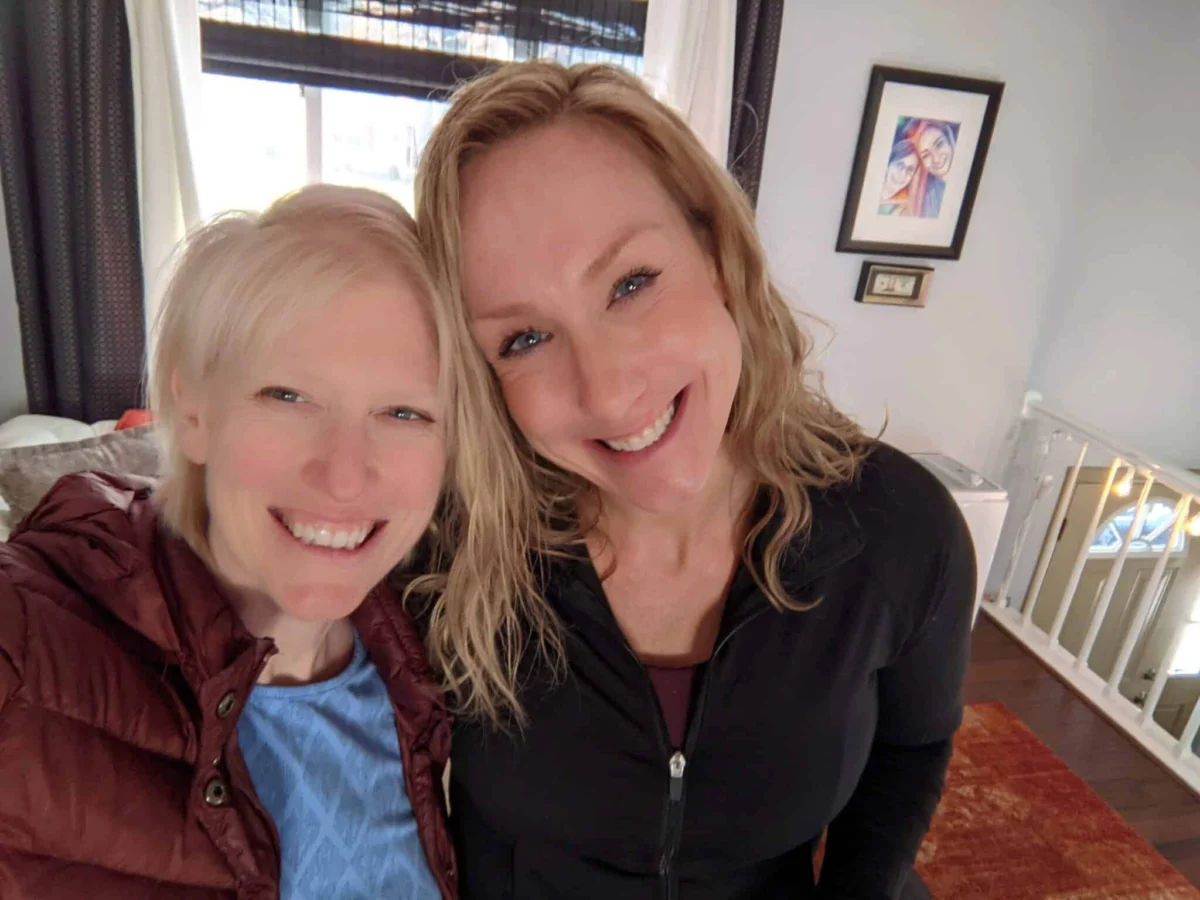
In a world often consumed by the extraordinary, the stories of Sharon Belvin and Jenney Bitner serve as profound testaments to the quiet power of the ordinary. For these two women, both survivors of aggressive Stage 4 melanoma, the simple acts of picking up children, grocery shopping, working, and making dinner are not mundane chores but cherished gifts, reclaimed from the precipice of a life-threatening disease. Their journeys, separated by years but united by the transformative power of immunotherapy, underscore the remarkable progress in cancer treatment and the vital role of human connection in the aftermath of a harrowing diagnosis.
The Initial Battles: Diagnoses and Desperation
Before their lives were irrevocably altered, Sharon Belvin and Jenney Bitner navigated what they considered ordinary existences, envisioning futures free from interruption. Then came the chilling diagnosis: melanoma. For Sharon, this devastating news arrived at the tender age of 22, when she was diagnosed with Stage 4 melanoma. In the early 2000s, a diagnosis of advanced melanoma carried a particularly grim prognosis. Treatment options were severely limited, often involving highly toxic chemotherapy with marginal efficacy and significant side effects. The median survival for patients with metastatic melanoma at that time was often measured in months, making Sharon’s outlook incredibly bleak and threatening to extinguish a future she had barely begun to imagine. Her decision to enroll in an early-phase clinical trial for an unproven immunotherapy was not merely a treatment choice; it was a desperate leap of faith, a gamble taken when conventional medicine offered little hope.
Years later, Jenney Bitner faced a similar, terrifying reality, but under different circumstances. Her journey began with escalating headaches during a global pandemic, coinciding with the unfolding miracle of a new pregnancy. What initially seemed like pregnancy-related discomfort soon revealed a far more sinister truth: a rapidly growing brain tumor, an aggressive melanoma that metastasized to her brain. This diagnosis plunged her into a fight for survival while simultaneously navigating the profound responsibilities of motherhood and the unprecedented challenges of a global health crisis. The weight of her diagnosis was compounded by the fear of leaving her children, especially her unborn son, without a mother.
Despite the temporal and circumstantial differences, both women were thrust into the same harrowing reality: the unbearable uncertainty of whether their lives, and the futures they envisioned, would be stolen by cancer. The words "You have cancer," particularly when followed by "Stage 4," carry an almost indescribable weight, transforming everyday concerns into an existential battle.
The Dawn of Immunotherapy: A Paradigm Shift in Cancer Treatment
Sharon’s entry into a clinical trial marked a pivotal moment, not just for her but for the broader landscape of cancer research. She was among the pioneering patients to receive an early form of immunotherapy, a revolutionary approach that harnesses the body’s own immune system to fight cancer. Unlike traditional treatments that directly attack cancer cells, immunotherapy works by "unleashing" or enhancing the immune system’s natural ability to recognize and destroy malignant cells.
The breakthrough science behind immunotherapy, particularly checkpoint inhibitors, owes much to the groundbreaking work of scientists like Dr. Jim Allison, whose research on the CTLA-4 protein demonstrated that blocking this "brake" on immune cells could allow them to attack cancer. This discovery paved the way for the development of drugs like ipilimumab, the first immune checkpoint inhibitor approved by the FDA for melanoma in 2011. Subsequent research led to the development of PD-1 inhibitors (e.g., pembrolizumab, nivolumab), which target another immune checkpoint, PD-1, further expanding the arsenal against melanoma and other cancers.
Before these advancements, the five-year survival rate for metastatic melanoma was alarmingly low, often in the single digits. With the advent of immunotherapy, particularly combination therapies, the five-year survival rate for some metastatic melanoma patients has soared to over 50% in clinical trials, a truly unprecedented improvement. Sharon’s early trial participation was a critical step in demonstrating the potential of this nascent field. Remarkably, her cancer disappeared, leading to a remission that has now spanned decades, a testament to the long-term efficacy possible with these treatments.
Decades after Sharon’s pioneering treatment, the same scientific principles reached Jenney. By her diagnosis, immunotherapy had evolved from an experimental treatment into a standard of care for metastatic melanoma. However, Jenney’s path to recovery was still fraught with immense challenges. She endured two complex brain surgeries to remove the metastatic tumors, a procedure made even more delicate by her pregnancy. Her fourth child was born weeks prematurely, a direct consequence of her medical crisis. The physical recovery from surgery, coupled with the emotional strain of fighting for her life while simultaneously caring for her newborn and other young children, demanded extraordinary resilience. Survival for Jenney was not a singular turning point but a grueling series of moments, each demanding immense strength and unwavering hope, until immunotherapy finally brought her to a state of no evidence of disease by October 2020, just months after her February 2020 diagnosis.
A Shared Journey: The Unlikely Connection
Sharon and Jenney, though separated by the chronological arc of scientific progress, found themselves living different chapters of the same story. Sharon represented the dawn of a scientific breakthrough, an early pioneer whose courage illuminated a new path. Jenney benefited from how far that breakthrough had come, receiving a refined and established treatment protocol.
As fate would have it, their paths converged in an unexpected and poignant manner. Jenney first encountered Sharon’s story through "Breakthrough," the documentary chronicling Dr. Jim Allison’s revolutionary work and featuring Sharon as a survivor whose life was saved by early immunotherapy. A striking coincidence emerged: Jenney realized her husband shared a hometown with Sharon. This serendipitous connection prompted her husband to reach out to Sharon on Jenney’s behalf.
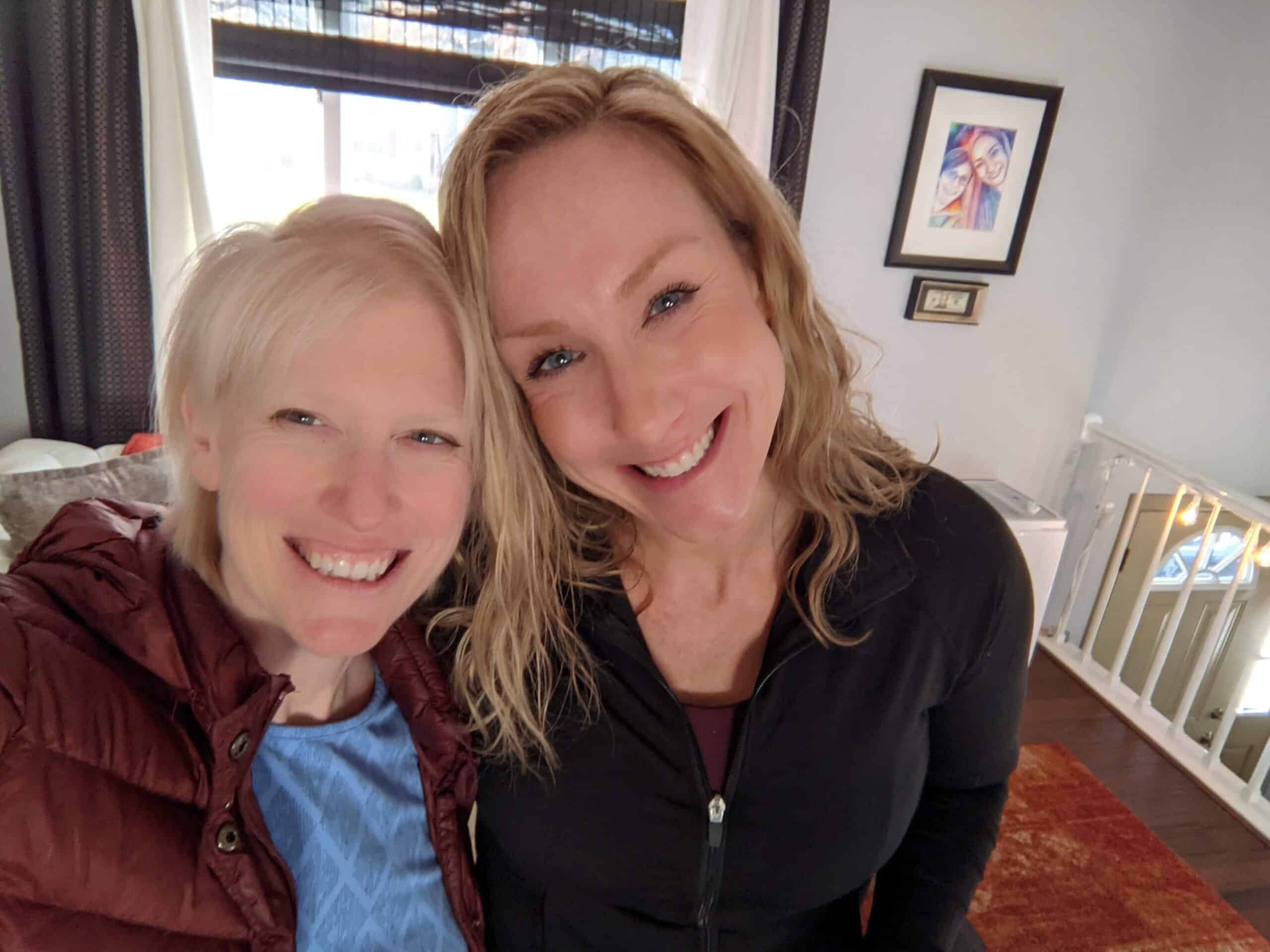
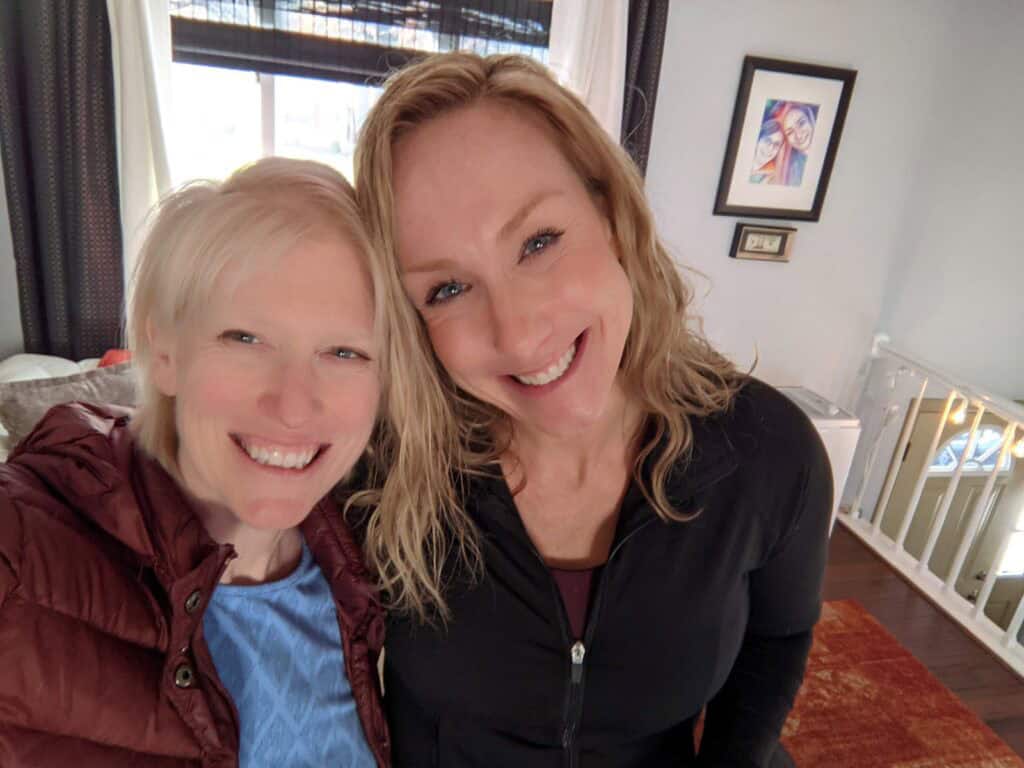
Unbeknownst to them, Sharon had made a solemn vow years earlier, during her initial diagnosis in an MRI machine. She promised that if she survived, she would dedicate herself to "paying it forward," offering help and support to anyone she could. True to her word, Sharon responded to the message, and an immediate, powerful bond formed between the two women. Sharon became a "beacon of hope" for Jenney, a living embodiment of long-term remission from the exact same cancer. This connection proved invaluable, with Sharon providing support through Jenney’s brain surgeries and as she began her immunotherapy regimen. To this day, they remain connected, meeting, interacting, and actively supporting other patients, transforming their individual battles into a collective mission.
The Power of Peer Support and Advocacy
The connection forged between Sharon and Jenney highlights the profound importance of peer support in the cancer journey. A cancer diagnosis, especially for a rare or aggressive form, can be incredibly isolating. Patients often feel like they are "the only one in the world" to experience such a challenge, leading to feelings of loneliness and despair. Connecting with others who have walked a similar path provides an unparalleled sense of understanding, validation, and hope. As Sharon eloquently puts it, "I call it finding your family. It’s the family you get to choose. It’s the worst club with the best members." This sentiment is widely echoed by oncologists, social workers, and patient advocacy groups, who consistently emphasize the therapeutic benefits of peer support networks. These networks offer a safe space to share fears, anxieties, practical advice, and triumphs, fostering a sense of community that is vital for emotional well-being and resilience.
Beyond individual support, survivors like Sharon and Jenney often transition into roles as advocates. Their lived experiences lend powerful authenticity to calls for continued research funding, improved patient access to innovative treatments, and comprehensive supportive care services. They become powerful voices, sharing their stories to inspire newly diagnosed patients, educate the public, and influence policy makers. Their advocacy helps to demystify cancer, reduce stigma, and champion the importance of clinical trials as pathways to future breakthroughs.
Beyond Survival: Redefining Life After Cancer
Survivorship, as Sharon and Jenney demonstrate, is far from a clean ending. It is a complex continuation, layered with everything that came before: the trauma of diagnosis, the rigors of treatment, and the constant vigilance against recurrence. It is the quiet return to routine – school drop-offs, grocery runs, bedtime stories – now imbued with a profound gratitude, yet simultaneously carrying the weight of what was almost lost. This duality defines the post-cancer experience: joy sharpened by memory, gratitude complicated by lingering fear.
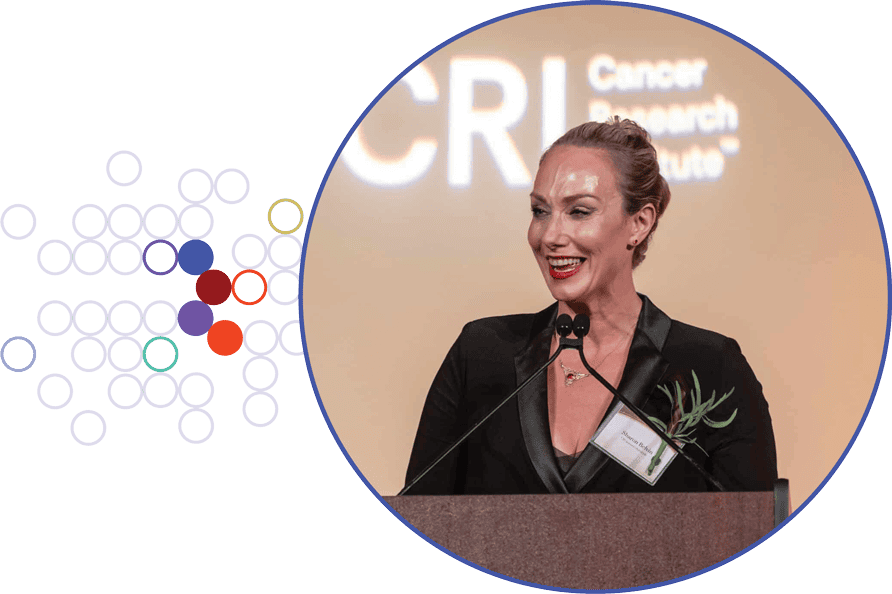
The experience of cancer fundamentally reshapes one’s relationship to the future. As Sharon notes, "I don’t know how a cancer diagnosis doesn’t shape every single conversation and relationship for the rest of your life. It plays a part in every single thing you do." Survivors learn how quickly everything can change, yet they choose, deliberately and courageously, to lean into the life in front of them.
For Sharon and Jenney, their shared experience also illuminated the unique dimensions of motherhood in the context of cancer. Sharon understood what it meant to survive long enough to even imagine the possibility of becoming a mother, a future that once seemed snatched away. Jenney, conversely, understood the terror of facing cancer while already being a mother, grappling with the fear of leaving her children. Different experiences, yet the same impossible fear of what might be lost. They both understood what it means to come back from that edge, carrying both the immense relief and the profound responsibility of having made it. This nuanced understanding extends to the lingering presence of scans, the anniversaries that are less celebrations and more quiet acknowledgments of survival, and the ongoing psychological and emotional adjustments required to live with the aftermath of a life-threatening illness.
A Testament to Progress and Hope
Together, Jenney and Sharon’s stories represent something far greater than their individual journeys. They are living, breathing proof of scientific progress, not in abstract terms or statistical charts, but in tangible, human ways. They embody years added to lives, milestones reached, and, crucially, children growing up with their mothers still beside them. Sharon, through her courageous participation in an early trial, helped to demonstrate what was possible. Jenney, years later, is living a full life because of what that possibility has become – a standard of care, a hope for millions.
Their narratives resonate deeply with the core mission of cancer research: to translate scientific discovery into life-saving treatments. They highlight the indispensable role of clinical trials in advancing medicine and the immeasurable value of patient participation. Without the courage of individuals like Sharon, the groundbreaking immunotherapies that saved Jenney’s life might not exist today.
Ultimately, their stories are not just about survival; they are about what survival makes room for: more mornings, more laughter, more ordinary, extraordinary moments that once hung in precarious balance. They are about more time to grow into the people they were meant to become – survivors, advocates, mothers. As Sharon reflects, "I feel like I did not appreciate life until it was almost gone, and now every day is a gift, no matter how mundane." This sentiment encapsulates the transformative power of their experiences, turning profound adversity into a profound appreciation for every moment. Their interconnected journeys stand as a powerful testament to the relentless pursuit of scientific innovation and the enduring strength of the human spirit, offering immense hope to countless others facing their own battles against cancer.
