
 By admin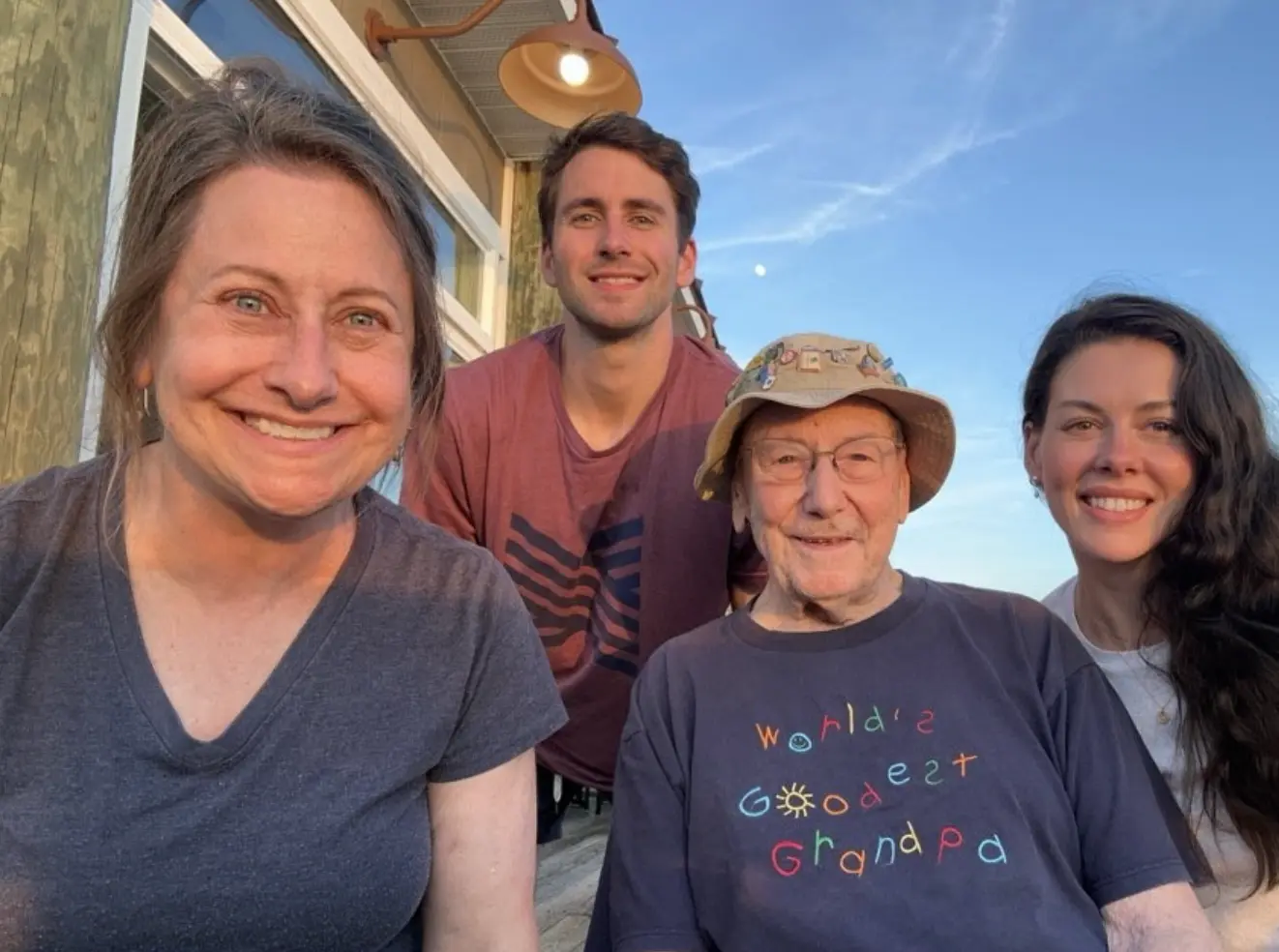
Alex Monahan, a technology entrepreneur and Stanford University alumnus, has transitioned from the high-stakes world of sports data analytics to a pivotal role in the philanthropic landscape of pediatric oncology. Following the successful acquisition of his startup, OddsJam, Monahan has redirected his focus toward systemic change in how childhood cancer research is funded and executed. By partnering with the Children’s Cancer Research Fund (CCRF), Monahan is leveraging his background in technology and data to address long-standing gaps in pediatric medical research, emphasizing the integration of artificial intelligence (AI) and improved survivorship outcomes.
A Legacy Rooted in Personal Adversity
Monahan’s commitment to cancer research is not merely a byproduct of professional success but is deeply rooted in personal history. Growing up in Northern Virginia, Monahan experienced the devastating impact of the disease early in life. His grandmother passed away during his high school years, an event that first sensitized him to the emotional and physical toll of oncological battles. Years later, his father faced a similar diagnosis, further cementing Monahan’s resolve to contribute to the field.
While Monahan was initially drawn to the medical field, his academic trajectory at Stanford University led him toward technology and entrepreneurship. This shift allowed him to develop a specific skillset in data management and algorithmic efficiency—tools he now believes are essential for the next frontier of cancer treatment. "Cancer has been part of my life," Monahan reflected during a recent interview. "I can’t imagine having a child go through it, but I know how hard it was for my family." This empathy, combined with a venture-capital mindset, has informed his approach to "smart giving," where capital is viewed as a tool for measurable progress.
The Funding Gap in Pediatric Oncology
Monahan’s entry into the philanthropic space comes at a critical juncture for pediatric cancer research. Despite being the leading cause of death by disease among children in the United States, pediatric cancer receives a disproportionately small fraction of federal research funding. According to data from the National Cancer Institute (NCI), only about 4% of the federal budget for cancer research is dedicated specifically to childhood cancers.
This funding disparity creates a "research gap" where many pediatric cancers are classified as orphan diseases, making them less attractive for traditional pharmaceutical investment. Organizations like the Children’s Cancer Research Fund serve as a vital bridge, providing the seed funding necessary for researchers to gather preliminary data. This data is often a prerequisite for securing larger federal grants. Monahan’s contribution is aimed at this specific bottleneck, ensuring that promising early-stage trials do not stall due to a lack of initial capital.
Integrating Artificial Intelligence into Clinical Discovery
One of the primary drivers of Monahan’s partnership with CCRF is his belief in the transformative power of technology. As a tech founder, he views the current medical research landscape through the lens of data optimization. He argues that the integration of AI and machine learning can drastically reduce the timeline for drug discovery and clinical trials.
In modern oncology, AI is being utilized to:
- Identify Genetic Markers: Algorithms can process vast genomic datasets to identify specific mutations in pediatric tumors that may be susceptible to existing or experimental therapies.
- Predict Toxicity: Machine learning models can predict how a child’s body might react to a specific dosage, potentially reducing the long-term side effects that often plague survivors.
- Optimize Clinical Trial Matching: Technology can more efficiently match eligible patients with relevant clinical trials, ensuring that life-saving treatments reach those in need more quickly.
"AI and other tools can speed discovery, improve quality of care, and reduce treatment side effects," Monahan explained. By focusing on survivorship and quality of life, Monahan is advocating for a shift away from "blanket" treatments—such as traditional chemotherapy, which can be particularly harsh on developing bodies—toward precision medicine.
Strategic Support for Clinical Trials at Children’s Minnesota
A cornerstone of Monahan’s recent philanthropic activity is his support for a specific brain tumor clinical trial at Children’s Minnesota. Brain tumors remain one of the most difficult pediatric cancers to treat, often requiring a delicate balance between aggressive intervention and the preservation of cognitive function.
The CCRF-funded trial focuses on novel therapeutic delivery systems designed to penetrate the blood-brain barrier more effectively. Monahan’s interest in this specific trial stems from its potential to provide immediate, tangible benefits to patients who have exhausted standard care options. By leaning on medical experts to guide his contributions, Monahan ensures his resources are directed toward high-impact, high-priority research areas. "I’m not a scientist," he noted, "but I can understand the why and the how. And I can do something."
The Human Element: Community Engagement and Resilience
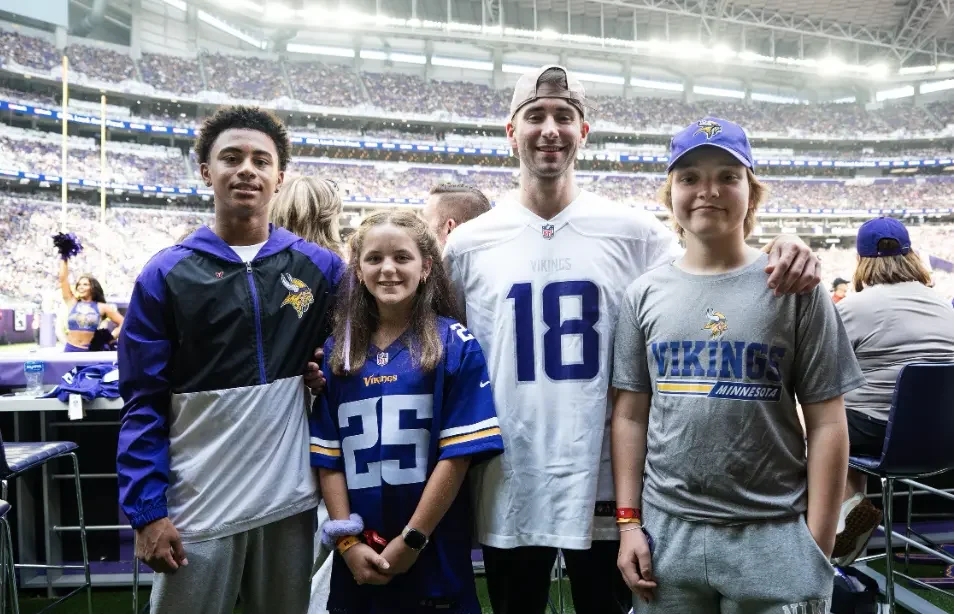
Beyond the laboratory and the balance sheet, Monahan has sought to understand the lived experiences of the families affected by pediatric cancer. Recently, he spent time with families in the CCRF suite during a Minnesota Vikings pre-season game. For Monahan, who found solace in sports during his own family’s medical crises, the event highlighted the importance of psychological support and community.
"Sports were my escape during hard times," Monahan said. "Seeing these kids’ excitement and resilience reminded me how important it is to step out of your bubble and help people."
These community events serve a dual purpose: they provide families with a much-needed respite from the rigors of treatment and offer donors a direct view of the individuals their contributions support. For CCRF, these interactions are vital for maintaining a donor base that is emotionally and intellectually invested in the cause.
Analysis: The Rise of Venture Philanthropy in Healthcare
Monahan’s approach mirrors a growing trend known as "venture philanthropy." Unlike traditional charitable giving, which may focus on broad, long-term goals, venture philanthropy applies the principles of venture capital to the non-profit sector. This includes:
- High Engagement: Donors like Monahan are not passive; they seek to understand the underlying science and the operational efficiency of the organizations they fund.
- Risk Tolerance: Private donors are often more willing to fund "high-risk, high-reward" research that government agencies might deem too speculative.
- Focus on Scalability: There is an emphasis on funding projects that, if successful, can be scaled across the medical field.
Industry analysts suggest that this influx of tech-wealth and data-driven mindsets could accelerate the "bench-to-bedside" pipeline. By demanding clarity on how gifts support research priorities, donors like Monahan are pushing non-profits to be more transparent and results-oriented.
Future Outlook and the Next Generation of Care
As Monahan continues his journey in philanthropy, his focus remains on the long-term trajectory of cancer care. He views current investments as the foundation for a future where a cancer diagnosis is no longer a life-altering trauma for a child.
"We’re the people 20 years ago," Monahan stated, emphasizing that today’s research defines tomorrow’s standard of care. "What we invest in today will define what cancer care looks like for the next generation."
His advice to other emerging philanthropists is rooted in pragmatism: start early, use money as a tool for specific outcomes, and do not shy away from the technical complexities of the cause. Monahan’s first major donation to CCRF was structured around a clear understanding of research priorities, a model he hopes others will emulate.
Through the intersection of personal conviction, entrepreneurial acumen, and a commitment to technological advancement, Alex Monahan is helping to move the needle in the fight against childhood cancer. His work with the Children’s Cancer Research Fund serves as a blueprint for how the next generation of leaders can utilize their resources to tackle some of society’s most enduring medical challenges. The result is a more hopeful horizon for pediatric patients and a more efficient, data-driven approach to saving lives.
