
 By admin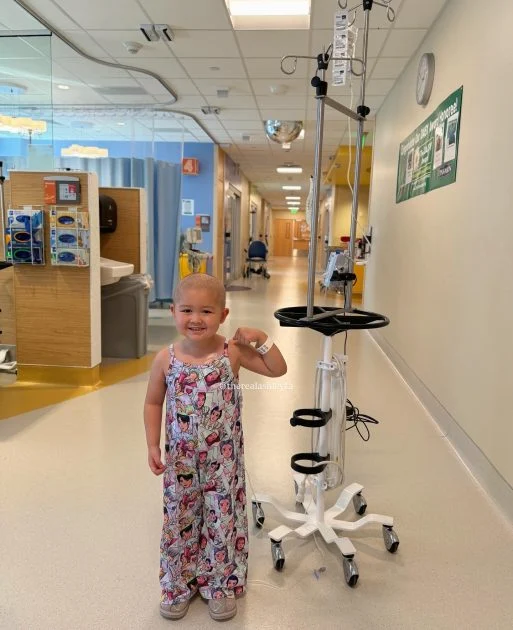
The selection of Rylee as a 2026 American Childhood Cancer Organization (ACCO) Ambassador marks a significant milestone in the four-year-old’s ongoing battle with Acute Lymphoblastic Leukemia (ALL). This appointment highlights not only the resilience of young patients but also the critical role of parental advocacy in the face of diagnostic challenges. Rylee’s journey, which began with a series of vague symptoms and medical dismissals, has evolved into a high-profile case study on the importance of maternal intuition and the advancements in modern pediatric oncology. As an ambassador, Rylee represents the thousands of children diagnosed with leukemia annually, bringing a face to the clinical statistics and a voice to the families navigating the complexities of long-term cancer treatment.
The Diagnostic Odyssey: From Vague Symptoms to Life-Altering News
The path to Rylee’s diagnosis was characterized by a period of medical uncertainty that is frequently reported by parents of children with rare or serious illnesses. In the weeks leading up to August 6, Rylee exhibited a constellation of symptoms that, while individually common in childhood, collectively signaled a deeper systemic issue. Her mother, Ashley, reported that the child suffered from persistent fevers, chills, body aches, and joint pain. More specific indicators began to emerge, including a swollen eye, enlarged lymph nodes, and unexplained bruising—classic clinical markers for hematologic malignancies.
Despite the escalating severity of these signs, initial medical consultations yielded no definitive answers. Ashley’s accounts indicate that multiple visits to Urgent Care facilities and Emergency Rooms resulted in diagnoses of minor infections or seasonal allergies. Medical professionals repeatedly assured the family that the child was "fine," a common occurrence in the early stages of pediatric cancer where symptoms often mimic routine childhood ailments.
The turning point occurred on August 6, when Ashley, acting on what she described as a "gut feeling," refused to leave the medical facility without a comprehensive blood panel. The results of that test were definitive and devastating. At 5:00 p.m. that evening, the family was informed that Rylee had leukemia. The situation was further complicated by the family’s personal circumstances; Rylee’s father, Jacob, was deployed overseas at the time, leaving Ashley to process the diagnosis and manage the immediate medical crisis in isolation. Within hours of the diagnosis, Rylee was transported via ambulance to a specialized pediatric oncology unit in Denver to begin emergency intervention.
Clinical Profile: Understanding Acute Lymphoblastic Leukemia
Acute Lymphoblastic Leukemia, the disease Rylee is currently fighting, is the most common form of cancer diagnosed in children. It is a type of cancer of the blood and bone marrow that affects white blood cells. In a healthy child, the bone marrow produces stem cells that mature into myeloid cells or lymphoid cells. In a child with ALL, the bone marrow produces too many immature lymphocytes, known as lymphoblasts. These "blast" cells are unable to fight infection effectively and, as they multiply, they crowd out healthy white blood cells, red blood cells, and platelets.
According to the American Cancer Society, while ALL is a serious and life-threatening diagnosis, it also has one of the highest cure rates among pediatric cancers, with a five-year survival rate of approximately 90% for children. However, the treatment protocol is notoriously rigorous and lengthy. The first week of Rylee’s treatment served as a stark introduction to the intensity of pediatric oncology. Her initial clinical interventions included:
- Port-a-Cath Placement: A surgical procedure to install a device under the skin, allowing for frequent blood draws and the administration of chemotherapy without repeated needle sticks in the veins.
- Bone Marrow Biopsy: A diagnostic procedure to determine the percentage of leukemia cells in the marrow and to identify specific genetic subtypes of the cancer.
- Lumbar Puncture with Intrathecal Chemotherapy: The injection of chemotherapy directly into the spinal fluid to prevent or treat the spread of leukemia cells to the central nervous system.
- Transfusions: Rylee required three blood transfusions and two platelet transfusions in her first seven days to stabilize her blood counts.
- Systemic Chemotherapy: The commencement of a two-hour intravenous chemotherapy regimen designed to induce remission.
The Transition to Immunotherapy and the "Superhero" Backpack
By early September, Rylee’s medical team declared her to be in clinical remission, meaning that leukemia cells were no longer detectable in her blood or bone marrow via standard microscopy. However, in pediatric ALL, achieving remission is only the first phase of a multi-year journey. To ensure that residual, undetectable cancer cells do not cause a relapse, treatment must continue for several years. For Rylee, the current medical roadmap extends through October 2027.
In October, Rylee transitioned to a more modern and targeted form of treatment: Blinatumomab, often referred to by the clinical shorthand "Blina." Blinatumomab is a bispecific T-cell engager (BiTE) immunotherapy. Unlike traditional chemotherapy, which attacks all rapidly dividing cells in the body, Blinatumomab works by linking the patient’s own T-cells (immune cells) to the CD19 protein found on the surface of B-cell leukemia cells. This allows the immune system to recognize and destroy the cancer cells directly.
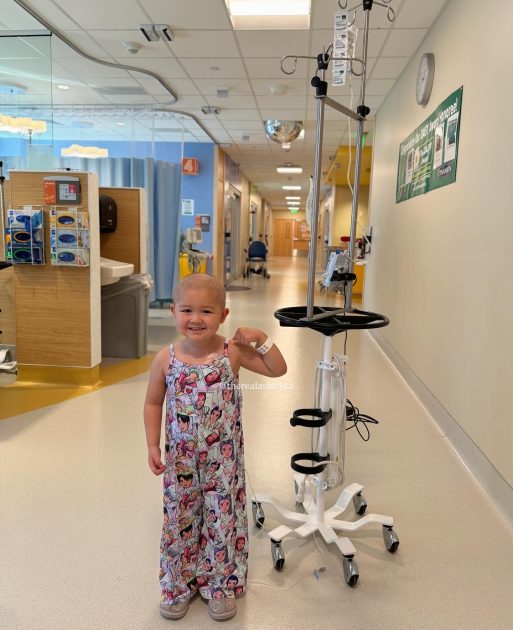
The administration of Blinatumomab is unique in that it requires a continuous intravenous infusion over a 28-day cycle. To maintain her quality of life and mobility during this month-long infusion, Rylee carries her medication and infusion pump in a small, specially designed backpack—her "superhero" pack. This technological advancement allows a four-year-old child to remain active, play with her siblings, and ride her bike while receiving life-saving medication around the clock.
The Role of Medical Play and the ACCO Mission
As a 2026 ACCO Ambassador, Rylee is also a proponent of "medical play," a therapeutic technique used to help children process the trauma of chronic illness. The ACCO provides Medical Play Kits to families, which include toy versions of medical equipment like syringes, stethoscopes, and bandages. These kits allow children to take on the role of the "doctor," performing procedures on dolls or stuffed animals.
Clinical psychologists note that medical play is essential for pediatric patients to regain a sense of agency in an environment where they often feel powerless. In a video shared by the ACCO, Rylee is seen excitedly unboxing her kit, exclaiming that she is "really going to be Dr. Ta now." This form of play helps demystify the frightening equipment Rylee encounters daily in the hospital, transforming clinical tools into familiar objects.
The ACCO, founded in 1970, remains the oldest and largest grassroots childhood cancer organization in the United States. Their mission focuses on providing resources, advocating for increased research funding, and supporting families through every stage of the cancer journey. By naming Rylee an ambassador, the organization emphasizes the ongoing need for pediatric-specific cancer research, as many treatments currently used for children were originally developed for adults and can have long-term "late effects" on developing bodies.
Analysis of Implications: The Burden on Military Families and the Power of Advocacy
Rylee’s story highlights a specific demographic challenge within the pediatric cancer community: the strain on military families. When a child is diagnosed with a life-threatening illness while a parent is deployed, the logistical and emotional burden on the remaining parent is immense. The "shattered heart" described by Ashley is compounded by the absence of a partner, necessitating a level of resilience that few are prepared for.
Furthermore, Ashley’s advice to "trust your gut" serves as a critical takeaway for public health. The phenomenon of the "overreacting mom" is a gendered trope that can lead to diagnostic delays. In oncology, where early detection can significantly alter the complexity of treatment and the ultimate prognosis, the persistence of parents in the face of medical skepticism is often the thin line between life and death.
The broader impact of Rylee’s ambassadorship is to humanize the data. While the 90% survival rate for ALL is a triumph of modern medicine, it does not reflect the 1,000+ days of treatment, the financial strain on families, or the psychological toll of "scanxiety"—the fear that accompanies every follow-up test. Rylee’s journey until 2027 will be monitored by a global community of supporters on social media, where her mother continues to document the "beautiful and honest" reality of life with cancer.
As Rylee continues her 28-day cycles and prepares for the years of maintenance therapy ahead, her role as an ACCO Ambassador ensures that her struggle contributes to a larger cause. Through her story, the ACCO aims to secure more funding for targeted therapies like Blinatumomab, which offer the hope of a cure with fewer long-term side effects than traditional radiation and heavy chemotherapy. For now, Rylee remains a typical four-year-old who enjoys tea parties and dressing up, proving that even in the midst of a battle against leukemia, the spirit of childhood can remain remarkably intact.
