
 By admin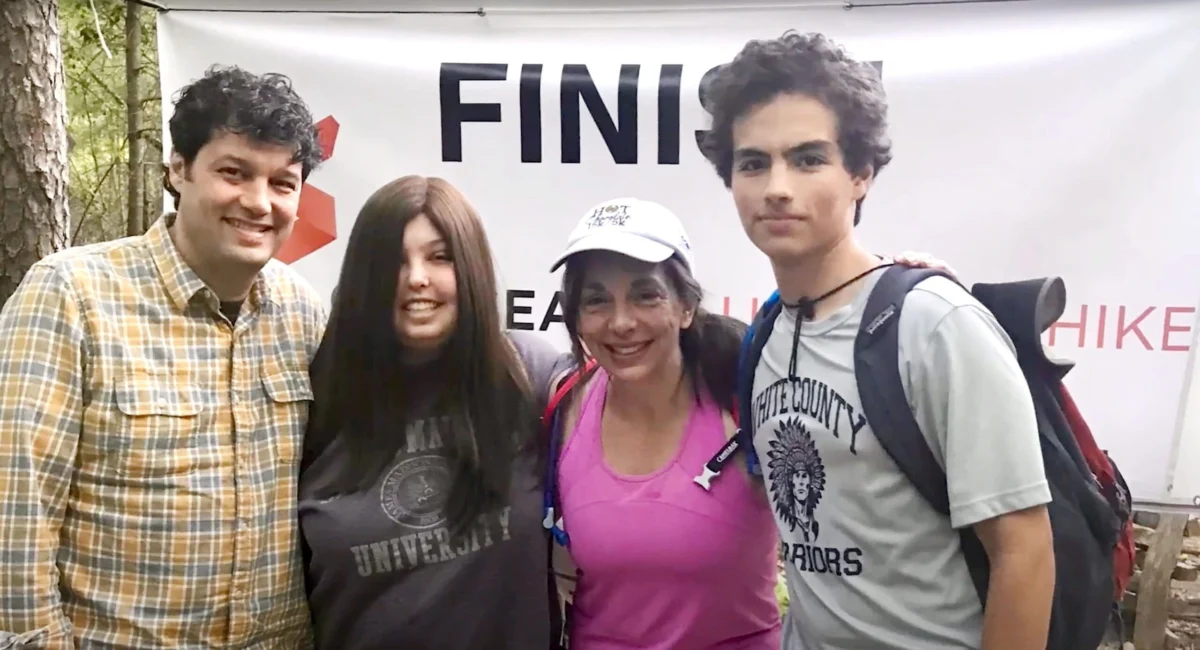
The CureSearch Ultimate Hike represents a cornerstone of philanthropic endurance sports, serving as a vital mechanism for raising both awareness and substantial capital for pediatric cancer research. This initiative, organized by CureSearch for Children’s Cancer, a national non-profit organization, challenges participants to complete a 28.3-mile trek in a single day across some of the most demanding terrains in the United States. While the physical feat is significant, the primary objective of the program is to address a critical funding gap in the development of new, less toxic treatments for children diagnosed with various forms of cancer. By leveraging the symbolism of the "heart"—a motif central to the organization’s branding—the Ultimate Hike creates a bridge between the physical resilience of the hikers and the emotional and physiological endurance required of pediatric patients.
The program is built upon the philosophy that the journey of a hiker mirrors the arduous path of a child undergoing cancer treatment. Participants often describe the experience as more than a physical challenge; it is a mission-driven endeavor where every mile represents the progression toward a cure. The heart logo, which features a map silhouette, serves as a reminder that the participants carry the names and stories of children—survivors, those currently in treatment, and those who have been lost—on their journey across the trail.
Historical Context and the Evolution of the Ultimate Hike
CureSearch for Children’s Cancer has a long-standing history in the oncology sector, originally functioning as a support mechanism for the Children’s Oncology Group (COG). Over the years, the organization pivoted its focus toward "translational research," specifically targeting the "valley of death" in drug development—the stage where promising laboratory discoveries often stall due to a lack of funding for clinical trials. The Ultimate Hike was established over a decade ago as a grassroots way to involve the community in this high-stakes scientific mission.
Since its inception, the Ultimate Hike has expanded from a single event to a multi-regional series. Routes now include the rugged Appalachian Trail, the Superior Hiking Trail in Minnesota, and the Pacific Crest Trail, among others. Each location is chosen for its difficulty and natural beauty, providing a backdrop that emphasizes the magnitude of the cause. To date, the program has raised millions of dollars, which are directly funneled into the CureSearch Catapult and Impact Series—programs designed to accelerate the pace of drug development and ensure that the most promising treatments reach the children who need them most.
The Statistical Reality of Pediatric Oncology
The urgency of the Ultimate Hike is underscored by the current state of pediatric cancer funding and research in the United States. According to data from the National Cancer Institute (NCI), childhood cancer remains the leading cause of death by disease for children under the age of 15. While survival rates for some forms of the disease, such as certain leukemias, have improved significantly over the last 40 years, others have seen little to no progress.
Furthermore, a significant disparity exists in research funding. It is frequently cited by advocacy groups that only approximately 4% of federal cancer research funding is dedicated specifically to pediatric cancers. The pharmaceutical industry also faces challenges in this sector, as the relatively small number of pediatric patients compared to adult patients makes the development of "orphan drugs" less commercially viable. This creates a reliance on non-profit organizations like CureSearch to provide the necessary venture philanthropy to move the needle on new therapies.
Medical experts point out that children are not merely "small adults." Their cancers are biologically distinct from adult cancers, often resulting from different genetic mutations and occurring in developing tissues. Consequently, treatments designed for adults can be excessively toxic for children, leading to long-term side effects such as organ damage, secondary cancers, and developmental delays. The funds raised by the Ultimate Hike are specifically earmarked for research that prioritizes "less toxic" solutions, aiming to improve the quality of life for survivors.
The Logistics of Endurance Philanthropy
Participating in an Ultimate Hike is a multi-month commitment that begins long before the actual event day. Participants undergo a rigorous 15-week training program designed to prepare them for the 28.3-mile distance. This training is overseen by experienced "Trail Leads" and coaches who provide guidance on gear, nutrition, and injury prevention.
In addition to physical preparation, hikers commit to a significant fundraising goal. This model of "endurance philanthropy" has proven highly effective. By engaging their social and professional networks, hikers act as ambassadors for the cause, educating the public on the realities of childhood cancer while securing the funds needed for research. The structure of the event ensures that participants are not just donors, but active stakeholders in the organization’s mission.
On the day of the hike, the atmosphere is described as one of intense camaraderie and shared purpose. Support stations, often referred to as "Aid Stations" or "Trail Angel" stops, are strategically placed along the route to provide hydration, medical support, and encouragement. The 28.3-mile distance is intentional, representing a length that is significantly more challenging than a standard marathon, thereby emphasizing the "extra mile" that researchers and families must go in the fight against cancer.
Personal Narratives: The Case of Terri and Leah Cohen
The emotional impetus for the Ultimate Hike is best illustrated through the stories of the families involved. Terri Cohen, a long-time supporter of CureSearch, initially joined the hike while her daughter, Leah, was in the midst of a battle with cancer. Cohen’s story highlights the dual nature of the event: it is both a proactive effort to change the future and a deeply personal way to honor the present.
"The first time I did this hike was when Leah was toward the end of her battle," Cohen recalled in a statement provided to the organization. "My son and I signed up to take the hike and at that time she was doing pretty well so she met us at the finish line. It’s a moment that I will forever hold in my heart."
Leah’s presence at the finish line serves as a powerful symbol for many participants. For those hiking in memory of a loved one, the finish line is a place of reflection and tribute. For those hiking for survivors, it is a celebration of life. The Cohen family’s involvement has continued, contributing to the collective effort to ensure that future families do not have to endure the same hardships. These narratives are integrated into the hike through "honor beads" and trail markers that feature the photos and stories of "CureSearch Heroes."
Scientific Impact and Strategic Resource Allocation
The impact of the Ultimate Hike extends far beyond the trail. CureSearch employs a rigorous peer-review process to select the research projects it funds. This process involves a Scientific Advisory Board composed of leading oncologists and researchers from top-tier institutions.
One of the primary beneficiaries of these funds is the CureSearch Catapult program. This initiative focuses on late-stage preclinical research, helping to bridge the gap between a successful laboratory experiment and a Phase 1 clinical trial. By providing the "seed money" for these trials, CureSearch enables researchers to gather the data necessary to attract larger-scale investment or federal grants.
Recent breakthroughs funded in part by CureSearch-related initiatives include advancements in immunotherapy, such as CAR-T cell therapy, which trains the patient’s own immune system to recognize and destroy cancer cells. Other research focuses on precision medicine, where treatments are tailored to the specific genetic makeup of a child’s tumor, reducing the "scattergun" effect of traditional chemotherapy.
Broader Implications and Future Outlook
The success of the Ultimate Hike reflects a broader trend in healthcare advocacy: the move toward community-driven, high-impact fundraising. As the cost of drug development continues to rise, the role of non-profit organizations in de-risking early-stage research becomes increasingly vital. The Ultimate Hike provides a sustainable model for this, combining physical activity, community building, and targeted philanthropy.
Looking forward, CureSearch aims to expand the Ultimate Hike reach, introducing new trails and engaging a younger generation of advocates. The organization is also focusing on international collaborations, recognizing that the fight against childhood cancer is a global challenge that requires the sharing of data and resources across borders.
The "heart of a lion" metaphor used by the organization encapsulates the spirit required for this work. It suggests that while the obstacles—much like the rugged terrain of the Appalachian or Superior trails—are formidable, they are not insurmountable. The resilience of the children battling cancer serves as the ultimate motivation for the hikers, the researchers, and the donors alike.
As the next season of hikes approaches, the organization continues to call for volunteers and participants to join the trail. The message remains clear: while the 28.3 miles are difficult, they are a small price to pay for the possibility of a future where every child diagnosed with cancer can be guaranteed a cure. Through the continued success of the Ultimate Hike, CureSearch remains at the forefront of this mission, turning the collective energy of a community into the scientific breakthroughs of tomorrow.
