
 By admin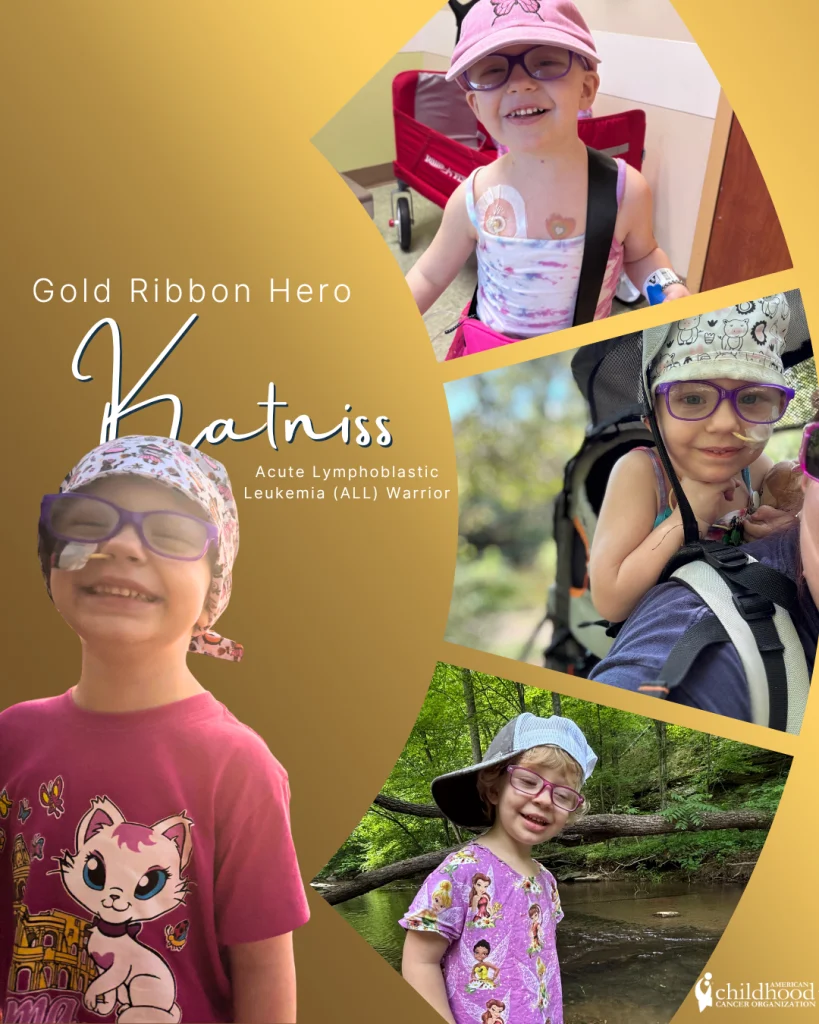
The landscape of pediatric oncology is defined by both the clinical rigor of long-term treatment protocols and the profound personal narratives of the families navigating them. In June 2025, the medical community and the American Childhood Cancer Organization (ACCO) welcomed a new voice into the fold of advocacy: Katniss, a young girl whose recent diagnosis of Acute Lymphoblastic Leukemia (ALL) has highlighted the persistent challenges and the remarkable advancements in treating the most common form of childhood cancer. Her journey, marked by a rare familial connection to the disease and a high-profile ambassadorship in Nashville, Tennessee, serves as a focal point for understanding the current state of pediatric hematology and the vital importance of community-driven support systems.
The Clinical Onset and Diagnostic Complexity
The transition from typical childhood illness to a life-altering oncology diagnosis often occurs with deceptive speed. For Katniss, the initial clinical indicators appeared in early June 2025, manifesting as a persistent case of strep throat that failed to respond to standard antibiotic interventions. The progression of the illness took a critical turn when she began vomiting blood, a symptom that necessitated immediate emergency department intervention.
Upon clinical evaluation at the hospital, hematological tests revealed that Katniss was experiencing profound neutropenia—a condition characterized by an abnormally low count of neutrophils, a type of white blood cell essential for fighting infections—and severe anemia. These results are hallmark indicators of bone marrow failure, often precipitated by the rapid proliferation of malignant lymphoblasts. Within days of her admission, a bone marrow aspiration confirmed the diagnosis of Acute Lymphoblastic Leukemia.
ALL is a systemic malignancy of the white blood cells, where the bone marrow produces an excess of immature lymphocytes. These "blast" cells crowd out healthy blood-producing cells, leading to the exhaustion, bruising, and susceptibility to infection observed in Katniss’s initial presentation. While the diagnosis is a devastating milestone for any family, it carried a unique emotional weight for Katniss’s mother, Katherine. As a survivor of childhood leukemia herself, Katherine’s experience underscores a poignant, albeit scientifically complex, generational encounter with the disease. While most cases of ALL are considered sporadic rather than hereditary, the psychological impact of a parent witnessing their child face the same medical battle they once endured adds a layer of complexity to the family’s coping mechanism.
The Therapeutic Roadmap: A Two-Year Marathon
The standard of care for pediatric ALL is one of the most intensive and prolonged treatment regimens in modern medicine. For Katniss, the roadmap involves approximately two and a half years of continuous therapy. This duration is designed to not only induce remission but to ensure the total eradication of residual leukemic cells that might otherwise lead to a relapse.
The treatment protocol began immediately with the surgical placement of a chemo-port, a device implanted under the skin to allow medical teams frequent and reliable access to the bloodstream for medication delivery and blood draws. The primary pillar of her recovery is a multi-phase chemotherapy regimen, which is traditionally divided into induction, consolidation, and maintenance phases.
- Induction Therapy: This initial phase, usually lasting four to six weeks, aims to clear the blood and bone marrow of leukemia cells, bringing the patient into "complete remission."
- Consolidation (Intensification) Therapy: Once remission is achieved, this phase targets any remaining sub-microscopic leukemia cells. For Katniss, this involves repeated bone marrow biopsies to monitor cellular progress and lumbar punctures (spinal taps).
- Maintenance Therapy: This is the longest phase, often lasting two years or more, involving lower doses of chemotherapy to prevent the cancer from returning.
The physical toll of these procedures—particularly the lumbar punctures, which involve injecting chemotherapy drugs directly into the cerebrospinal fluid to protect the central nervous system—is significant. However, clinical reports from Katniss’s care team emphasize her resilience and "sassy" personality, traits that pediatric psychologists often identify as crucial "protective factors" that help children maintain a sense of self and agency during invasive medical interventions.
Statistical Context: The Reality of Pediatric ALL
To understand the broader implications of Katniss’s journey, one must look at the current data surrounding pediatric leukemia. According to the National Cancer Institute and the American Cancer Society, ALL accounts for approximately 25% of all cancers diagnosed in children under the age of 15.
Historically, the outlook for ALL was grim, but it has become one of the great success stories of modern oncology. In the 1960s, the five-year survival rate was less than 10%. Today, thanks to refined chemotherapy protocols and better supportive care, the five-year survival rate for children with ALL is approximately 90%. Despite these high success rates, the intensity of the treatment remains a significant burden. Approximately 1 in 5 children who achieve remission will face a relapse, and many survivors experience long-term "late effects," including cardiovascular issues, secondary cancers, or cognitive shifts resulting from the toxicity of the treatments.
Advocacy and Community: The Grand Ole Opry Chili Cook-Off
A vital component of the pediatric cancer journey is the role of community support and public awareness. Katniss was selected as a 2025 ambassador for the Grand Ole Opry Chili Cook-Off in Nashville, Tennessee. This event, which bridges the gap between the music industry and philanthropic efforts, serves as a significant fundraiser for the American Childhood Cancer Organization.
The ACCO is the nation’s oldest and largest grassroots organization dedicated to childhood cancer. By featuring "warriors" like Katniss, the organization humanizes the statistics and draws attention to the chronic underfunding of pediatric cancer research. Currently, pediatric cancer receives only about 4% of the National Cancer Institute’s federal funding, a disparity that advocacy groups are working tirelessly to bridge through legislative action and public events.
Although Katniss was unable to attend the live Chili Cook-Off due to the unpredictable nature of her treatment schedule and her suppressed immune system (neutropenia), the Grand Ole Opry facilitated a private experience for her and her family several weeks later. This visit included a comprehensive tour of the historic facility and a live performance, providing the family with a much-needed reprieve from the clinical environment. Such experiences are not merely "gifts"; they are considered therapeutic interventions that help mitigate the trauma of long-term hospitalization and maintain the family unit’s morale.
Official Responses and Socio-Economic Implications
The response from the Nashville community and the ACCO highlights a growing trend in "person-centered" advocacy. Statements from event organizers emphasized that the goal of the ambassador program is to provide children with a platform that is not defined solely by their diagnosis. By integrating Katniss into the fabric of a Nashville cultural institution like the Grand Ole Opry, the program underscores the necessity of social inclusion for immunocompromised children.
From a socio-economic perspective, the journey of a child like Katniss places an immense strain on household stability. The two-and-a-half-year treatment window often requires one parent to reduce work hours or leave the workforce entirely to manage the schedule of biopsies, infusions, and emergency room visits. Organizations like the ACCO provide resources to help families navigate these "hidden costs" of cancer, which include transportation, specialized nutrition, and the loss of income.
Future Outlook and the Path Forward
As Katniss continues her chemotherapy, the focus of her medical team will remain on achieving and maintaining a "Minimal Residual Disease" (MRD) negative status. This metric, which uses highly sensitive flow cytometry to detect even a single leukemia cell among 10,000 healthy cells, is the current gold standard for predicting long-term success.
The broader implications of cases like Katniss’s are reflected in the ongoing push for the Research to Accelerate Cures and Equity (RACE) for Children Act and the Childhood Cancer STAR Act. These legislative frameworks aim to ensure that pharmaceutical companies prioritize pediatric applications for new drugs and that survivors have access to lifelong monitoring.
Katniss’s story is a microcosm of the current state of pediatric oncology: a blend of high-tech medical intervention, historical progress in survival rates, and the enduring need for community compassion. Her journey from a sudden ER visit in June 2025 to the stage of the Grand Ole Opry illustrates the resilience of the human spirit when faced with the rigors of leukemia. While the next two years will be defined by medical protocols, the support of the ACCO and the Nashville community ensures that Katniss is not defined by her illness, but by her role as a symbol of hope and a catalyst for continued progress in the fight against childhood cancer.
