
 By admin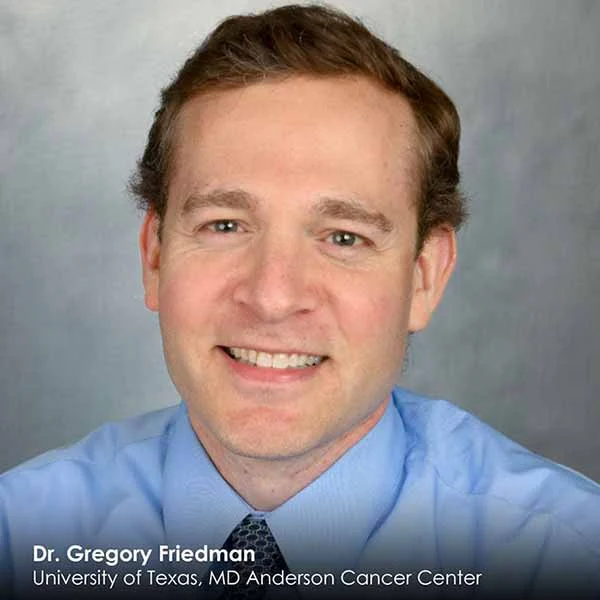
The Urgent Crisis in Pediatric Neuro-Oncology
Pediatric high-grade gliomas represent one of the most daunting challenges in modern medicine. These aggressive brain tumors are characterized by rapid growth and a devastating prognosis. Currently, the median survival rate for children diagnosed with pHGGs is less than 30%. Among the various subtypes, Diffuse Intrinsic Pontine Glioma (DIPG) remains particularly tragic, with a near-zero percent survival rate and no known cure.
For decades, the standard of care has relied on a combination of surgery, radiation, and intensive chemotherapy. However, these traditional modalities often fail to penetrate the blood-brain barrier effectively or succumb to the tumor’s inherent resistance. Furthermore, the developing brains of children are exceptionally vulnerable to the toxic side effects of these treatments, which can lead to permanent cognitive impairment, endocrine disruption, and secondary malignancies. The partnership between CureSearch and LifeArc is born out of the recognition that incremental improvements to existing therapies are insufficient; instead, a paradigm shift toward innovative, targeted, and less toxic biological therapies is required.
Dr. Gregory Friedman’s Innovative Immunotherapy Approach
At the heart of this international partnership is the research of Dr. Gregory Friedman and his "dream team" of specialists. Dr. Friedman’s project, funded through the CureSearch Acceleration Initiative, focuses on a dual-action immunotherapy designed to harness the power of the patient’s own immune system while minimizing damage to healthy neural tissue.
The therapeutic strategy utilizes a two-pronged mechanism:
- Engineered Oncolytic Virus: The team employs a modified version of the herpes simplex virus (the common cold-sore virus). This virus has been bio-engineered to selectively infect and replicate within brain tumor cells. As the virus multiplies, it causes the tumor cells to rupture (lysis), releasing tumor-specific antigens into the surrounding environment. Crucially, the modifications ensure that the virus cannot harm healthy brain cells.
- The SNAPvax Cancer Vaccine: To bolster the immune response initiated by the virus, Dr. Friedman is integrating a novel cancer vaccine known as SNAPvax. This vaccine is designed to "prime" the immune system by training T-cells to recognize and attack specific proteins found on the surface of the glioma cells.
Recent laboratory findings from Dr. Friedman’s team have yielded a critical discovery regarding the "chronology of care." Their research indicates that the sequence in which these therapies are administered is paramount. When the vaccine is delivered prior to the viral injection, it "excites" the immune system to focus its attack on the tumor rather than clearing the therapeutic virus prematurely. This allows the engineered virus more time to infiltrate and destroy the malignant mass, resulting in a synergistic effect that is significantly more potent than either treatment used in isolation.
The Acceleration Initiative: Bridging the "Valley of Death"
The path from laboratory discovery to bedside application is often referred to in the pharmaceutical industry as the "Valley of Death." Many promising pediatric therapies fail to reach clinical trials not due to a lack of scientific merit, but due to a lack of funding and the small market size of pediatric rare diseases, which discourages private investment.
CureSearch’s Acceleration Initiative was specifically designed to bridge this gap. The program targets preclinical research projects with a high probability of clinical application within an accelerated three-year timeframe. The success of this model is evidenced by the data: while the industry average for the translation of cancer drugs from preclinical stages to clinical trials is less than 8%, CureSearch AI projects boast a 60% transition rate.
This high success rate is maintained through a rigorous vetting process. Each project is scrutinized by CureSearch’s Scientific and Industry Advisory Councils, which consist of top-tier experts from both academia and the pharmaceutical sector. The inclusion of LifeArc as a co-funder further validates Dr. Friedman’s work, as LifeArc brings its own stringent standards for translational research and a shared mission to improve outcomes for underserved patient populations.
A Timeline of Progress and Partnership
The trajectory of Dr. Friedman’s research highlights the sustained effort required to bring new therapies to the forefront:
- 2022: Dr. Friedman is originally granted the CureSearch AI award, with initial support from the Rally Foundation for Childhood Cancer Research. This funding allowed for the assembly of a multi-disciplinary research team.
- 2023: The team successfully identifies the ideal brain tumor proteins to target with the SNAPvax vaccine and begins developing advanced tumor models to test efficacy.
- Early 2024: Laboratory results confirm that the "vaccine-first" sequencing optimizes the immune system’s ability to destroy glioma cells while preserving the engineered virus’s longevity.
- May 2024: LifeArc officially joins the project as an international co-funder, providing the resources necessary to move toward clinical trial design.
- Looking Ahead (2025–2027): The project aims to transition into a Phase I clinical trial, testing the safety and preliminary effectiveness of the combination therapy in pediatric patients with high-grade gliomas.
The Human Cost: Perspectives from the Frontlines
Behind the clinical data and scientific milestones are the families who live with the reality of a pHGG diagnosis. The partnership between LifeArc and CureSearch was heavily influenced by the need to address the "high unmet medical need" described by families across the globe.
Namrata and Bhavesh Pandya, residents of Harrow, London, provide a poignant example of the stakes involved. In 2017, they lost their 14-year-old son, Khushil, to DIPG. Despite the lack of curative options, Khushil’s family fought to provide him with a sense of normalcy, even as he completed a Duke of Edinburgh expedition in a wheelchair just months before his passing.
"Bhavesh and I will never be ready to accept that, in this day and age where science has progressed in so many areas, with this particular tumor, there’s very little knowledge on how and why it happens," Namrata Pandya stated. She emphasized that the investment in pediatric brain tumor research is a moral imperative, noting that more effective, less toxic treatments would not only save lives but also preserve the quality of life for survivors.
Official Responses and Strategic Vision
Leadership from both organizations has expressed confidence that this bi-continental alliance will set a new standard for pediatric research funding.
Kay Koehler, President and CEO of CureSearch, highlighted the significance of international cooperation. "We’re thrilled to expand our co-funding model internationally and are grateful for LifeArc’s support," Koehler said. "Our goal is to fill the funding gap by ensuring the quick advancement of these promising projects into the clinic where they can help children today."
Dr. David Jenkinson, Head of Childhood Cancer at LifeArc, echoed these sentiments, noting that Dr. Friedman’s approach aligns perfectly with LifeArc’s broader strategy. "Our mission at LifeArc is to do better for children with cancer by helping to progress research that could lead to the development of new, less toxic treatments, ultimately saving lives," Jenkinson remarked.
Broader Implications for Global Oncology
The partnership between CureSearch and LifeArc represents more than just a single research grant; it is a blueprint for how non-profits can leverage global resources to solve local problems. By pooling financial resources, scientific expertise, and regulatory knowledge from both the U.S. and the U.K., these organizations are effectively doubling the momentum behind Dr. Friedman’s work.
This collaboration also signals a growing trend in "precision philanthropy," where donors and charities focus on high-impact, high-probability projects that have already passed rigorous scientific hurdles. As Dr. Friedman continues to work with industry partners to finalize the protocols for upcoming clinical trials, the global pediatric oncology community watches with hope. If successful, this combination therapy could provide a template for treating other recalcitrant pediatric cancers, moving the world one step closer to a future where a diagnosis of high-grade glioma is no longer a death sentence.
