
 By admin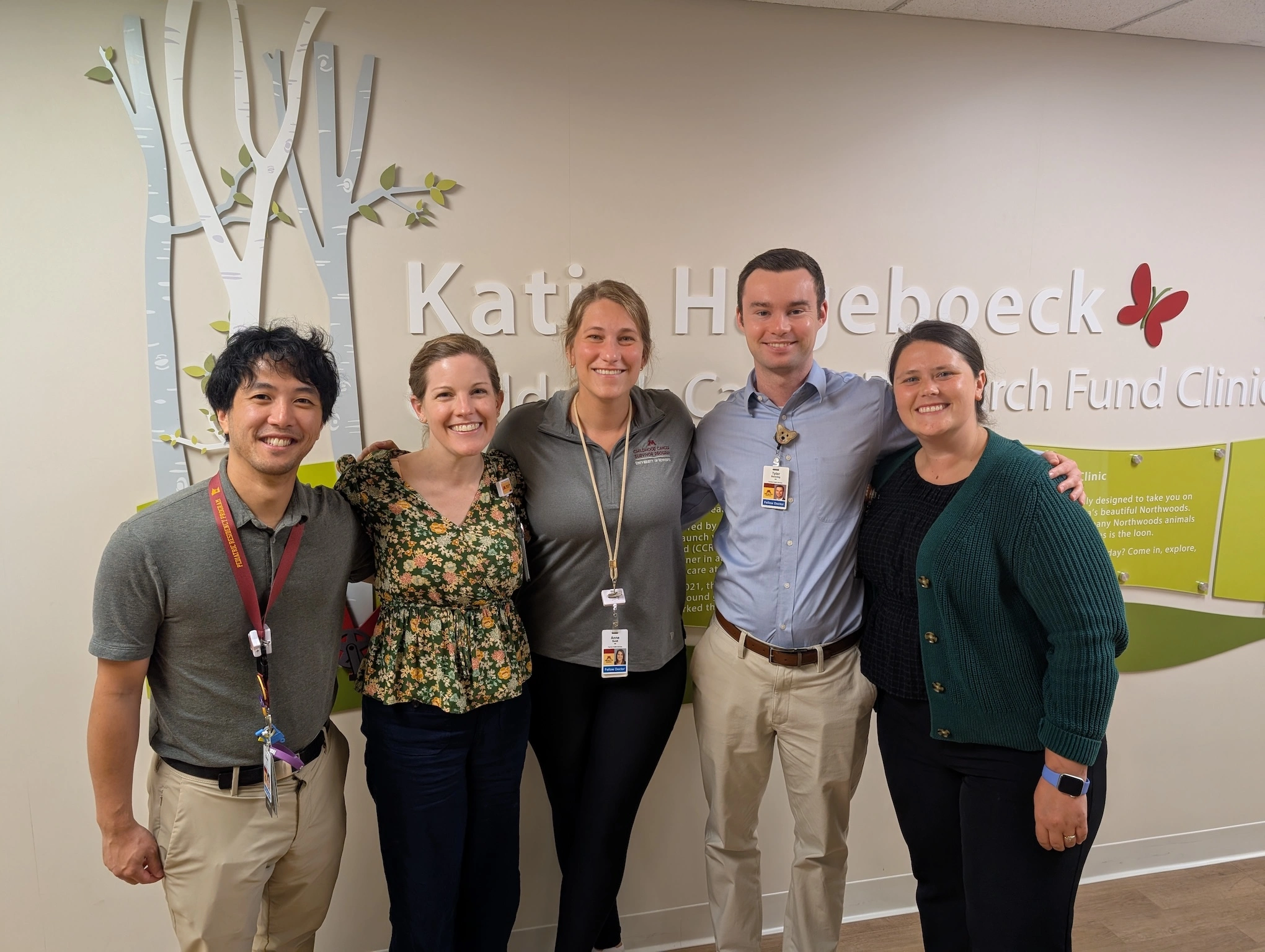
The Children’s Cancer Research Fund (CCRF) has formalized a new 10-year funding commitment to the University of Minnesota’s Pediatric Hematology/Oncology Fellowship Program, marking a significant escalation in the effort to combat a growing national shortage of specialized physicians. This decade-long pledge is designed to secure the pipeline of clinician-researchers at a time when the demand for pediatric cancer care is evolving due to higher survival rates and the increasing complexity of long-term survivorship. By providing sustained financial resources and mentorship opportunities, the program aims to bridge the gap between laboratory breakthroughs and bedside patient care, ensuring that the next generation of medical leaders is equipped to handle the shifting landscape of pediatric oncology.
The National Crisis in Pediatric Oncology Staffing
The announcement comes amid a tightening bottleneck in the American healthcare system. While the field of oncology has seen remarkable advancements in treatment efficacy, the workforce required to administer these treatments and monitor survivors is under unprecedented strain. According to data from the American Board of Pediatrics, the number of new fellows entering pediatric subspecialties has not kept pace with the growing population of childhood cancer survivors, who now number over 500,000 in the United States alone.
This shortage is exacerbated by an aging workforce and the high cost of specialized medical education, which often steers graduates toward more lucrative adult-care specialties. Pediatric oncologists require an additional three to four years of fellowship training beyond their residency, a period that is often underfunded in many academic institutions. The CCRF’s 10-year commitment is specifically designed to mitigate these financial barriers, providing the University of Minnesota with the stability needed to recruit and retain top-tier talent.
Furthermore, the nature of pediatric cancer care has changed. In the 1970s, the five-year survival rate for childhood cancer was roughly 58%. Today, that figure exceeds 85% for most common diagnoses. While this is a triumph of modern medicine, it creates a "survivorship paradox." Survivors often face lifelong "late effects" from chemotherapy and radiation, including secondary cancers, cardiovascular issues, and cognitive impairments. These patients require specialized, long-term follow-up care that only a trained pediatric oncologist can provide, further increasing the demand for these specialists.
A Four-Decade Legacy of Academic Excellence
The new 10-year commitment is the latest chapter in a relationship between CCRF and the University of Minnesota that spans more than 40 years. Since 1981, CCRF has been a primary benefactor of the university’s pediatric cancer initiatives, focusing heavily on the "clinician-researcher" model. This model is distinct because it requires fellows to divide their time between direct patient interaction in the clinic and rigorous scientific inquiry in the lab.
Over the last four decades, the CCRF-supported fellowship has produced a network of alumni who now lead oncology departments and research institutes across the country. By funding the formative years of these doctors’ careers, CCRF has effectively seeded the field with innovators. The University of Minnesota serves as an ideal hub for this program, given its status as home to the Masonic Cancer Center, a National Cancer Institute-designated Comprehensive Cancer Center. This designation allows fellows to work within a high-resource environment where they have access to cutting-edge clinical trials and multidisciplinary expertise.
The Fellowship Curriculum: Integrating Care and Innovation
The Children’s Cancer Research Fund Pediatric Hematology/Oncology Fellowship Program offers a multi-year curriculum that is as much about laboratory science as it is about clinical empathy. The program is structured to evolve alongside medical technology, ensuring that fellows are not just learning current protocols but are actively developing the protocols of the future.
Breakthroughs in CAR T and Gene Therapy
A primary focus of the current curriculum involves immunotherapy and genetic engineering. Fellows work side-by-side with faculty mentors to explore Chimeric Antigen Receptor (CAR) T-cell therapy, a process where a patient’s own immune cells are reprogrammed to recognize and attack cancer cells. This "living drug" approach has revolutionized the treatment of certain leukemias and lymphomas that were previously considered terminal.
In addition to CAR T therapy, the program emphasizes gene therapy research. For children with rare genetic blood disorders or high-risk cancers, gene editing tools like CRISPR-Cas9 offer the possibility of correcting mutations at the molecular level. By involving fellows in these high-stakes research areas, the program ensures that when these technologies become standard care, there is already a cohort of specialists trained in their application and management.
Bioethics and the Human Element of Care
Beyond the laboratory, the fellowship addresses the increasingly complex ethical landscape of pediatric medicine. As treatments become more powerful, the decisions facing families and physicians become more difficult. The curriculum includes dedicated modules on bioethics and prognosis communication. Fellows are trained to navigate the delicate balance of offering hope while maintaining clinical transparency, a skill that is vital in pediatric cases where the patients are minors and the primary decision-makers are parents.
Addressing Health Equity and Access
The most recent class of CCRF Fellows has also placed a heavy emphasis on health equity. Data indicates that while overall survival rates for childhood cancer have risen, significant disparities remain based on race, socioeconomic status, and geographic location. Children from marginalized communities often present with more advanced stages of disease and have less access to clinical trials.
The CCRF-funded program encourages research into these disparities, seeking to identify systemic barriers to care. By training fellows to consider health equity as a core component of clinical innovation, the program aims to ensure that the "future of cancer care" is one that is accessible to all children, regardless of their background. This involves studying everything from the logistics of rural healthcare delivery to the biological differences in treatment response across diverse populations.
Analysis of Economic and Public Health Implications
The 10-year funding commitment by CCRF represents a strategic intervention in public health economics. The cost of training a single pediatric subspecialist is estimated to be in the hundreds of thousands of dollars, often exceeding the budgets of state-funded universities. Philanthropic support acts as a critical bridge, allowing institutions to maintain high standards of training without passing the cost onto the fellows in the form of debt or onto patients in the form of higher care costs.
From a public health perspective, the presence of a robust fellowship program at a major Midwestern hub like the University of Minnesota has a "force multiplier" effect. Research conducted by fellows often leads to federal grants from the National Institutes of Health (NIH), bringing more federal funding into the state and creating jobs in the biotechnology sector. Moreover, the clinical trials conducted by these fellows offer Minnesota families access to experimental treatments that are not available elsewhere, potentially saving lives that would otherwise be lost to resistant forms of cancer.
Statements and Reactions from the Medical Community
While official statements from the university emphasize the prestige of the partnership, the broader medical community views this as a necessary move for institutional stability. Faculty members at the University of Minnesota have noted that long-term funding—as opposed to year-to-year grants—allows for more ambitious research projects. Short-term funding often forces researchers to focus on "safe" projects with quick results; 10 years of guaranteed support allows fellows to tackle "high-risk, high-reward" research that could lead to genuine cures.
Advocates for childhood cancer research have also lauded the move, noting that pediatric cancer receives only about 4% of the National Cancer Institute’s annual budget. Because federal funding is so heavily skewed toward adult cancers (which are more common), private philanthropy through organizations like CCRF is the primary engine for pediatric-specific innovation.
The Role of Donor Contributions
The CCRF emphasizes that this 10-year commitment is made possible through a broad base of donor support. Unlike corporate-sponsored research, which may have specific commercial interests, donor-funded fellowships allow for "curiosity-driven" research. This is often where the most significant breakthroughs occur—when a young researcher is given the resources to ask a new question about an old problem.
Donors to the CCRF are essentially investing in the human capital of the medical field. By supporting a fellow, they are supporting a career that will span 30 to 40 years, during which time a single oncologist may treat thousands of children and publish hundreds of studies. The long-term nature of this funding ensures that the University of Minnesota remains a "teaching hospital" in the truest sense, where the wisdom of veteran oncologists is passed down to the next generation in a structured, well-resourced environment.
Conclusion: Shaping the Future of Pediatric Oncology
As the 10-year funding cycle begins, the University of Minnesota’s Pediatric Hematology/Oncology Fellowship Program stands as a bulwark against the looming specialist shortage. The program’s focus on combining high-tech innovation—like gene therapy and CAR T—with high-touch care—like bioethics and health equity—creates a holistic training ground for the doctors of tomorrow.
The challenges facing pediatric oncology are significant: the diseases are aggressive, the treatments are toxic, and the workforce is stretched thin. However, the Children’s Cancer Research Fund’s commitment provides a roadmap for how philanthropic organizations can partner with academic institutions to solve systemic problems. By investing in the people who will discover the cures, CCRF is ensuring that the progress made in the last 40 years is not only preserved but accelerated, offering a brighter outlook for children diagnosed with cancer in the decades to come.
