
 By Suherman Candra Maholtra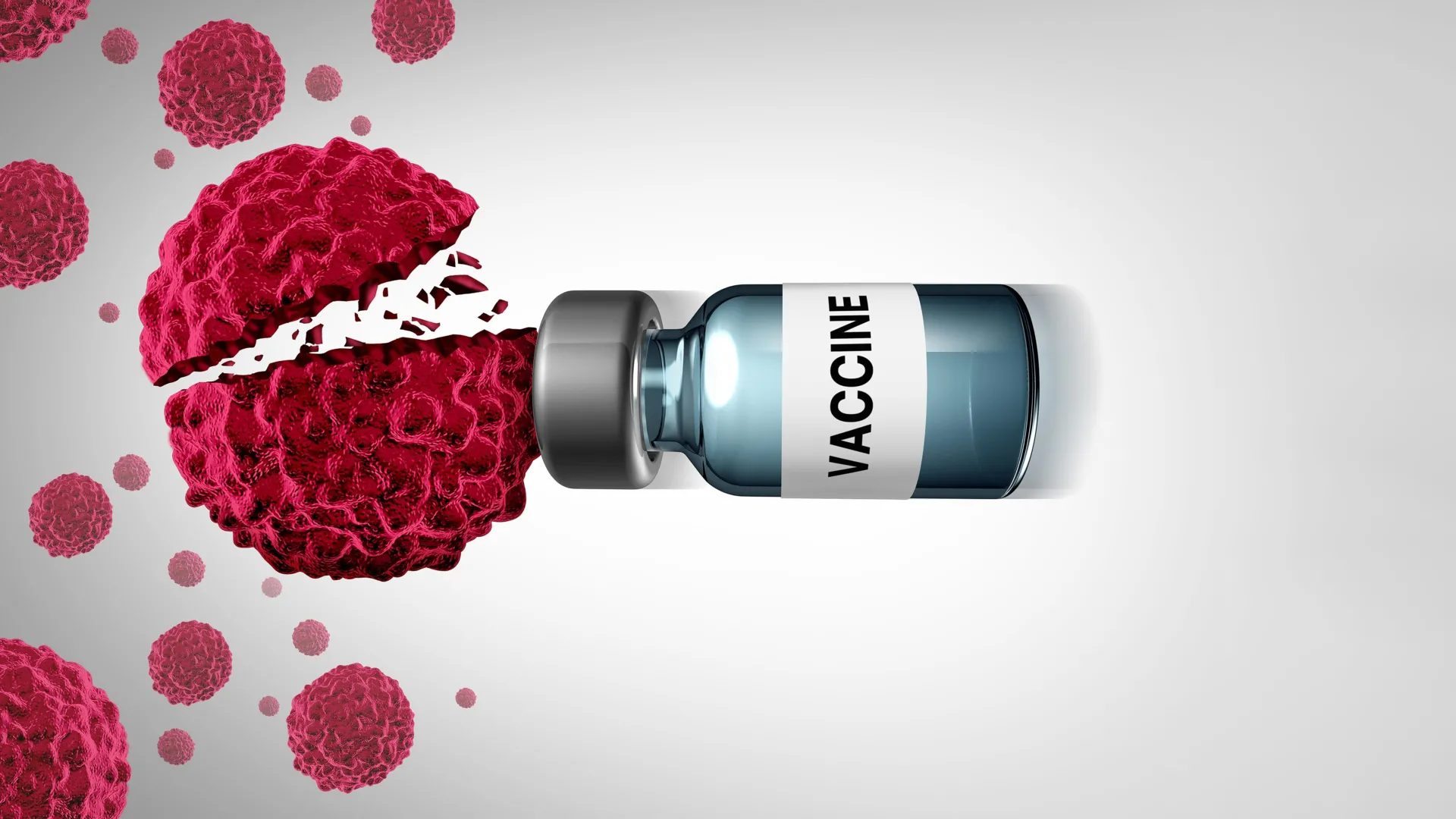
A landmark study published in the journal Nature has revealed that patients diagnosed with advanced lung or skin cancer who received a COVID-19 mRNA vaccine shortly before or after starting immunotherapy experienced a dramatic increase in survival rates. The research, a collaborative effort between the University of Florida (UF) and the University of Texas MD Anderson Cancer Center, suggests that the same technology used to combat the global pandemic may hold the key to "waking up" the immune system to fight aggressive malignancies. By analyzing the records of over 1,000 patients, scientists discovered that the administration of an mRNA vaccine within a 100-day window of initiating immune checkpoint inhibitor therapy was associated with a near-doubling of median survival time in some cohorts. These findings have sparked a surge of interest in the oncological community, potentially paving the way for a universal, "off-the-shelf" cancer vaccine that could enhance the efficacy of existing treatments.
Statistical Analysis of Patient Outcomes
The core of the discovery lies in a retrospective analysis of clinical data from patients treated at MD Anderson Cancer Center between 2019 and 2023. The study focused on individuals with Stage 3 and 4 non-small cell lung cancer (NSCLC) and metastatic melanoma—two types of cancer that are frequently treated with immunotherapy but often see varying degrees of success.
In the lung cancer cohort, researchers examined the records of 180 patients who received a COVID-19 mRNA vaccine (either from Pfizer-BioNTech or Moderna) within 100 days of starting immunotherapy. This group was compared against a control group of 704 patients who received the same immunotherapy drugs but did not receive the mRNA vaccine within that specific timeframe. The results were stark: the median survival for the vaccinated group reached 37.3 months, compared to just 20.6 months for the unvaccinated group. This represents an 81% increase in survival duration, a margin rarely seen in late-stage oncology trials.
The data for metastatic melanoma patients followed a similar, albeit slightly more complex, trend. Of the 210 patients studied, 43 received the vaccine within the 100-day window. The median survival for the unvaccinated group was 26.7 months. For those who received the vaccine, the median survival rose to a range of 30 to 40 months. Researchers noted that because many patients in the vaccinated group were still alive at the time the data was finalized, the ultimate survival benefit could be even higher than currently recorded.
Significantly, the study also looked at patients who received traditional, non-mRNA vaccines for influenza or pneumonia. In these cases, there was no observed improvement in cancer survival, suggesting that the benefit is unique to the mRNA platform and its specific method of stimulating the immune system.
The Mechanism: The "Flare" Effect and Immune Mobilization
The biological mechanism behind this phenomenon appears to be rooted in how mRNA technology interacts with the human immune system. Traditional cancer vaccines are often "personalized," meaning they are engineered to target specific proteins, or neoantigens, found on a particular patient’s tumor. While effective in theory, this process is expensive and time-consuming.
The new research suggests that a "nonspecific" approach may be equally, if not more, effective. Elias Sayour, M.D., Ph.D., a UF Health pediatric oncologist and co-senior author of the study, explained that the mRNA vaccine acts as a "flare." When the vaccine is injected, it triggers a generalized immune response similar to the body’s reaction to a viral infection. This alert system mobilizes immune cells—specifically T-cells—moving them from "exhausted" states within the tumor microenvironment toward the lymph nodes, where they can be "reprogrammed" and sent back to attack the cancer with renewed vigor.
This process complements immune checkpoint inhibitors, which are drugs designed to "release the brakes" on the immune system. By combining the "brake release" of immunotherapy with the "ignition" provided by the mRNA vaccine, the treatment becomes significantly more potent. This synergy was particularly effective in patients who were otherwise predicted to have a poor response to immunotherapy due to the molecular makeup of their tumors.
Chronology of mRNA Innovation in Oncology
The discovery is not an overnight success but the culmination of over a decade of scientific inquiry. The timeline of this breakthrough reflects the intersection of long-term academic research and the rapid technological acceleration caused by the COVID-19 pandemic.
- 2014–2016: Dr. Elias Sayour and his team at the University of Florida begin experimenting with lipid nanoparticles—tiny fat bubbles—as a delivery vehicle for mRNA. Their goal is to find a way to use mRNA to treat pediatric brain tumors.
- 2017–2019: The team develops "nonspecific" mRNA therapies, discovering in laboratory settings that stimulating the immune system generally can produce an anti-tumor effect without needing to target specific cancer proteins.
- 2020: The COVID-19 pandemic leads to the launch of Operation Warp Speed. mRNA technology is thrust into the global spotlight, leading to the rapid development and mass distribution of vaccines.
- 2021–2022: As cancer patients receive COVID-19 vaccines as part of routine public health measures, Adam Grippin, M.D., Ph.D., then a researcher at UF and now at MD Anderson, begins to wonder if these vaccines are inadvertently acting as the "nonspecific" cancer vaccines the team had been studying in the lab.
- July 2024: Sayour’s lab reports that in mouse models, nonspecific mRNA stimulation could trigger a massive immune attack on tumors.
- October 22, 2024: The full analysis of human patient data is published in Nature, confirming the correlation between COVID-19 vaccination and extended survival in advanced cancer patients.
Industry and Academic Reactions
The implications of the study have reverberated throughout the medical and scientific communities. Experts point to the results as a "silver lining" of the pandemic, demonstrating that the massive investment in mRNA infrastructure is yielding benefits far beyond infectious disease prevention.
Jeff Coller, Ph.D., an mRNA specialist at Johns Hopkins University, emphasized that the discovery validates the transformative power of mRNA medicines. He noted that the federal initiative Operation Warp Speed continues to provide "unique and unexpected" benefits to the American healthcare system by proving the safety and scalability of mRNA platforms.
Duane Mitchell, M.D., Ph.D., director of the UF Clinical and Translational Science Institute, highlighted the rarity of the observed treatment benefit. While he cautioned that the study is currently observational and does not yet prove a direct cause-and-effect relationship, he described the survival gains as the type of "therapeutic intervention" that oncologists strive for but rarely see in practice.
The reaction from the pharmaceutical sector has been one of cautious optimism. The patents related to the UF-developed mRNA technology have already been licensed by iOncologi Inc., a biotech spinout from the university. This suggests a clear pathway for commercializing a "universal" cancer vaccine based on these findings.
Analysis of Broader Implications
If the results of this study are confirmed in upcoming clinical trials, the impact on oncological care could be revolutionary. Currently, one of the greatest challenges in treating advanced lung and skin cancer is that many patients do not respond to immunotherapy, or they develop resistance over time. A universal, "off-the-shelf" mRNA vaccine could provide a low-cost, easily accessible way to sensitize these patients to treatment.
Furthermore, the economic implications are significant. Personalized cancer vaccines often cost hundreds of thousands of dollars per patient and require weeks of manufacturing. A nonspecific mRNA vaccine could be produced en masse and stored in standard medical facilities, making it available to a much broader population, including those in rural or underserved areas.
The study also shifts the paradigm of how scientists view the immune system’s role in cancer. For years, the focus has been on precision—finding the exact "key" to unlock a specific tumor’s defenses. This research suggests that sometimes, a "sledgehammer" approach—providing a broad stimulus that resets the entire immune environment—is what is actually required to overcome the immunosuppressive tactics of advanced tumors.
Future Research and Clinical Trials
Despite the excitement, researchers emphasize that the current findings are based on retrospective data. To move this into standard clinical practice, prospective, randomized clinical trials are essential. These trials will help determine the optimal timing for the vaccine, the ideal dosage, and whether the effect persists across other types of cancer, such as breast, colon, or brain cancer.
The next phase of research will be conducted through the OneFlorida+ Clinical Research Network. This consortium includes a diverse range of hospitals and clinics across Florida, Alabama, Georgia, Arkansas, California, and Minnesota. By utilizing a multi-state network, researchers hope to ensure that the clinical trial results are applicable to a diverse patient population.
Betsy Shenkman, Ph.D., who leads the OneFlorida+ consortium, stated that the goal is to move these academic discoveries into "real-world" settings where patients receive their daily care. For patients with Stage 4 cancer, for whom time is the most precious commodity, the prospect of doubling survival time is not just a statistical success—it is a life-changing opportunity.
As the scientific community moves forward, the focus will remain on refining the mRNA delivery system. While the COVID-19 vaccine provided a proof of concept, researchers believe they can design an even more potent version of a nonspecific vaccine specifically tailored to maximize the anti-tumor immune response. If successful, the legacy of the COVID-19 mRNA vaccine may ultimately be its role in turning the tide against one of humanity’s most enduring challenges: advanced cancer.
