
 By admin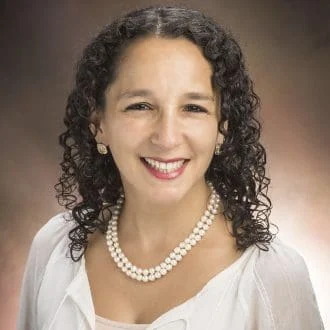
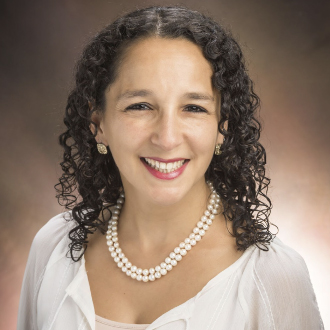
CureSearch for Children’s Cancer has officially announced the awarding of a $1 million grant to Dr. Yael Mossé of the Children’s Hospital of Philadelphia to support a groundbreaking new treatment approach for high-risk neuroblastoma, a notoriously aggressive form of pediatric cancer. This funding, delivered through the CureSearch Acceleration Initiative Award, is designed to propel highly promising laboratory research into clinical applications as quickly as possible. As one of the most difficult-to-treat malignancies in the pediatric population, high-risk neuroblastoma remains a primary focus for oncologists seeking to improve survival rates and minimize the long-term toxicity associated with conventional treatments. Dr. Mossé’s research represents a critical pivot toward precision medicine, focusing on the genetic drivers of the disease to create a more effective and less harmful therapeutic regimen for young patients.
The Challenge of High-Risk Neuroblastoma
Neuroblastoma is a cancer that develops from immature nerve cells found in several areas of the body, most commonly arising in and around the adrenal glands, which have similar origins to nerve cells. It is the most frequent solid tumor found outside the brain in children, accounting for approximately 8% to 10% of all childhood cancer diagnoses. Despite its relatively low incidence compared to adult cancers, it is disproportionately lethal, responsible for roughly 15% of all pediatric cancer-related deaths.
The disease is categorized into risk groups—low, intermediate, and high—based on the age of the child, the stage of the cancer, and the biological characteristics of the tumor cells. While low- and intermediate-risk cases often have excellent prognoses, high-risk neuroblastoma remains a formidable challenge. For these patients, the five-year survival rate has historically hovered around 50%, even with intensive multimodal therapy including high-dose chemotherapy, surgery, radiation, bone marrow transplants, and immunotherapy. The intensity of these treatments often leaves survivors with lifelong health complications, including hearing loss, heart problems, and secondary cancers. Dr. Mossé’s work aims to change this paradigm by targeting the specific mutations that allow these tumors to grow and resist standard therapies.
The Science of Precision Treatment
The research led by Dr. Mossé at the Children’s Hospital of Philadelphia (CHOP) centers on identifying and neutralizing the molecular engines of neuroblastoma. Specifically, her work has long focused on the Anaplastic Lymphoma Kinase (ALK) gene, which is a major driver in many cases of high-risk neuroblastoma. Mutations in the ALK gene can cause cells to grow and divide uncontrollably.
The precision treatment strategy funded by the CureSearch grant focuses on developing inhibitors that can target these cancer-driving mutations with surgical accuracy. Unlike traditional chemotherapy, which attacks all rapidly dividing cells and thus harms healthy tissue in the process, precision medicine is designed to interact only with the specific proteins or genes involved in the cancer’s growth. By sparing healthy cells, this approach seeks to not only increase the likelihood of total remission but also significantly reduce the debilitating side effects that often define the childhood cancer experience. This $1 million investment will facilitate the advanced testing and optimization required to move these novel inhibitors toward human clinical trials.
The Acceleration Initiative Award Framework
The CureSearch Acceleration Initiative (AI) Award is a highly competitive and prestigious grant specifically structured to bridge the "valley of death" in drug development—the gap between laboratory discovery and clinical implementation. Many promising scientific breakthroughs fail to reach patients because of a lack of funding for the rigorous pre-clinical testing required by regulatory bodies like the FDA.
To qualify for an AI Award, researchers must demonstrate that their project has the potential to reach clinical trials within three years. The selection process involves a rigorous peer-review by a panel of international experts in pediatric oncology and drug development. Dr. Mossé’s project was selected because it met these stringent criteria, offering a clear and viable path toward a new standard of care. The award emphasizes speed and efficacy, ensuring that the $1 million investment results in tangible outcomes for children currently battling high-risk disease.
A Chronology of Progress and Partnership
The development of this new treatment follows a decade of incremental breakthroughs in the understanding of neuroblastoma genetics. In 2008, Dr. Mossé and her colleagues at CHOP were instrumental in identifying the ALK gene as a primary cause of inherited neuroblastoma and a major driver in non-inherited cases. This discovery fundamentally altered the research landscape, shifting the focus from broad-spectrum treatments to targeted therapies.
Following that discovery, the timeline of development moved through various phases:
- Gene Identification (2008): The role of ALK mutations in neuroblastoma was confirmed.
- First-Generation Inhibitors (2010-2015): Early clinical trials utilized inhibitors originally designed for adult lung cancer, showing some promise but also revealing issues with drug resistance.
- Refinement and Next-Gen Development (2016-2023): Researchers worked to develop more potent, "next-generation" inhibitors specifically tailored to the mutations found in pediatric neuroblastoma.
- The CureSearch Grant (2024): The $1 million award provides the necessary resources to finalize the pre-clinical package for the most promising of these new agents, paving the way for immediate clinical trial enrollment.
This project is also supported in part by the Norcross Foundation, highlighting the collaborative nature of modern medical philanthropy. By pooling resources from multiple foundations, researchers can maintain the momentum necessary to navigate the complex regulatory and manufacturing requirements of drug development.
Institutional and Expert Perspectives
The impact of this funding is echoed by both the recipient and the awarding organization. Dr. Mossé emphasized that the grant provides a unique platform to bypass the bureaucratic and financial hurdles that often slow down pediatric drug development.
“This award provides an unprecedented opportunity to streamline the overall development of a novel therapy for patients with neuroblastoma by accelerating the entire drug development process,” Dr. Mossé stated. “This translation of our science could not be possible without the support of CureSearch.”
From the perspective of CureSearch, the grant is a strategic move to fill a void left by declining or stagnant federal research funding. While the National Cancer Institute (NCI) provides substantial funding for cancer research, only a small fraction of that budget—historically around 4% to 7%—is dedicated specifically to pediatric cancers. This disparity makes private philanthropic support from organizations like CureSearch and the Norcross Foundation essential for the advancement of specialized childhood treatments.
Broader Implications for Pediatric Oncology
The success of Dr. Mossé’s research could have implications far beyond neuroblastoma. The precision medicine model being refined in this project serves as a blueprint for other rare and aggressive pediatric cancers. By proving that targeted therapies can be successfully moved from the lab to the clinic in an accelerated timeframe, this initiative challenges the traditional, slower models of drug development.
Furthermore, the focus on reducing toxicity is a critical evolution in the field. As survival rates for many childhood cancers improve, the medical community is increasingly concerned with the "quality of survival." Survivors of childhood cancer often face a lifetime of chronic health issues resulting from the very treatments that saved them. Dr. Mossé’s work represents a shift toward "smart" therapies that prioritize the long-term health of the child as much as the eradication of the tumor.
Analysis of the Funding Landscape
The reliance on private grants like the Acceleration Initiative Award underscores a growing trend in the medical research community. As federal funding becomes increasingly competitive and often favors broad-based research with wider applications in adult populations, pediatric-specific research is frequently sidelined. Private foundations are now the primary drivers of innovation in the "orphan disease" space, which includes almost all forms of childhood cancer.
The $1 million grant to CHOP is not just a financial contribution; it is a strategic intervention. By focusing on high-risk neuroblastoma, CureSearch is targeting one of the areas of greatest need. If Dr. Mossé’s precision treatment succeeds in clinical trials, it could lead to the first FDA-approved targeted therapy specifically designed for neuroblastoma, potentially setting a new benchmark for how these cases are managed globally.
Future Outlook
Looking ahead, the next three years will be pivotal for Dr. Mossé’s team. The funding will support the final stages of laboratory testing, including the optimization of dosage levels and the study of how the drug interacts with existing therapies. Once these milestones are met, the project will move into Phase I clinical trials, where the treatment will be offered to children who have exhausted standard options.
The ultimate goal is to integrate these precision inhibitors into the frontline treatment for all high-risk neuroblastoma patients, potentially replacing more toxic elements of the current protocol. For the families of children diagnosed with this aggressive disease, the work being done at the Children’s Hospital of Philadelphia, fueled by the CureSearch Acceleration Initiative, offers a tangible sense of hope for a future where cancer can be treated without compromising the child’s future health.
