
 By admin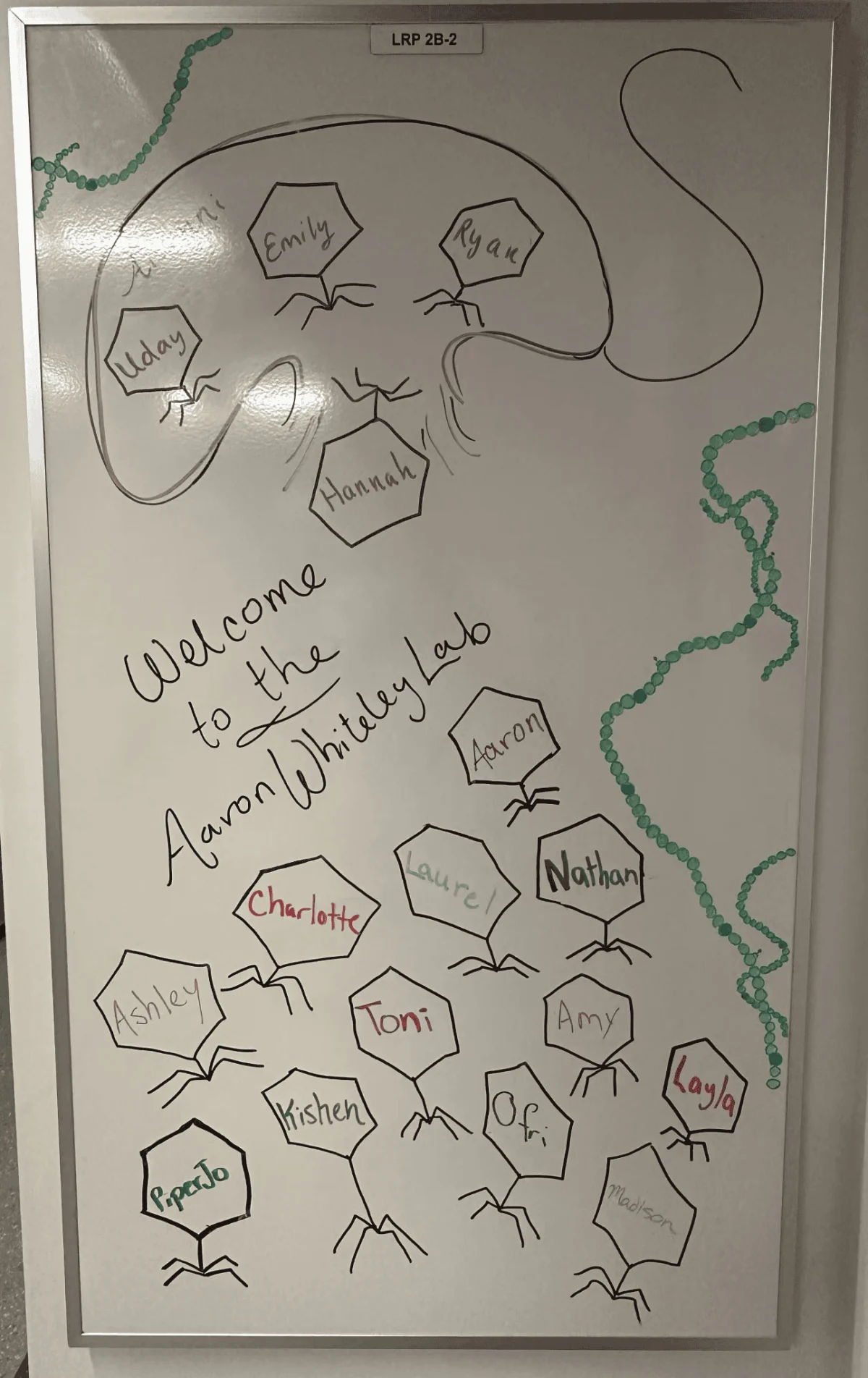
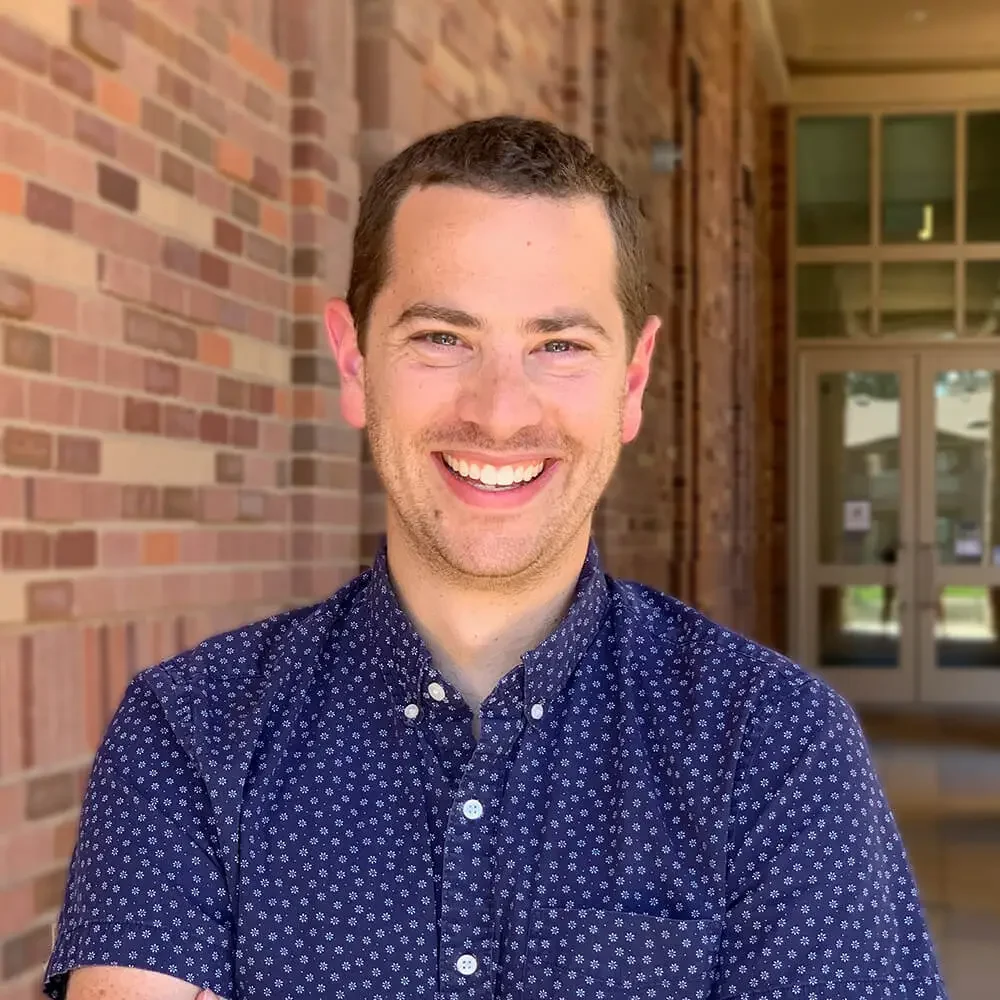
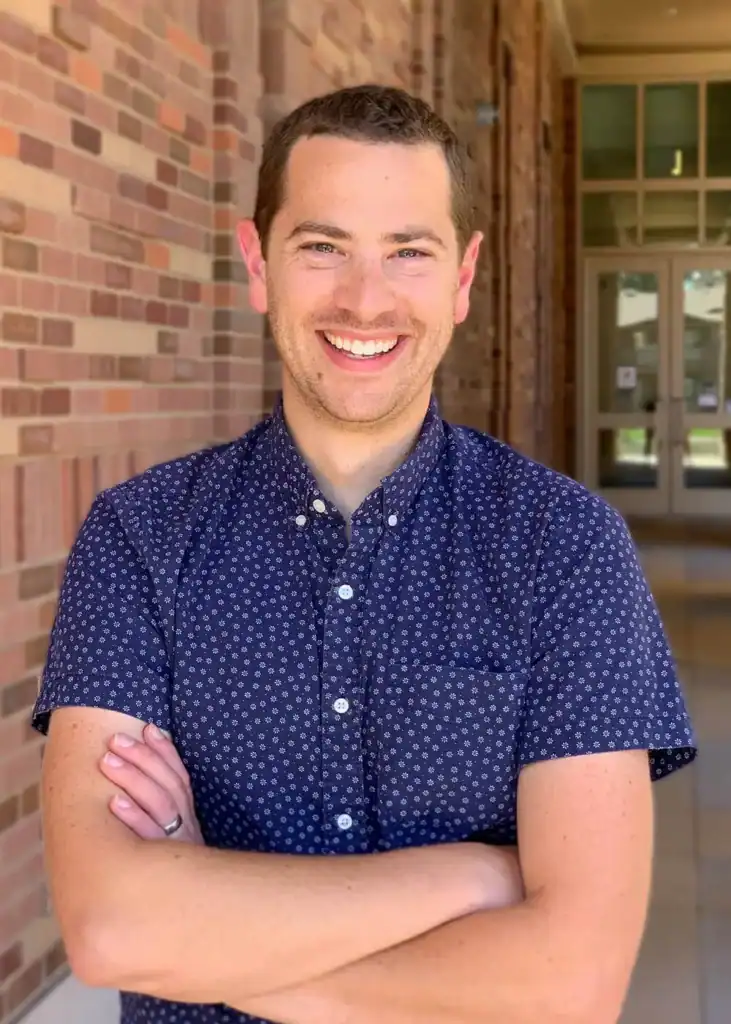
The Cancer Research Institute (CRI) has recognized Dr. Aaron Whiteley, an Assistant Professor in the Department of Biochemistry at the University of Colorado Boulder, with its prestigious STAR (Scientists Taking Risks) award. This significant grant will fuel Dr. Whiteley’s groundbreaking research into the evolutionary origins of immune signaling pathways, with a long-term vision to harness bacterial-human cellular communication for the development of advanced cancer immunotherapies, including customized probiotics. His work represents a bold step towards understanding the fundamental mechanisms that govern our immunity and translating that knowledge into novel clinical applications against cancer.
The Genesis of a Scientific Vision: Dr. Whiteley’s Journey
Dr. Whiteley’s distinguished academic journey laid the groundwork for his current innovative research. He earned his Ph.D. from the University of California, Berkeley, a period during which he was recognized as a National Science Foundation Graduate Research Fellow, a testament to his early promise in scientific inquiry. Following his doctoral studies, he pursued rigorous postdoctoral training at Harvard Medical School, a critical phase for honing his expertise and developing an independent research program. In 2020, Dr. Whiteley established his independent laboratory at the University of Colorado Boulder, embarking on a mission to unravel the intricate molecular mechanisms and evolutionary history of immune signaling. His foundational training across leading institutions provided him with a unique interdisciplinary perspective, blending microbiology, biochemistry, and immunology, which is now proving crucial in his current discoveries.
Unlocking Ancient Secrets: The Evolutionary Immunology Breakthrough
For over a decade, Dr. Whiteley’s research has illuminated a startling truth: some of the immune pathways indispensable for human health are not exclusively human inventions but rather have ancient roots, originating in bacteria more than a billion years ago. This revelation challenges conventional understanding by demonstrating a profound evolutionary continuity in life’s most fundamental defense mechanisms. The concept is akin to discovering that the basic building blocks of a sophisticated modern skyscraper were first designed for a much older, simpler structure. These ancient bacterial pathways, refined and diversified over eons, underpin critical aspects of our contemporary immune responses.
One particularly significant finding from Dr. Whiteley’s lab is the identification of one such pathway that has emerged as a critical driver of successful cancer immunotherapy. This pathway, conserved across vast evolutionary distances, plays a pivotal role in dictating how effectively our immune system can recognize and eliminate cancerous cells. Understanding its bacterial origins provides an unprecedented vantage point for manipulating it in a therapeutic context. It suggests that the dialogue between host and microbe, which has shaped life for billions of years, holds keys to unlocking new strategies in modern medicine. This evolutionary perspective not only enriches our understanding of biology but also offers practical avenues for intervention in diseases like cancer, where modulating immune responses is paramount.
A New Frontier in Cancer Immunotherapy
Cancer immunotherapy has revolutionized the treatment landscape for many malignancies, offering durable responses for patients who previously had limited options. Unlike traditional treatments such as chemotherapy or radiation, which directly target cancer cells, immunotherapy works by empowering the body’s own immune system to fight the disease. Breakthroughs like checkpoint inhibitors and CAR T-cell therapy have demonstrated remarkable success, yet a significant proportion of patients still do not respond, or eventually develop resistance. This highlights an urgent need for novel approaches that can enhance existing immunotherapies or provide entirely new avenues of treatment.
Dr. Whiteley’s research directly addresses this need by focusing on the ancient, bacterial-derived immune pathway now recognized as a critical determinant of immunotherapy success. By investigating newly discovered bacterial enzymes capable of activating this pathway, his team aims to decipher the "language" of communication between bacteria and human cells. This understanding, which he aptly describes as a "Rosetta Stone" for bacteria-immune interactions, promises to unlock unprecedented opportunities. The long-term goal is to translate this inter-kingdom communication into actionable therapeutic strategies, specifically by designing customized probiotics. These engineered microbial therapies could potentially boost anti-cancer immunity, sensitize tumors to existing immunotherapies, and ultimately improve patient responses, leading to better outcomes and potentially curative treatments.
The CRI STAR Award: Fueling High-Risk, High-Reward Science
The Cancer Research Institute’s STAR program is uniquely designed to empower scientists like Dr. Whiteley who are pursuing ambitious, high-risk, high-reward questions that possess the potential to open entirely new frontiers in immunotherapy. In a scientific funding landscape often characterized by conservative approaches and stringent requirements for immediate, measurable milestones, the STAR program stands apart. It provides flexible, unrestricted funding, granting investigators the intellectual freedom not only to "think outside the box" but to venture "beyond it." This philosophy acknowledges that truly transformative discoveries often emerge from unconventional lines of inquiry that might not fit neatly into traditional grant application paradigms.
Dr. Whiteley articulated the profound impact of this support, stating, "When you’re constantly focused on how do I get a little bit more data to get the next grant, especially when those grants are coming from the National Institutes of Health, they are a little bit more risk-averse. You can’t do the pie-in-the-sky paradigm-shifting experiments. This grant will enable us to push the limits, as it’s high risk, high reward. It is game-changing for my research program.” This sentiment was echoed by Dr. Edward Chuong, a 2025 STAR award recipient and colleague also from the University of Colorado Boulder, who noted, “The STAR award has inspired our lab to go all in on our ideas. The unrestricted support has allowed us to chase high-risk leads and provides an incredible chance to take big risks that have a chance of improving cancer immunotherapy.” The CRI’s commitment to supporting such visionary, early-stage research is crucial for fostering the next wave of scientific breakthroughs, recognizing that today’s bold ideas are tomorrow’s standard treatments.
The "Rosetta Stone" Project: Translating Bacterial-Human Communication
The specific project enabled by the CRI STAR award focuses on identifying and characterizing the bacterial enzymes responsible for activating the crucial immune pathway. This involves meticulous biochemical and genetic studies to understand how these enzymes interact with host cells and modulate immune responses. The "Rosetta Stone" analogy is particularly apt because it implies decoding a previously unintelligible language – the complex molecular signals exchanged between our commensal bacteria and our immune system. Just as the ancient Rosetta Stone unlocked the secrets of Egyptian hieroglyphs, Dr. Whiteley’s work aims to decipher the sophisticated cross-talk that has evolved over billions of years.
The implications of successfully translating this communication are vast. By understanding the precise molecular cues that bacteria use to influence immunity, scientists could engineer specific probiotic strains designed to activate anti-cancer immune responses in a targeted and potent manner. This would move beyond generalized probiotic supplements to highly customized, therapeutic interventions. Imagine a future where a patient’s microbiome is analyzed, and a bespoke probiotic cocktail is prescribed to optimize their immune system’s readiness to fight cancer or to enhance the efficacy of existing immunotherapies. This personalized approach could significantly reduce side effects, improve response rates, and ultimately redefine the standard of care for various cancers.
The Microbiome-Immune Axis: A Growing Field
Dr. Whiteley’s research is situated at the vanguard of a rapidly expanding field: the study of the microbiome-immune axis. It is increasingly clear that the trillions of microorganisms residing within and on our bodies, particularly in the gut, exert profound effects on our overall health, including the development and progression of cancer. The gut microbiome, in particular, plays a critical role in educating and modulating the immune system, influencing everything from autoimmune diseases to metabolic disorders. Evidence continues to mount that the composition of a patient’s gut microbiota can predict their response to various cancer therapies, including chemotherapy and immunotherapy.
The ability to precisely manipulate these microbial communities, not just through broad dietary changes but through highly targeted engineered probiotics, represents a paradigm shift. Dr. Whiteley’s focus on ancient, conserved pathways provides a fundamental biological underpinning for such interventions, ensuring that any therapeutic strategies are built upon robust evolutionary principles. His work promises to bridge the gap between basic microbial ecology and advanced clinical oncology, creating a new therapeutic modality that leverages our co-evolutionary relationship with microorganisms.
Cultivating the Next Generation of Innovators
Beyond his groundbreaking laboratory discoveries, Dr. Whiteley is equally passionate about fostering the next generation of scientific leaders. A recipient of multiple graduate mentoring awards, he understands that scientific progress is a relay race, dependent on the continuous transfer of knowledge, skills, and, crucially, a spirit of adventurous inquiry. He actively encourages his students and postdoctoral fellows to embrace ambitious ideas, take calculated risks, and push the boundaries of current understanding.
Reflecting on the historical trajectory of cancer treatment, Dr. Whiteley articulated this vision: “If we look back at history, even 100 years ago at how bleak treating a disease like cancer was, and now I overhear patients in line at the supermarket saying they had gotten CAR T cell therapy, and I thought, could you imagine explaining that to someone from 100 years ago, even from 25 years ago? But that only happens if there’s another generation to keep moving the needle, keep pushing the envelope.” This commitment to mentorship ensures that the innovative spirit embodied by his own research will continue to inspire future scientists to tackle complex biological questions and translate their findings into tangible improvements in human health.
Broader Implications and Future Outlook
Dr. Aaron Whiteley’s receipt of the CRI STAR award signifies not just a personal achievement but a pivotal moment for the field of cancer immunotherapy. His work, by delving into the ancient microbial origins of our immune system, offers a fresh perspective on how to harness these fundamental mechanisms against one of humanity’s most formidable adversaries. The potential to design customized probiotics that can precisely modulate immune responses represents a revolutionary approach to cancer treatment, potentially offering more effective, less toxic, and highly personalized therapies.
The Cancer Research Institute’s unwavering commitment to supporting high-risk, high-reward investigations is vital for the advancement of science. By providing the intellectual and financial freedom necessary for bold experimentation, CRI empowers scientists like Dr. Whiteley to pursue transformative ideas that might otherwise remain unexplored. CRI is proud to invest in his visionary research, recognizing its potential to redefine our understanding of the intricate relationship between microbes, immunity, and cancer. The discoveries emanating from Dr. Whiteley’s lab at the University of Colorado Boulder could pave the way for a new era in cancer medicine, leveraging billions of years of co-evolution to conquer a modern disease.
