
 By admin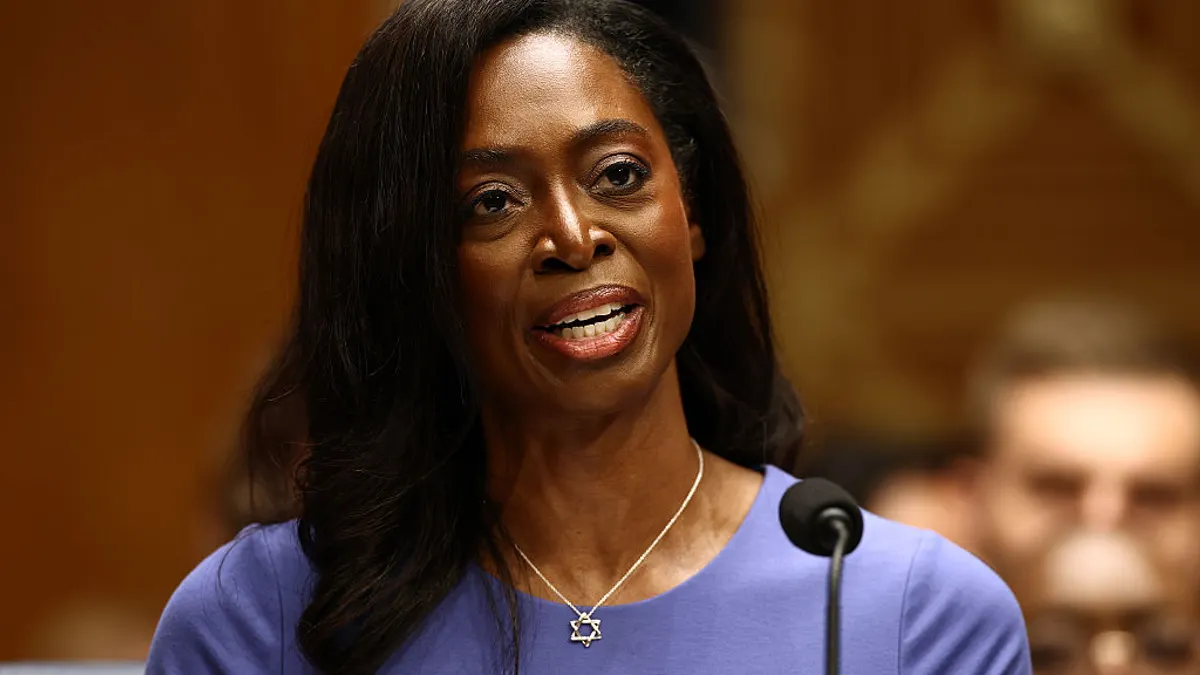
Dr. Erica Schwartz has been confirmed as the next director of the Centers for Disease Control and Prevention (CDC) on August 5, 2026, stepping into an agency grappling with a year-long leadership vacuum, profound public distrust, and a landscape dramatically reshaped by the tumultuous tenure of Robert F. Kennedy Jr. as Secretary of Health and Human Services (HHS). Her appointment comes at a critical juncture for the nation’s premier public health institution, tasking her with the formidable challenge of restoring scientific integrity, internal morale, and public confidence in an environment deeply polarized by health policy and vaccine skepticism.
A Battered Agency and a Public Health Crisis of Confidence
The CDC, once a beacon of global health leadership and a trusted source of scientific guidance, has faced an unprecedented crisis of confidence over the past several years. This erosion of trust, exacerbated by the COVID-19 pandemic and subsequent political interference, has left the agency "battered," as described by public health advocates. Polling data from institutions like Harvard’s T.H. Chan School of Public Health have consistently indicated a dramatic decline in public trust in the CDC, with a significant portion of the population expressing skepticism regarding its recommendations and impartiality. This erosion is not merely academic; it translates directly into challenges in implementing public health initiatives, from vaccination campaigns to disease surveillance.
Beyond the external challenges, the agency has also contended with internal strife, including significant layoffs that have impacted its operational capacity and staff morale. The absence of a permanent director for nearly a year prior to Schwartz’s confirmation created a leadership void, hindering long-term strategic planning and the agency’s ability to respond cohesively to emerging health threats. This period of uncertainty, coupled with the highly politicized atmosphere surrounding public health, has left the CDC vulnerable and in desperate need of stable, experienced leadership.
Robert F. Kennedy Jr.’s Controversial Overhaul of Health Policy
At the heart of the CDC’s recent turmoil lies the influence of Robert F. Kennedy Jr., whose appointment as HHS chief ignited widespread alarm among public health experts due to his long-standing and vocal skepticism about vaccines. Upon assuming his role, Kennedy moved swiftly and decisively to implement policies that drastically departed from established public health norms and scientific consensus, particularly concerning vaccination.
Chronology of Controversial Actions:
- Initial Policy Overhaul: Shortly after taking office, Kennedy announced that the CDC would no longer recommend COVID-19 shots for healthy children and pregnant women. This directive contradicted the broad consensus of medical and public health organizations worldwide, which emphasized the protective benefits of these vaccines for vulnerable populations.
- Dismantling Advisory Panels: A particularly alarming move was the firing of all members of a crucial vaccine advisory panel, the Advisory Committee on Immunization Practices (ACIP). ACIP has historically been instrumental in developing vaccine recommendations for the U.S. population, operating as an independent body of scientific experts. Its dissolution and the subsequent appointments of individuals perceived to align with Kennedy’s views raised serious questions about the politicization of vaccine policy.
- Proposed Childhood Immunization Schedule Revisions: Kennedy’s administration oversaw recommendations to significantly slim down the childhood immunization schedule. This proposal, if fully implemented, would have rolled back decades of public health progress in preventing vaccine-preventable diseases, potentially exposing millions of children to serious illnesses like measles, mumps, rubella, and polio.
These efforts, while impactful, were not without resistance. Kennedy’s policy changes were partially "stymied by court battles," as legal challenges were mounted to block some of his more controversial directives. Furthermore, "White House officials" reportedly expressed concerns, fearing that "publicly repudiating immunizations is a losing issue in electoral politics," highlighting a pragmatic political pushback against the ideologically driven health policies. Despite these setbacks, Kennedy continued his work behind the scenes, reportedly pushing health agencies to conduct studies on whether vaccines cause chronic disease—a premise widely rejected by mainstream medical science—and occasionally utilizing public platforms like cable news to "spread misinformation" about vaccine safety and efficacy.
This period was further complicated by President Trump’s continued "fixation" on a "debunked narrative linking inoculations to autism." This persistent promotion of a disproven theory by a high-profile political figure further fueled public skepticism and created an environment where evidence-based public health messaging struggled to gain traction. The confluence of a skeptical HHS Secretary and a supportive President created an unprecedented challenge to the CDC’s ability to uphold its scientific mission.
Dr. Erica Schwartz: A Profile in Public Health Leadership
Against this backdrop of controversy and institutional strain, Dr. Erica Schwartz emerges as the chosen leader tasked with steering the CDC back to stability and scientific rigor. Her extensive background in medicine, public health, and law positions her as a uniquely qualified candidate to navigate the complex challenges ahead.
Educational and Professional Trajectory:
- Academic Excellence: Dr. Schwartz holds both undergraduate and medical degrees from Brown University, a testament to her foundational scientific and clinical expertise. She further augmented her qualifications with a master’s degree in public health from the Uniformed Services University, emphasizing her commitment to population-level health interventions. Completing her academic profile, she earned a law degree from the University of Maryland, providing her with critical insights into health policy, regulatory frameworks, and legal challenges that often intersect with public health.
- Distinguished Public Service: Her career includes a significant tenure as a U.S. Public Health Service officer, where she gained firsthand experience in implementing and overseeing public health programs. Notably, she served as deputy surgeon general during the first Trump administration, a period that would have exposed her to the intricate dynamics of federal health agencies and the political pressures that can influence public health policy. This experience offers her a unique perspective on operating within a politically charged environment while maintaining a commitment to public health principles.
The American Public Health Association (APHA), a leading voice for public health professionals, has publicly endorsed Schwartz’s capabilities, stating, "Erica Schwartz has a tough road ahead… With all the turmoil of the past two years, the CDC desperately needs stability, experienced leadership and a steadfast commitment to science." This statement underscores the high expectations placed upon her to restore the agency’s foundational principles.
A Pledge to Science Amidst Skepticism
During her Senate confirmation hearing, Dr. Schwartz delivered a clear and unequivocal pledge that resonated deeply with public health advocates: she promised that she would "never betray the science" as head of the CDC. In her opening statement, she articulated her core philosophy, declaring, "My sacred responsibility is to provide the American people with public health guidance that is clear, honest and evidence-based." This commitment to scientific integrity is seen as paramount, especially given the recent history of politically motivated interventions and the spread of misinformation.
Her promise is not merely rhetorical; it represents a direct challenge to the forces that have sought to undermine the CDC’s scientific authority. It signals an intent to re-establish the agency as an impartial, data-driven institution, independent of political pressures. This pledge will be a critical benchmark against which her leadership will be measured by both supporters and critics.
Reactions and Deep-Seated Concerns

Despite her qualifications and pledges, Dr. Schwartz’s nomination was met with reservations from some quarters, reflecting the deep divisions that characterize the current political landscape around public health. Senator Jon Ossoff, a Georgia Democrat, articulated these concerns in a statement, emphasizing the perceived vulnerability of the CDC to political influence. "Secretary Kennedy’s reckless and sustained attack on the CDC puts Americans’ health at risk," Ossoff stated, adding, "Against this disturbing backdrop . . . I lacked sufficient confidence in her independence."
Ossoff’s statement highlights a critical tension: while Schwartz may personally be committed to science, the overarching political environment and the lingering influence of Kennedy’s policies raise legitimate questions about her ability to fully insulate the CDC from external pressures. The senator’s concern was not necessarily a personal indictment of Schwartz but rather a reflection of the systemic challenges she inherits and the pervasive skepticism about political appointees’ ability to act entirely autonomously in such a highly charged field.
Nevertheless, Ossoff also expressed his readiness to "work with Schwartz and support the ‘vital mission’" of the Atlanta-based agency, indicating a willingness to collaborate despite initial reservations. This sentiment reflects a broader hope within the public health community that Schwartz, despite the difficult circumstances of her appointment, can indeed begin the arduous process of rebuilding the CDC.
Broader Impact and Implications for Public Health
Dr. Schwartz’s directorship carries profound implications for the future of public health in the United States and globally. The CDC’s "vital mission" encompasses everything from tracking infectious diseases and developing public health guidelines to responding to natural disasters and combating chronic illnesses. The agency’s effectiveness directly impacts the health and safety of millions.
Key areas of impact and challenges for Schwartz:
- Restoring Public Trust: Rebuilding public trust will be paramount. This requires consistent, transparent communication, a renewed emphasis on evidence-based decision-making, and proactive engagement with communities to address misinformation. It also involves demonstrating the CDC’s independence from political influence.
- Reasserting Scientific Authority: Schwartz must work to re-establish the CDC as the undisputed authority on public health matters, both domestically and internationally. This means strengthening internal scientific processes, supporting the agency’s researchers, and ensuring that recommendations are solely driven by data and expert consensus.
- Addressing Internal Morale: The reported layoffs and leadership vacuum have likely taken a toll on CDC staff. Schwartz will need to focus on internal rebuilding, fostering a culture of scientific excellence, and restoring morale among dedicated public health professionals.
- Navigating Political Landscape: She will face ongoing pressure from various political factions. Her ability to defend the CDC’s scientific mission while engaging constructively with policymakers will be crucial. This includes advocating for adequate funding and resources for public health initiatives.
- Global Health Security: The CDC plays a critical role in global health security, collaborating with international partners on disease surveillance and outbreak response. A weakened or distrusted CDC impacts not only the U.S. but also the global capacity to prevent and control pandemics.
The appointment of Dr. Erica Schwartz marks a pivotal moment for the CDC. Her leadership will determine whether the agency can effectively rebound from a period of unprecedented turmoil, re-establish its scientific credibility, and regain the public’s trust. Her "tough road ahead" is not merely a personal challenge but a reflection of the broader societal need for a strong, independent, and scientifically driven public health infrastructure capable of protecting the nation’s health against future threats. The success of her tenure will be measured by her unwavering commitment to science and her ability to navigate the complex political currents that threaten to undermine the very foundation of public health.
