
 By admin
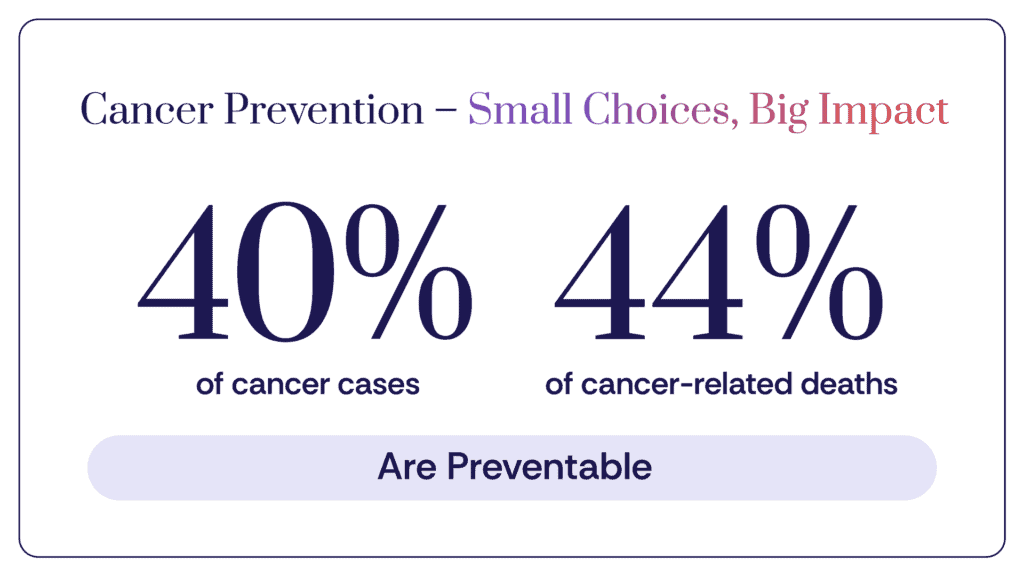
February is recognized annually as National Cancer Prevention Month, a critical period for individuals and public health bodies to reflect on and implement strategies aimed at reducing cancer incidence. This year, the observance gains heightened urgency following a recent landmark study by the American Cancer Society (ACS), which revealed that a staggering 40% of all cancer cases diagnosed in the U.S. are attributable to preventable factors. Furthermore, the study projects that 44% of cancer deaths anticipated in 2025 will be linked to modifiable behaviors, underscoring the profound impact lifestyle choices have on cancer risk. While the journey towards prevention is not about achieving absolute perfection, it emphasizes the significant cumulative effect of making informed, consistent choices to mitigate risk where possible. Even seemingly minor adjustments in daily routines can yield substantial, life-saving differences in the long term.
The Imperative of Prevention: A Deeper Look at National Cancer Prevention Month
National Cancer Prevention Month serves as a dedicated platform to elevate public awareness regarding the numerous opportunities available to actively reduce one’s risk of developing cancer. Instituted to galvanize action, this annual focus aims to demystify cancer prevention, shifting the narrative from a fatalistic view of the disease to one of empowerment and proactive health management. Health organizations and medical professionals leverage this month to disseminate evidence-based information, encourage healthy behaviors, and promote early detection screenings. The overarching goal is to foster a societal understanding that while genetics and other non-modifiable factors play a role, a significant proportion of cancer cases are not inevitable and can be influenced by conscious decisions. This educational initiative is crucial for empowering individuals with the knowledge and resources to make impactful changes in their lives, ultimately contributing to a decline in cancer rates nationwide. Experts from the National Cancer Institute (NCI) consistently emphasize that primary prevention, by avoiding exposure to carcinogens and adopting healthy lifestyles, represents the most cost-effective and impactful long-term strategy in the fight against cancer.
Unpacking the American Cancer Society’s Landmark Findings
The American Cancer Society’s comprehensive study, a pivotal contribution to cancer epidemiology, provides robust statistical evidence for the preventable burden of cancer in the United States. By meticulously analyzing population-attributable fractions for various risk factors, the ACS concluded that approximately 40% of all cancer diagnoses and 44% of cancer-related deaths by 2025 are linked to factors that individuals can modify. These figures are not mere statistics; they represent tens of thousands of lives potentially saved and immense suffering averted. The study systematically evaluated the prevalence of known modifiable risk factors—such as tobacco use, excessive alcohol consumption, unhealthy diet, physical inactivity, and exposure to ultraviolet radiation—and quantified their contribution to specific cancer types across the population. The implications of these findings are far-reaching, informing public health policy, healthcare resource allocation, and individual health recommendations. They serve as a powerful call to action for policymakers to implement supportive environments for healthy living and for healthcare providers to integrate comprehensive prevention counseling into routine care. Researchers involved in the study highlight that these percentages underscore a significant public health opportunity, emphasizing that a concerted effort in prevention could dramatically alter the landscape of cancer in America.
Understanding Cancer Prevention: Modifiable vs. Non-Modifiable Risks
Cancer prevention fundamentally involves taking proactive measures to decrease the likelihood of cancer development. This primarily revolves around making conscious lifestyle choices, such as adopting a balanced diet, engaging in regular physical activity, and avoiding known harmful exposures. While prevention cannot offer an absolute guarantee against cancer, it significantly reduces risk by targeting factors within an individual’s control. The genesis of cancer is often complex, arising from an intricate interplay of both modifiable lifestyle choices and non-modifiable factors, including genetic predispositions, age, and unavoidable environmental exposures. This dual nature means there is no universal, one-size-fits-all approach to prevention. However, focusing on and making changes to the factors within one’s sphere of influence represents a profoundly empowering and effective initial step. Understanding this distinction is vital: while one cannot change their genetic blueprint, they can make choices daily that influence their cellular environment and overall health, thereby tipping the scales in favor of prevention.
Key Modifiable Risk Factors: A Detailed Examination and Supporting Data
Six primary modifiable risk factors have been identified as major contributors to cancer incidence, offering clear avenues for preventive action.
1. Smoking and Tobacco Use: The Foremost Preventable Cause
Cigarette smoking stands as the single most significant preventable risk factor for cancer globally. The ACS study directly linked smoking to 20% of all cancer cases and an alarming 30% of all cancer deaths. This correlation is rooted in the chemical composition of cigarettes, which contain over 7,000 chemicals, with at least 70 unequivocally identified as carcinogens. These toxic agents inflict direct damage upon cellular DNA, leading to mutations that can trigger uncontrolled cell growth—the hallmark of cancer. Furthermore, these chemicals compromise the immune system, diminishing its ability to detect and eradicate nascent cancer cells.
Lung cancer is overwhelmingly the most common smoking-associated malignancy, accounting for approximately 9 out of 10 related deaths in the U.S. However, the carcinogenic effects of tobacco extend far beyond the lungs, contributing to nearly 20 other cancer types, including esophageal, breast, pancreatic, liver, kidney, colorectal, stomach, bladder, cervical, and acute myeloid leukemia. The danger is not limited to direct smokers; secondhand smoke, the inhalation of smoke from others’ cigarettes, carries the same perilous cocktail of chemicals and carcinogens. Primarily responsible for lung cancer in non-smokers, secondhand smoke has also been implicated in cancers of the larynx, nasopharynx, and breast in adults. The landscape of tobacco use is evolving, with e-cigarettes posing a new area of concern. While often marketed as a safer alternative, preliminary research indicates that e-cigarettes are not without risk and may still contain carcinogens and harmful substances that could contribute to cancer development, though the long-term effects are still under extensive investigation. Public health campaigns, dating back to the U.S. Surgeon General’s report in 1964, have consistently highlighted the dangers of smoking, leading to significant declines in smoking rates but reinforcing the need for continued vigilance.
Prevention Strategy: Quitting at Any Stage
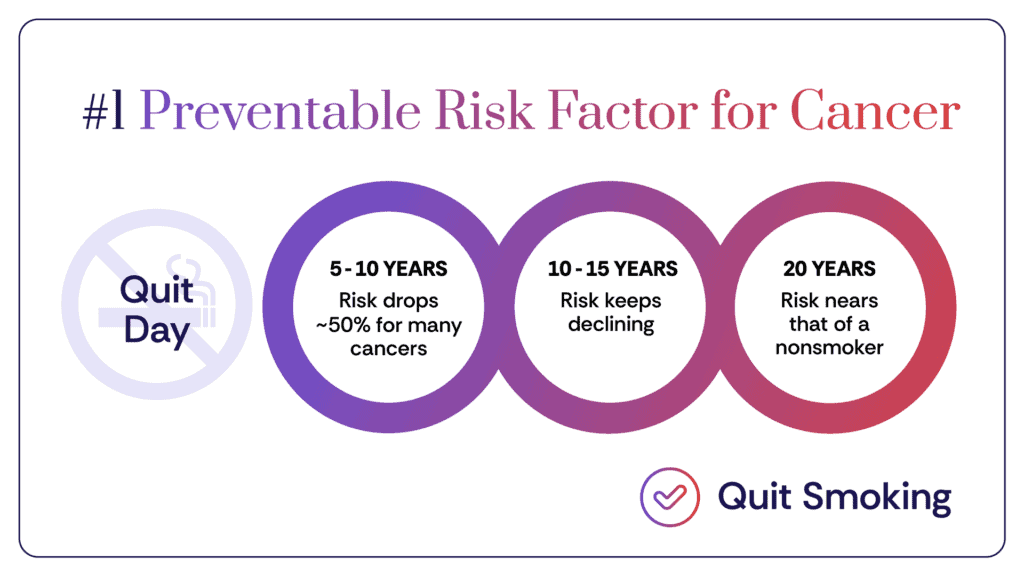
Quitting smoking, regardless of how long one has smoked, dramatically and progressively reduces cancer risk. Within 5 to 10 years of cessation, the risk of developing 12 types of cancers can decrease by half. After 10 to 20 years, the risk approaches that of a lifelong non-smoker. The benefits of quitting are measurable and profound, underscoring that it is never too late to take this life-changing step. Resources such as quitlines, nicotine replacement therapies, and counseling can significantly aid in the cessation process.
2. Alcohol Consumption: Less Is Better
Beyond tobacco, alcohol consumption represents another significant, modifiable lifestyle factor influencing cancer risk. The ACS study attributed 5.4% of all cancers to alcohol intake. Even at seemingly low levels, alcohol can elevate cancer risk, being definitively linked to cancers of the mouth, throat (pharynx and larynx), esophagus, liver, breast, and colorectum.
The mechanisms by which alcohol promotes carcinogenesis are multifaceted. Acetaldehyde, a toxic metabolite produced when the body processes alcohol, directly damages DNA and prevents cells from repairing this damage. Alcohol can also generate reactive oxygen species, leading to oxidative stress and chronic inflammation, both conducive to cancer development. Furthermore, it can alter hormone balances, particularly increasing estrogen levels, which is a known risk factor for breast cancer. In the mouth and throat, alcohol can act as a solvent, increasing the absorption of other carcinogens, such as those found in tobacco, creating a synergistic effect that magnifies risk. Annually, approximately 20,000 adults in the U.S. succumb to alcohol-associated cancers, with a significant majority of these deaths considered preventable through modified alcohol intake. Health organizations, including the U.S. Centers for Disease Control and Prevention (CDC), advise limiting alcohol consumption to reduce cancer risk, noting that for cancer prevention, no amount of alcohol consumption is entirely without risk; the least risky option is not drinking at all.
Prevention Strategy: Mindful Consumption or Abstinence
Making conscious choices to reduce alcohol intake is crucial. Substituting alcoholic beverages with non-alcoholic alternatives like "mocktails" or dedicating specific days to be alcohol-free are effective strategies. For individuals who do not currently consume alcohol, there is no health-based reason to start.
3. Maintaining a Healthy Weight & Staying Active
Overall physical health, characterized by body weight and activity levels, profoundly impacts cancer risk. Excess body weight emerged as the second-most preventable cause of cancer in the ACS study, accounting for 7.6% of cases, while physical inactivity contributed to 3.1% of diagnoses. These factors are strongly implicated in the development of cancers such as stomach, endometrial, esophageal (adenocarcinoma), kidney, colorectal, breast (postmenopausal), and liver cancer.
The precise mechanisms linking excess body weight to cancer are complex and involve several biological pathways. Adipose (fat) tissue is not merely an inert energy store; it is metabolically active, releasing inflammatory signals called adipokines and cytokines. This creates a state of chronic inflammation throughout the body, fostering an environment where cancer cells can thrive. Obesity also disrupts hormone balances, notably increasing insulin and insulin-like growth factors, which can promote cell growth and division. Furthermore, fat cells produce excess estrogen, a significant risk factor for certain hormone-sensitive cancers like breast and endometrial cancers. Physical inactivity exacerbates these issues, impairing metabolic health and contributing to weight gain. Reducing risk in these areas focuses on health outcomes rather than aesthetic appearance. Regular physical activity, even moderate forms like walking, plays a crucial role in regulating hormones, reducing inflammation, improving immune function, and maintaining a healthy weight.
Prevention Strategy: Embrace Movement
Every form of movement contributes to better health. Incorporating activities like walking, gardening, dancing, or cycling into daily routines can make a significant difference. The key is to start small, find enjoyable activities, and maintain consistency. Aim for at least 150 minutes of moderate-intensity aerobic activity or 75 minutes of vigorous-intensity aerobic activity per week, coupled with muscle-strengthening activities on two or more days a week, as recommended by health authorities.
4. Dietary Habits: Eat for Prevention, Not Perfection
The adage "you are what you eat" holds considerable truth regarding cancer risk. The ACS study highlighted that dietary habits significantly influence a variety of cancers, including those of the oral cavity, pharynx, esophagus, and colorectum. Key dietary risk factors include insufficient intake of fruits and vegetables, low dietary calcium and fiber, and excessive consumption of processed foods and red meat.
An imbalanced diet can contribute to cancer development through several pathways. Diets rich in processed foods, often high in unhealthy fats, sugars, and sodium, can lead to obesity and chronic inflammation. Red and processed meats, when consumed in large quantities, are linked to an increased risk of colorectal cancer, partly due to compounds formed during cooking (e.g., heterocyclic amines and polycyclic aromatic hydrocarbons) and the heme iron content. Conversely, a diet abundant in fruits and vegetables provides essential vitamins, minerals, antioxidants, and fiber. Antioxidants help neutralize free radicals that can damage DNA, while fiber promotes healthy gut microbiota and aids in the rapid transit of waste products, reducing exposure time to potential carcinogens in the colon. Calcium, often found in dairy and fortified foods, also plays a role in cellular health and has been linked to reduced risk of certain cancers. The emphasis on dietary change is not about rigid perfection but about making sustainable, incremental improvements.
Prevention Strategy: Small, Impactful Dietary Changes
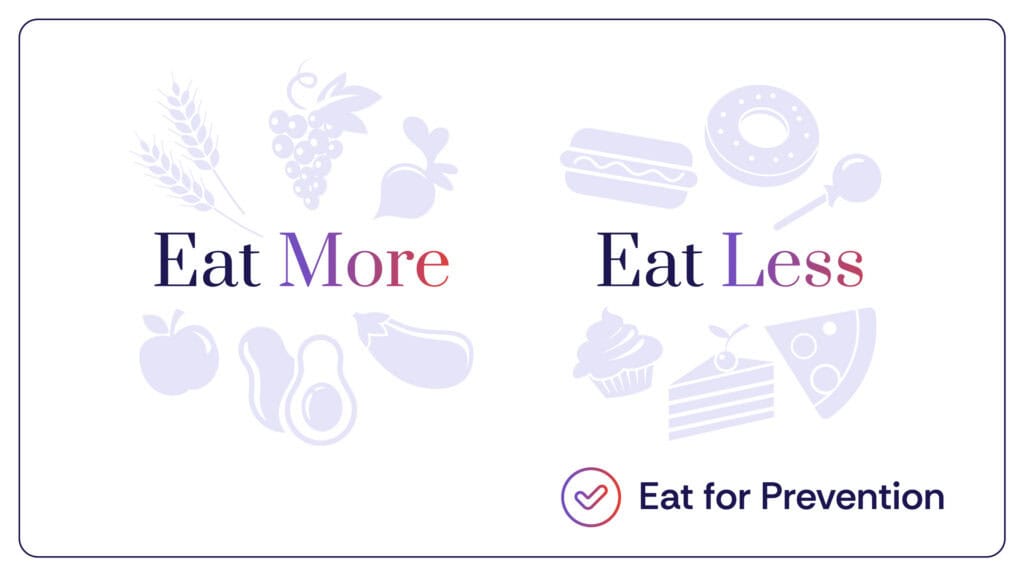
Focus on gradual, manageable changes that foster a healthy lifestyle. Prioritize whole, unprocessed foods, increase the intake of diverse fruits and vegetables (aim for at least 5 servings daily), and choose lean proteins. Limit consumption of red and processed meats, sugary drinks, and highly refined carbohydrates. Even minor shifts, such as swapping a sugary snack for a piece of fruit or incorporating an extra vegetable serving into a meal, can collectively have a substantial impact on reducing cancer risk.
5. Sun Safety Matters: Protecting Against UV Radiation
Ultraviolet (UV) radiation exposure is a well-established and preventable risk factor for skin cancer, accounting for 4.6% of preventable cancer cases. UV radiation, whether from natural sunlight or artificial sources like tanning beds, directly damages cellular DNA. This damage can lead to mutations that disrupt normal cell growth and replication, ultimately resulting in uncontrolled cell proliferation characteristic of skin cancers, including melanoma, basal cell carcinoma, and squamous cell carcinoma. Melanoma, though less common, is the most aggressive and life-threatening form of skin cancer.
The danger of UV radiation is pervasive; it can penetrate clouds, making protection necessary even on overcast days or during cooler seasons. Tanning beds, which emit concentrated UV radiation, are particularly hazardous and have been classified as known human carcinogens by the World Health Organization. Fortunately, minimizing UV exposure and protecting the skin are straightforward and highly effective preventive measures.
Prevention Strategy: Comprehensive Sun Protection
Consistent and comprehensive sun protection is paramount. Always apply broad-spectrum sunscreen with an SPF of 30 or higher to all exposed skin whenever outdoors, regardless of weather conditions. Reapply every two hours, or more frequently if swimming or sweating. Seek shade during peak UV hours (typically 10 a.m. to 4 p.m.). Wear protective clothing, including long-sleeved shirts, pants, wide-brimmed hats, and UV-blocking sunglasses. Critically, avoid tanning beds entirely. Regular self-skin exams and professional dermatological checks are also vital for early detection of any suspicious lesions.
6. Vaccines & Screening: Proactive Shields Against Cancer
Two often-underestimated yet profoundly powerful tools in cancer prevention are vaccination and routine screening. These strategies offer proactive defense mechanisms against certain cancers and facilitate early detection, which is crucial for successful treatment.
Vaccines: Certain viruses are known oncogenic agents, meaning they can directly cause cancer. Vaccines developed against these viruses offer a primary prevention strategy by preventing infection in the first place.
- Human Papillomavirus (HPV): HPV is a common sexually transmitted infection that can cause several types of cancer, most notably cervical cancer, but also cancers of the oropharynx (throat), anus, vulva, vagina, and penis. The HPV vaccine is highly effective at preventing infection with the strains of HPV that cause the majority of these cancers. It is recommended for preteen boys and girls, typically around age 11 or 12, but can be given up to age 26, and in some cases, up to 45. Global vaccination efforts have shown significant reductions in HPV infection rates and pre-cancerous lesions.
- Hepatitis B Virus (HBV): Chronic infection with HBV is a major risk factor for liver cancer (hepatocellular carcinoma). The HBV vaccine effectively prevents this viral infection, thereby significantly reducing the risk of developing liver cancer, particularly in regions where HBV is endemic. Universal vaccination programs for newborns and high-risk individuals have been instrumental in curbing the global burden of HBV-related liver cancer.
Screening: Cancer screening aims to detect cancer at its earliest stages, often before symptoms appear, or to identify pre-cancerous conditions that can be treated before they become malignant. Early detection dramatically improves treatment outcomes and survival rates.
- Mammography: For breast cancer.
- Colonoscopy/Sigmoidoscopy: For colorectal cancer, allowing for the removal of pre-cancerous polyps.
- Pap Test and HPV Test: For cervical cancer, detecting abnormal cell changes or HPV infection.
- Low-Dose CT Scan: For lung cancer in high-risk individuals (e.g., long-term heavy smokers).
It is important to note that not all cancers have established screening guidelines, and recommendations can vary based on individual risk factors such as age, family history, and personal health history. The American Cancer Society’s "2026 Cancer Facts & Figures" provides detailed screening guidelines, and individuals are strongly encouraged to discuss personalized screening schedules and recommended vaccinations with their healthcare providers.
The Broader Public Health Landscape: Policy and Collective Action
The fight against cancer through prevention is not solely an individual endeavor; it is a critical public health challenge that necessitates collective action and supportive policy frameworks. Governmental and non-governmental organizations play a pivotal role in shaping environments conducive to health. Policies such as increased tobacco taxes, strict regulations on marketing harmful products, mandatory food labeling, and public awareness campaigns on sun safety in schools are crucial interventions. These measures create systemic changes that make healthy choices easier and more accessible for the entire population.
The economic burden of cancer is immense, encompassing healthcare costs, lost productivity, and the profound emotional toll on individuals and families. Investing in cancer prevention is a fiscally responsible strategy, as preventing a disease is almost always less expensive than treating it. Prevention saves not only lives but also precious healthcare resources, allowing them to be directed towards advanced treatments for those who do develop cancer. Ongoing research is continuously identifying new risk factors, refining our understanding of existing ones, and developing innovative prevention strategies, including chemoprevention (using medications to lower cancer risk) and more targeted screening methods. The collaboration between researchers, healthcare providers, policymakers, and communities is essential to translating scientific discoveries into tangible health improvements for all.
A Call to Action: Empowering Individuals and Communities
While the multitude of factors influencing cancer risk can initially seem overwhelming, it is crucial to remember that manageable, incremental steps can significantly reduce one’s personal risk. The philosophy of "progress over perfection" is particularly pertinent here; every small, conscious choice contributes positively to long-term health. Prevention is an ongoing, lifelong journey, but it is one that can be navigated effectively with sustained effort and informed decision-making.
Empowering individuals to take control of their health requires not only knowledge but also access to resources and supportive environments. Communities can foster health by promoting smoke-free policies, encouraging healthy food options, and creating opportunities for physical activity. Ultimately, the most impactful step an individual can take is to engage in a proactive dialogue with their healthcare provider. A doctor can offer personalized advice, discuss appropriate screening schedules, recommend vaccinations, and help devise a tailored plan for implementing lifestyle changes that align with individual needs and circumstances. By embracing these small, consistent steps, individuals can collectively contribute to a future with a significantly reduced burden of cancer.
