
 By Budi Oetomo Narendra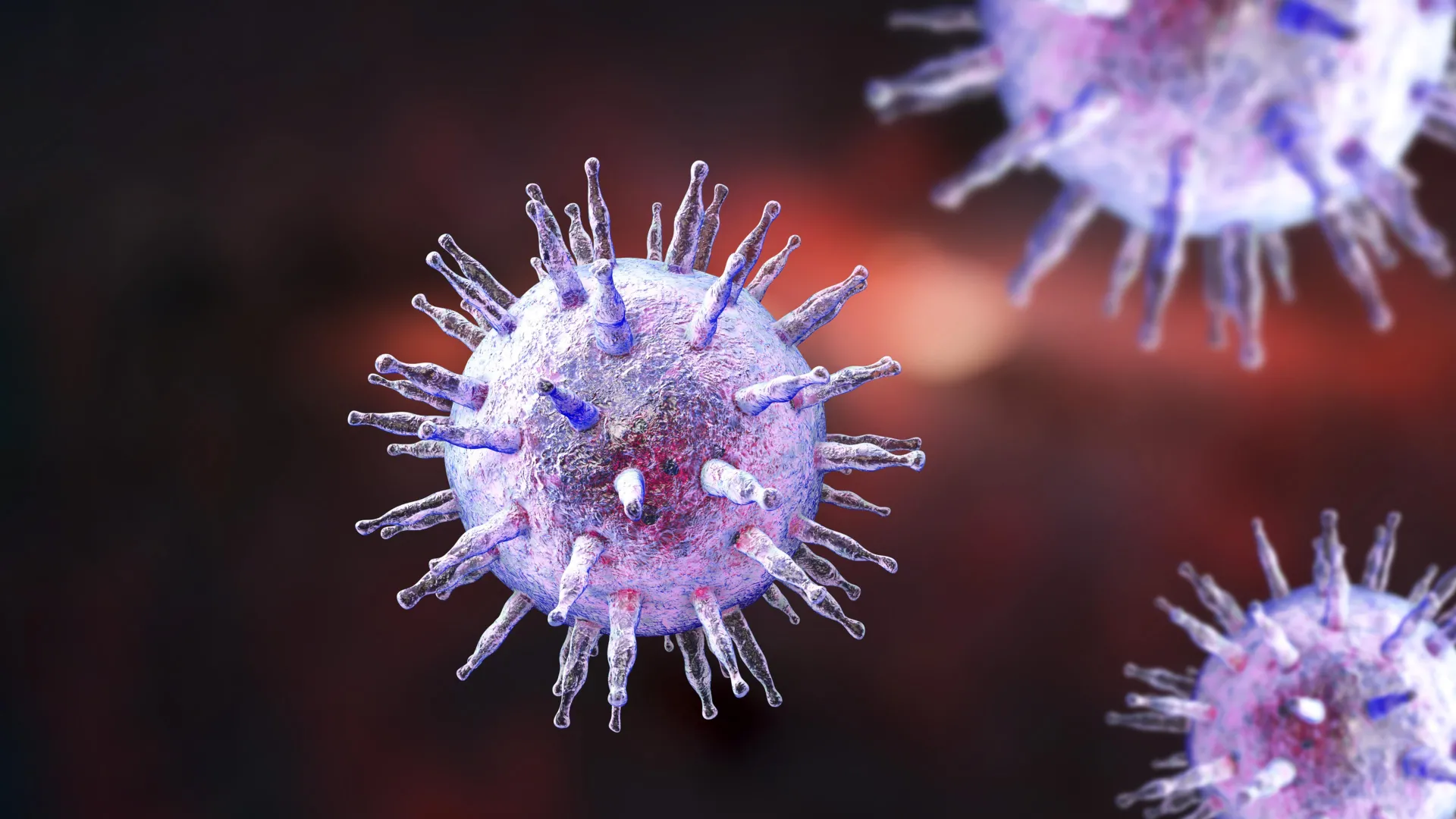
SEATTLE, WA – In a significant scientific breakthrough with global health implications, researchers at the Fred Hutchinson Cancer Center have announced a major advance in the quest to block the Epstein-Barr virus (EBV). This pervasive human herpesvirus, which silently infects an estimated 95% of the world’s population, is a known causative agent or cofactor in several cancers, neurodegenerative conditions, and other debilitating long-term illnesses. The team’s innovative approach, leveraging engineered mice to produce human antibodies, has led to the development of novel monoclonal antibodies capable of preventing the virus from infecting human immune cells, marking a critical step toward a long-sought preventive therapy.
The findings, meticulously detailed in Cell Reports Medicine, highlight the efficacy of a new class of antibodies designed to neutralize EBV. Specifically, one of these antibodies demonstrated complete prevention of infection in mice with human-like immune systems following exposure to the virus. This success addresses a long-standing challenge in virology and immunology, offering renewed hope for millions worldwide who are vulnerable to EBV-related complications.
"Finding human antibodies that block Epstein Barr virus from infecting our immune cells has been particularly challenging because, unlike other viruses, EBV finds a way to bind to nearly every one of our B cells," explained Andrew McGuire, PhD, a biochemist and cellular biologist in the Vaccine and Infectious Disease Division at Fred Hutch. "We decided to use new technologies to try to fill this knowledge gap and we ended up taking a critical step toward blocking one of the world’s most common viruses." Dr. McGuire emphasized the unique biological hurdles presented by EBV, which has historically thwarted efforts to develop effective preventive measures.
The Global Shadow of Epstein-Barr Virus: A Persistent Public Health Challenge
EBV, first identified in 1964 by Michael Anthony Epstein and Yvonne Barr, is a member of the herpesvirus family (Herpesviridae) and one of the most common human viruses. Primary infection, often occurring in childhood, is typically asymptomatic or manifests as mild, non-specific symptoms. However, infection during adolescence or early adulthood frequently results in infectious mononucleosis, commonly known as "mono" or "the kissing disease," characterized by fatigue, fever, sore throat, and swollen lymph nodes. While most individuals recover, the virus establishes a lifelong latent infection within B lymphocytes, a type of white blood cell, where it can periodically reactivate.
The silent nature of latent EBV belies its profound impact on human health. Beyond mononucleosis, EBV is unequivocally linked to a disturbing array of malignancies and autoimmune diseases. It is classified as a Group 1 carcinogen by the World Health Organization’s International Agency for Research on Cancer (IARC). EBV is responsible for nearly all cases of endemic Burkitt lymphoma, a fast-growing cancer primarily affecting children in sub-Saharan Africa. It also contributes to various forms of Hodgkin lymphoma, certain types of non-Hodgkin lymphoma, nasopharyngeal carcinoma (a head and neck cancer prevalent in Southeast Asia), and post-transplant lymphoproliferative disorders (PTLD). More recently, research has solidified connections between EBV and autoimmune diseases such as multiple sclerosis (MS), systemic lupus erythematosus (SLE), rheumatoid arthritis, and inflammatory bowel disease. The exact mechanisms by which latent EBV infection contributes to these diverse pathologies are still under intensive investigation, but it is clear that controlling or preventing EBV infection could significantly reduce the incidence of these severe conditions.
Despite its widespread prevalence and significant disease burden, a universally effective vaccine against EBV has remained elusive for decades. Previous vaccine candidates have shown limited efficacy or faced developmental hurdles, underscoring the urgent need for alternative preventive strategies. Current treatments for EBV-associated diseases are often reactive, focusing on managing symptoms or treating the resulting cancers, rather than preventing the initial infection or reactivation.
An Innovative Antibody Strategy: Targeting Viral Entry Points
A major hurdle in developing effective EBV treatments and preventives has been the difficulty in identifying antibodies that can robustly neutralize the virus without triggering an immune reaction against the therapy itself. This challenge is particularly acute when antibodies are derived from non-human sources, leading to potential immunogenicity issues in patients. To circumvent this, the Fred Hutch team employed a sophisticated approach utilizing specialized mouse models engineered to produce fully human antibodies. This innovative platform allows for the discovery of antibodies that are inherently compatible with the human immune system, reducing the risk of adverse reactions.
The researchers focused their efforts on two critical viral proteins: gp350 and gp42. These glycoproteins are located on the surface of the EBV particle and play distinct, yet equally vital, roles in the virus’s life cycle. The gp350 protein acts as the primary attachment factor, enabling the virus to initially bind to human B cells. Following attachment, the gp42 protein facilitates the crucial step of viral fusion, allowing the virus’s genetic material to enter the host cell’s cytoplasm and initiate infection. By targeting these specific entry points, the scientists aimed to disrupt the earliest stages of the infection process.
Using their cutting-edge humanized mouse model, the research team successfully identified a panel of potent monoclonal antibodies. They discovered two distinct monoclonal antibodies that specifically target the gp350 protein, hindering the virus’s ability to attach to host cells. Even more promisingly, they identified eight different monoclonal antibodies that bind to the gp42 protein, effectively blocking the fusion and entry process. The breadth of antibody discovery against gp42 suggests multiple vulnerabilities on this critical viral component, offering diverse avenues for therapeutic development.
Crystal Chhan, a pathobiology PhD student in the McGuire Lab and a key contributor to the research, highlighted the dual success of the project. "Not only did we identify important antibodies against Epstein Barr virus, but we also validated an innovative new approach for discovering protective antibodies against other pathogens," noted Chhan. "As an early-career scientist, it was an exciting finding and has helped me appreciate how science often leads to unexpected discoveries." This underscores the broader impact of the methodology, potentially accelerating antibody discovery for other infectious diseases.
Further rigorous analysis, bolstered by the expertise of Fred Hutch’s Antibody Tech Core, allowed the researchers to precisely map the binding sites of these antibodies on the viral proteins. This detailed structural information is invaluable, revealing specific "weak points" on the virus that can guide the rational design of future vaccines and more refined antibody therapies. In the final phase of testing, the efficacy of these antibodies was put to the test. A standout gp42-targeting antibody achieved full blockade of EBV infection, demonstrating its exceptional potency. A gp350-targeting antibody also showed partial protection, suggesting that a combination therapy targeting both proteins could offer even more robust defense.
A Lifeline for Vulnerable Populations: The Plight of Transplant Patients
The immediate and profound impact of this research is anticipated for highly vulnerable patient populations, particularly those undergoing organ or bone marrow transplantation. Each year, over 128,000 individuals in the United States alone receive solid organ or bone marrow transplants, a life-saving procedure that comes with significant risks. To prevent graft rejection, these patients require lifelong immunosuppressive drugs, which, while essential, severely compromise their immune systems. This immunosuppressed state creates a perilous window of opportunity for opportunistic infections, including EBV, to reactivate or spread unchecked.
A particularly serious and often life-threatening complication in transplant recipients is Post-Transplant Lymphoproliferative Disorder (PTLD). PTLD is a form of lymphoma, a cancer of the lymphatic system, that develops after transplantation and is overwhelmingly driven by uncontrolled EBV infection. Without a robust immune response, latent EBV can reactivate, leading to uncontrolled proliferation of EBV-infected B cells, which can progress to full-blown lymphoma. The incidence of PTLD varies depending on the type of transplant and the degree of immunosuppression, but it can be as high as 10-20% in certain pediatric solid organ transplant recipients and 1-20% in adult solid organ recipients, and 1-30% in hematopoietic stem cell transplant recipients. Mortality rates for PTLD remain significant, ranging from 15% to 60%, even with treatment.
"Post-transplant lymphoprolerative disorders (PTLD), most of which are EBV-associated lymphomas, are a frequent cause of morbidity and mortality after organ transplantation," noted Rachel Bender Ignacio, MD, MPH, an associate professor and infectious disease physician at Fred Hutch and University of Washington School of Medicine. "Preventing EBV viremia has strong potential to reduce the incidence of PTLD and limit the need to reduce immunosuppression, thereby helping preserve graft function while improving overall patient outcomes. Effective prevention of EBV viremia remains a significant unmet need in transplant medicine."
Currently, there are no targeted antiviral therapies specifically approved to prevent EBV infection or reactivation in transplant patients. Management often involves reducing immunosuppression, which carries the severe risk of graft rejection, or administering broad-spectrum antiviral drugs that have limited efficacy against EBV and significant side effects. Patients may be exposed to EBV through donor organs that carry a latent form of the virus. In others who have previously been infected, the profound immunosuppression following transplantation allows the quiescent virus to reactivate and multiply rapidly. Children undergoing transplants are often especially vulnerable, as many have not yet been exposed to EBV and thus lack any pre-existing immunity, making primary infection particularly dangerous. The development of a prophylactic antibody therapy would represent a paradigm shift in the care of these fragile patients, offering a targeted and potentially life-saving intervention.
Toward a Preventive Antibody Therapy: The Road Ahead
The vision articulated by the Fred Hutch research team is one where these newly discovered monoclonal antibodies could be administered as a preventive infusion, particularly for high-risk groups such as transplant recipients. By proactively blocking EBV infection or reactivation, such a therapy could dramatically reduce the incidence of PTLD and other severe complications, improving long-term outcomes and quality of life for these patients. The ability to prevent the virus from ever gaining a foothold or reactivating would eliminate the cascading health problems it instigates.
The Fred Hutch Cancer Center has already taken steps to secure intellectual property claims related to the groundbreaking antibodies identified in this study, underscoring the potential commercial and clinical value of the discovery. The journey from laboratory breakthrough to clinical application is a rigorous one, but the momentum is strong. Dr. McGuire and Crystal Chhan are actively collaborating with both academic partners and an industry partner to accelerate the research towards clinical utility. This collaborative ecosystem is crucial for navigating the complex and costly path of drug development.
The next critical steps will involve comprehensive safety testing of these antibodies in healthy adult volunteers. This Phase 1 clinical trial will assess the antibodies’ tolerability, pharmacokinetics (how they are absorbed, distributed, metabolized, and excreted), and potential side effects. Assuming favorable safety profiles, the research would then progress to clinical trials in the specific patient populations who stand to benefit most, such as transplant patients at high risk of EBV infection or reactivation. These subsequent phases (Phase 2 and 3) would evaluate the antibodies’ efficacy in preventing EBV-related complications, alongside further safety monitoring.
"There’s momentum to advance our discovery to a therapy that would make a huge difference for patients undergoing transplant," said McGuire, reflecting on the arduous yet rewarding journey of scientific discovery. "After many years of searching for a viable way to protect against Epstein Barr virus, this is a significant stride for the scientific community and the people at the highest risk of complications from this virus." This sentiment is echoed across the scientific community, recognizing the profound implications for not only transplant medicine but also potentially for broader public health efforts to mitigate the global burden of EBV-associated diseases. The prospect of a truly effective preventive therapy for a virus as ubiquitous and insidious as EBV represents a monumental leap forward in medicine.
