
 By admin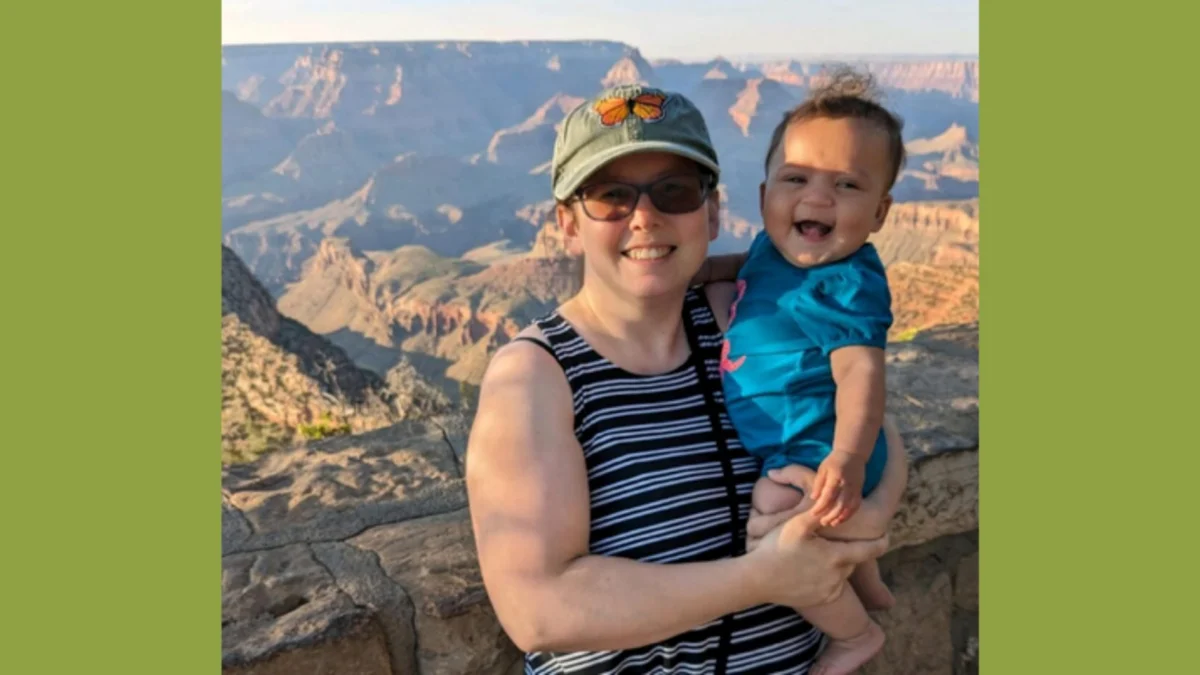
The trajectory of a young athlete’s life can change in an instant, often marked not by a winning goal but by a persistent ache that refuses to fade. For Liz, a 13-year-old eighth-grader and dedicated volleyball player, the initial discomfort in her right leg was dismissed as a standard sports injury. Following the common protocol of rest, ice, compression, and elevation, she attempted to finish her season, pushing through the physical strain. However, when the pain intensified rather than subsided, her parents sought further medical intervention. This decision led to a pediatric consultation and a subsequent Magnetic Resonance Imaging (MRI) scan that would fundamentally alter her future. The scan identified a suspicious mass located just below her right knee, prompting an immediate biopsy scheduled for the day after Thanksgiving.
The results confirmed a diagnosis of osteosarcoma, a rare and aggressive form of bone cancer that primarily affects children and young adults. The diagnosis plunged Liz and her family into a "worst nightmare" scenario, a sentiment echoed by her father, Greg, who recalls the paralyzing fear of hearing the word "cancer" before a specific prognosis was even established. For the Kaiser family, the holiday season of nearly twenty years ago became the starting point of an arduous medical marathon involving intensive chemotherapy, reconstructive surgery, and a lifetime of managed side effects. Today, as a survivor, a mother, and a medical professional, Liz’s story serves as both a testament to human resilience and a stark reminder of the stagnation in pediatric oncological research.
The Clinical Chronology of Osteosarcoma Treatment
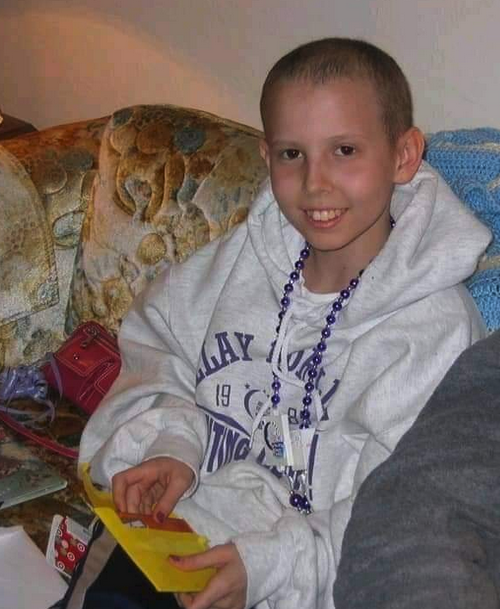
The medical journey for an osteosarcoma patient is characterized by its intensity and the high physical toll it extracts from developing bodies. Liz’s treatment began in December of her eighth-grade year. The standard of care for osteosarcoma typically involves "neoadjuvant" chemotherapy—treatment administered before the primary surgical intervention to shrink the tumor and eliminate microscopic cancer cells that may have spread elsewhere in the body.
Following several grueling rounds of chemotherapy, Liz underwent a complex, eight-hour reconstructive surgery on her right knee. This procedure is often a limb-salvage surgery, aimed at removing the cancerous bone while preserving the leg’s function through the use of internal prosthetics or bone grafts. After a brief period of post-operative recovery, Liz transitioned into maintenance chemotherapy, a phase designed to prevent recurrence. This stage lasted nearly a year, concluding on the eve of Halloween.
The physical reality of her recovery was starkly illustrated by her participation in holiday festivities. While her peers walked from house to house, Liz was transported in a wagon, still dependent on crutches and recovering from the systemic exhaustion of chemotherapy. Dressed as Zoey from Sesame Street alongside her younger brother as Elmo, the moment captured the juxtaposition of childhood innocence and medical trauma. However, the end of active treatment did not signal the end of her medical challenges. Months later, the long-term effects of chemotherapy-induced bone density loss caused Liz to suffer a catastrophic fall, resulting in fractures in both legs and necessitating further surgical intervention.
Understanding Osteosarcoma: Statistics and Medical Context
Osteosarcoma is the most common type of bone cancer in children and adolescents, though it remains rare in the broader context of oncology. According to data from the American Cancer Society, approximately 800 to 1,000 new cases of osteosarcoma are diagnosed in the United States annually, with about half of these occurring in children and teens. The disease most frequently develops during the "growth spurts" associated with puberty, typically appearing in the ends of long bones such as the femur or tibia near the knee.
While the five-year survival rate for localized osteosarcoma has improved significantly since the 1970s—now hovering around 70% to 75%—the protocols used to achieve these results have remained largely unchanged for decades. The "MAP" regimen (Methotrexate, Adriamycin/Doxorubicin, and Platinol/Cisplatin) has been the cornerstone of treatment since the late 1970s and early 1980s. While effective at killing cancer cells, these drugs are known for their high toxicity levels, which can lead to "late effects"—chronic health issues that appear years after treatment has ended.
In Liz’s case, the "cost of the cure" has manifested in several ways. Now nearly twenty years post-diagnosis, she manages permanent hearing loss—a common side effect of Cisplatin—and limited mobility in her right knee. Medical professionals have indicated that she will eventually require a total knee replacement, a direct consequence of the reconstructive surgery she underwent as a teenager. These long-term complications are a primary driver for the advocacy efforts led by her father, Greg, who points out that the treatment his daughter received twenty years ago was already considered "old" at the time.
The Funding Gap and the Stagnation of Pediatric Innovation
A critical component of Liz’s story is the advocacy for increased research funding. For rare pediatric cancers like osteosarcoma, the financial incentives for pharmaceutical companies to develop new, less toxic treatments are often insufficient. This phenomenon is frequently referred to as the "funding gap" in pediatric oncology.
Data from the National Cancer Institute (NCI) indicates that while cancer is the leading cause of death by disease among children in the United States, only a small fraction of the federal budget for cancer research is dedicated specifically to pediatric forms of the disease. Historically, this figure has hovered around 4%, with the vast majority of funding directed toward adult cancers such as breast, lung, and prostate cancer.
"The treatment Liz received 20 years ago was already 30 years old at the time," Greg noted in a recent statement. He emphasized that for rare cancers, research is chronically underfunded, leaving families to rely on decades-old science. The lack of investment in new "orphan drugs"—medications specifically intended to treat rare diseases—means that pediatric patients are often treated with "off-label" adult medications or protocols that have not seen significant innovation in nearly half a century. Advocacy groups argue that every dollar raised for research is essential to move toward "safer" treatments that minimize the devastating late effects experienced by survivors like Liz.
From Patient to Provider: Professional and Personal Milestones
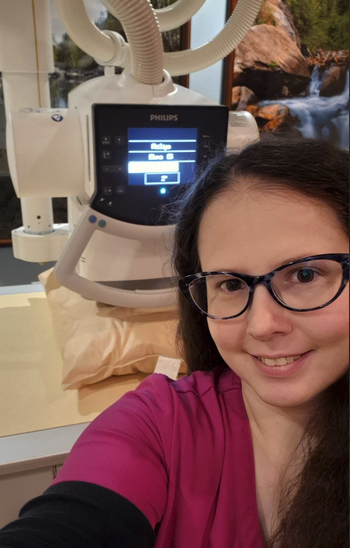
Despite the physical hurdles of her adolescence, Liz’s experiences in the hospital clinical setting inspired her professional trajectory. Today, she serves as a radiologic technologist, the very professional role that provided her own diagnostic images two decades ago. Her career choice represents a "full-circle" moment, allowing her to utilize her personal understanding of patient anxiety and physical pain to provide empathetic care to others undergoing diagnostic imaging.
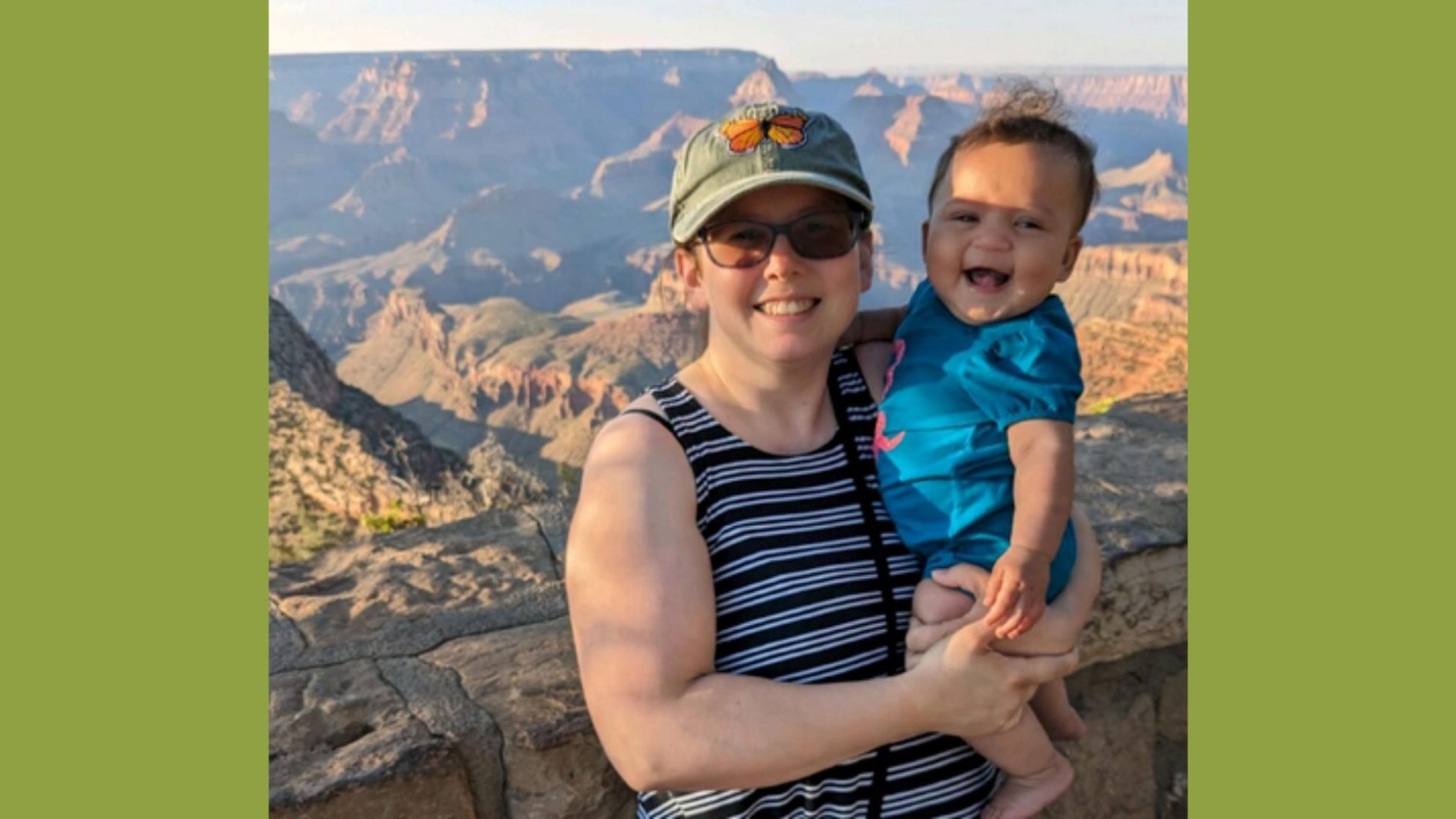
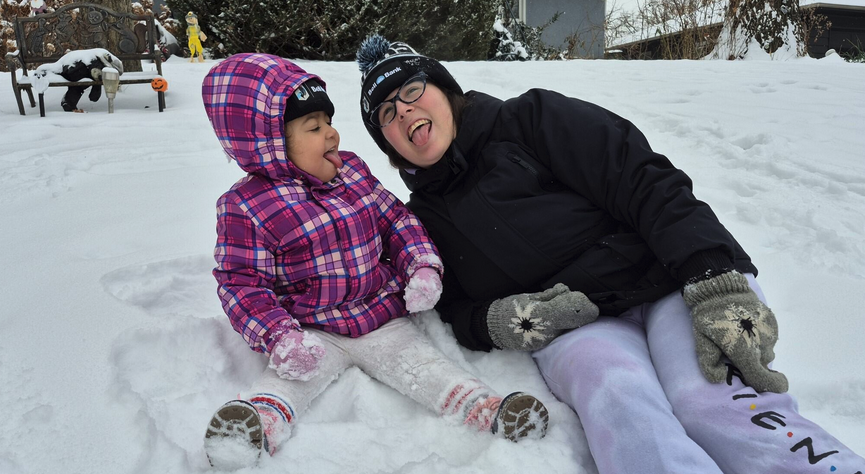
Beyond her professional achievements, Liz has reached personal milestones that were once considered uncertain due to the potential impact of chemotherapy on fertility. She is now the mother of a three-year-old daughter, Isabelle. The transition to motherhood has brought both immense joy and a new set of challenges related to her physical limitations.
"I tell her sometimes, ‘Mommy can’t do that,’" Liz explained, referring to the high-energy demands of a toddler. Because of her limited knee mobility and the long-term damage to her legs, she cannot run after her daughter or easily crawl on the floor to play. To bridge this gap, Liz relies on a robust support system, including her mother and stepfather, who assist in ensuring Isabelle remains active and engaged. For Greg, seeing his daughter as a parent is a profound experience. "For so many years we didn’t know if that would be possible," he remarked, highlighting the emotional weight of watching a childhood cancer survivor raise the next generation.
Analysis of Implications for Future Survivorship
Liz’s story underscores a burgeoning field of medicine: Survivorship Care. As more children survive cancer due to aggressive early interventions, the medical community is facing a growing population of adult survivors who require specialized, long-term monitoring. The "late effects" Liz experiences—hearing loss, orthopedic instability, and the risk of secondary fractures—are typical of the challenges faced by this demographic.
The implications of this case study are three-fold:
- The Necessity of Genomic Research: Future progress in osteosarcoma treatment likely lies in genomic sequencing and targeted therapies. By understanding the specific genetic mutations that drive bone tumors, researchers hope to develop drugs that target cancer cells without the systemic "scattergun" toxicity of traditional chemotherapy.
- The Role of Philanthropy: Given the limited federal and pharmaceutical funding for rare pediatric diseases, private philanthropy and non-profit organizations remain the primary drivers of innovation. These organizations fund the early-stage clinical trials that larger entities often overlook.
- Holistic Long-term Care: Liz’s need for a future knee replacement and her ongoing hearing loss demonstrate that "finishing treatment" is a misnomer. Survivorship requires a multidisciplinary approach involving audiologists, orthopedic surgeons, and fertility specialists to ensure that survivors do not just live, but maintain a high quality of life.
Conclusion: A Message of Hope and Persistence
The narrative of Liz Kaiser is one of survival against the odds, but it is also a call to action. While she has successfully transitioned from a 13-year-old patient to a professional radiologic technologist and a mother, the physical scars of her battle remain a permanent fixture of her daily life. Her journey emphasizes that while hope is a vital component of the recovery process, it must be backed by scientific advancement and equitable research funding.
As Liz and her father reflect on the past twenty years, their message to other families facing similar diagnoses is one of unwavering persistence. "Don’t give up," Liz advised. "Don’t avoid trying something because you think it might be difficult." For Greg, the focus remains on the broader horizon of medical progress. "Remember there is hope," he stated, a sentiment that drives the continued push for the next generation of safer, more effective pediatric cancer treatments. The goal for the medical community remains clear: to ensure that the survivors of tomorrow do not have to pay for their lives with the same physical tolls required of the survivors of yesterday.
