
 By admin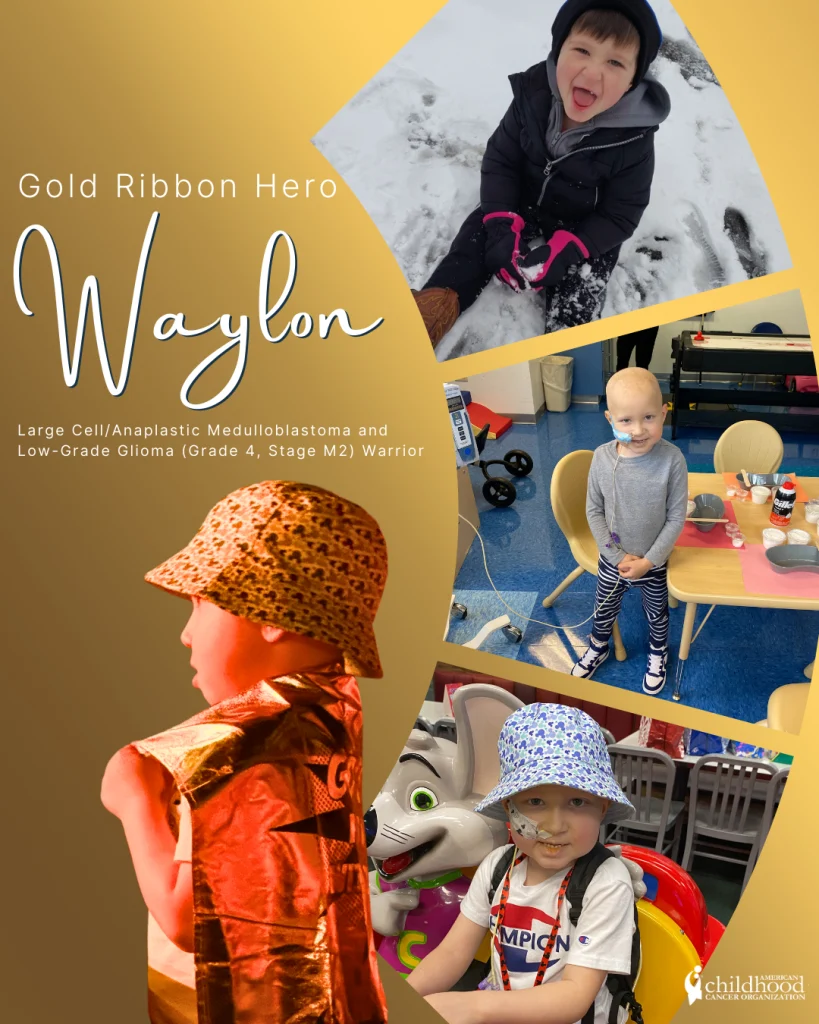
The diagnosis of pediatric brain cancer represents one of the most challenging experiences a family can encounter, fundamentally altering their trajectory and necessitating a grueling regimen of medical interventions. For five-year-old Waylon and his family, this reality began on April 24, 2025, following a period of escalating symptoms that included persistent headaches, frequent vomiting, and noticeable balance issues. These clinical indicators led to the discovery of a complex oncological profile: large cell/anaplastic medulloblastoma and low-grade glioma, classified as Grade 4, Stage M2. Waylon’s journey from a sudden diagnosis to becoming an ambassador for the American Childhood Cancer Organization (ACCO) highlights the intersection of medical resilience, community advocacy, and the ongoing need for specialized pediatric cancer research.
Clinical Overview: Understanding Medulloblastoma and Glioma
The diagnosis of medulloblastoma is significant due to its status as the most common malignant brain tumor in children. However, Waylon’s specific classification—large cell/anaplastic medulloblastoma—represents a more aggressive histological subtype. Anaplastic cells are characterized by their lack of normal differentiation, often leading to rapid growth and a higher propensity for metastasis. The "Stage M2" designation indicates that the cancer has moved beyond the primary tumor site to the cerebellar subarachnoid space or the third and fourth ventricles, requiring a comprehensive and systemic approach to treatment.
Simultaneously, the presence of a low-grade glioma adds a layer of complexity to the clinical management of the patient. While low-grade gliomas are generally slower-growing than medulloblastomas, the coexistence of two distinct types of brain tumors necessitates a highly coordinated multidisciplinary team, typically involving neurosurgeons, pediatric oncologists, and radiation therapists. According to data from the National Cancer Institute, brain and other central nervous system (CNS) tumors are the most common cause of cancer-related death in children under the age of 14, underscoring the severity of Waylon’s Grade 4 diagnosis.
A Chronology of Treatment and Medical Intervention
Waylon’s medical journey since April 2025 has been defined by intensive cycles of surgery, radiation, and chemotherapy. The immediate response to the diagnosis involved two separate brain surgeries. The primary goal of such neurosurgical interventions is maximal safe resection—removing as much of the tumor mass as possible without damaging critical brain tissue responsible for motor skills, speech, and cognitive function. Given the location of these tumors, surgical precision is paramount to the patient’s long-term quality of life.
Following the surgical phase, Waylon underwent a full course of radiation treatment. In pediatric neuro-oncology, radiation is a critical tool for addressing residual microscopic disease, particularly in Stage M2 cases where cells may have migrated through the cerebrospinal fluid. However, radiation in five-year-old patients is administered with extreme caution due to the ongoing development of the brain.
The third pillar of Waylon’s treatment is a rigorous chemotherapy protocol. As of late 2025, Waylon has completed 33 of a planned 37 rounds of chemotherapy. This high-frequency schedule is designed to eradicate any remaining malignant cells and prevent recurrence. The physical toll of such a regimen on a young child is immense, often involving side effects ranging from immunosuppression and fatigue to nausea and nutritional challenges. Kayla, Waylon’s mother, noted that the diagnosis turned their "whole world upside down," a sentiment that reflects the emotional and logistical upheaval experienced by families navigating the pediatric oncology system.
The Grand Ole Opry and the ACCO: Community Advocacy in Nashville
In the midst of his treatment, Waylon was selected to serve as an ambassador for the American Childhood Cancer Organization (ACCO) at a high-profile community event in Nashville, Tennessee. The Grand Ole Opry, an iconic institution in American music, hosted an employee chili cook-off as part of its ongoing philanthropic efforts to support pediatric cancer awareness.
The event served a dual purpose: raising funds for the ACCO’s programs and providing a reprieve for families currently battling the disease. Waylon and his family were invited to tour the historic facility, interact with staff and performers, and attend a live show. For the ACCO, featuring a "warrior" like Waylon at such events is a strategic component of their advocacy work. It humanizes the statistics associated with pediatric cancer and highlights the specific needs of children undergoing intensive therapy.
The partnership between the Grand Ole Opry and the ACCO is part of the broader "Go Gold" movement, which takes place annually in September. This initiative aims to increase visibility for childhood cancer, which often receives significantly less federal research funding compared to adult cancers. By integrating awareness into a Nashville staple like the Opry, organizers are able to reach a diverse audience and emphasize the importance of local support systems.
Statistical Context: The Landscape of Pediatric Cancer Funding
Waylon’s story is a microcosm of a larger public health issue. According to the ACCO, approximately 1 in 285 children in the United States will be diagnosed with cancer before their 20th birthday. Despite these numbers, pediatric cancer research remains underfunded. Historically, only about 4% of the National Cancer Institute’s (NCI) federal budget is allocated specifically to childhood cancer research.
This funding gap has significant implications for the development of new treatments. Many of the chemotherapy drugs used for children were originally developed and approved for adult use decades ago. For high-grade cases like Waylon’s, the lack of pediatric-specific "targeted therapies" means that clinicians must rely on aggressive, traditional protocols that, while life-saving, can carry a risk of long-term "late effects," including cognitive impairment, endocrine issues, and secondary cancers.
Advocacy events like the Grand Ole Opry Chili Cook-Off are essential for bridging this gap. The funds raised often go toward providing resources for families—such as the ACCO’s "Medical Play Kits" which help children understand their treatment—and toward lobbying for legislative changes like the Research to Accelerate Cure and Equity (RACE) for Children Act.
Implications and the Path Forward
The impact of Waylon’s journey extends beyond his individual health outcomes. It serves as a reminder of the critical need for early detection. The symptoms Waylon exhibited—headaches and balance issues—are classic warning signs of intracranial pressure, yet they can often be mistaken for less severe childhood ailments. Public awareness campaigns aimed at helping parents and primary care physicians identify these "red flags" early can lead to faster diagnoses and improved prognoses.
Furthermore, the role of "ambassador" programs in pediatric oncology cannot be overstated. For a child like Waylon, participating in a community event at the Grand Ole Opry provides a sense of agency and identity outside of being a "patient." It allows the child to engage with the world in a way that celebrates their resilience rather than focusing solely on their clinical status.
From a journalistic and societal perspective, Waylon’s progress through 33 rounds of chemotherapy is a testament to the advancements in pediatric supportive care. Modern medicine has become significantly better at managing the side effects of toxic treatments, allowing children to maintain a higher quality of life during the process. However, the goal remains a shift toward less toxic, more effective treatments tailored to the unique genetic drivers of pediatric tumors.
Conclusion
As Waylon nears the completion of his 37-round chemotherapy protocol, his story remains a focal point for the Nashville community and the ACCO. The transition from a sudden, life-threatening diagnosis in April 2025 to a public role as an ambassador at the Grand Ole Opry illustrates the profound strength of pediatric patients and the vital importance of community support networks. While the medical community continues to strive for better cure rates and less invasive treatments, the immediate focus for families like Waylon’s remains on the day-to-day victory of treatment compliance and the support of an informed, empathetic public. The collaboration between historic cultural institutions and health advocacy groups ensures that the fight against pediatric cancer remains in the public consciousness, driving both the funding and the hope necessary for future breakthroughs.
